المعاينة العلمية الكاملة • الإصدار 2026

موسوعة الإكسوسومات
والحويصلات خارج الخلية

هذه ليست واجهة مختصرة. تضم المعاينة النصوص العلمية العربية والإنجليزية المستعادة من جميع مراحل المشروع: أكثر من 97 ألف كلمة، ومقالات متخصصة، وجداول، ورسوم، ومراجع، وأدوات بحثية.

غلاف موسوعة الإكسوسومات
203مادة وصفحة مدمجة
134مادة عربية
69مادة إنجليزية
97,000+كلمة علمية
5 سنواتمدة إعداد وتطوير الموسوعة
578,976,978عداد افتتاحي للمشاهدات

الفهرس الموسوعي

اضغط أي باب، ثم افتح المقالات داخله. يعمل التصفح بروابط HTML أصلية ومن دون JavaScript.

الأسس والبيولوجيا

14 مادة مرجعية؛ اضغط عنوان المقالة لفتح النص الكامل والمراجع والجداول.

1

RNA المرتبط بالحويصلات

أنواع RNA وقياسها ومشكلة التلوث الخارجي.

مقالة علمية موسعة

RNA المرتبط بالحويصلات

أنواع RNA وقياسها ومشكلة التلوث الخارجي.

أنواع متعددة

قد تكشف التحليلات mRNA وmicroRNA وRNA غير مشفر وقطع RNA، وتختلف النتائج بشدة بحسب المصدر وطريقة الفصل والمكتبة.

الموضع

قد يكون RNA داخل الحويصلة أو مرتبطا بالسطح أو محمولا على بروتينات وجسيمات أخرى. تساعد تجارب RNase مع وبدون منظف.

المعايرة

الحاجة إلى عينات فارغة وضوابط إدخال وطرق تطبيع معلنة ضرورية خصوصا في العينات منخفضة الحمولة.

أسئلة تحقق للباحث

  • هل وُصف مصدر العينة والمتغيرات السابقة للتحليل بوضوح؟
  • هل تتناسب طريقة الفصل والتوصيف مع سؤال الدراسة؟
  • هل توجد ضوابط تسمح بفصل أثر الحويصلات عن الملوثات؟
  • هل قُدمت حدود المنهج وعدم اليقين دون مبالغة؟
تنبيه: المحتوى تعليمي وبحثي، ولا يثبت فعالية علاج أو سلامته.

مراجع مختارة

  1. Minimal information for studies of extracellular vesicles 2023 (2024)

English abstract

RNA المرتبط بالحويصلات — This article provides a research-oriented overview of the topic, emphasizing experimental design, analytical limits, transparent reporting, and the separation of preclinical findings from human clinical evidence.

2

الأسس البيولوجية للحويصلات خارج الخلية

مرجع تأسيسي للتعريف والتكوين الحيوي والإفراز والالتقاط والحمولة الجزيئية.

الأسس البيولوجية للحويصلات خارج الخلية

مرجع تأسيسي للتعريف والتكوين الحيوي والإفراز والالتقاط والحمولة الجزيئية.

التعريف والتسمية

الحويصلات خارج الخلية جسيمات محاطة بغشاء دهني تطلقها الخلايا ولا تستطيع التكاثر الذاتي. تشمل مجموعات غير متجانسة تختلف في المنشأ والحجم والكثافة والمحتوى. توصي الإرشادات الحديثة باستخدام مصطلحات تشغيلية مثل «حويصلات صغيرة خارج الخلية» عندما لا يكون منشؤها الإندوسومي مثبتا، لأن الحجم وحده لا يثبت أنها إكسوسومات.

قاعدة تسمية: لا تُسم العينة «إكسوسومات نقية» لمجرد أن الجسيمات تقع ضمن نطاق حجمي صغير؛ يجب وصف مصدرها وطريقة جمعها وفصلها وتوصيفها والملوثات المصاحبة.

التكوين الحيوي

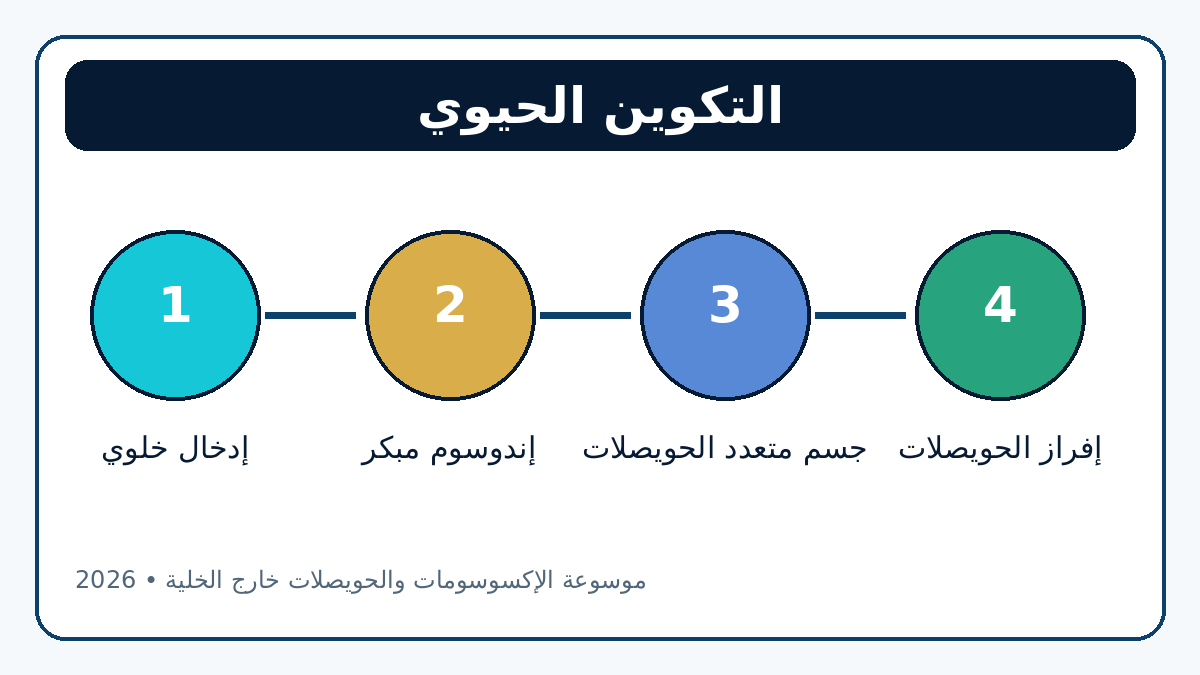
تبدأ مجموعة من الحويصلات داخل النظام الإندوسومي. ينغمد غشاء الإندوسوم إلى الداخل لتكوين حويصلات داخل اللمعة، ثم تتكون الأجسام متعددة الحويصلات. عند اندماجها بالغشاء البلازمي تُطلق الحويصلات إلى الوسط خارج الخلية. تشارك منظومة ESCRT ومسارات مستقلة عنها في فرز البروتينات والدهون وتبرعم الغشاء.

مسار مبسط للتكوين

غشاء خلويإدخال داخلي
إندوسوم مبكرفرز أولي
إندوسوم متأخرانغلاف داخلي
جسم متعدد الحويصلاتتراكم ILVs
إفرازاندماج بالغشاء

الإفراز والالتقاط

قد تتفاعل الحويصلات مع الخلايا المستقبلة عبر ارتباطات سطحية أو إدخال خلوي أو اندماج غشائي. ويعتمد المصير على نوع الخلية وتركيب الغشاء والوسط الحيوي والجرعة والزمن. إثبات الالتقاط لا يساوي إثبات الوظيفة؛ إذ يجب ربطه بتغير قابل للقياس مع ضوابط مناسبة.

الحمولة الجزيئية

البروتينات

بروتينات غشائية وسيتوسولية وإنزيمات وعناصر مرتبطة بالمنشأ الخلوي.

الأحماض النووية

أنواع من RNA وقد توجد مواد نووية مرتبطة خارجيا أو ضمن جسيمات مصاحبة.

الدهون

دهون غشائية تسهم في الثبات والانحناء والتفاعل الخلوي.

وجود جزيء في تحضير حويصلي لا يثبت تلقائيا أنه داخل الحويصلة؛ فقد يكون مرتبطا بسطحها أو موجودا في ملوثات مشتركة.
3

الالتقاط الخلوي ومصير الحويصلات

الارتباط والإدخال والاندماج والمسارات داخل الخلية.

مقالة علمية موسعة

الالتقاط الخلوي ومصير الحويصلات

الارتباط والإدخال والاندماج والمسارات داخل الخلية.

آليات متعددة

قد ترتبط الحويصلة بمستقبلات سطحية أو تدخل بالبلعمة الدقيقة أو الكبرى أو تندمج بالغشاء. تختلف الآلية بحسب الخلية والوسط والجرعة.

التتبع التجريبي

قد تنتقل الأصباغ الدهنية أو تتجمع منفصلة عن الحويصلات؛ لذلك يلزم ضابط للصبغة الحرة وضابط تحضير فارغ وطرق تتبع متعامدة.

من الالتقاط إلى الوظيفة

مشاهدة إشارة داخل الخلية لا تثبت أن الحمولة وصلت إلى السيتوسول أو أحدثت أثرا نوعيا. يلزم ربطها بوظيفة قابلة للقياس وضوابط سببية.

أسئلة تحقق للباحث

  • هل وُصف مصدر العينة والمتغيرات السابقة للتحليل بوضوح؟
  • هل تتناسب طريقة الفصل والتوصيف مع سؤال الدراسة؟
  • هل توجد ضوابط تسمح بفصل أثر الحويصلات عن الملوثات؟
  • هل قُدمت حدود المنهج وعدم اليقين دون مبالغة؟
تنبيه: المحتوى تعليمي وبحثي، ولا يثبت فعالية علاج أو سلامته.

مراجع مختارة

  1. Minimal information for studies of extracellular vesicles 2023 (2024)

English abstract

الالتقاط الخلوي ومصير الحويصلات — This article provides a research-oriented overview of the topic, emphasizing experimental design, analytical limits, transparent reporting, and the separation of preclinical findings from human clinical evidence.

4

البروتينات الحويصلية

تحليل البروتينات والتمييز بين الحمولة والملوثات.

مقالة علمية موسعة

البروتينات الحويصلية

تحليل البروتينات والتمييز بين الحمولة والملوثات.

المحتوى البروتيني

قد تحمل الحويصلات بروتينات غشائية وسيتوسولية وإنزيمات وعناصر تعكس الخلية المصدر، لكن التحضير قد يتضمن بروتينات ذائبة أو تجمعات.

استراتيجية التحليل

يفضل الجمع بين بروتيوميات كمية، وضوابط وسط خال من الخلايا، وتحليل واسمات موجبة وسلبية، وتطبيع معلن.

التفسير

وجود البروتين في التحضير لا يثبت أنه داخل الحويصلة. يمكن استخدام حماية البروتياز مع وبدون منظف لدراسة موضعه.

أسئلة تحقق للباحث

  • هل وُصف مصدر العينة والمتغيرات السابقة للتحليل بوضوح؟
  • هل تتناسب طريقة الفصل والتوصيف مع سؤال الدراسة؟
  • هل توجد ضوابط تسمح بفصل أثر الحويصلات عن الملوثات؟
  • هل قُدمت حدود المنهج وعدم اليقين دون مبالغة؟
تنبيه: المحتوى تعليمي وبحثي، ولا يثبت فعالية علاج أو سلامته.

مراجع مختارة

  1. Minimal information for studies of extracellular vesicles 2023 (2024)

English abstract

البروتينات الحويصلية — This article provides a research-oriented overview of the topic, emphasizing experimental design, analytical limits, transparent reporting, and the separation of preclinical findings from human clinical evidence.

5

التسمية: الحويصلات خارج الخلية أم الإكسوسومات؟

ضبط المصطلح العلمي وتجنب الاستنتاج من الحجم وحده.

مقالة علمية موسعة

التسمية: الحويصلات خارج الخلية أم الإكسوسومات؟

ضبط المصطلح العلمي وتجنب الاستنتاج من الحجم وحده.

قاعدة أساسية

مصطلح الحويصلات خارج الخلية هو المظلة الأوسع. استخدام كلمة إكسوسوم يحتاج دليلا على المنشأ الإندوسومي، بينما لا يكفي نطاق الحجم أو ظهور شكل دائري في المجهر.

التسمية التشغيلية

عند غياب دليل المنشأ، يمكن وصف المادة بحسب الحجم أو الكثافة أو الواسمات أو المصدر، مثل: حويصلات صغيرة خارج الخلية مشتقة من البلازما بعد فصلها بالاستبعاد الحجمي.

لماذا يهم؟

اللغة الدقيقة تمنع مقارنة تحضيرات مختلفة على أنها الشيء نفسه، وتساعد على تفسير النتائج وإعادة التجربة وتقييم الادعاءات العلاجية.

أسئلة تحقق للباحث

  • هل وُصف مصدر العينة والمتغيرات السابقة للتحليل بوضوح؟
  • هل تتناسب طريقة الفصل والتوصيف مع سؤال الدراسة؟
  • هل توجد ضوابط تسمح بفصل أثر الحويصلات عن الملوثات؟
  • هل قُدمت حدود المنهج وعدم اليقين دون مبالغة؟
تنبيه: المحتوى تعليمي وبحثي، ولا يثبت فعالية علاج أو سلامته.

مراجع مختارة

  1. Minimal information for studies of extracellular vesicles 2023 (2024)
  2. ISEV MISEV resource page (2024)

English abstract

التسمية: الحويصلات خارج الخلية أم الإكسوسومات؟ — This article provides a research-oriented overview of the topic, emphasizing experimental design, analytical limits, transparent reporting, and the separation of preclinical findings from human clinical evidence.

6

التصنيف المتقدم للحويصلات خارج الخلية

كيف تُصنّف الحويصلات بحسب المنشأ والحجم والكثافة والواسمات مع تجنب الجزم غير المدعوم.

مقالة تخصصية • الأسس

التصنيف المتقدم للحويصلات خارج الخلية

كيف تُصنّف الحويصلات بحسب المنشأ والحجم والكثافة والواسمات مع تجنب الجزم غير المدعوم.

الخلاصة العلمية

التصنيف الحديث لا يفترض أن كل جسيم صغير هو إكسوسوم؛ بل يبدأ بوصف تشغيلي يعتمد على المصدر وطريقة الجمع والفصل والتوصيف. لا تعني هذه الروابط البيولوجية أن وجود الحويصلة يثبت السببية أو أن تغييرها سيحسن النتيجة السريرية؛ إذ يلزم فصل الملاحظة عن الآلية، ثم الانتقال من النماذج المخبرية والحيوانية إلى دراسات بشرية مصممة مسبقا.

رسالة أساسية: أفضل قراءة للمجال تجمع بين هوية العينة، طريقة الفصل، جودة التوصيف، مستوى الدليل، والسؤال السريري المحدد. لا يجوز مقارنة تحضيرين مختلفين على أنهما منتج واحد لمجرد تقارب الحجم.

الأساس البيولوجي

تُفرز الخلايا حويصلات تحمل بروتينات ودهونا وأنواعا من RNA ومكونات أخرى. تتحدد وظيفتها بحسب الخلية الأم وحالتها والبيئة المحيطة، ثم بحسب الخلية المستقبلة وطريق الالتقاط. لذلك قد تكون الحويصلة مؤشرا لحالة النسيج، أو وسيطا نشطا، أو مجرد مصاحب لعملية مرضية.

في هذا الموضوع تتركز المحاور على: المنشأ الإندوسومي، التبرعم من الغشاء، الأجسام الأبوبتوزية، الحويصلات الصغيرة والكبيرة خارج الخلية. ويجب دائما اختبار ما إذا كانت النتيجة ناتجة عن الحويصلات نفسها أو عن بروتينات ودهون وجسيمات مصاحبة، باستخدام ضوابط الإزالة والإضافة والمقارنة بكسور العينة المختلفة.

الواسمات والتطبيقات المحتملة

  • المنشأ الإندوسومي
  • التبرعم من الغشاء
  • الأجسام الأبوبتوزية
  • الحويصلات الصغيرة والكبيرة خارج الخلية

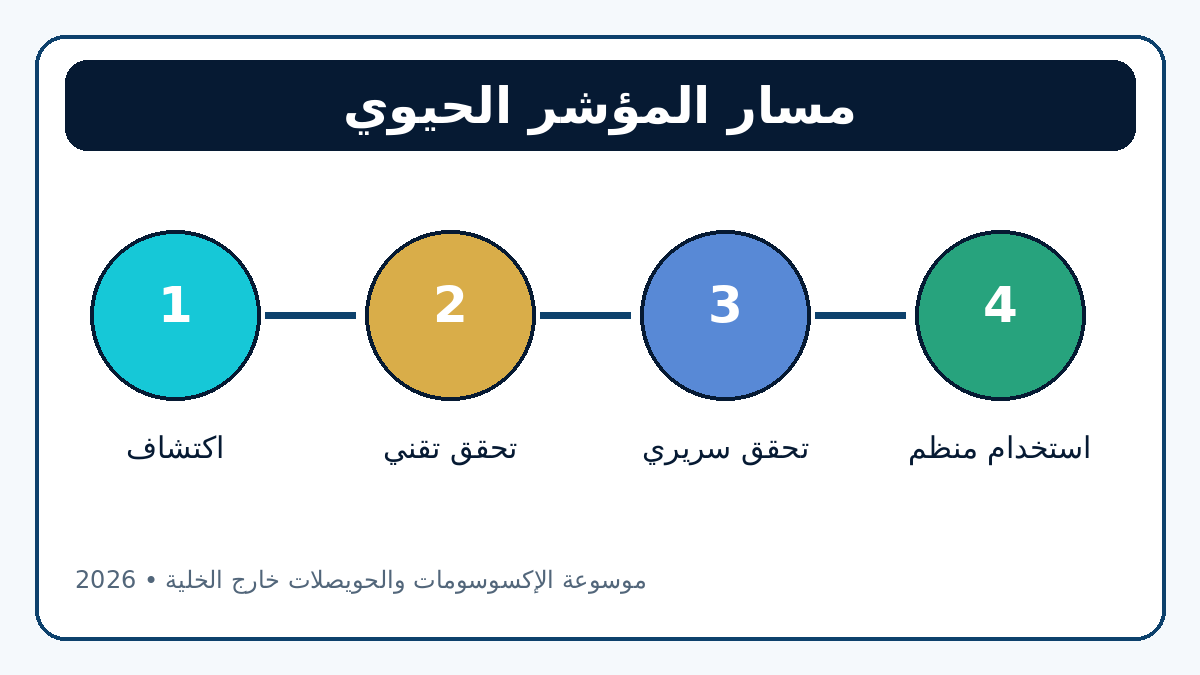
تطوير الواسم يبدأ بالاكتشاف ثم التحقق التحليلي، فالتحقق السريري في مجموعة مستقلة، ثم دراسة الفائدة السريرية. الأداء المرتفع في دراسة حالات وشواهد صغيرة لا يضمن نجاح الاختبار عند تطبيقه على مرضى متتابعين أو سكان منخفضي الخطورة.

العينات والمنصات

  • المجهر الإلكتروني
  • تحليل الجسيمات
  • الواسمات الموجبة والسلبية
  • تدرج الكثافة

ينبغي توثيق زمن الجمع، نوع الأنبوب، الطرد الأولي، عدد دورات التجميد، حجم العينة، كفاءة الاسترداد، وحدود الكشف. وفي الدم يجب الانتباه إلى الصفائح والبروتينات الدهنية، وفي البول إلى التخفيف ووظيفة الكلى، وفي سوائل الأنسجة إلى الإجراءات العلاجية المصاحبة.

تصميم بحث قوي

مرحلة الاكتشاف

سؤال محدد، مجموعات ضابطة طيفية، بروتوكول موحد، تحليل استكشافي مع ضبط تعدد المقارنات، وتسجيل كامل للبيانات السلبية.

مرحلة التحقق

مجموعة مستقلة، تحليل أعمى، عتبات محددة مسبقا، مقارنة بالمعيار السريري، ودراسة ما تضيفه الحويصلات فوق المؤشرات القائمة.

قائمة تحقق مختبرية

  • وصف المصدر والمتبرع والمتغيرات السابقة للتحليل.
  • تسمية المادة بحسب ما أثبتته التجربة، لا بحسب الافتراض.
  • استخدام طريقتين أو أكثر للتوصيف مع واسمات موجبة وسلبية.
  • الإبلاغ عن كفاءة الاسترداد والنقاء والجرعة بأكثر من مقام عند الحاجة.
  • إدراج ضوابط للمادة الحرة والكواشف والوسط والحويصلات المعطلة.
  • إتاحة البروتوكول والبيانات أو ما يكفي لإعادة التحليل.

قوة الدليل الحالية

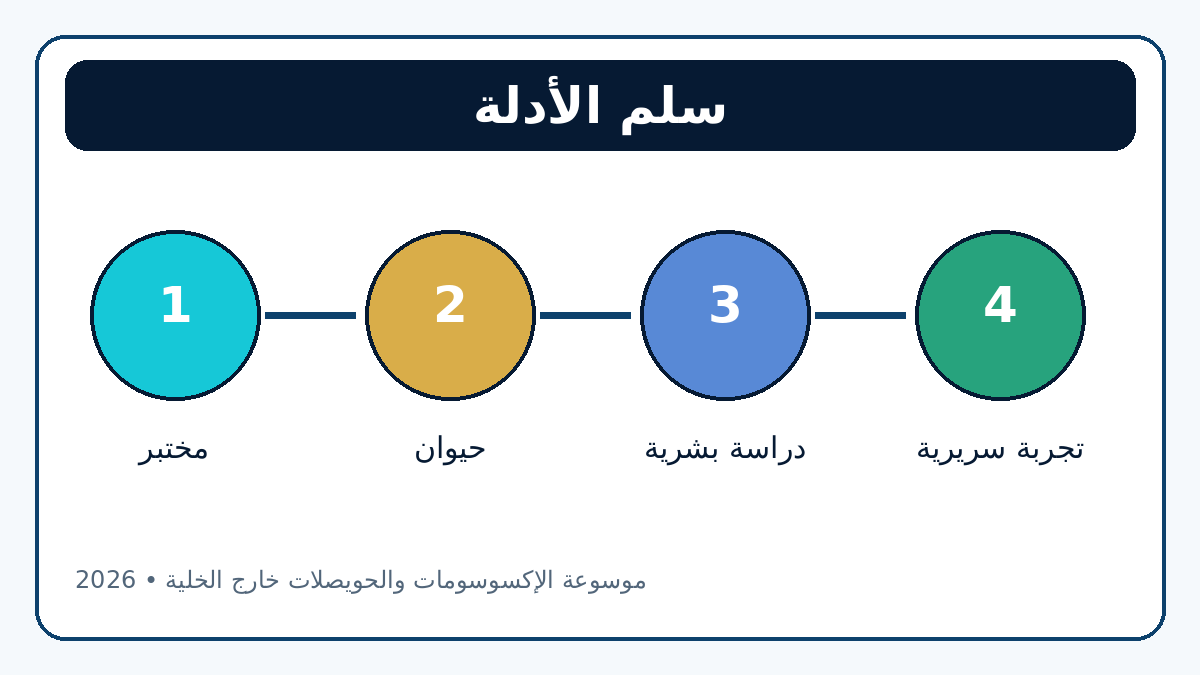
1آلية خلوية
2نماذج حيوانية
3دراسات بشرية رصدية
4تجارب تدخلية
5فائدة سريرية معتمدة

التقييم المختصر: دليل توافقي قوي للتسمية، بينما تبقى الحدود بين الفئات متداخلة تقنيا. ويجب عدم استخدام كلمة «علاج» بمعناها السريري إلا عند وجود منتج محدد، جرعة محددة، تصنيع مضبوط، وتجربة بشرية كافية للفعالية والسلامة.

الفجوات البحثية

  • التباين بين طرق الجمع والفصل والتخزين والتطبيع.
  • ضعف التحقق الخارجي وتكرار استخدام مجموعات صغيرة منتقاة.
  • عدم كفاية ضوابط الملوثات والجسيمات غير الحويصلية.
  • الحاجة إلى قياس الفائدة السريرية، لا الدلالة الإحصائية وحدها.
  • غياب معايير قدرة حيوية موحدة للمنتجات العلاجية المختلفة.
تنبيه طبي وتنظيمي: المعلومات تعليمية وبحثية. لا تمثل توصية لتلقي منتج حويصلي أو حقن «إكسوسومات»، ولا تعني أن المنتج المسجل في تجربة سريرية معتمد أو فعال.

مراجع مختارة

  1. Minimal information for studies of extracellular vesicles 2023 (MISEV2023) (2024)
  2. EV-TRACK: transparent reporting and centralizing knowledge in extracellular vesicle research (2017)
  3. Extracellular Vesicles: a comprehensive review of biology and translation (2026)

فتح بنك المراجع الموسع

English abstract

التصنيف المتقدم للحويصلات خارج الخلية — This evidence-oriented article reviews biological rationale, biomarker development, experimental design, translational limitations, and the distinction between preclinical promise and validated human clinical utility.

7

التكوين الحيوي ومسارات ESCRT

كيف تتكون الحويصلات داخل النظام الإندوسومي وتُفرز.

مقالة علمية موسعة

التكوين الحيوي ومسارات ESCRT

كيف تتكون الحويصلات داخل النظام الإندوسومي وتُفرز.

من الإندوسوم إلى الإفراز

يتحول الإندوسوم المبكر إلى متأخر، وتتشكل حويصلات داخل اللمعة داخل الجسم متعدد الحويصلات. يمكن أن يندمج هذا الجسم مع الجسيم الحال أو مع الغشاء البلازمي.

منظومة ESCRT

تشارك بروتينات ESCRT في التعرف إلى الحمولة وتشكيل الغشاء والانفصال. توجد أيضا مسارات مستقلة تعتمد على دهون وبروتينات رباعية العبور.

إثبات المنشأ

تحتاج دراسة المنشأ إلى تتبع خلوي وزمني وواسمات مناسبة، ولا يثبت بمجرد فصل جسيمات صغيرة من السائل الحيوي.

أسئلة تحقق للباحث

  • هل وُصف مصدر العينة والمتغيرات السابقة للتحليل بوضوح؟
  • هل تتناسب طريقة الفصل والتوصيف مع سؤال الدراسة؟
  • هل توجد ضوابط تسمح بفصل أثر الحويصلات عن الملوثات؟
  • هل قُدمت حدود المنهج وعدم اليقين دون مبالغة؟
تنبيه: المحتوى تعليمي وبحثي، ولا يثبت فعالية علاج أو سلامته.

مراجع مختارة

  1. Minimal information for studies of extracellular vesicles 2023 (2024)

English abstract

التكوين الحيوي ومسارات ESCRT — This article provides a research-oriented overview of the topic, emphasizing experimental design, analytical limits, transparent reporting, and the separation of preclinical findings from human clinical evidence.

8

التوزع الحيوي والإطراح

ما الذي يحدد وصول الحويصلات إلى الأنسجة وبقاءها والتقاطها بواسطة الكبد والطحال والخلايا المناعية.

مقالة تخصصية • الأسس

التوزع الحيوي والإطراح

ما الذي يحدد وصول الحويصلات إلى الأنسجة وبقاءها والتقاطها بواسطة الكبد والطحال والخلايا المناعية.

الخلاصة العلمية

التوزع الحيوي يتأثر بالمصدر الخلوي والحجم والشحنة وطريق الإعطاء والجرعة وحالة المضيف، وقد يختلف الوسم عن سلوك الحويصلة نفسها. لا تعني هذه الروابط البيولوجية أن وجود الحويصلة يثبت السببية أو أن تغييرها سيحسن النتيجة السريرية؛ إذ يلزم فصل الملاحظة عن الآلية، ثم الانتقال من النماذج المخبرية والحيوانية إلى دراسات بشرية مصممة مسبقا.

رسالة أساسية: أفضل قراءة للمجال تجمع بين هوية العينة، طريقة الفصل، جودة التوصيف، مستوى الدليل، والسؤال السريري المحدد. لا يجوز مقارنة تحضيرين مختلفين على أنهما منتج واحد لمجرد تقارب الحجم.

الأساس البيولوجي

تُفرز الخلايا حويصلات تحمل بروتينات ودهونا وأنواعا من RNA ومكونات أخرى. تتحدد وظيفتها بحسب الخلية الأم وحالتها والبيئة المحيطة، ثم بحسب الخلية المستقبلة وطريق الالتقاط. لذلك قد تكون الحويصلة مؤشرا لحالة النسيج، أو وسيطا نشطا، أو مجرد مصاحب لعملية مرضية.

في هذا الموضوع تتركز المحاور على: الالتقاط الكبدي والطحالي، المرور الرئوي، النفاذ إلى النسيج، التصفية الكلوية غير المباشرة. ويجب دائما اختبار ما إذا كانت النتيجة ناتجة عن الحويصلات نفسها أو عن بروتينات ودهون وجسيمات مصاحبة، باستخدام ضوابط الإزالة والإضافة والمقارنة بكسور العينة المختلفة.

الواسمات والتطبيقات المحتملة

  • الالتقاط الكبدي والطحالي
  • المرور الرئوي
  • النفاذ إلى النسيج
  • التصفية الكلوية غير المباشرة

تطوير الواسم يبدأ بالاكتشاف ثم التحقق التحليلي، فالتحقق السريري في مجموعة مستقلة، ثم دراسة الفائدة السريرية. الأداء المرتفع في دراسة حالات وشواهد صغيرة لا يضمن نجاح الاختبار عند تطبيقه على مرضى متتابعين أو سكان منخفضي الخطورة.

العينات والمنصات

  • التصوير الحيوي
  • التتبع النظائري
  • الوسم الفلوري مع ضوابط الصبغة الحرة

ينبغي توثيق زمن الجمع، نوع الأنبوب، الطرد الأولي، عدد دورات التجميد، حجم العينة، كفاءة الاسترداد، وحدود الكشف. وفي الدم يجب الانتباه إلى الصفائح والبروتينات الدهنية، وفي البول إلى التخفيف ووظيفة الكلى، وفي سوائل الأنسجة إلى الإجراءات العلاجية المصاحبة.

تصميم بحث قوي

مرحلة الاكتشاف

سؤال محدد، مجموعات ضابطة طيفية، بروتوكول موحد، تحليل استكشافي مع ضبط تعدد المقارنات، وتسجيل كامل للبيانات السلبية.

مرحلة التحقق

مجموعة مستقلة، تحليل أعمى، عتبات محددة مسبقا، مقارنة بالمعيار السريري، ودراسة ما تضيفه الحويصلات فوق المؤشرات القائمة.

قائمة تحقق مختبرية

  • وصف المصدر والمتبرع والمتغيرات السابقة للتحليل.
  • تسمية المادة بحسب ما أثبتته التجربة، لا بحسب الافتراض.
  • استخدام طريقتين أو أكثر للتوصيف مع واسمات موجبة وسلبية.
  • الإبلاغ عن كفاءة الاسترداد والنقاء والجرعة بأكثر من مقام عند الحاجة.
  • إدراج ضوابط للمادة الحرة والكواشف والوسط والحويصلات المعطلة.
  • إتاحة البروتوكول والبيانات أو ما يكفي لإعادة التحليل.

قوة الدليل الحالية

1آلية خلوية
2نماذج حيوانية
3دراسات بشرية رصدية
4تجارب تدخلية
5فائدة سريرية معتمدة

التقييم المختصر: الدليل قبل السريري أوسع من الدليل البشري، والمقارنة بين الدراسات محدودة باختلاف تقنيات الوسم. ويجب عدم استخدام كلمة «علاج» بمعناها السريري إلا عند وجود منتج محدد، جرعة محددة، تصنيع مضبوط، وتجربة بشرية كافية للفعالية والسلامة.

الفجوات البحثية

  • التباين بين طرق الجمع والفصل والتخزين والتطبيع.
  • ضعف التحقق الخارجي وتكرار استخدام مجموعات صغيرة منتقاة.
  • عدم كفاية ضوابط الملوثات والجسيمات غير الحويصلية.
  • الحاجة إلى قياس الفائدة السريرية، لا الدلالة الإحصائية وحدها.
  • غياب معايير قدرة حيوية موحدة للمنتجات العلاجية المختلفة.
تنبيه طبي وتنظيمي: المعلومات تعليمية وبحثية. لا تمثل توصية لتلقي منتج حويصلي أو حقن «إكسوسومات»، ولا تعني أن المنتج المسجل في تجربة سريرية معتمد أو فعال.

مراجع مختارة

  1. Minimal information for studies of extracellular vesicles 2023 (MISEV2023) (2024)
  2. A systematic review and meta-analysis of clinical trials assessing extracellular vesicle therapies (2024)
  3. Extracellular Vesicles: a comprehensive review of biology and translation (2026)

فتح بنك المراجع الموسع

English abstract

التوزع الحيوي والإطراح — This evidence-oriented article reviews biological rationale, biomarker development, experimental design, translational limitations, and the distinction between preclinical promise and validated human clinical utility.

9

الحويصلات خارج الخلية في البول

جمع البول والتطبيع والتحديات الخاصة.

مقالة علمية موسعة

الحويصلات خارج الخلية في البول

جمع البول والتطبيع والتحديات الخاصة.

المصدر

يحمل البول حويصلات من أجزاء مختلفة من الجهاز البولي، ما يجعله جذابا للمؤشرات الحيوية الكلوية والبولية.

المتغيرات

تؤثر كمية السوائل والوقت ودرجة الحموضة والبروتينات البولية والبكتيريا وسرعة المعالجة.

التطبيع

يمكن النظر في الكرياتينين أو الحجم أو زمن الجمع أو متغيرات أخرى، مع توضيح سبب اختيار المقام وحدوده.

أسئلة تحقق للباحث

  • هل وُصف مصدر العينة والمتغيرات السابقة للتحليل بوضوح؟
  • هل تتناسب طريقة الفصل والتوصيف مع سؤال الدراسة؟
  • هل توجد ضوابط تسمح بفصل أثر الحويصلات عن الملوثات؟
  • هل قُدمت حدود المنهج وعدم اليقين دون مبالغة؟
تنبيه: المحتوى تعليمي وبحثي، ولا يثبت فعالية علاج أو سلامته.

مراجع مختارة

  1. Minimal information for studies of extracellular vesicles 2023 (2024)
  2. Unlocking the potential of extracellular vesicles in nephrology (2025)

English abstract

الحويصلات خارج الخلية في البول — This article provides a research-oriented overview of the topic, emphasizing experimental design, analytical limits, transparent reporting, and the separation of preclinical findings from human clinical evidence.

10

الحويصلات من المزارع الخلوية

تصميم الوسط والجمع والضوابط.

مقالة علمية موسعة

الحويصلات من المزارع الخلوية

تصميم الوسط والجمع والضوابط.

المصل والوسط

قد يحتوي المصل الجنيني وبدائل الوسط على جسيمات خارجية. يجب وصف الاستنفاد أو استخدام أوساط محددة وضابط وسط غير ملامس للخلايا.

صحة الخلايا

الكثافة والحيوية والإجهاد والوقت تغير الإفراز والحمولة. ينبغي توثيق عدد الخلايا والحيوية والتلوث الميكروبي.

الجرعة

يفضل ربط الإنتاج بعدد الخلايا والزمن وحجم الوسط، وعدم الاعتماد على تركيز البروتين وحده.

أسئلة تحقق للباحث

  • هل وُصف مصدر العينة والمتغيرات السابقة للتحليل بوضوح؟
  • هل تتناسب طريقة الفصل والتوصيف مع سؤال الدراسة؟
  • هل توجد ضوابط تسمح بفصل أثر الحويصلات عن الملوثات؟
  • هل قُدمت حدود المنهج وعدم اليقين دون مبالغة؟
تنبيه: المحتوى تعليمي وبحثي، ولا يثبت فعالية علاج أو سلامته.

مراجع مختارة

  1. Minimal information for studies of extracellular vesicles 2023 (2024)

English abstract

الحويصلات من المزارع الخلوية — This article provides a research-oriented overview of the topic, emphasizing experimental design, analytical limits, transparent reporting, and the separation of preclinical findings from human clinical evidence.

11

الخصائص الفيزيائية والكيميائية للحويصلات

الحجم والشحنة والكثافة وصلابة الغشاء وعلاقتها بالفصل والقياس والاستقرار.

مقالة تخصصية • الأسس

الخصائص الفيزيائية والكيميائية للحويصلات

الحجم والشحنة والكثافة وصلابة الغشاء وعلاقتها بالفصل والقياس والاستقرار.

الخلاصة العلمية

تؤثر بنية الطبقة الدهنية والبروتينات السطحية والوسط المحيط في الحركة البراونية والتجمع والالتصاق وفقد الجسيمات أثناء المعالجة. لا تعني هذه الروابط البيولوجية أن وجود الحويصلة يثبت السببية أو أن تغييرها سيحسن النتيجة السريرية؛ إذ يلزم فصل الملاحظة عن الآلية، ثم الانتقال من النماذج المخبرية والحيوانية إلى دراسات بشرية مصممة مسبقا.

رسالة أساسية: أفضل قراءة للمجال تجمع بين هوية العينة، طريقة الفصل، جودة التوصيف، مستوى الدليل، والسؤال السريري المحدد. لا يجوز مقارنة تحضيرين مختلفين على أنهما منتج واحد لمجرد تقارب الحجم.

الأساس البيولوجي

تُفرز الخلايا حويصلات تحمل بروتينات ودهونا وأنواعا من RNA ومكونات أخرى. تتحدد وظيفتها بحسب الخلية الأم وحالتها والبيئة المحيطة، ثم بحسب الخلية المستقبلة وطريق الالتقاط. لذلك قد تكون الحويصلة مؤشرا لحالة النسيج، أو وسيطا نشطا، أو مجرد مصاحب لعملية مرضية.

في هذا الموضوع تتركز المحاور على: الحجم الهيدروديناميكي، جهد زيتا، الكثافة الطافية، الانكسار الضوئي، مرونة الغشاء. ويجب دائما اختبار ما إذا كانت النتيجة ناتجة عن الحويصلات نفسها أو عن بروتينات ودهون وجسيمات مصاحبة، باستخدام ضوابط الإزالة والإضافة والمقارنة بكسور العينة المختلفة.

الواسمات والتطبيقات المحتملة

  • الحجم الهيدروديناميكي
  • جهد زيتا
  • الكثافة الطافية
  • الانكسار الضوئي
  • مرونة الغشاء

تطوير الواسم يبدأ بالاكتشاف ثم التحقق التحليلي، فالتحقق السريري في مجموعة مستقلة، ثم دراسة الفائدة السريرية. الأداء المرتفع في دراسة حالات وشواهد صغيرة لا يضمن نجاح الاختبار عند تطبيقه على مرضى متتابعين أو سكان منخفضي الخطورة.

العينات والمنصات

  • NTA وTRPS والتشتت الضوئي وAFM وتدرج الكثافة

ينبغي توثيق زمن الجمع، نوع الأنبوب، الطرد الأولي، عدد دورات التجميد، حجم العينة، كفاءة الاسترداد، وحدود الكشف. وفي الدم يجب الانتباه إلى الصفائح والبروتينات الدهنية، وفي البول إلى التخفيف ووظيفة الكلى، وفي سوائل الأنسجة إلى الإجراءات العلاجية المصاحبة.

تصميم بحث قوي

مرحلة الاكتشاف

سؤال محدد، مجموعات ضابطة طيفية، بروتوكول موحد، تحليل استكشافي مع ضبط تعدد المقارنات، وتسجيل كامل للبيانات السلبية.

مرحلة التحقق

مجموعة مستقلة، تحليل أعمى، عتبات محددة مسبقا، مقارنة بالمعيار السريري، ودراسة ما تضيفه الحويصلات فوق المؤشرات القائمة.

قائمة تحقق مختبرية

  • وصف المصدر والمتبرع والمتغيرات السابقة للتحليل.
  • تسمية المادة بحسب ما أثبتته التجربة، لا بحسب الافتراض.
  • استخدام طريقتين أو أكثر للتوصيف مع واسمات موجبة وسلبية.
  • الإبلاغ عن كفاءة الاسترداد والنقاء والجرعة بأكثر من مقام عند الحاجة.
  • إدراج ضوابط للمادة الحرة والكواشف والوسط والحويصلات المعطلة.
  • إتاحة البروتوكول والبيانات أو ما يكفي لإعادة التحليل.

قوة الدليل الحالية

1آلية خلوية
2نماذج حيوانية
3دراسات بشرية رصدية
4تجارب تدخلية
5فائدة سريرية معتمدة

التقييم المختصر: معظم القياسات معتمدة على المنصة وتحتاج مواد مرجعية وضوابط معايرة. ويجب عدم استخدام كلمة «علاج» بمعناها السريري إلا عند وجود منتج محدد، جرعة محددة، تصنيع مضبوط، وتجربة بشرية كافية للفعالية والسلامة.

الفجوات البحثية

  • التباين بين طرق الجمع والفصل والتخزين والتطبيع.
  • ضعف التحقق الخارجي وتكرار استخدام مجموعات صغيرة منتقاة.
  • عدم كفاية ضوابط الملوثات والجسيمات غير الحويصلية.
  • الحاجة إلى قياس الفائدة السريرية، لا الدلالة الإحصائية وحدها.
  • غياب معايير قدرة حيوية موحدة للمنتجات العلاجية المختلفة.
تنبيه طبي وتنظيمي: المعلومات تعليمية وبحثية. لا تمثل توصية لتلقي منتج حويصلي أو حقن «إكسوسومات»، ولا تعني أن المنتج المسجل في تجربة سريرية معتمد أو فعال.

مراجع مختارة

  1. Minimal information for studies of extracellular vesicles 2023 (MISEV2023) (2024)
  2. Innovations and challenges in single-vesicle analysis for clinical translation (2025)
  3. Mechanisms and clinical applications of exosomal lipids (2026)

فتح بنك المراجع الموسع

English abstract

الخصائص الفيزيائية والكيميائية للحويصلات — This evidence-oriented article reviews biological rationale, biomarker development, experimental design, translational limitations, and the distinction between preclinical promise and validated human clinical utility.

12

الدهون الحويصلية

التركيب الدهني ودوره في البنية والوظيفة.

مقالة علمية موسعة

الدهون الحويصلية

التركيب الدهني ودوره في البنية والوظيفة.

البنية

تؤثر الدهون في انحناء الغشاء وثباته واندماجه، وقد تختلف عن غشاء الخلية المصدر.

التحليل

تحتاج الليبيدوميات إلى استخلاص مضبوط ومعايير داخلية وضوابط للمواد البلاستيكية والمذيبات.

التفسير الوظيفي

الارتباط بين نوع دهني ووظيفة يحتاج تجارب تعديل سببية، لا مجرد ارتباط وصفي.

أسئلة تحقق للباحث

  • هل وُصف مصدر العينة والمتغيرات السابقة للتحليل بوضوح؟
  • هل تتناسب طريقة الفصل والتوصيف مع سؤال الدراسة؟
  • هل توجد ضوابط تسمح بفصل أثر الحويصلات عن الملوثات؟
  • هل قُدمت حدود المنهج وعدم اليقين دون مبالغة؟
تنبيه: المحتوى تعليمي وبحثي، ولا يثبت فعالية علاج أو سلامته.

مراجع مختارة

  1. Minimal information for studies of extracellular vesicles 2023 (2024)

English abstract

الدهون الحويصلية — This article provides a research-oriented overview of the topic, emphasizing experimental design, analytical limits, transparent reporting, and the separation of preclinical findings from human clinical evidence.

13

حويصلات البلازما والمصل

متغيرات الدم والصفائح والبروتينات الدهنية.

مقالة علمية موسعة

حويصلات البلازما والمصل

متغيرات الدم والصفائح والبروتينات الدهنية.

اختيار البلازما أو المصل

التخثر يفعّل الصفائح ويغير المشهد الحويصلي؛ لذلك لا تعد البلازما والمصل متكافئين.

قبل التحليل

نوع الأنبوب وزمن المعالجة والطرد الأولي والتحلل الدموي ودورات التجميد كلها مؤثرة.

الملوثات

البروتينات الدهنية والبروتينات الوفيرة والجسيمات الصفائحية تتداخل مع الفصل والقياس، وتحتاج أساليب تنقية وضوابط.

أسئلة تحقق للباحث

  • هل وُصف مصدر العينة والمتغيرات السابقة للتحليل بوضوح؟
  • هل تتناسب طريقة الفصل والتوصيف مع سؤال الدراسة؟
  • هل توجد ضوابط تسمح بفصل أثر الحويصلات عن الملوثات؟
  • هل قُدمت حدود المنهج وعدم اليقين دون مبالغة؟
تنبيه: المحتوى تعليمي وبحثي، ولا يثبت فعالية علاج أو سلامته.

مراجع مختارة

  1. Minimal information for studies of extracellular vesicles 2023 (2024)

English abstract

حويصلات البلازما والمصل — This article provides a research-oriented overview of the topic, emphasizing experimental design, analytical limits, transparent reporting, and the separation of preclinical findings from human clinical evidence.

14

عدم التجانس والسلالات الفرعية

لماذا لا تمثل العينة الحويصلية مجموعة متجانسة.

مقالة علمية موسعة

عدم التجانس والسلالات الفرعية

لماذا لا تمثل العينة الحويصلية مجموعة متجانسة.

مصادر الاختلاف

تختلف الحويصلات في المنشأ الخلوي والحجم والكثافة والواسمات والحمولة والحالة الوظيفية.

متوسطات مضللة

التحليل الجماعي قد يخفي فئة نادرة ذات أهمية بيولوجية. تقنيات أحادي الحويصلة تساعد، لكنها تواجه حدود الحساسية والمعايرة.

تعريف الفئة

يجب تعريف كل تحت مجموعة بمعيار قابل للقياس، وتجنب اعتبار واسم واحد إثباتا مطلقا للمنشأ.

أسئلة تحقق للباحث

  • هل وُصف مصدر العينة والمتغيرات السابقة للتحليل بوضوح؟
  • هل تتناسب طريقة الفصل والتوصيف مع سؤال الدراسة؟
  • هل توجد ضوابط تسمح بفصل أثر الحويصلات عن الملوثات؟
  • هل قُدمت حدود المنهج وعدم اليقين دون مبالغة؟
تنبيه: المحتوى تعليمي وبحثي، ولا يثبت فعالية علاج أو سلامته.

مراجع مختارة

  1. Minimal information for studies of extracellular vesicles 2023 (2024)
  2. Innovations and challenges in single-vesicle analysis for clinical translation (2025)

English abstract

عدم التجانس والسلالات الفرعية — This article provides a research-oriented overview of the topic, emphasizing experimental design, analytical limits, transparent reporting, and the separation of preclinical findings from human clinical evidence.

العينات والفصل والتوصيف

11 مادة مرجعية؛ اضغط عنوان المقالة لفتح النص الكامل والمراجع والجداول.

15

الاختبارات الوظيفية والجرعة

من الارتباط إلى إثبات الوظيفة.

مقالة علمية موسعة

الاختبارات الوظيفية والجرعة

من الارتباط إلى إثبات الوظيفة.

تحديد الفرضية

ينبغي ربط الاختبار بآلية محددة ونقطة نهاية كمية، مع ضابط إيجابي وسلبي.

الجرعة

عدد الجسيمات والبروتين وحجم تحضير الخلية ليست مقاييس قابلة للتبادل. يفضل عرض أكثر من مقياس مع منحنى جرعة-استجابة.

السببية

يمكن استخدام تحضير منقّى إضافيا، أو إزالة فئة، أو تثبيط مسار، أو إنقاذ الأثر لإسناد الوظيفة للحويصلات.

أسئلة تحقق للباحث

  • هل وُصف مصدر العينة والمتغيرات السابقة للتحليل بوضوح؟
  • هل تتناسب طريقة الفصل والتوصيف مع سؤال الدراسة؟
  • هل توجد ضوابط تسمح بفصل أثر الحويصلات عن الملوثات؟
  • هل قُدمت حدود المنهج وعدم اليقين دون مبالغة؟
تنبيه: المحتوى تعليمي وبحثي، ولا يثبت فعالية علاج أو سلامته.

مراجع مختارة

  1. Minimal information for studies of extracellular vesicles 2023 (2024)
  2. Trends in mesenchymal stem cell-derived extracellular vesicles clinical trials 2014–2024 (2025)

English abstract

الاختبارات الوظيفية والجرعة — This article provides a research-oriented overview of the topic, emphasizing experimental design, analytical limits, transparent reporting, and the separation of preclinical findings from human clinical evidence.

16

الاستبعاد الحجمي SEC

فصل لطيف بحسب الحجم.

مقالة علمية موسعة

الاستبعاد الحجمي SEC

فصل لطيف بحسب الحجم.

في هذه المقالةالمبدأالمزاياالقيود

المبدأ

تدخل الجزيئات الصغيرة مسام الحبيبات فتتأخر، بينما تمر الجسيمات الأكبر في الكسور المبكرة.

المزايا

طريقة لطيفة وسريعة نسبيا وتحافظ على الوظيفة، وتناسب كثيرا من السوائل الحيوية.

القيود

تخفيف العينة وتداخل البروتينات الدهنية والجسيمات المتقاربة، والحاجة إلى تحديد الكسور والتحقق منها.

أسئلة تحقق للباحث

  • هل وُصف مصدر العينة والمتغيرات السابقة للتحليل بوضوح؟
  • هل تتناسب طريقة الفصل والتوصيف مع سؤال الدراسة؟
  • هل توجد ضوابط تسمح بفصل أثر الحويصلات عن الملوثات؟
  • هل قُدمت حدود المنهج وعدم اليقين دون مبالغة؟
تنبيه: المحتوى تعليمي وبحثي، ولا يثبت فعالية علاج أو سلامته.

مراجع مختارة

  1. Minimal information for studies of extracellular vesicles 2023 (2024)

English abstract

الاستبعاد الحجمي SEC — This article provides a research-oriented overview of the topic, emphasizing experimental design, analytical limits, transparent reporting, and the separation of preclinical findings from human clinical evidence.

17

الالتقاط المناعي للحويصلات

إثراء مجموعات ذات واسمات سطحية.

مقالة علمية موسعة

الالتقاط المناعي للحويصلات

إثراء مجموعات ذات واسمات سطحية.

الفكرة

تُستخدم أجسام مضادة أو روابط لالتقاط حويصلات تحمل واسمات مختارة.

التحيز

الطريقة لا تلتقط الحويصلات التي تفتقر إلى الواسم، وقد تتأثر كثافة الواسم وسهولة الوصول إليه.

الاستخدام

مفيدة للتحليل المستهدف والمؤشرات الحيوية، لكن استرجاع الحويصلات الوظيفية قد يكون صعبا.

أسئلة تحقق للباحث

  • هل وُصف مصدر العينة والمتغيرات السابقة للتحليل بوضوح؟
  • هل تتناسب طريقة الفصل والتوصيف مع سؤال الدراسة؟
  • هل توجد ضوابط تسمح بفصل أثر الحويصلات عن الملوثات؟
  • هل قُدمت حدود المنهج وعدم اليقين دون مبالغة؟
تنبيه: المحتوى تعليمي وبحثي، ولا يثبت فعالية علاج أو سلامته.

مراجع مختارة

  1. Minimal information for studies of extracellular vesicles 2023 (2024)

English abstract

الالتقاط المناعي للحويصلات — This article provides a research-oriented overview of the topic, emphasizing experimental design, analytical limits, transparent reporting, and the separation of preclinical findings from human clinical evidence.

18

التخزين والثبات

الحفاظ على خصائص التحضير عبر الزمن.

مقالة علمية موسعة

التخزين والثبات

الحفاظ على خصائص التحضير عبر الزمن.

متغيرات التخزين

درجة الحرارة، الوعاء، التركيز، المواد الواقية، الزمن، الاهتزاز، ودورات التجميد والذوبان.

برنامج الثبات

يُقاس العدد والحجم والواسمات والنقاء والوظيفة والتعقيم في نقاط زمنية محددة.

الشحن

يجب مراقبة الحرارة وتحديد انحرافات السلسلة الباردة وخطة قبول أو رفض الشحنة.

أسئلة تحقق للباحث

  • هل وُصف مصدر العينة والمتغيرات السابقة للتحليل بوضوح؟
  • هل تتناسب طريقة الفصل والتوصيف مع سؤال الدراسة؟
  • هل توجد ضوابط تسمح بفصل أثر الحويصلات عن الملوثات؟
  • هل قُدمت حدود المنهج وعدم اليقين دون مبالغة؟
تنبيه: المحتوى تعليمي وبحثي، ولا يثبت فعالية علاج أو سلامته.

مراجع مختارة

  1. Advancements in extracellular vesicles biomanufacturing (2025)

English abstract

التخزين والثبات — This article provides a research-oriented overview of the topic, emphasizing experimental design, analytical limits, transparent reporting, and the separation of preclinical findings from human clinical evidence.

19

التدفق الخلوي للحويصلات

الكشف أحادي الجسيم ومعايرة الحساسية.

مقالة علمية موسعة

التدفق الخلوي للحويصلات

الكشف أحادي الجسيم ومعايرة الحساسية.

التحدي

الحويصلات الصغيرة تقترب من حدود الكشف، وقد تؤدي الصدفة إلى عد جسيمين كحدث واحد.

المعايرة

تحتاج معايرة الضوء المبعثر والفلورة، وضوابط المنظف والتخفيف المتسلسل والحبيبات المرجعية.

الإبلاغ

يجب ذكر الجهاز والإعدادات والعتبات والكواشف واستراتيجية البوابات وحدود الكشف.

أسئلة تحقق للباحث

  • هل وُصف مصدر العينة والمتغيرات السابقة للتحليل بوضوح؟
  • هل تتناسب طريقة الفصل والتوصيف مع سؤال الدراسة؟
  • هل توجد ضوابط تسمح بفصل أثر الحويصلات عن الملوثات؟
  • هل قُدمت حدود المنهج وعدم اليقين دون مبالغة؟
تنبيه: المحتوى تعليمي وبحثي، ولا يثبت فعالية علاج أو سلامته.

مراجع مختارة

  1. Minimal information for studies of extracellular vesicles 2023 (2024)
  2. Innovations and challenges in single-vesicle analysis for clinical translation (2025)

English abstract

التدفق الخلوي للحويصلات — This article provides a research-oriented overview of the topic, emphasizing experimental design, analytical limits, transparent reporting, and the separation of preclinical findings from human clinical evidence.

20

الترشيح بالتدفق المماسي TFF

التركيز والتوسع الإنتاجي.

مقالة علمية موسعة

الترشيح بالتدفق المماسي TFF

التركيز والتوسع الإنتاجي.

في هذه المقالةالمبدأالتصميمالجودة

المبدأ

يتحرك السائل موازيا للغشاء، ما يقلل تراكم المواد مقارنة بالترشيح العمودي.

التصميم

يجب اختيار حد القطع ومادة الغشاء ومساحة السطح وضغط العبور ومعدل القص.

الجودة

تحتاج العملية إلى قياس الاسترداد والنقاء والانسداد والمواد المستخلصة من الغشاء، مع تنظيف موثق.

أسئلة تحقق للباحث

  • هل وُصف مصدر العينة والمتغيرات السابقة للتحليل بوضوح؟
  • هل تتناسب طريقة الفصل والتوصيف مع سؤال الدراسة؟
  • هل توجد ضوابط تسمح بفصل أثر الحويصلات عن الملوثات؟
  • هل قُدمت حدود المنهج وعدم اليقين دون مبالغة؟
تنبيه: المحتوى تعليمي وبحثي، ولا يثبت فعالية علاج أو سلامته.

مراجع مختارة

  1. Advancements in extracellular vesicles biomanufacturing (2025)
  2. Microfluidic devices for manufacture of therapeutic extracellular vesicles (2025)

English abstract

الترشيح بالتدفق المماسي TFF — This article provides a research-oriented overview of the topic, emphasizing experimental design, analytical limits, transparent reporting, and the separation of preclinical findings from human clinical evidence.

21

الطرد المركزي فائق السرعة

المبدأ والتحسين والقيود.

مقالة علمية موسعة

الطرد المركزي فائق السرعة

المبدأ والتحسين والقيود.

المبدأ

يترسب الجسيم وفقا لحجمه وكثافته وشكله ولزوجة الوسط وزمن وقوة الطرد ونوع الدوار.

تفاصيل يجب الإبلاغ عنها

القوة النسبية للجاذبية، الزمن، درجة الحرارة، نوع الدوار، عامل k، حجم الأنبوب، الفرملة، وعدد الغسلات.

القيود

قد تترسب بروتينات وجسيمات أخرى، وقد تحدث تجمعات أو فقد. لا تعني الحبيبة الناتجة نقاء الإكسوسومات.

أسئلة تحقق للباحث

  • هل وُصف مصدر العينة والمتغيرات السابقة للتحليل بوضوح؟
  • هل تتناسب طريقة الفصل والتوصيف مع سؤال الدراسة؟
  • هل توجد ضوابط تسمح بفصل أثر الحويصلات عن الملوثات؟
  • هل قُدمت حدود المنهج وعدم اليقين دون مبالغة؟
تنبيه: المحتوى تعليمي وبحثي، ولا يثبت فعالية علاج أو سلامته.

مراجع مختارة

  1. Minimal information for studies of extracellular vesicles 2023 (2024)

English abstract

الطرد المركزي فائق السرعة — This article provides a research-oriented overview of the topic, emphasizing experimental design, analytical limits, transparent reporting, and the separation of preclinical findings from human clinical evidence.

22

المجهر الإلكتروني للحويصلات

التصوير والتحضير وتجنب تفسير التشوهات.

مقالة علمية موسعة

المجهر الإلكتروني للحويصلات

التصوير والتحضير وتجنب تفسير التشوهات.

الغاية

يوفر دليلا بصريا على وجود جسيمات غشائية ومورفولوجيتها ضمن مجال رؤية محدود.

التحضير

التثبيت والتجفيف والتلوين قد يغير الشكل، وقد يظهر المظهر الكأسي نتيجة التحضير.

التقرير

يجب عرض صور ممثلة ومجالات متعددة ومقياس واضح وضابط خلفية، وعدم استنتاج التركيز من الصورة.

أسئلة تحقق للباحث

  • هل وُصف مصدر العينة والمتغيرات السابقة للتحليل بوضوح؟
  • هل تتناسب طريقة الفصل والتوصيف مع سؤال الدراسة؟
  • هل توجد ضوابط تسمح بفصل أثر الحويصلات عن الملوثات؟
  • هل قُدمت حدود المنهج وعدم اليقين دون مبالغة؟
تنبيه: المحتوى تعليمي وبحثي، ولا يثبت فعالية علاج أو سلامته.

مراجع مختارة

  1. Minimal information for studies of extracellular vesicles 2023 (2024)

English abstract

المجهر الإلكتروني للحويصلات — This article provides a research-oriented overview of the topic, emphasizing experimental design, analytical limits, transparent reporting, and the separation of preclinical findings from human clinical evidence.

23

المختبر: العينات والفصل والتوصيف

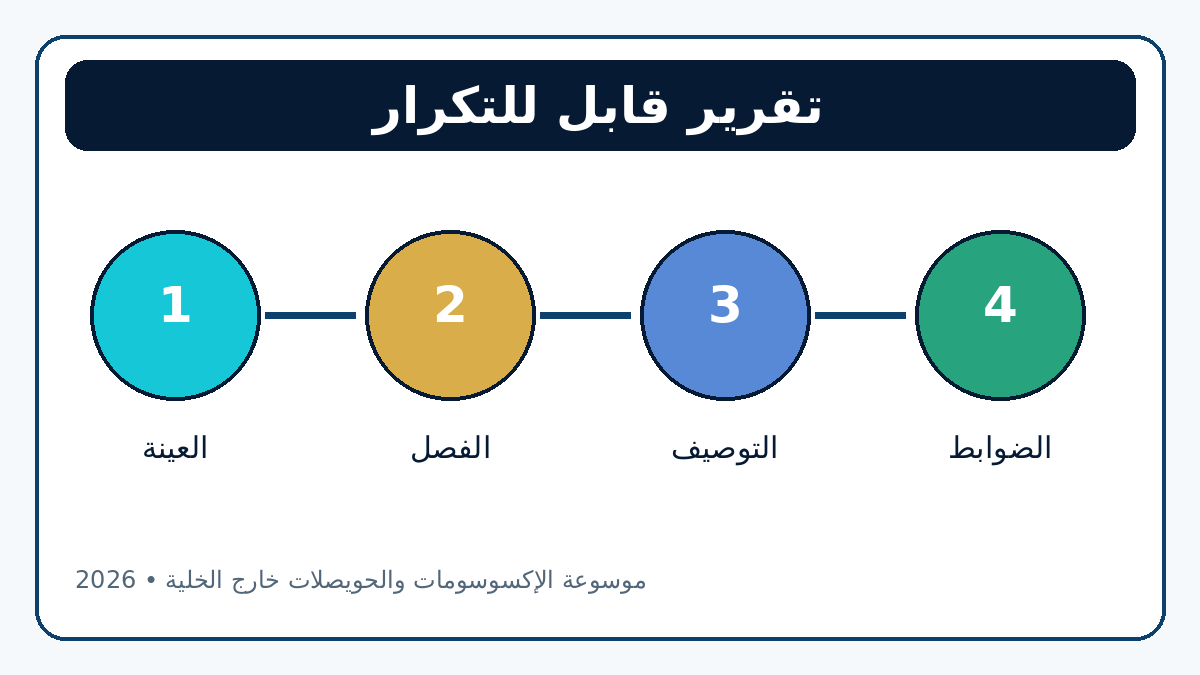
دليل عملي من جمع العينة إلى توصيف الحويصلات وضبط الجودة والتقرير القابل للتكرار.

المختبر: العينات والفصل والتوصيف

دليل عملي من جمع العينة إلى توصيف الحويصلات وضبط الجودة والتقرير القابل للتكرار.

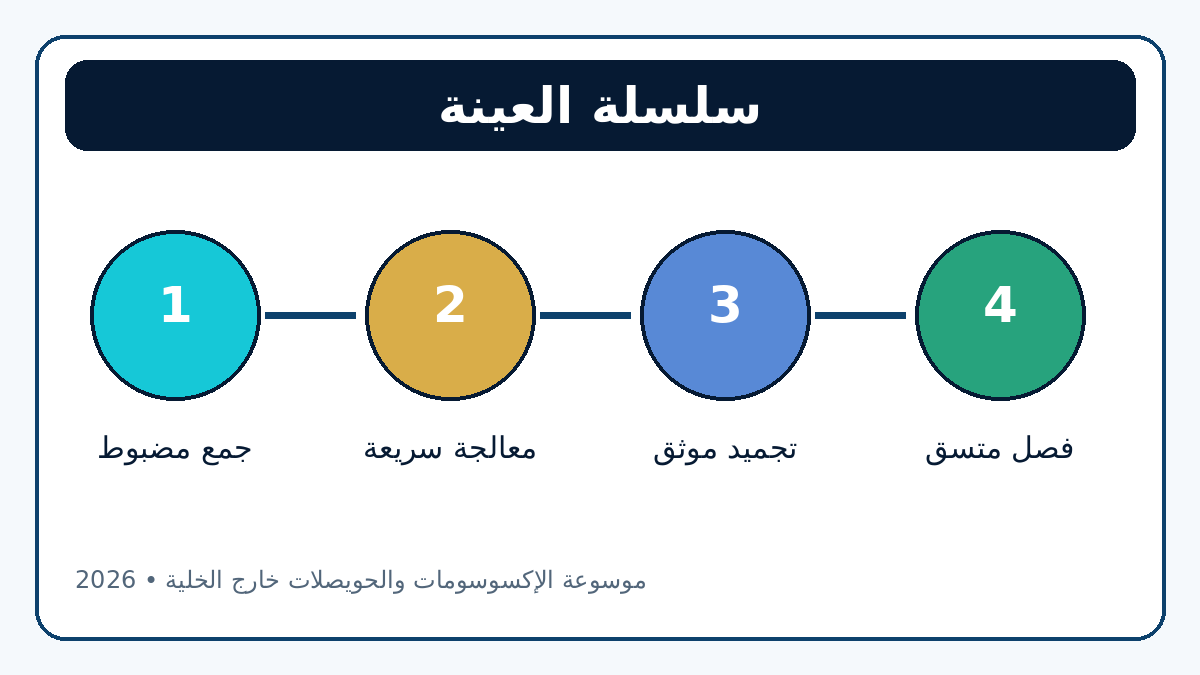
سلسلة ما قبل التحليل

تبدأ جودة النتيجة قبل خطوة الفصل. نوع أنبوب الجمع ووقت المعالجة ودرجة الحرارة وعدد دورات التجميد والذوبان ومكونات الوسط الخلوي كلها متغيرات قد تغير عدد الجسيمات وتركيبها. في عينات الدم ينبغي الانتباه إلى الصفائح الدموية والبروتينات الدهنية والتحلل الدموي.

جمع العينةالأنبوب والوقت
المعالجةإزالة الخلايا والحطام
الفصلطريقة أو أكثر
التوصيففيزيائي وكيميائي
الوظيفةضوابط وجرعات

مقارنة طرق الفصل

الطريقةالمبدأالقوةالقيدالاستخدام الأنسب
الطرد المركزي فائق السرعةالترسيب بقوى عاليةشائع ولا يحتاج كواشف خاصةتجمعات وملوثات واحتمال ضرر ميكانيكيالتحضير البحثي مع خطوات تنقية إضافية
الاستبعاد الحجمي SECفصل بحسب الحجم داخل عمودلطيف ويحافظ نسبيا على البنيةتخفيف العينة وتداخل بعض الجسيماتسوائل حيوية وتحاليل وظيفية
تدرج الكثافةالهجرة إلى كثافة طفونقاء أعلىزمن طويل وعائد أقلالتحليل الجزيئي الدقيق
الترشيح بالتدفق المماسياحتجاز حجمي عبر غشاءقابل للتوسعانسداد وفقد واعتماد على الغشاءالتصنيع والأحجام الكبيرة
الالتقاط المناعيأجسام مضادة لواسمات سطحيةإثراء فئة محددةتحيز للواسم وعدم سهولة الاسترجاعالتحليل النوعي والدراسات المستهدفة

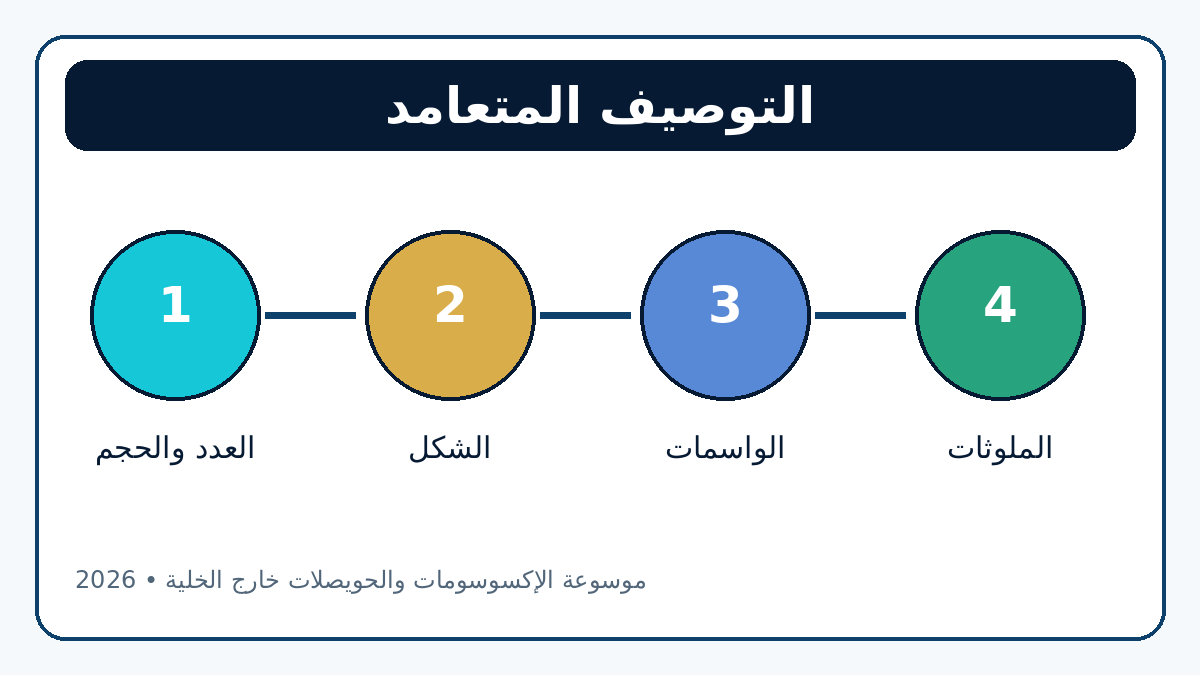
التوصيف المتعدد

لا تكفي أداة واحدة. يفضل الجمع بين قياس الجسيمات، والتصوير، وتحليل واسمات موجبة وسلبية، وتقدير الملوثات المشتركة. يجب الإبلاغ عن حدود القياس والمعايرة وإعدادات الجهاز.

العدد والحجم

NTA أو TRPS أو تقنيات بديلة مع ذكر حدود الكشف.

الشكل

مجهر إلكتروني أو تقنيات تصوير مناسبة مع تجنب تفسير تشوهات التجفيف.

الهوية والنقاء

مجموعات واسمات وبروتينات مرافقة بحسب المصدر وطريقة الفصل.

خطأ شائع: مقارنة «جرعة» بين تجارب مختلفة دون توحيد أساس القياس؛ فقد تُعبر الجرعة بعدد الجسيمات أو كمية البروتين أو حجم العينة، وهذه ليست قابلة للتبادل مباشرة.
24

النقاء والملوثات والضوابط

كيف نفصل أثر الحويصلة عن المواد المصاحبة.

مقالة علمية موسعة

النقاء والملوثات والضوابط

كيف نفصل أثر الحويصلة عن المواد المصاحبة.

لا يوجد نقاء مطلق

النقاء يعتمد على سؤال الدراسة. قد يكون التحضير مناسبا لوصف فيزيائي وغير مناسب لتجربة وظيفية.

ضوابط مهمة

وسط فارغ، كاشف فارغ، كسور غير حويصلية، إزالة الحويصلات، معالجة بمنظف أو بروتياز أو RNase بحسب الفرضية.

المقاييس

نسبة الجسيمات إلى البروتين مفيدة وصفيا لكنها ليست مقياسا مطلقا للنقاء.

أسئلة تحقق للباحث

  • هل وُصف مصدر العينة والمتغيرات السابقة للتحليل بوضوح؟
  • هل تتناسب طريقة الفصل والتوصيف مع سؤال الدراسة؟
  • هل توجد ضوابط تسمح بفصل أثر الحويصلات عن الملوثات؟
  • هل قُدمت حدود المنهج وعدم اليقين دون مبالغة؟
تنبيه: المحتوى تعليمي وبحثي، ولا يثبت فعالية علاج أو سلامته.

مراجع مختارة

  1. Minimal information for studies of extracellular vesicles 2023 (2024)

English abstract

النقاء والملوثات والضوابط — This article provides a research-oriented overview of the topic, emphasizing experimental design, analytical limits, transparent reporting, and the separation of preclinical findings from human clinical evidence.

25

قياس الجسيمات بـ NTA وTRPS

الحجم والتركيز وحدود القياس.

مقالة علمية موسعة

قياس الجسيمات بـ NTA وTRPS

الحجم والتركيز وحدود القياس.

في هذه المقالةNTATRPSالمقارنة

NTA

يتتبع الحركة البراونية ويحوّلها إلى تقدير للحجم، ويتأثر بإعدادات الكاميرا والعتبة واللزوجة والتخفيف.

TRPS

يقيس نبضات المقاومة عند عبور الجسيم مساما، ويحتاج معايرة وضبطا للمسام والضغط.

المقارنة

الأرقام ليست متطابقة بين الأجهزة أو الإعدادات؛ يجب ذكر حدود الكشف والمعايرة وتكرارات القياس.

أسئلة تحقق للباحث

  • هل وُصف مصدر العينة والمتغيرات السابقة للتحليل بوضوح؟
  • هل تتناسب طريقة الفصل والتوصيف مع سؤال الدراسة؟
  • هل توجد ضوابط تسمح بفصل أثر الحويصلات عن الملوثات؟
  • هل قُدمت حدود المنهج وعدم اليقين دون مبالغة؟
تنبيه: المحتوى تعليمي وبحثي، ولا يثبت فعالية علاج أو سلامته.

مراجع مختارة

  1. Minimal information for studies of extracellular vesicles 2023 (2024)

English abstract

قياس الجسيمات بـ NTA وTRPS — This article provides a research-oriented overview of the topic, emphasizing experimental design, analytical limits, transparent reporting, and the separation of preclinical findings from human clinical evidence.

الأوميكس والهندسة والتصنيع

15 مادة مرجعية؛ اضغط عنوان المقالة لفتح النص الكامل والمراجع والجداول.

26

الأوميكس والحمولة الجزيئية

مدخل إلى البروتيوم والليبيدوم وRNA والتحليل أحادي الحويصلة مع أهم مصادر الانحياز.

الأوميكس والحمولة الجزيئية

مدخل إلى البروتيوم والليبيدوم وRNA والتحليل أحادي الحويصلة مع أهم مصادر الانحياز.

لماذا الأوميكس صعبة في الحويصلات؟

الكمية القليلة والتغاير الشديد والملوثات المصاحبة تجعل الإشارة المقاسة مزيجا من محتوى حويصلي حقيقي وعناصر خارجية محتملة. لذلك يجب ربط طريقة الفصل بهدف التحليل وإجراء ضوابط للمصفوفة والكواشف.

البروتيوم

يتأثر ببروتينات البلازما والألبومين والغلوبولينات والبروتينات الدهنية.

RNA

يتأثر بالـRNA الخارجي والبروتينات الرابطة والصفائح والتحلل الخلوي.

الليبيدوم

يتداخل مع البروتينات الدهنية ويحتاج معايير داخلية وتحضيرا حذرا.

التحليل أحادي الحويصلة

يهدف إلى تجاوز المتوسطات المجمعة وكشف المجموعات الفرعية، لكنه يحتاج إلى تحقق من حدود الكشف والمعايرة واحتمال عد الجسيمات غير الحويصلية.

أفضل ممارسة: الإبلاغ عن بيانات الجودة الخام، وحدود القياس، واستراتيجية التطبيع، وقائمة الملوثات المحتملة، والتحقق بطريقة مستقلة.
27

الإبلاغ وقابلية إعادة التجربة

الحد الأدنى من المعلومات التي تسمح للآخرين بفهم الدراسة وتكرارها.

مقالة تخصصية • المنهجية

الإبلاغ وقابلية إعادة التجربة

الحد الأدنى من المعلومات التي تسمح للآخرين بفهم الدراسة وتكرارها.

الخلاصة العلمية

يشمل التقرير وصف المتبرعين والعينة والتخزين وطريقة الفصل والإعدادات والأجسام المضادة والبوابات والتحليلات والبيانات الخام. لا تعني هذه الروابط البيولوجية أن وجود الحويصلة يثبت السببية أو أن تغييرها سيحسن النتيجة السريرية؛ إذ يلزم فصل الملاحظة عن الآلية، ثم الانتقال من النماذج المخبرية والحيوانية إلى دراسات بشرية مصممة مسبقا.

رسالة أساسية: أفضل قراءة للمجال تجمع بين هوية العينة، طريقة الفصل، جودة التوصيف، مستوى الدليل، والسؤال السريري المحدد. لا يجوز مقارنة تحضيرين مختلفين على أنهما منتج واحد لمجرد تقارب الحجم.

الأساس البيولوجي

تُفرز الخلايا حويصلات تحمل بروتينات ودهونا وأنواعا من RNA ومكونات أخرى. تتحدد وظيفتها بحسب الخلية الأم وحالتها والبيئة المحيطة، ثم بحسب الخلية المستقبلة وطريق الالتقاط. لذلك قد تكون الحويصلة مؤشرا لحالة النسيج، أو وسيطا نشطا، أو مجرد مصاحب لعملية مرضية.

في هذا الموضوع تتركز المحاور على: ما قبل التحليل، إعدادات الأجهزة، الضوابط، التكرار، البيانات السلبية. ويجب دائما اختبار ما إذا كانت النتيجة ناتجة عن الحويصلات نفسها أو عن بروتينات ودهون وجسيمات مصاحبة، باستخدام ضوابط الإزالة والإضافة والمقارنة بكسور العينة المختلفة.

الواسمات والتطبيقات المحتملة

  • ما قبل التحليل
  • إعدادات الأجهزة
  • الضوابط
  • التكرار
  • البيانات السلبية

تطوير الواسم يبدأ بالاكتشاف ثم التحقق التحليلي، فالتحقق السريري في مجموعة مستقلة، ثم دراسة الفائدة السريرية. الأداء المرتفع في دراسة حالات وشواهد صغيرة لا يضمن نجاح الاختبار عند تطبيقه على مرضى متتابعين أو سكان منخفضي الخطورة.

العينات والمنصات

  • قوائم MISEV وEV-TRACK وإتاحة البروتوكولات والبيانات

ينبغي توثيق زمن الجمع، نوع الأنبوب، الطرد الأولي، عدد دورات التجميد، حجم العينة، كفاءة الاسترداد، وحدود الكشف. وفي الدم يجب الانتباه إلى الصفائح والبروتينات الدهنية، وفي البول إلى التخفيف ووظيفة الكلى، وفي سوائل الأنسجة إلى الإجراءات العلاجية المصاحبة.

تصميم بحث قوي

مرحلة الاكتشاف

سؤال محدد، مجموعات ضابطة طيفية، بروتوكول موحد، تحليل استكشافي مع ضبط تعدد المقارنات، وتسجيل كامل للبيانات السلبية.

مرحلة التحقق

مجموعة مستقلة، تحليل أعمى، عتبات محددة مسبقا، مقارنة بالمعيار السريري، ودراسة ما تضيفه الحويصلات فوق المؤشرات القائمة.

قائمة تحقق مختبرية

  • وصف المصدر والمتبرع والمتغيرات السابقة للتحليل.
  • تسمية المادة بحسب ما أثبتته التجربة، لا بحسب الافتراض.
  • استخدام طريقتين أو أكثر للتوصيف مع واسمات موجبة وسلبية.
  • الإبلاغ عن كفاءة الاسترداد والنقاء والجرعة بأكثر من مقام عند الحاجة.
  • إدراج ضوابط للمادة الحرة والكواشف والوسط والحويصلات المعطلة.
  • إتاحة البروتوكول والبيانات أو ما يكفي لإعادة التحليل.

قوة الدليل الحالية

1آلية خلوية
2نماذج حيوانية
3دراسات بشرية رصدية
4تجارب تدخلية
5فائدة سريرية معتمدة

التقييم المختصر: قوة الدليل ترتفع عندما تكون الطرق شفافة وقابلة للتدقيق. ويجب عدم استخدام كلمة «علاج» بمعناها السريري إلا عند وجود منتج محدد، جرعة محددة، تصنيع مضبوط، وتجربة بشرية كافية للفعالية والسلامة.

الفجوات البحثية

  • التباين بين طرق الجمع والفصل والتخزين والتطبيع.
  • ضعف التحقق الخارجي وتكرار استخدام مجموعات صغيرة منتقاة.
  • عدم كفاية ضوابط الملوثات والجسيمات غير الحويصلية.
  • الحاجة إلى قياس الفائدة السريرية، لا الدلالة الإحصائية وحدها.
  • غياب معايير قدرة حيوية موحدة للمنتجات العلاجية المختلفة.
تنبيه طبي وتنظيمي: المعلومات تعليمية وبحثية. لا تمثل توصية لتلقي منتج حويصلي أو حقن «إكسوسومات»، ولا تعني أن المنتج المسجل في تجربة سريرية معتمد أو فعال.

مراجع مختارة

  1. Minimal information for studies of extracellular vesicles 2023 (MISEV2023) (2024)
  2. EV-TRACK: transparent reporting and centralizing knowledge in extracellular vesicle research (2017)
  3. A critical systematic review of extracellular vesicle clinical trials (2024)

فتح بنك المراجع الموسع

English abstract

الإبلاغ وقابلية إعادة التجربة — This evidence-oriented article reviews biological rationale, biomarker development, experimental design, translational limitations, and the distinction between preclinical promise and validated human clinical utility.

28

البروتيوميات الحويصلية المتقدمة

تصميم دراسات البروتينات الحويصلية من التحضير إلى التحليل الإحصائي والتحقق المستقل.

مقالة تخصصية • الأوميكس

البروتيوميات الحويصلية المتقدمة

تصميم دراسات البروتينات الحويصلية من التحضير إلى التحليل الإحصائي والتحقق المستقل.

الخلاصة العلمية

يجب فصل الإشارة الحويصلية عن بروتينات البلازما والبروتينات الدهنية، مع توثيق كمية البدء وطريقة التحضير والضوابط. لا تعني هذه الروابط البيولوجية أن وجود الحويصلة يثبت السببية أو أن تغييرها سيحسن النتيجة السريرية؛ إذ يلزم فصل الملاحظة عن الآلية، ثم الانتقال من النماذج المخبرية والحيوانية إلى دراسات بشرية مصممة مسبقا.

رسالة أساسية: أفضل قراءة للمجال تجمع بين هوية العينة، طريقة الفصل، جودة التوصيف، مستوى الدليل، والسؤال السريري المحدد. لا يجوز مقارنة تحضيرين مختلفين على أنهما منتج واحد لمجرد تقارب الحجم.

الأساس البيولوجي

تُفرز الخلايا حويصلات تحمل بروتينات ودهونا وأنواعا من RNA ومكونات أخرى. تتحدد وظيفتها بحسب الخلية الأم وحالتها والبيئة المحيطة، ثم بحسب الخلية المستقبلة وطريق الالتقاط. لذلك قد تكون الحويصلة مؤشرا لحالة النسيج، أو وسيطا نشطا، أو مجرد مصاحب لعملية مرضية.

في هذا الموضوع تتركز المحاور على: اكتشاف الواسمات، البروتينات السطحية، التعديلات بعد الترجمة، شبكات المسارات. ويجب دائما اختبار ما إذا كانت النتيجة ناتجة عن الحويصلات نفسها أو عن بروتينات ودهون وجسيمات مصاحبة، باستخدام ضوابط الإزالة والإضافة والمقارنة بكسور العينة المختلفة.

الواسمات والتطبيقات المحتملة

  • اكتشاف الواسمات
  • البروتينات السطحية
  • التعديلات بعد الترجمة
  • شبكات المسارات

تطوير الواسم يبدأ بالاكتشاف ثم التحقق التحليلي، فالتحقق السريري في مجموعة مستقلة، ثم دراسة الفائدة السريرية. الأداء المرتفع في دراسة حالات وشواهد صغيرة لا يضمن نجاح الاختبار عند تطبيقه على مرضى متتابعين أو سكان منخفضي الخطورة.

العينات والمنصات

  • LC–MS/MS
  • DIA
  • TMT
  • التحليل المستهدف PRM/SRM

ينبغي توثيق زمن الجمع، نوع الأنبوب، الطرد الأولي، عدد دورات التجميد، حجم العينة، كفاءة الاسترداد، وحدود الكشف. وفي الدم يجب الانتباه إلى الصفائح والبروتينات الدهنية، وفي البول إلى التخفيف ووظيفة الكلى، وفي سوائل الأنسجة إلى الإجراءات العلاجية المصاحبة.

تصميم بحث قوي

مرحلة الاكتشاف

سؤال محدد، مجموعات ضابطة طيفية، بروتوكول موحد، تحليل استكشافي مع ضبط تعدد المقارنات، وتسجيل كامل للبيانات السلبية.

مرحلة التحقق

مجموعة مستقلة، تحليل أعمى، عتبات محددة مسبقا، مقارنة بالمعيار السريري، ودراسة ما تضيفه الحويصلات فوق المؤشرات القائمة.

قائمة تحقق مختبرية

  • وصف المصدر والمتبرع والمتغيرات السابقة للتحليل.
  • تسمية المادة بحسب ما أثبتته التجربة، لا بحسب الافتراض.
  • استخدام طريقتين أو أكثر للتوصيف مع واسمات موجبة وسلبية.
  • الإبلاغ عن كفاءة الاسترداد والنقاء والجرعة بأكثر من مقام عند الحاجة.
  • إدراج ضوابط للمادة الحرة والكواشف والوسط والحويصلات المعطلة.
  • إتاحة البروتوكول والبيانات أو ما يكفي لإعادة التحليل.

قوة الدليل الحالية

1آلية خلوية
2نماذج حيوانية
3دراسات بشرية رصدية
4تجارب تدخلية
5فائدة سريرية معتمدة

التقييم المختصر: الدراسات الاستكشافية كثيرة، أما التحقق السريري متعدد المراكز فأقل. ويجب عدم استخدام كلمة «علاج» بمعناها السريري إلا عند وجود منتج محدد، جرعة محددة، تصنيع مضبوط، وتجربة بشرية كافية للفعالية والسلامة.

الفجوات البحثية

  • التباين بين طرق الجمع والفصل والتخزين والتطبيع.
  • ضعف التحقق الخارجي وتكرار استخدام مجموعات صغيرة منتقاة.
  • عدم كفاية ضوابط الملوثات والجسيمات غير الحويصلية.
  • الحاجة إلى قياس الفائدة السريرية، لا الدلالة الإحصائية وحدها.
  • غياب معايير قدرة حيوية موحدة للمنتجات العلاجية المختلفة.
تنبيه طبي وتنظيمي: المعلومات تعليمية وبحثية. لا تمثل توصية لتلقي منتج حويصلي أو حقن «إكسوسومات»، ولا تعني أن المنتج المسجل في تجربة سريرية معتمد أو فعال.

مراجع مختارة

  1. Minimal information for studies of extracellular vesicles 2023 (MISEV2023) (2024)
  2. Exosomal biomarkers in cancer: insights from multi-OMIC approaches (2026)
  3. Extracellular vesicle proteins for early cancer diagnosis (2024)

فتح بنك المراجع الموسع

English abstract

البروتيوميات الحويصلية المتقدمة — This evidence-oriented article reviews biological rationale, biomarker development, experimental design, translational limitations, and the distinction between preclinical promise and validated human clinical utility.

29

التحليل أحادي الحويصلة

تقنيات تكشف عدم التجانس بدل الاكتفاء بمتوسط العينة الكلي.

مقالة تخصصية • التحليل

التحليل أحادي الحويصلة

تقنيات تكشف عدم التجانس بدل الاكتفاء بمتوسط العينة الكلي.

الخلاصة العلمية

قد تخفي القياسات المجمعة مجموعات نادرة ذات قيمة تشخيصية؛ لذلك تتجه المنصات إلى عدّ الحويصلات وقراءة الواسمات والحمولة على مستوى الجسيم الواحد. لا تعني هذه الروابط البيولوجية أن وجود الحويصلة يثبت السببية أو أن تغييرها سيحسن النتيجة السريرية؛ إذ يلزم فصل الملاحظة عن الآلية، ثم الانتقال من النماذج المخبرية والحيوانية إلى دراسات بشرية مصممة مسبقا.

رسالة أساسية: أفضل قراءة للمجال تجمع بين هوية العينة، طريقة الفصل، جودة التوصيف، مستوى الدليل، والسؤال السريري المحدد. لا يجوز مقارنة تحضيرين مختلفين على أنهما منتج واحد لمجرد تقارب الحجم.

الأساس البيولوجي

تُفرز الخلايا حويصلات تحمل بروتينات ودهونا وأنواعا من RNA ومكونات أخرى. تتحدد وظيفتها بحسب الخلية الأم وحالتها والبيئة المحيطة، ثم بحسب الخلية المستقبلة وطريق الالتقاط. لذلك قد تكون الحويصلة مؤشرا لحالة النسيج، أو وسيطا نشطا، أو مجرد مصاحب لعملية مرضية.

في هذا الموضوع تتركز المحاور على: عدم التجانس، الواسمات المشتركة، الأحداث النادرة، حدود الكشف. ويجب دائما اختبار ما إذا كانت النتيجة ناتجة عن الحويصلات نفسها أو عن بروتينات ودهون وجسيمات مصاحبة، باستخدام ضوابط الإزالة والإضافة والمقارنة بكسور العينة المختلفة.

الواسمات والتطبيقات المحتملة

  • عدم التجانس
  • الواسمات المشتركة
  • الأحداث النادرة
  • حدود الكشف

تطوير الواسم يبدأ بالاكتشاف ثم التحقق التحليلي، فالتحقق السريري في مجموعة مستقلة، ثم دراسة الفائدة السريرية. الأداء المرتفع في دراسة حالات وشواهد صغيرة لا يضمن نجاح الاختبار عند تطبيقه على مرضى متتابعين أو سكان منخفضي الخطورة.

العينات والمنصات

  • التدفق عالي الحساسية
  • التصوير فائق الدقة
  • الشرائح النانوية
  • Raman وSPR

ينبغي توثيق زمن الجمع، نوع الأنبوب، الطرد الأولي، عدد دورات التجميد، حجم العينة، كفاءة الاسترداد، وحدود الكشف. وفي الدم يجب الانتباه إلى الصفائح والبروتينات الدهنية، وفي البول إلى التخفيف ووظيفة الكلى، وفي سوائل الأنسجة إلى الإجراءات العلاجية المصاحبة.

تصميم بحث قوي

مرحلة الاكتشاف

سؤال محدد، مجموعات ضابطة طيفية، بروتوكول موحد، تحليل استكشافي مع ضبط تعدد المقارنات، وتسجيل كامل للبيانات السلبية.

مرحلة التحقق

مجموعة مستقلة، تحليل أعمى، عتبات محددة مسبقا، مقارنة بالمعيار السريري، ودراسة ما تضيفه الحويصلات فوق المؤشرات القائمة.

قائمة تحقق مختبرية

  • وصف المصدر والمتبرع والمتغيرات السابقة للتحليل.
  • تسمية المادة بحسب ما أثبتته التجربة، لا بحسب الافتراض.
  • استخدام طريقتين أو أكثر للتوصيف مع واسمات موجبة وسلبية.
  • الإبلاغ عن كفاءة الاسترداد والنقاء والجرعة بأكثر من مقام عند الحاجة.
  • إدراج ضوابط للمادة الحرة والكواشف والوسط والحويصلات المعطلة.
  • إتاحة البروتوكول والبيانات أو ما يكفي لإعادة التحليل.

قوة الدليل الحالية

1آلية خلوية
2نماذج حيوانية
3دراسات بشرية رصدية
4تجارب تدخلية
5فائدة سريرية معتمدة

التقييم المختصر: واعد للترجمة السريرية لكنه يحتاج معايرة بين المختبرات ومواد مرجعية. ويجب عدم استخدام كلمة «علاج» بمعناها السريري إلا عند وجود منتج محدد، جرعة محددة، تصنيع مضبوط، وتجربة بشرية كافية للفعالية والسلامة.

الفجوات البحثية

  • التباين بين طرق الجمع والفصل والتخزين والتطبيع.
  • ضعف التحقق الخارجي وتكرار استخدام مجموعات صغيرة منتقاة.
  • عدم كفاية ضوابط الملوثات والجسيمات غير الحويصلية.
  • الحاجة إلى قياس الفائدة السريرية، لا الدلالة الإحصائية وحدها.
  • غياب معايير قدرة حيوية موحدة للمنتجات العلاجية المختلفة.
تنبيه طبي وتنظيمي: المعلومات تعليمية وبحثية. لا تمثل توصية لتلقي منتج حويصلي أو حقن «إكسوسومات»، ولا تعني أن المنتج المسجل في تجربة سريرية معتمد أو فعال.

مراجع مختارة

  1. Innovations and challenges in single-vesicle analysis for clinical translation (2025)
  2. Minimal information for studies of extracellular vesicles 2023 (MISEV2023) (2024)
  3. EV-TRACK: transparent reporting and centralizing knowledge in extracellular vesicle research (2017)

فتح بنك المراجع الموسع

English abstract

التحليل أحادي الحويصلة — This evidence-oriented article reviews biological rationale, biomarker development, experimental design, translational limitations, and the distinction between preclinical promise and validated human clinical utility.

30

الترانسكريبتوميات وRNA الحويصلي

الـmRNA والـmicroRNA والـlncRNA والتحديات المتعلقة بالمدخل المنخفض والتلوث.

مقالة تخصصية • الأوميكس

الترانسكريبتوميات وRNA الحويصلي

الـmRNA والـmicroRNA والـlncRNA والتحديات المتعلقة بالمدخل المنخفض والتلوث.

الخلاصة العلمية

تعتمد النتيجة على استخلاص RNA، إزالة الحمض النووي، اختيار المكتبة، وطريقة التطبيع؛ وقد تتضخم آثار الجزيئات القليلة إذا لم تستخدم ضوابط داخلية وخارجية. لا تعني هذه الروابط البيولوجية أن وجود الحويصلة يثبت السببية أو أن تغييرها سيحسن النتيجة السريرية؛ إذ يلزم فصل الملاحظة عن الآلية، ثم الانتقال من النماذج المخبرية والحيوانية إلى دراسات بشرية مصممة مسبقا.

رسالة أساسية: أفضل قراءة للمجال تجمع بين هوية العينة، طريقة الفصل، جودة التوصيف، مستوى الدليل، والسؤال السريري المحدد. لا يجوز مقارنة تحضيرين مختلفين على أنهما منتج واحد لمجرد تقارب الحجم.

الأساس البيولوجي

تُفرز الخلايا حويصلات تحمل بروتينات ودهونا وأنواعا من RNA ومكونات أخرى. تتحدد وظيفتها بحسب الخلية الأم وحالتها والبيئة المحيطة، ثم بحسب الخلية المستقبلة وطريق الالتقاط. لذلك قد تكون الحويصلة مؤشرا لحالة النسيج، أو وسيطا نشطا، أو مجرد مصاحب لعملية مرضية.

في هذا الموضوع تتركز المحاور على: RNA القصير والطويل، التحيز في المكتبات، النسخ المتشظية، RNA المرتبط خارج الحويصلات. ويجب دائما اختبار ما إذا كانت النتيجة ناتجة عن الحويصلات نفسها أو عن بروتينات ودهون وجسيمات مصاحبة، باستخدام ضوابط الإزالة والإضافة والمقارنة بكسور العينة المختلفة.

الواسمات والتطبيقات المحتملة

  • RNA القصير والطويل
  • التحيز في المكتبات
  • النسخ المتشظية
  • RNA المرتبط خارج الحويصلات

تطوير الواسم يبدأ بالاكتشاف ثم التحقق التحليلي، فالتحقق السريري في مجموعة مستقلة، ثم دراسة الفائدة السريرية. الأداء المرتفع في دراسة حالات وشواهد صغيرة لا يضمن نجاح الاختبار عند تطبيقه على مرضى متتابعين أو سكان منخفضي الخطورة.

العينات والمنصات

  • small RNA-seq وtotal RNA-seq وddPCR والتحقق المستهدف

ينبغي توثيق زمن الجمع، نوع الأنبوب، الطرد الأولي، عدد دورات التجميد، حجم العينة، كفاءة الاسترداد، وحدود الكشف. وفي الدم يجب الانتباه إلى الصفائح والبروتينات الدهنية، وفي البول إلى التخفيف ووظيفة الكلى، وفي سوائل الأنسجة إلى الإجراءات العلاجية المصاحبة.

تصميم بحث قوي

مرحلة الاكتشاف

سؤال محدد، مجموعات ضابطة طيفية، بروتوكول موحد، تحليل استكشافي مع ضبط تعدد المقارنات، وتسجيل كامل للبيانات السلبية.

مرحلة التحقق

مجموعة مستقلة، تحليل أعمى، عتبات محددة مسبقا، مقارنة بالمعيار السريري، ودراسة ما تضيفه الحويصلات فوق المؤشرات القائمة.

قائمة تحقق مختبرية

  • وصف المصدر والمتبرع والمتغيرات السابقة للتحليل.
  • تسمية المادة بحسب ما أثبتته التجربة، لا بحسب الافتراض.
  • استخدام طريقتين أو أكثر للتوصيف مع واسمات موجبة وسلبية.
  • الإبلاغ عن كفاءة الاسترداد والنقاء والجرعة بأكثر من مقام عند الحاجة.
  • إدراج ضوابط للمادة الحرة والكواشف والوسط والحويصلات المعطلة.
  • إتاحة البروتوكول والبيانات أو ما يكفي لإعادة التحليل.

قوة الدليل الحالية

1آلية خلوية
2نماذج حيوانية
3دراسات بشرية رصدية
4تجارب تدخلية
5فائدة سريرية معتمدة

التقييم المختصر: إمكانات تشخيصية مرتفعة لكن التكرار بين المنصات والعينات ما زال تحديا. ويجب عدم استخدام كلمة «علاج» بمعناها السريري إلا عند وجود منتج محدد، جرعة محددة، تصنيع مضبوط، وتجربة بشرية كافية للفعالية والسلامة.

الفجوات البحثية

  • التباين بين طرق الجمع والفصل والتخزين والتطبيع.
  • ضعف التحقق الخارجي وتكرار استخدام مجموعات صغيرة منتقاة.
  • عدم كفاية ضوابط الملوثات والجسيمات غير الحويصلية.
  • الحاجة إلى قياس الفائدة السريرية، لا الدلالة الإحصائية وحدها.
  • غياب معايير قدرة حيوية موحدة للمنتجات العلاجية المختلفة.
تنبيه طبي وتنظيمي: المعلومات تعليمية وبحثية. لا تمثل توصية لتلقي منتج حويصلي أو حقن «إكسوسومات»، ولا تعني أن المنتج المسجل في تجربة سريرية معتمد أو فعال.

مراجع مختارة

  1. Minimal information for studies of extracellular vesicles 2023 (MISEV2023) (2024)
  2. Exosomal miRNA as biomarker in cancer diagnosis and prognosis (2024)
  3. RNA-containing extracellular vesicles in infection (2024)

فتح بنك المراجع الموسع

English abstract

الترانسكريبتوميات وRNA الحويصلي — This evidence-oriented article reviews biological rationale, biomarker development, experimental design, translational limitations, and the distinction between preclinical promise and validated human clinical utility.

31

التصنيع واسع النطاق وضبط الجودة

من بنك الخلايا إلى المفاعل الحيوي والفصل والتعبئة واختبارات الإطلاق.

مقالة تخصصية • التصنيع

التصنيع واسع النطاق وضبط الجودة

من بنك الخلايا إلى المفاعل الحيوي والفصل والتعبئة واختبارات الإطلاق.

الخلاصة العلمية

يجب ربط معلمات العملية بالهوية والنقاء والقدرة والثبات، مع التحكم في المواد الخام والوسط والمخاطر الميكروبية. لا تعني هذه الروابط البيولوجية أن وجود الحويصلة يثبت السببية أو أن تغييرها سيحسن النتيجة السريرية؛ إذ يلزم فصل الملاحظة عن الآلية، ثم الانتقال من النماذج المخبرية والحيوانية إلى دراسات بشرية مصممة مسبقا.

رسالة أساسية: أفضل قراءة للمجال تجمع بين هوية العينة، طريقة الفصل، جودة التوصيف، مستوى الدليل، والسؤال السريري المحدد. لا يجوز مقارنة تحضيرين مختلفين على أنهما منتج واحد لمجرد تقارب الحجم.

الأساس البيولوجي

تُفرز الخلايا حويصلات تحمل بروتينات ودهونا وأنواعا من RNA ومكونات أخرى. تتحدد وظيفتها بحسب الخلية الأم وحالتها والبيئة المحيطة، ثم بحسب الخلية المستقبلة وطريق الالتقاط. لذلك قد تكون الحويصلة مؤشرا لحالة النسيج، أو وسيطا نشطا، أو مجرد مصاحب لعملية مرضية.

في هذا الموضوع تتركز المحاور على: بنوك خلايا، مفاعلات، TFF وSEC، اختبارات الهوية والنقاء والقدرة. ويجب دائما اختبار ما إذا كانت النتيجة ناتجة عن الحويصلات نفسها أو عن بروتينات ودهون وجسيمات مصاحبة، باستخدام ضوابط الإزالة والإضافة والمقارنة بكسور العينة المختلفة.

الواسمات والتطبيقات المحتملة

  • بنوك خلايا
  • مفاعلات
  • TFF وSEC
  • اختبارات الهوية والنقاء والقدرة

تطوير الواسم يبدأ بالاكتشاف ثم التحقق التحليلي، فالتحقق السريري في مجموعة مستقلة، ثم دراسة الفائدة السريرية. الأداء المرتفع في دراسة حالات وشواهد صغيرة لا يضمن نجاح الاختبار عند تطبيقه على مرضى متتابعين أو سكان منخفضي الخطورة.

العينات والمنصات

  • تصميم جودة QbD
  • قبول الدفعة
  • انحرافات
  • ثبات وتسلسل تبريد

ينبغي توثيق زمن الجمع، نوع الأنبوب، الطرد الأولي، عدد دورات التجميد، حجم العينة، كفاءة الاسترداد، وحدود الكشف. وفي الدم يجب الانتباه إلى الصفائح والبروتينات الدهنية، وفي البول إلى التخفيف ووظيفة الكلى، وفي سوائل الأنسجة إلى الإجراءات العلاجية المصاحبة.

تصميم بحث قوي

مرحلة الاكتشاف

سؤال محدد، مجموعات ضابطة طيفية، بروتوكول موحد، تحليل استكشافي مع ضبط تعدد المقارنات، وتسجيل كامل للبيانات السلبية.

مرحلة التحقق

مجموعة مستقلة، تحليل أعمى، عتبات محددة مسبقا، مقارنة بالمعيار السريري، ودراسة ما تضيفه الحويصلات فوق المؤشرات القائمة.

قائمة تحقق مختبرية

  • وصف المصدر والمتبرع والمتغيرات السابقة للتحليل.
  • تسمية المادة بحسب ما أثبتته التجربة، لا بحسب الافتراض.
  • استخدام طريقتين أو أكثر للتوصيف مع واسمات موجبة وسلبية.
  • الإبلاغ عن كفاءة الاسترداد والنقاء والجرعة بأكثر من مقام عند الحاجة.
  • إدراج ضوابط للمادة الحرة والكواشف والوسط والحويصلات المعطلة.
  • إتاحة البروتوكول والبيانات أو ما يكفي لإعادة التحليل.

قوة الدليل الحالية

1آلية خلوية
2نماذج حيوانية
3دراسات بشرية رصدية
4تجارب تدخلية
5فائدة سريرية معتمدة

التقييم المختصر: المعايير تتطور ولا يوجد قالب واحد لجميع المنتجات. ويجب عدم استخدام كلمة «علاج» بمعناها السريري إلا عند وجود منتج محدد، جرعة محددة، تصنيع مضبوط، وتجربة بشرية كافية للفعالية والسلامة.

الفجوات البحثية

  • التباين بين طرق الجمع والفصل والتخزين والتطبيع.
  • ضعف التحقق الخارجي وتكرار استخدام مجموعات صغيرة منتقاة.
  • عدم كفاية ضوابط الملوثات والجسيمات غير الحويصلية.
  • الحاجة إلى قياس الفائدة السريرية، لا الدلالة الإحصائية وحدها.
  • غياب معايير قدرة حيوية موحدة للمنتجات العلاجية المختلفة.
تنبيه طبي وتنظيمي: المعلومات تعليمية وبحثية. لا تمثل توصية لتلقي منتج حويصلي أو حقن «إكسوسومات»، ولا تعني أن المنتج المسجل في تجربة سريرية معتمد أو فعال.

مراجع مختارة

  1. Advancements in extracellular vesicle biomanufacturing (2025)
  2. Microfluidic devices for manufacture of therapeutic extracellular vesicles (2025)
  3. A roadmap towards manufacturing extracellular vesicles for cardiac therapies (2024)

فتح بنك المراجع الموسع

English abstract

التصنيع واسع النطاق وضبط الجودة — This evidence-oriented article reviews biological rationale, biomarker development, experimental design, translational limitations, and the distinction between preclinical promise and validated human clinical utility.

32

التصنيع وضوابط CMC

الهوية والنقاء والقدرة الحيوية والتوسع.

مقالة علمية موسعة

التصنيع وضوابط CMC

الهوية والنقاء والقدرة الحيوية والتوسع.

المادة الأولية

تحتاج الخلايا المصدر والوسط والمصارف الخلوية والمواد الخام إلى مواصفات وتتبع.

عملية قابلة للضبط

يجب تعريف خطوات الإنتاج والفصل والتركيز والترشيح العقيم والتعبئة وحدود القبول.

إطلاق الدفعة

الهوية والنقاء والسلامة الميكروبية والقدرة الحيوية والاستقرار عناصر محورية، مع اختبار مرتبط بآلية متوقعة.

أسئلة تحقق للباحث

  • هل وُصف مصدر العينة والمتغيرات السابقة للتحليل بوضوح؟
  • هل تتناسب طريقة الفصل والتوصيف مع سؤال الدراسة؟
  • هل توجد ضوابط تسمح بفصل أثر الحويصلات عن الملوثات؟
  • هل قُدمت حدود المنهج وعدم اليقين دون مبالغة؟
تنبيه: المحتوى تعليمي وبحثي، ولا يثبت فعالية علاج أو سلامته.

مراجع مختارة

  1. Advancements in extracellular vesicles biomanufacturing (2025)
  2. SFDA Guideline on Classification of Advanced Therapy Medicinal Products (2023)
  3. SFDA GVP considerations for Advanced Therapy Medicinal Products (2026)

English abstract

التصنيع وضوابط CMC — This article provides a research-oriented overview of the topic, emphasizing experimental design, analytical limits, transparent reporting, and the separation of preclinical findings from human clinical evidence.

33

التطبيع والقياس الكمي

كيف تُقارن العينات دون الوقوع في فخ عدد الجسيمات أو كمية البروتين وحدهما.

مقالة تخصصية • المنهجية

التطبيع والقياس الكمي

كيف تُقارن العينات دون الوقوع في فخ عدد الجسيمات أو كمية البروتين وحدهما.

الخلاصة العلمية

لا يوجد مقام تطبيع واحد صالح لكل سؤال؛ وقد يكون الأنسب حجم العينة الأصلي أو عدد الخلايا أو الزمن أو البروتين أو الجسيمات مع الإبلاغ المتعدد. لا تعني هذه الروابط البيولوجية أن وجود الحويصلة يثبت السببية أو أن تغييرها سيحسن النتيجة السريرية؛ إذ يلزم فصل الملاحظة عن الآلية، ثم الانتقال من النماذج المخبرية والحيوانية إلى دراسات بشرية مصممة مسبقا.

رسالة أساسية: أفضل قراءة للمجال تجمع بين هوية العينة، طريقة الفصل، جودة التوصيف، مستوى الدليل، والسؤال السريري المحدد. لا يجوز مقارنة تحضيرين مختلفين على أنهما منتج واحد لمجرد تقارب الحجم.

الأساس البيولوجي

تُفرز الخلايا حويصلات تحمل بروتينات ودهونا وأنواعا من RNA ومكونات أخرى. تتحدد وظيفتها بحسب الخلية الأم وحالتها والبيئة المحيطة، ثم بحسب الخلية المستقبلة وطريق الالتقاط. لذلك قد تكون الحويصلة مؤشرا لحالة النسيج، أو وسيطا نشطا، أو مجرد مصاحب لعملية مرضية.

في هذا الموضوع تتركز المحاور على: الجسيمات لكل مل، البروتين لكل جسيم، الجرعة لكل خلية، الاسترداد والكفاءة. ويجب دائما اختبار ما إذا كانت النتيجة ناتجة عن الحويصلات نفسها أو عن بروتينات ودهون وجسيمات مصاحبة، باستخدام ضوابط الإزالة والإضافة والمقارنة بكسور العينة المختلفة.

الواسمات والتطبيقات المحتملة

  • الجسيمات لكل مل
  • البروتين لكل جسيم
  • الجرعة لكل خلية
  • الاسترداد والكفاءة

تطوير الواسم يبدأ بالاكتشاف ثم التحقق التحليلي، فالتحقق السريري في مجموعة مستقلة، ثم دراسة الفائدة السريرية. الأداء المرتفع في دراسة حالات وشواهد صغيرة لا يضمن نجاح الاختبار عند تطبيقه على مرضى متتابعين أو سكان منخفضي الخطورة.

العينات والمنصات

  • منحنيات معيارية
  • مواد مرجعية
  • تخفيفات متسلسلة
  • حدود الكشف والكمية

ينبغي توثيق زمن الجمع، نوع الأنبوب، الطرد الأولي، عدد دورات التجميد، حجم العينة، كفاءة الاسترداد، وحدود الكشف. وفي الدم يجب الانتباه إلى الصفائح والبروتينات الدهنية، وفي البول إلى التخفيف ووظيفة الكلى، وفي سوائل الأنسجة إلى الإجراءات العلاجية المصاحبة.

تصميم بحث قوي

مرحلة الاكتشاف

سؤال محدد، مجموعات ضابطة طيفية، بروتوكول موحد، تحليل استكشافي مع ضبط تعدد المقارنات، وتسجيل كامل للبيانات السلبية.

مرحلة التحقق

مجموعة مستقلة، تحليل أعمى، عتبات محددة مسبقا، مقارنة بالمعيار السريري، ودراسة ما تضيفه الحويصلات فوق المؤشرات القائمة.

قائمة تحقق مختبرية

  • وصف المصدر والمتبرع والمتغيرات السابقة للتحليل.
  • تسمية المادة بحسب ما أثبتته التجربة، لا بحسب الافتراض.
  • استخدام طريقتين أو أكثر للتوصيف مع واسمات موجبة وسلبية.
  • الإبلاغ عن كفاءة الاسترداد والنقاء والجرعة بأكثر من مقام عند الحاجة.
  • إدراج ضوابط للمادة الحرة والكواشف والوسط والحويصلات المعطلة.
  • إتاحة البروتوكول والبيانات أو ما يكفي لإعادة التحليل.

قوة الدليل الحالية

1آلية خلوية
2نماذج حيوانية
3دراسات بشرية رصدية
4تجارب تدخلية
5فائدة سريرية معتمدة

التقييم المختصر: التوصيات توافقية، لكن المعيار الأمثل يعتمد على التصميم والمنصة. ويجب عدم استخدام كلمة «علاج» بمعناها السريري إلا عند وجود منتج محدد، جرعة محددة، تصنيع مضبوط، وتجربة بشرية كافية للفعالية والسلامة.

الفجوات البحثية

  • التباين بين طرق الجمع والفصل والتخزين والتطبيع.
  • ضعف التحقق الخارجي وتكرار استخدام مجموعات صغيرة منتقاة.
  • عدم كفاية ضوابط الملوثات والجسيمات غير الحويصلية.
  • الحاجة إلى قياس الفائدة السريرية، لا الدلالة الإحصائية وحدها.
  • غياب معايير قدرة حيوية موحدة للمنتجات العلاجية المختلفة.
تنبيه طبي وتنظيمي: المعلومات تعليمية وبحثية. لا تمثل توصية لتلقي منتج حويصلي أو حقن «إكسوسومات»، ولا تعني أن المنتج المسجل في تجربة سريرية معتمد أو فعال.

مراجع مختارة

  1. Minimal information for studies of extracellular vesicles 2023 (MISEV2023) (2024)
  2. EV-TRACK: transparent reporting and centralizing knowledge in extracellular vesicle research (2017)
  3. Innovations and challenges in single-vesicle analysis for clinical translation (2025)

فتح بنك المراجع الموسع

English abstract

التطبيع والقياس الكمي — This evidence-oriented article reviews biological rationale, biomarker development, experimental design, translational limitations, and the distinction between preclinical promise and validated human clinical utility.

34

التعديل المناعي بالحويصلات

كيف يمكن للحويصلات تنشيط المناعة أو كبحها بحسب المصدر والسياق.

مقالة تخصصية • المناعة

التعديل المناعي بالحويصلات

كيف يمكن للحويصلات تنشيط المناعة أو كبحها بحسب المصدر والسياق.

الخلاصة العلمية

لا تُوصف الحويصلات بأنها مضادة للالتهاب بصورة مطلقة؛ فالمصدر وحالة الخلية والجرعة والمستقبل تحدد الاتجاه. لا تعني هذه الروابط البيولوجية أن وجود الحويصلة يثبت السببية أو أن تغييرها سيحسن النتيجة السريرية؛ إذ يلزم فصل الملاحظة عن الآلية، ثم الانتقال من النماذج المخبرية والحيوانية إلى دراسات بشرية مصممة مسبقا.

رسالة أساسية: أفضل قراءة للمجال تجمع بين هوية العينة، طريقة الفصل، جودة التوصيف، مستوى الدليل، والسؤال السريري المحدد. لا يجوز مقارنة تحضيرين مختلفين على أنهما منتج واحد لمجرد تقارب الحجم.

الأساس البيولوجي

تُفرز الخلايا حويصلات تحمل بروتينات ودهونا وأنواعا من RNA ومكونات أخرى. تتحدد وظيفتها بحسب الخلية الأم وحالتها والبيئة المحيطة، ثم بحسب الخلية المستقبلة وطريق الالتقاط. لذلك قد تكون الحويصلة مؤشرا لحالة النسيج، أو وسيطا نشطا، أو مجرد مصاحب لعملية مرضية.

في هذا الموضوع تتركز المحاور على: البلعميات والخلايا التائية والمتغصنة والمتممة والسيتوكينات. ويجب دائما اختبار ما إذا كانت النتيجة ناتجة عن الحويصلات نفسها أو عن بروتينات ودهون وجسيمات مصاحبة، باستخدام ضوابط الإزالة والإضافة والمقارنة بكسور العينة المختلفة.

الواسمات والتطبيقات المحتملة

  • البلعميات والخلايا التائية والمتغصنة والمتممة والسيتوكينات

تطوير الواسم يبدأ بالاكتشاف ثم التحقق التحليلي، فالتحقق السريري في مجموعة مستقلة، ثم دراسة الفائدة السريرية. الأداء المرتفع في دراسة حالات وشواهد صغيرة لا يضمن نجاح الاختبار عند تطبيقه على مرضى متتابعين أو سكان منخفضي الخطورة.

العينات والمنصات

  • اختبارات متعددة الخلايا
  • ضوابط ملوثة
  • نماذج مرضية
  • قياس جرعة-استجابة

ينبغي توثيق زمن الجمع، نوع الأنبوب، الطرد الأولي، عدد دورات التجميد، حجم العينة، كفاءة الاسترداد، وحدود الكشف. وفي الدم يجب الانتباه إلى الصفائح والبروتينات الدهنية، وفي البول إلى التخفيف ووظيفة الكلى، وفي سوائل الأنسجة إلى الإجراءات العلاجية المصاحبة.

تصميم بحث قوي

مرحلة الاكتشاف

سؤال محدد، مجموعات ضابطة طيفية، بروتوكول موحد، تحليل استكشافي مع ضبط تعدد المقارنات، وتسجيل كامل للبيانات السلبية.

مرحلة التحقق

مجموعة مستقلة، تحليل أعمى، عتبات محددة مسبقا، مقارنة بالمعيار السريري، ودراسة ما تضيفه الحويصلات فوق المؤشرات القائمة.

قائمة تحقق مختبرية

  • وصف المصدر والمتبرع والمتغيرات السابقة للتحليل.
  • تسمية المادة بحسب ما أثبتته التجربة، لا بحسب الافتراض.
  • استخدام طريقتين أو أكثر للتوصيف مع واسمات موجبة وسلبية.
  • الإبلاغ عن كفاءة الاسترداد والنقاء والجرعة بأكثر من مقام عند الحاجة.
  • إدراج ضوابط للمادة الحرة والكواشف والوسط والحويصلات المعطلة.
  • إتاحة البروتوكول والبيانات أو ما يكفي لإعادة التحليل.

قوة الدليل الحالية

1آلية خلوية
2نماذج حيوانية
3دراسات بشرية رصدية
4تجارب تدخلية
5فائدة سريرية معتمدة

التقييم المختصر: الآليات قبل السريرية قوية، والترجمة تحتاج تعريف قدرة حيوية واضح. ويجب عدم استخدام كلمة «علاج» بمعناها السريري إلا عند وجود منتج محدد، جرعة محددة، تصنيع مضبوط، وتجربة بشرية كافية للفعالية والسلامة.

الفجوات البحثية

  • التباين بين طرق الجمع والفصل والتخزين والتطبيع.
  • ضعف التحقق الخارجي وتكرار استخدام مجموعات صغيرة منتقاة.
  • عدم كفاية ضوابط الملوثات والجسيمات غير الحويصلية.
  • الحاجة إلى قياس الفائدة السريرية، لا الدلالة الإحصائية وحدها.
  • غياب معايير قدرة حيوية موحدة للمنتجات العلاجية المختلفة.
تنبيه طبي وتنظيمي: المعلومات تعليمية وبحثية. لا تمثل توصية لتلقي منتج حويصلي أو حقن «إكسوسومات»، ولا تعني أن المنتج المسجل في تجربة سريرية معتمد أو فعال.

مراجع مختارة

  1. Modulating the immune system towards functional wound healing with extracellular vesicles (2024)
  2. Extracellular vesicles and endothelial dysfunction in infectious diseases (2024)
  3. Extracellular vesicles in cancer: challenges and opportunities (2024)

فتح بنك المراجع الموسع

English abstract

التعديل المناعي بالحويصلات — This evidence-oriented article reviews biological rationale, biomarker development, experimental design, translational limitations, and the distinction between preclinical promise and validated human clinical utility.

35

الحويصلات كمنصات لتوصيل الدواء

تحميل الأدوية وRNA والبروتينات والاستهداف مع موازنة الكفاءة والسلامة.

مقالة تخصصية • الهندسة

الحويصلات كمنصات لتوصيل الدواء

تحميل الأدوية وRNA والبروتينات والاستهداف مع موازنة الكفاءة والسلامة.

الخلاصة العلمية

قد يغير التحميل الغشاء والحمولة الأصلية، وقد تكون المادة الحرة أو المذيلات مسؤولة عن الأثر إذا لم تستخدم ضوابط فصل مناسبة. لا تعني هذه الروابط البيولوجية أن وجود الحويصلة يثبت السببية أو أن تغييرها سيحسن النتيجة السريرية؛ إذ يلزم فصل الملاحظة عن الآلية، ثم الانتقال من النماذج المخبرية والحيوانية إلى دراسات بشرية مصممة مسبقا.

رسالة أساسية: أفضل قراءة للمجال تجمع بين هوية العينة، طريقة الفصل، جودة التوصيف، مستوى الدليل، والسؤال السريري المحدد. لا يجوز مقارنة تحضيرين مختلفين على أنهما منتج واحد لمجرد تقارب الحجم.

الأساس البيولوجي

تُفرز الخلايا حويصلات تحمل بروتينات ودهونا وأنواعا من RNA ومكونات أخرى. تتحدد وظيفتها بحسب الخلية الأم وحالتها والبيئة المحيطة، ثم بحسب الخلية المستقبلة وطريق الالتقاط. لذلك قد تكون الحويصلة مؤشرا لحالة النسيج، أو وسيطا نشطا، أو مجرد مصاحب لعملية مرضية.

في هذا الموضوع تتركز المحاور على: تحميل سلبي ونشط، تعديل سطحي، استهداف نسيجي، إطلاق مضبوط. ويجب دائما اختبار ما إذا كانت النتيجة ناتجة عن الحويصلات نفسها أو عن بروتينات ودهون وجسيمات مصاحبة، باستخدام ضوابط الإزالة والإضافة والمقارنة بكسور العينة المختلفة.

الواسمات والتطبيقات المحتملة

  • تحميل سلبي ونشط
  • تعديل سطحي
  • استهداف نسيجي
  • إطلاق مضبوط

تطوير الواسم يبدأ بالاكتشاف ثم التحقق التحليلي، فالتحقق السريري في مجموعة مستقلة، ثم دراسة الفائدة السريرية. الأداء المرتفع في دراسة حالات وشواهد صغيرة لا يضمن نجاح الاختبار عند تطبيقه على مرضى متتابعين أو سكان منخفضي الخطورة.

العينات والمنصات

  • قياس كفاءة التحميل
  • الدواء الحر
  • الثبات
  • التوزع الحيوي
  • السمية

ينبغي توثيق زمن الجمع، نوع الأنبوب، الطرد الأولي، عدد دورات التجميد، حجم العينة، كفاءة الاسترداد، وحدود الكشف. وفي الدم يجب الانتباه إلى الصفائح والبروتينات الدهنية، وفي البول إلى التخفيف ووظيفة الكلى، وفي سوائل الأنسجة إلى الإجراءات العلاجية المصاحبة.

تصميم بحث قوي

مرحلة الاكتشاف

سؤال محدد، مجموعات ضابطة طيفية، بروتوكول موحد، تحليل استكشافي مع ضبط تعدد المقارنات، وتسجيل كامل للبيانات السلبية.

مرحلة التحقق

مجموعة مستقلة، تحليل أعمى، عتبات محددة مسبقا، مقارنة بالمعيار السريري، ودراسة ما تضيفه الحويصلات فوق المؤشرات القائمة.

قائمة تحقق مختبرية

  • وصف المصدر والمتبرع والمتغيرات السابقة للتحليل.
  • تسمية المادة بحسب ما أثبتته التجربة، لا بحسب الافتراض.
  • استخدام طريقتين أو أكثر للتوصيف مع واسمات موجبة وسلبية.
  • الإبلاغ عن كفاءة الاسترداد والنقاء والجرعة بأكثر من مقام عند الحاجة.
  • إدراج ضوابط للمادة الحرة والكواشف والوسط والحويصلات المعطلة.
  • إتاحة البروتوكول والبيانات أو ما يكفي لإعادة التحليل.

قوة الدليل الحالية

1آلية خلوية
2نماذج حيوانية
3دراسات بشرية رصدية
4تجارب تدخلية
5فائدة سريرية معتمدة

التقييم المختصر: الدليل قبل السريري واسع، أما المنتجات المعتمدة فمحدودة للغاية. ويجب عدم استخدام كلمة «علاج» بمعناها السريري إلا عند وجود منتج محدد، جرعة محددة، تصنيع مضبوط، وتجربة بشرية كافية للفعالية والسلامة.

الفجوات البحثية

  • التباين بين طرق الجمع والفصل والتخزين والتطبيع.
  • ضعف التحقق الخارجي وتكرار استخدام مجموعات صغيرة منتقاة.
  • عدم كفاية ضوابط الملوثات والجسيمات غير الحويصلية.
  • الحاجة إلى قياس الفائدة السريرية، لا الدلالة الإحصائية وحدها.
  • غياب معايير قدرة حيوية موحدة للمنتجات العلاجية المختلفة.
تنبيه طبي وتنظيمي: المعلومات تعليمية وبحثية. لا تمثل توصية لتلقي منتج حويصلي أو حقن «إكسوسومات»، ولا تعني أن المنتج المسجل في تجربة سريرية معتمد أو فعال.

مراجع مختارة

  1. Extracellular Vesicles: a comprehensive review of biology and translation (2026)
  2. A systematic review and meta-analysis of clinical trials assessing extracellular vesicle therapies (2024)
  3. Minimal information for studies of extracellular vesicles 2023 (MISEV2023) (2024)

فتح بنك المراجع الموسع

English abstract

الحويصلات كمنصات لتوصيل الدواء — This evidence-oriented article reviews biological rationale, biomarker development, experimental design, translational limitations, and the distinction between preclinical promise and validated human clinical utility.

36

الحويصلات ومنصات اللقاحات

عرض المستضدات والحويصلات البكتيرية والهندسة المناعية ومخاطر التنشيط الزائد.

مقالة تخصصية • المناعة

الحويصلات ومنصات اللقاحات

عرض المستضدات والحويصلات البكتيرية والهندسة المناعية ومخاطر التنشيط الزائد.

الخلاصة العلمية

قد تجمع الحويصلات بين المستضد ومحفزات مناعية، لكن التجانس والجرعة والسمية والملوثات قضايا مركزية. لا تعني هذه الروابط البيولوجية أن وجود الحويصلة يثبت السببية أو أن تغييرها سيحسن النتيجة السريرية؛ إذ يلزم فصل الملاحظة عن الآلية، ثم الانتقال من النماذج المخبرية والحيوانية إلى دراسات بشرية مصممة مسبقا.

رسالة أساسية: أفضل قراءة للمجال تجمع بين هوية العينة، طريقة الفصل، جودة التوصيف، مستوى الدليل، والسؤال السريري المحدد. لا يجوز مقارنة تحضيرين مختلفين على أنهما منتج واحد لمجرد تقارب الحجم.

الأساس البيولوجي

تُفرز الخلايا حويصلات تحمل بروتينات ودهونا وأنواعا من RNA ومكونات أخرى. تتحدد وظيفتها بحسب الخلية الأم وحالتها والبيئة المحيطة، ثم بحسب الخلية المستقبلة وطريق الالتقاط. لذلك قد تكون الحويصلة مؤشرا لحالة النسيج، أو وسيطا نشطا، أو مجرد مصاحب لعملية مرضية.

في هذا الموضوع تتركز المحاور على: حويصلات خلايا متغصنة، حويصلات غشائية خارجية، عرض مستضد. ويجب دائما اختبار ما إذا كانت النتيجة ناتجة عن الحويصلات نفسها أو عن بروتينات ودهون وجسيمات مصاحبة، باستخدام ضوابط الإزالة والإضافة والمقارنة بكسور العينة المختلفة.

الواسمات والتطبيقات المحتملة

  • حويصلات خلايا متغصنة
  • حويصلات غشائية خارجية
  • عرض مستضد

تطوير الواسم يبدأ بالاكتشاف ثم التحقق التحليلي، فالتحقق السريري في مجموعة مستقلة، ثم دراسة الفائدة السريرية. الأداء المرتفع في دراسة حالات وشواهد صغيرة لا يضمن نجاح الاختبار عند تطبيقه على مرضى متتابعين أو سكان منخفضي الخطورة.

العينات والمنصات

  • اختبارات المناعة الخلطية والخلوية
  • السمية
  • الاتساق بين الدفعات

ينبغي توثيق زمن الجمع، نوع الأنبوب، الطرد الأولي، عدد دورات التجميد، حجم العينة، كفاءة الاسترداد، وحدود الكشف. وفي الدم يجب الانتباه إلى الصفائح والبروتينات الدهنية، وفي البول إلى التخفيف ووظيفة الكلى، وفي سوائل الأنسجة إلى الإجراءات العلاجية المصاحبة.

تصميم بحث قوي

مرحلة الاكتشاف

سؤال محدد، مجموعات ضابطة طيفية، بروتوكول موحد، تحليل استكشافي مع ضبط تعدد المقارنات، وتسجيل كامل للبيانات السلبية.

مرحلة التحقق

مجموعة مستقلة، تحليل أعمى، عتبات محددة مسبقا، مقارنة بالمعيار السريري، ودراسة ما تضيفه الحويصلات فوق المؤشرات القائمة.

قائمة تحقق مختبرية

  • وصف المصدر والمتبرع والمتغيرات السابقة للتحليل.
  • تسمية المادة بحسب ما أثبتته التجربة، لا بحسب الافتراض.
  • استخدام طريقتين أو أكثر للتوصيف مع واسمات موجبة وسلبية.
  • الإبلاغ عن كفاءة الاسترداد والنقاء والجرعة بأكثر من مقام عند الحاجة.
  • إدراج ضوابط للمادة الحرة والكواشف والوسط والحويصلات المعطلة.
  • إتاحة البروتوكول والبيانات أو ما يكفي لإعادة التحليل.

قوة الدليل الحالية

1آلية خلوية
2نماذج حيوانية
3دراسات بشرية رصدية
4تجارب تدخلية
5فائدة سريرية معتمدة

التقييم المختصر: هناك خبرة في منصات قريبة، لكن كل منتج يحتاج إثباتا مستقلا. ويجب عدم استخدام كلمة «علاج» بمعناها السريري إلا عند وجود منتج محدد، جرعة محددة، تصنيع مضبوط، وتجربة بشرية كافية للفعالية والسلامة.

الفجوات البحثية

  • التباين بين طرق الجمع والفصل والتخزين والتطبيع.
  • ضعف التحقق الخارجي وتكرار استخدام مجموعات صغيرة منتقاة.
  • عدم كفاية ضوابط الملوثات والجسيمات غير الحويصلية.
  • الحاجة إلى قياس الفائدة السريرية، لا الدلالة الإحصائية وحدها.
  • غياب معايير قدرة حيوية موحدة للمنتجات العلاجية المختلفة.
تنبيه طبي وتنظيمي: المعلومات تعليمية وبحثية. لا تمثل توصية لتلقي منتج حويصلي أو حقن «إكسوسومات»، ولا تعني أن المنتج المسجل في تجربة سريرية معتمد أو فعال.

مراجع مختارة

  1. RNA-containing extracellular vesicles in infection (2024)
  2. Minimal information for studies of extracellular vesicles 2023 (MISEV2023) (2024)
  3. A systematic review and meta-analysis of clinical trials assessing extracellular vesicle therapies (2024)

فتح بنك المراجع الموسع

English abstract

الحويصلات ومنصات اللقاحات — This evidence-oriented article reviews biological rationale, biomarker development, experimental design, translational limitations, and the distinction between preclinical promise and validated human clinical utility.

37

الليبيدوميات وغشاء الحويصلة

الدهون ليست غلافا خاملا؛ بل تؤثر في التكوين والاندماج والثبات والإشارة.

مقالة تخصصية • الأوميكس

الليبيدوميات وغشاء الحويصلة

الدهون ليست غلافا خاملا؛ بل تؤثر في التكوين والاندماج والثبات والإشارة.

الخلاصة العلمية

تختلف بصمة السفينغوليبيدات والكوليسترول والفوسفوليبيدات بحسب الخلية والحالة المرضية وطريقة الفصل، وقد تتداخل بشدة مع البروتينات الدهنية. لا تعني هذه الروابط البيولوجية أن وجود الحويصلة يثبت السببية أو أن تغييرها سيحسن النتيجة السريرية؛ إذ يلزم فصل الملاحظة عن الآلية، ثم الانتقال من النماذج المخبرية والحيوانية إلى دراسات بشرية مصممة مسبقا.

رسالة أساسية: أفضل قراءة للمجال تجمع بين هوية العينة، طريقة الفصل، جودة التوصيف، مستوى الدليل، والسؤال السريري المحدد. لا يجوز مقارنة تحضيرين مختلفين على أنهما منتج واحد لمجرد تقارب الحجم.

الأساس البيولوجي

تُفرز الخلايا حويصلات تحمل بروتينات ودهونا وأنواعا من RNA ومكونات أخرى. تتحدد وظيفتها بحسب الخلية الأم وحالتها والبيئة المحيطة، ثم بحسب الخلية المستقبلة وطريق الالتقاط. لذلك قد تكون الحويصلة مؤشرا لحالة النسيج، أو وسيطا نشطا، أو مجرد مصاحب لعملية مرضية.

في هذا الموضوع تتركز المحاور على: السيراميد، السفينغوميلين، الفوسفatidylserine، الكوليسترول، الوسطاء الدهنيون. ويجب دائما اختبار ما إذا كانت النتيجة ناتجة عن الحويصلات نفسها أو عن بروتينات ودهون وجسيمات مصاحبة، باستخدام ضوابط الإزالة والإضافة والمقارنة بكسور العينة المختلفة.

الواسمات والتطبيقات المحتملة

  • السيراميد
  • السفينغوميلين
  • الفوسفatidylserine
  • الكوليسترول
  • الوسطاء الدهنيون

تطوير الواسم يبدأ بالاكتشاف ثم التحقق التحليلي، فالتحقق السريري في مجموعة مستقلة، ثم دراسة الفائدة السريرية. الأداء المرتفع في دراسة حالات وشواهد صغيرة لا يضمن نجاح الاختبار عند تطبيقه على مرضى متتابعين أو سكان منخفضي الخطورة.

العينات والمنصات

  • LC–MS وshotgun lipidomics ومعايير داخلية نظيرية

ينبغي توثيق زمن الجمع، نوع الأنبوب، الطرد الأولي، عدد دورات التجميد، حجم العينة، كفاءة الاسترداد، وحدود الكشف. وفي الدم يجب الانتباه إلى الصفائح والبروتينات الدهنية، وفي البول إلى التخفيف ووظيفة الكلى، وفي سوائل الأنسجة إلى الإجراءات العلاجية المصاحبة.

تصميم بحث قوي

مرحلة الاكتشاف

سؤال محدد، مجموعات ضابطة طيفية، بروتوكول موحد، تحليل استكشافي مع ضبط تعدد المقارنات، وتسجيل كامل للبيانات السلبية.

مرحلة التحقق

مجموعة مستقلة، تحليل أعمى، عتبات محددة مسبقا، مقارنة بالمعيار السريري، ودراسة ما تضيفه الحويصلات فوق المؤشرات القائمة.

قائمة تحقق مختبرية

  • وصف المصدر والمتبرع والمتغيرات السابقة للتحليل.
  • تسمية المادة بحسب ما أثبتته التجربة، لا بحسب الافتراض.
  • استخدام طريقتين أو أكثر للتوصيف مع واسمات موجبة وسلبية.
  • الإبلاغ عن كفاءة الاسترداد والنقاء والجرعة بأكثر من مقام عند الحاجة.
  • إدراج ضوابط للمادة الحرة والكواشف والوسط والحويصلات المعطلة.
  • إتاحة البروتوكول والبيانات أو ما يكفي لإعادة التحليل.

قوة الدليل الحالية

1آلية خلوية
2نماذج حيوانية
3دراسات بشرية رصدية
4تجارب تدخلية
5فائدة سريرية معتمدة

التقييم المختصر: مجال سريع النمو، مع حاجة إلى ضوابط صارمة للتلوث الدهني. ويجب عدم استخدام كلمة «علاج» بمعناها السريري إلا عند وجود منتج محدد، جرعة محددة، تصنيع مضبوط، وتجربة بشرية كافية للفعالية والسلامة.

الفجوات البحثية

  • التباين بين طرق الجمع والفصل والتخزين والتطبيع.
  • ضعف التحقق الخارجي وتكرار استخدام مجموعات صغيرة منتقاة.
  • عدم كفاية ضوابط الملوثات والجسيمات غير الحويصلية.
  • الحاجة إلى قياس الفائدة السريرية، لا الدلالة الإحصائية وحدها.
  • غياب معايير قدرة حيوية موحدة للمنتجات العلاجية المختلفة.
تنبيه طبي وتنظيمي: المعلومات تعليمية وبحثية. لا تمثل توصية لتلقي منتج حويصلي أو حقن «إكسوسومات»، ولا تعني أن المنتج المسجل في تجربة سريرية معتمد أو فعال.

مراجع مختارة

  1. Mechanisms and clinical applications of exosomal lipids (2026)
  2. Minimal information for studies of extracellular vesicles 2023 (MISEV2023) (2024)
  3. Exosomal biomarkers in cancer: insights from multi-OMIC approaches (2026)

فتح بنك المراجع الموسع

English abstract

الليبيدوميات وغشاء الحويصلة — This evidence-oriented article reviews biological rationale, biomarker development, experimental design, translational limitations, and the distinction between preclinical promise and validated human clinical utility.

38

المشهد التنظيمي للحويصلات العلاجية

تصنيف المنتج ومتطلبات الجودة وغير السريرية والسريرية واليقظة الدوائية.

مقالة تخصصية • التنظيم

المشهد التنظيمي للحويصلات العلاجية

تصنيف المنتج ومتطلبات الجودة وغير السريرية والسريرية واليقظة الدوائية.

الخلاصة العلمية

يتحدد المسار بحسب المصدر والتعديل والاستطباب وطريقة الإعطاء والادعاء؛ ولا يكفي وصف المنتج بأنه طبيعي أو خال من الخلايا. لا تعني هذه الروابط البيولوجية أن وجود الحويصلة يثبت السببية أو أن تغييرها سيحسن النتيجة السريرية؛ إذ يلزم فصل الملاحظة عن الآلية، ثم الانتقال من النماذج المخبرية والحيوانية إلى دراسات بشرية مصممة مسبقا.

رسالة أساسية: أفضل قراءة للمجال تجمع بين هوية العينة، طريقة الفصل، جودة التوصيف، مستوى الدليل، والسؤال السريري المحدد. لا يجوز مقارنة تحضيرين مختلفين على أنهما منتج واحد لمجرد تقارب الحجم.

الأساس البيولوجي

تُفرز الخلايا حويصلات تحمل بروتينات ودهونا وأنواعا من RNA ومكونات أخرى. تتحدد وظيفتها بحسب الخلية الأم وحالتها والبيئة المحيطة، ثم بحسب الخلية المستقبلة وطريق الالتقاط. لذلك قد تكون الحويصلة مؤشرا لحالة النسيج، أو وسيطا نشطا، أو مجرد مصاحب لعملية مرضية.

في هذا الموضوع تتركز المحاور على: هوية المنتج، سلامة المتبرع، الشوائب، القدرة، التوزع الحيوي، المناعة والورمية. ويجب دائما اختبار ما إذا كانت النتيجة ناتجة عن الحويصلات نفسها أو عن بروتينات ودهون وجسيمات مصاحبة، باستخدام ضوابط الإزالة والإضافة والمقارنة بكسور العينة المختلفة.

الواسمات والتطبيقات المحتملة

  • هوية المنتج
  • سلامة المتبرع
  • الشوائب
  • القدرة
  • التوزع الحيوي
  • المناعة والورمية

تطوير الواسم يبدأ بالاكتشاف ثم التحقق التحليلي، فالتحقق السريري في مجموعة مستقلة، ثم دراسة الفائدة السريرية. الأداء المرتفع في دراسة حالات وشواهد صغيرة لا يضمن نجاح الاختبار عند تطبيقه على مرضى متتابعين أو سكان منخفضي الخطورة.

العينات والمنصات

  • حزمة CMC
  • دراسات سمية
  • بروتوكول سريري
  • متابعة طويلة الأمد

ينبغي توثيق زمن الجمع، نوع الأنبوب، الطرد الأولي، عدد دورات التجميد، حجم العينة، كفاءة الاسترداد، وحدود الكشف. وفي الدم يجب الانتباه إلى الصفائح والبروتينات الدهنية، وفي البول إلى التخفيف ووظيفة الكلى، وفي سوائل الأنسجة إلى الإجراءات العلاجية المصاحبة.

تصميم بحث قوي

مرحلة الاكتشاف

سؤال محدد، مجموعات ضابطة طيفية، بروتوكول موحد، تحليل استكشافي مع ضبط تعدد المقارنات، وتسجيل كامل للبيانات السلبية.

مرحلة التحقق

مجموعة مستقلة، تحليل أعمى، عتبات محددة مسبقا، مقارنة بالمعيار السريري، ودراسة ما تضيفه الحويصلات فوق المؤشرات القائمة.

قائمة تحقق مختبرية

  • وصف المصدر والمتبرع والمتغيرات السابقة للتحليل.
  • تسمية المادة بحسب ما أثبتته التجربة، لا بحسب الافتراض.
  • استخدام طريقتين أو أكثر للتوصيف مع واسمات موجبة وسلبية.
  • الإبلاغ عن كفاءة الاسترداد والنقاء والجرعة بأكثر من مقام عند الحاجة.
  • إدراج ضوابط للمادة الحرة والكواشف والوسط والحويصلات المعطلة.
  • إتاحة البروتوكول والبيانات أو ما يكفي لإعادة التحليل.

قوة الدليل الحالية

1آلية خلوية
2نماذج حيوانية
3دراسات بشرية رصدية
4تجارب تدخلية
5فائدة سريرية معتمدة

التقييم المختصر: لا توجد موافقة عامة لفئة الإكسوسومات؛ كل منتج يخضع لتقييم مستقل. ويجب عدم استخدام كلمة «علاج» بمعناها السريري إلا عند وجود منتج محدد، جرعة محددة، تصنيع مضبوط، وتجربة بشرية كافية للفعالية والسلامة.

الفجوات البحثية

  • التباين بين طرق الجمع والفصل والتخزين والتطبيع.
  • ضعف التحقق الخارجي وتكرار استخدام مجموعات صغيرة منتقاة.
  • عدم كفاية ضوابط الملوثات والجسيمات غير الحويصلية.
  • الحاجة إلى قياس الفائدة السريرية، لا الدلالة الإحصائية وحدها.
  • غياب معايير قدرة حيوية موحدة للمنتجات العلاجية المختلفة.
تنبيه طبي وتنظيمي: المعلومات تعليمية وبحثية. لا تمثل توصية لتلقي منتج حويصلي أو حقن «إكسوسومات»، ولا تعني أن المنتج المسجل في تجربة سريرية معتمد أو فعال.

مراجع مختارة

  1. A systematic review and meta-analysis of clinical trials assessing extracellular vesicle therapies (2024)
  2. A critical systematic review of extracellular vesicle clinical trials (2024)
  3. Trends in mesenchymal stem cell-derived extracellular vesicle clinical trials 2014–2024 (2025)

فتح بنك المراجع الموسع

English abstract

المشهد التنظيمي للحويصلات العلاجية — This evidence-oriented article reviews biological rationale, biomarker development, experimental design, translational limitations, and the distinction between preclinical promise and validated human clinical utility.

39

الميتابولوميات والحمولة الأيضية

تحليل المستقلبات الصغيرة داخل الحويصلات وعلى سطحها وعلاقتها بحالة الخلية الأم.

مقالة تخصصية • الأوميكس

الميتابولوميات والحمولة الأيضية

تحليل المستقلبات الصغيرة داخل الحويصلات وعلى سطحها وعلاقتها بحالة الخلية الأم.

الخلاصة العلمية

تتأثر المستقلبات بالزمن والحرارة والوسط وعمليات الغسل، ويصعب التمييز بين الحمولة الداخلية والمواد المصاحبة دون تجارب حماية وهضم. لا تعني هذه الروابط البيولوجية أن وجود الحويصلة يثبت السببية أو أن تغييرها سيحسن النتيجة السريرية؛ إذ يلزم فصل الملاحظة عن الآلية، ثم الانتقال من النماذج المخبرية والحيوانية إلى دراسات بشرية مصممة مسبقا.

رسالة أساسية: أفضل قراءة للمجال تجمع بين هوية العينة، طريقة الفصل، جودة التوصيف، مستوى الدليل، والسؤال السريري المحدد. لا يجوز مقارنة تحضيرين مختلفين على أنهما منتج واحد لمجرد تقارب الحجم.

الأساس البيولوجي

تُفرز الخلايا حويصلات تحمل بروتينات ودهونا وأنواعا من RNA ومكونات أخرى. تتحدد وظيفتها بحسب الخلية الأم وحالتها والبيئة المحيطة، ثم بحسب الخلية المستقبلة وطريق الالتقاط. لذلك قد تكون الحويصلة مؤشرا لحالة النسيج، أو وسيطا نشطا، أو مجرد مصاحب لعملية مرضية.

في هذا الموضوع تتركز المحاور على: الأحماض الأمينية، النيوكليوتيدات، الأحماض الدهنية، وسطاء الأكسدة. ويجب دائما اختبار ما إذا كانت النتيجة ناتجة عن الحويصلات نفسها أو عن بروتينات ودهون وجسيمات مصاحبة، باستخدام ضوابط الإزالة والإضافة والمقارنة بكسور العينة المختلفة.

الواسمات والتطبيقات المحتملة

  • الأحماض الأمينية
  • النيوكليوتيدات
  • الأحماض الدهنية
  • وسطاء الأكسدة

تطوير الواسم يبدأ بالاكتشاف ثم التحقق التحليلي، فالتحقق السريري في مجموعة مستقلة، ثم دراسة الفائدة السريرية. الأداء المرتفع في دراسة حالات وشواهد صغيرة لا يضمن نجاح الاختبار عند تطبيقه على مرضى متتابعين أو سكان منخفضي الخطورة.

العينات والمنصات

  • LC–MS وGC–MS وNMR مع عينات فارغة وضوابط عملية

ينبغي توثيق زمن الجمع، نوع الأنبوب، الطرد الأولي، عدد دورات التجميد، حجم العينة، كفاءة الاسترداد، وحدود الكشف. وفي الدم يجب الانتباه إلى الصفائح والبروتينات الدهنية، وفي البول إلى التخفيف ووظيفة الكلى، وفي سوائل الأنسجة إلى الإجراءات العلاجية المصاحبة.

تصميم بحث قوي

مرحلة الاكتشاف

سؤال محدد، مجموعات ضابطة طيفية، بروتوكول موحد، تحليل استكشافي مع ضبط تعدد المقارنات، وتسجيل كامل للبيانات السلبية.

مرحلة التحقق

مجموعة مستقلة، تحليل أعمى، عتبات محددة مسبقا، مقارنة بالمعيار السريري، ودراسة ما تضيفه الحويصلات فوق المؤشرات القائمة.

قائمة تحقق مختبرية

  • وصف المصدر والمتبرع والمتغيرات السابقة للتحليل.
  • تسمية المادة بحسب ما أثبتته التجربة، لا بحسب الافتراض.
  • استخدام طريقتين أو أكثر للتوصيف مع واسمات موجبة وسلبية.
  • الإبلاغ عن كفاءة الاسترداد والنقاء والجرعة بأكثر من مقام عند الحاجة.
  • إدراج ضوابط للمادة الحرة والكواشف والوسط والحويصلات المعطلة.
  • إتاحة البروتوكول والبيانات أو ما يكفي لإعادة التحليل.

قوة الدليل الحالية

1آلية خلوية
2نماذج حيوانية
3دراسات بشرية رصدية
4تجارب تدخلية
5فائدة سريرية معتمدة

التقييم المختصر: البيانات البشرية ما زالت محدودة مقارنة بالبروتيوم وRNA. ويجب عدم استخدام كلمة «علاج» بمعناها السريري إلا عند وجود منتج محدد، جرعة محددة، تصنيع مضبوط، وتجربة بشرية كافية للفعالية والسلامة.

الفجوات البحثية

  • التباين بين طرق الجمع والفصل والتخزين والتطبيع.
  • ضعف التحقق الخارجي وتكرار استخدام مجموعات صغيرة منتقاة.
  • عدم كفاية ضوابط الملوثات والجسيمات غير الحويصلية.
  • الحاجة إلى قياس الفائدة السريرية، لا الدلالة الإحصائية وحدها.
  • غياب معايير قدرة حيوية موحدة للمنتجات العلاجية المختلفة.
تنبيه طبي وتنظيمي: المعلومات تعليمية وبحثية. لا تمثل توصية لتلقي منتج حويصلي أو حقن «إكسوسومات»، ولا تعني أن المنتج المسجل في تجربة سريرية معتمد أو فعال.

مراجع مختارة

  1. Minimal information for studies of extracellular vesicles 2023 (MISEV2023) (2024)
  2. Extracellular Vesicles: a comprehensive review of biology and translation (2026)
  3. Exosomal biomarkers in cancer: insights from multi-OMIC approaches (2026)

فتح بنك المراجع الموسع

English abstract

الميتابولوميات والحمولة الأيضية — This evidence-oriented article reviews biological rationale, biomarker development, experimental design, translational limitations, and the distinction between preclinical promise and validated human clinical utility.

40

الهندسة والتوصيل والتصنيع

مفاهيم تحميل الحمولة والاستهداف والتعديل السطحي والتوسع التصنيعي وضبط الدفعات.

الهندسة والتوصيل والتصنيع

مفاهيم تحميل الحمولة والاستهداف والتعديل السطحي والتوسع التصنيعي وضبط الدفعات.

استراتيجيات الهندسة

هندسة الخلية المنتجة

تعديل الخلية لتعبير حمولة أو واسم استهداف قبل الإفراز.

التحميل بعد العزل

استخدام الحضانة أو النفاذية أو تقنيات فيزيائية مع خطر فقد البنية أو التكتل.

التعديل السطحي

إضافة روابط أو جزيئات استهداف مع ضرورة قياس الكفاءة والاتجاه.

سلسلة التصنيع

بنك خلاياهوية وسلامة
زراعةوسط وعوامل نمو
حصادتوقيت وشروط
تنقيةقابلية للتوسع
إطلاق الدفعةهوية ونقاء وقدرة

اختبارات إطلاق الدفعة

  • الهوية والخصائص الفيزيائية.
  • النقاء والشوائب وبقايا الخلايا والكواشف.
  • العقم والسموم الداخلية والميكوبلازما.
  • اختبار قدرة حيوية مرتبط بآلية العمل المقترحة.
  • الثبات والتخزين والنقل ودورات التجميد والذوبان.

الأطلس الطبي والتخصصات

54 مادة مرجعية؛ اضغط عنوان المقالة لفتح النص الكامل والمراجع والجداول.

41

أطلس أمراض الدم

تشكل حويصلات الصفائح وكريات الدم ومشتقاتها جزءا مهما من الدوران، وقد تؤثر في التخثر والالتهاب.

أطلس أمراض الدم

تشكل حويصلات الصفائح وكريات الدم ومشتقاتها جزءا مهما من الدوران، وقد تؤثر في التخثر والالتهاب.

تشكل حويصلات الصفائح وكريات الدم ومشتقاتها جزءا مهما من الدوران، وقد تؤثر في التخثر والالتهاب.

الصفائح

يعرض هذا المحور الآلية المفترضة ونوع العينة وطرق القياس وأهم القيود قبل الانتقال إلى أي استنتاج سريري.

التخثر

يعرض هذا المحور الآلية المفترضة ونوع العينة وطرق القياس وأهم القيود قبل الانتقال إلى أي استنتاج سريري.

التحلل الدموي

يعرض هذا المحور الآلية المفترضة ونوع العينة وطرق القياس وأهم القيود قبل الانتقال إلى أي استنتاج سريري.

الأورام الدموية

يعرض هذا المحور الآلية المفترضة ونوع العينة وطرق القياس وأهم القيود قبل الانتقال إلى أي استنتاج سريري.

كيف تقرأ الدليل في هذا التخصص؟

Aدراسات بشرية قوية ومتكررة
Bدليل بشري أولي أو تشخيصي
Cدليل حيواني
Dدليل خلوي أو فرضية
لا تُعرض أي فائدة علاجية بوصفها ممارسة معيارية ما لم تكن مدعومة بتجارب بشرية مناسبة ومراجعة تنظيمية واعتماد للمنتج والاستطباب.

أسئلة البحث ذات الأولوية

  • هل تم تعريف مجموعة الحويصلات ووصف طريقة الفصل والتوصيف؟
  • هل توجد مجموعة تحقق مستقلة أو دراسة متعددة المراكز؟
  • هل النتيجة سريرية ذات معنى أم مجرد تغير في واسم مختبري؟
  • هل أبلغت الدراسة عن الآثار الضارة والمتابعة؟
42

أطلس الأعصاب

تُبحث الحويصلات في التواصل العصبي والدبقي ونقل الحمولة عبر الحاجز الدموي الدماغي، مع اهتمام باضطرابات التنكس والسكتة والإصابة.

أطلس الأعصاب

تُبحث الحويصلات في التواصل العصبي والدبقي ونقل الحمولة عبر الحاجز الدموي الدماغي، مع اهتمام باضطرابات التنكس والسكتة والإصابة.

تُبحث الحويصلات في التواصل العصبي والدبقي ونقل الحمولة عبر الحاجز الدموي الدماغي، مع اهتمام باضطرابات التنكس والسكتة والإصابة.

الواسمات العصبية

يعرض هذا المحور الآلية المفترضة ونوع العينة وطرق القياس وأهم القيود قبل الانتقال إلى أي استنتاج سريري.

الحاجز الدموي الدماغي

يعرض هذا المحور الآلية المفترضة ونوع العينة وطرق القياس وأهم القيود قبل الانتقال إلى أي استنتاج سريري.

السكتة والتعافي

يعرض هذا المحور الآلية المفترضة ونوع العينة وطرق القياس وأهم القيود قبل الانتقال إلى أي استنتاج سريري.

التنكس العصبي

يعرض هذا المحور الآلية المفترضة ونوع العينة وطرق القياس وأهم القيود قبل الانتقال إلى أي استنتاج سريري.

كيف تقرأ الدليل في هذا التخصص؟

Aدراسات بشرية قوية ومتكررة
Bدليل بشري أولي أو تشخيصي
Cدليل حيواني
Dدليل خلوي أو فرضية
لا تُعرض أي فائدة علاجية بوصفها ممارسة معيارية ما لم تكن مدعومة بتجارب بشرية مناسبة ومراجعة تنظيمية واعتماد للمنتج والاستطباب.

أسئلة البحث ذات الأولوية

  • هل تم تعريف مجموعة الحويصلات ووصف طريقة الفصل والتوصيف؟
  • هل توجد مجموعة تحقق مستقلة أو دراسة متعددة المراكز؟
  • هل النتيجة سريرية ذات معنى أم مجرد تغير في واسم مختبري؟
  • هل أبلغت الدراسة عن الآثار الضارة والمتابعة؟
43

أطلس الأمراض المعدية

قد تستخدم العوامل الممرضة مسارات الحويصلات أو تغيرها، كما قد تنقل الحويصلات إشارات مناعية مضادة للعدوى.

أطلس الأمراض المعدية

قد تستخدم العوامل الممرضة مسارات الحويصلات أو تغيرها، كما قد تنقل الحويصلات إشارات مناعية مضادة للعدوى.

قد تستخدم العوامل الممرضة مسارات الحويصلات أو تغيرها، كما قد تنقل الحويصلات إشارات مناعية مضادة للعدوى.

الفيروسات

يعرض هذا المحور الآلية المفترضة ونوع العينة وطرق القياس وأهم القيود قبل الانتقال إلى أي استنتاج سريري.

البكتيريا

يعرض هذا المحور الآلية المفترضة ونوع العينة وطرق القياس وأهم القيود قبل الانتقال إلى أي استنتاج سريري.

المناعة الفطرية

يعرض هذا المحور الآلية المفترضة ونوع العينة وطرق القياس وأهم القيود قبل الانتقال إلى أي استنتاج سريري.

اللقاحات البحثية

يعرض هذا المحور الآلية المفترضة ونوع العينة وطرق القياس وأهم القيود قبل الانتقال إلى أي استنتاج سريري.

كيف تقرأ الدليل في هذا التخصص؟

Aدراسات بشرية قوية ومتكررة
Bدليل بشري أولي أو تشخيصي
Cدليل حيواني
Dدليل خلوي أو فرضية
لا تُعرض أي فائدة علاجية بوصفها ممارسة معيارية ما لم تكن مدعومة بتجارب بشرية مناسبة ومراجعة تنظيمية واعتماد للمنتج والاستطباب.

أسئلة البحث ذات الأولوية

  • هل تم تعريف مجموعة الحويصلات ووصف طريقة الفصل والتوصيف؟
  • هل توجد مجموعة تحقق مستقلة أو دراسة متعددة المراكز؟
  • هل النتيجة سريرية ذات معنى أم مجرد تغير في واسم مختبري؟
  • هل أبلغت الدراسة عن الآثار الضارة والمتابعة؟
44

أطلس الأمراض النادرة

قد تكون الحويصلات مصدرا لمؤشرات قليلة التدخل، لكن صغر العينات والتغاير ونقص التحقق المستقل تحديات رئيسية.

أطلس الأمراض النادرة

قد تكون الحويصلات مصدرا لمؤشرات قليلة التدخل، لكن صغر العينات والتغاير ونقص التحقق المستقل تحديات رئيسية.

قد تكون الحويصلات مصدرا لمؤشرات قليلة التدخل، لكن صغر العينات والتغاير ونقص التحقق المستقل تحديات رئيسية.

تصميم الدراسات

يعرض هذا المحور الآلية المفترضة ونوع العينة وطرق القياس وأهم القيود قبل الانتقال إلى أي استنتاج سريري.

العينات الصغيرة

يعرض هذا المحور الآلية المفترضة ونوع العينة وطرق القياس وأهم القيود قبل الانتقال إلى أي استنتاج سريري.

التحقق الخارجي

يعرض هذا المحور الآلية المفترضة ونوع العينة وطرق القياس وأهم القيود قبل الانتقال إلى أي استنتاج سريري.

الشراكات متعددة المراكز

يعرض هذا المحور الآلية المفترضة ونوع العينة وطرق القياس وأهم القيود قبل الانتقال إلى أي استنتاج سريري.

كيف تقرأ الدليل في هذا التخصص؟

Aدراسات بشرية قوية ومتكررة
Bدليل بشري أولي أو تشخيصي
Cدليل حيواني
Dدليل خلوي أو فرضية
لا تُعرض أي فائدة علاجية بوصفها ممارسة معيارية ما لم تكن مدعومة بتجارب بشرية مناسبة ومراجعة تنظيمية واعتماد للمنتج والاستطباب.

أسئلة البحث ذات الأولوية

  • هل تم تعريف مجموعة الحويصلات ووصف طريقة الفصل والتوصيف؟
  • هل توجد مجموعة تحقق مستقلة أو دراسة متعددة المراكز؟
  • هل النتيجة سريرية ذات معنى أم مجرد تغير في واسم مختبري؟
  • هل أبلغت الدراسة عن الآثار الضارة والمتابعة؟
45

أطلس الأورام

تسهم الحويصلات الورمية في تعديل البيئة الدقيقة ونقل جزيئات مرتبطة بالغزو والمناعة والمقاومة. ويجري بحثها كمصدر للخزعة السائلة وكمركبات توصيل دوائي.

أطلس الأورام

تسهم الحويصلات الورمية في تعديل البيئة الدقيقة ونقل جزيئات مرتبطة بالغزو والمناعة والمقاومة. ويجري بحثها كمصدر للخزعة السائلة وكمركبات توصيل دوائي.

تسهم الحويصلات الورمية في تعديل البيئة الدقيقة ونقل جزيئات مرتبطة بالغزو والمناعة والمقاومة. ويجري بحثها كمصدر للخزعة السائلة وكمركبات توصيل دوائي.

منشأ الورم والبيئة الدقيقة

يعرض هذا المحور الآلية المفترضة ونوع العينة وطرق القياس وأهم القيود قبل الانتقال إلى أي استنتاج سريري.

المؤشرات في الدم والبول

يعرض هذا المحور الآلية المفترضة ونوع العينة وطرق القياس وأهم القيود قبل الانتقال إلى أي استنتاج سريري.

المقاومة الدوائية

يعرض هذا المحور الآلية المفترضة ونوع العينة وطرق القياس وأهم القيود قبل الانتقال إلى أي استنتاج سريري.

المناعة المضادة للورم

يعرض هذا المحور الآلية المفترضة ونوع العينة وطرق القياس وأهم القيود قبل الانتقال إلى أي استنتاج سريري.

كيف تقرأ الدليل في هذا التخصص؟

Aدراسات بشرية قوية ومتكررة
Bدليل بشري أولي أو تشخيصي
Cدليل حيواني
Dدليل خلوي أو فرضية
لا تُعرض أي فائدة علاجية بوصفها ممارسة معيارية ما لم تكن مدعومة بتجارب بشرية مناسبة ومراجعة تنظيمية واعتماد للمنتج والاستطباب.

أسئلة البحث ذات الأولوية

  • هل تم تعريف مجموعة الحويصلات ووصف طريقة الفصل والتوصيف؟
  • هل توجد مجموعة تحقق مستقلة أو دراسة متعددة المراكز؟
  • هل النتيجة سريرية ذات معنى أم مجرد تغير في واسم مختبري؟
  • هل أبلغت الدراسة عن الآثار الضارة والمتابعة؟
46

أطلس التوسع العلمي

خمسون مقالة جديدة تغطي الأسس المتقدمة والأوميكس والأمراض والتطبيقات العلاجية والتنظيمية.

المرحلة السابعة

أطلس التوسع العلمي

خمسون مقالة جديدة تغطي الأسس المتقدمة والأوميكس والأمراض والتطبيقات العلاجية والتنظيمية.

الأسس

التصنيف المتقدم للحويصلات خارج الخلية

كيف تُصنّف الحويصلات بحسب المنشأ والحجم والكثافة والواسمات مع تجنب الجزم غير المدعوم.

فتح المقالة ←
الأسس

الخصائص الفيزيائية والكيميائية للحويصلات

الحجم والشحنة والكثافة وصلابة الغشاء وعلاقتها بالفصل والقياس والاستقرار.

فتح المقالة ←
الأسس

التوزع الحيوي والإطراح

ما الذي يحدد وصول الحويصلات إلى الأنسجة وبقاءها والتقاطها بواسطة الكبد والطحال والخلايا المناعية.

فتح المقالة ←
التحليل

التحليل أحادي الحويصلة

تقنيات تكشف عدم التجانس بدل الاكتفاء بمتوسط العينة الكلي.

فتح المقالة ←
الأوميكس

البروتيوميات الحويصلية المتقدمة

تصميم دراسات البروتينات الحويصلية من التحضير إلى التحليل الإحصائي والتحقق المستقل.

فتح المقالة ←
الأوميكس

الترانسكريبتوميات وRNA الحويصلي

الـmRNA والـmicroRNA والـlncRNA والتحديات المتعلقة بالمدخل المنخفض والتلوث.

فتح المقالة ←
الأوميكس

الليبيدوميات وغشاء الحويصلة

الدهون ليست غلافا خاملا؛ بل تؤثر في التكوين والاندماج والثبات والإشارة.

فتح المقالة ←
الأوميكس

الميتابولوميات والحمولة الأيضية

تحليل المستقلبات الصغيرة داخل الحويصلات وعلى سطحها وعلاقتها بحالة الخلية الأم.

فتح المقالة ←
المنهجية

التطبيع والقياس الكمي

كيف تُقارن العينات دون الوقوع في فخ عدد الجسيمات أو كمية البروتين وحدهما.

فتح المقالة ←
المنهجية

الإبلاغ وقابلية إعادة التجربة

الحد الأدنى من المعلومات التي تسمح للآخرين بفهم الدراسة وتكرارها.

فتح المقالة ←
الأورام

الحويصلات خارج الخلية في سرطان الثدي

المؤشرات الحيوية والمقاومة الدوائية والنقائل مع فصل الاكتشاف عن التحقق السريري.

فتح المقالة ←
الأورام

الحويصلات في سرطان الرئة

فرص الخزعة السائلة ومراقبة الطفرات والاستجابة مع تحديات الحساسية والنوعية.

فتح المقالة ←
الأورام

الحويصلات في سرطان القولون والمستقيم

الاكتشاف المبكر ومراقبة النكس والتنبؤ بالاستجابة.

فتح المقالة ←
الأورام

الحويصلات في سرطان البروستاتا

البول والسائل المنوي كمصادر قريبة من العضو مع تحديات التقييس.

فتح المقالة ←
الأورام

الحويصلات في سرطان البنكرياس

الحاجة إلى واسمات مبكرة في مرض غالبا ما يُكتشف متأخرا.

فتح المقالة ←
الأورام

الحويصلات في سرطان المبيض

السوائل القريبة مثل الاستسقاء والغسل الرحمي إلى جانب الدم.

فتح المقالة ←
الأعصاب

الحويصلات ومرض ألزهايمر

واسمات مشتقة من الجهاز العصبي ومسارات الانتشار البروتيني والالتهاب العصبي.

فتح المقالة ←
الأعصاب

الحويصلات ومرض باركنسون

alpha-synuclein والالتهاب العصبي والاتصال بين الأمعاء والدماغ.

فتح المقالة ←
الأعصاب

الحويصلات والسكتة الدماغية

واسمات حادة ومسارات إصلاح وعلاج قبل سريري مشتق من الخلايا الجذعية.

فتح المقالة ←
الأعصاب

الحويصلات والتصلب المتعدد

الاتصال المناعي العصبي وواسمات نشاط المرض والاستجابة للعلاج.

فتح المقالة ←
القلب

الحويصلات واحتشاء عضلة القلب

الاستجابة للإقفار والالتهاب والتجدد ومراقبة الضرر القلبي.

فتح المقالة ←
القلب

الحويصلات وقصور القلب

إعادة تشكيل القلب والالتهاب والاحتقان والتمييز بين الأنماط.

فتح المقالة ←
القلب

الحويصلات وتصلب الشرايين

الاتصال بين البطانة والصفائح والبلاعم والعضلات الملساء.

فتح المقالة ←
الكلى

الحويصلات وإصابة الكلى الحادة

البول كمصدر قريب وزمن ظهور الواسمات قبل تغير الكرياتينين.

فتح المقالة ←
الكلى

الحويصلات ومرض الكلى المزمن

التليف والالتهاب والاختلال البطاني ومراقبة التقدم.

فتح المقالة ←
الكلى

الحويصلات واعتلال الكلى السكري

تحديد الضرر المبكر وربط الكلية بالاستقلاب والبطانة.

فتح المقالة ←
الكبد

الحويصلات وتليف الكبد

الاتصال بين الخلايا الكبدية والنجمية والمناعية في التليف.

فتح المقالة ←
الاستقلاب

الحويصلات والسمنة ومتلازمة الأيض

الاتصال بين النسيج الدهني والكبد والعضلات والبطانة.

فتح المقالة ←
الجلدية

الحويصلات والجروح السكرية

الالتهاب المزمن والوعائية والظهارة واستراتيجيات العلاج قبل السريري.

فتح المقالة ←
العظام

الحويصلات والفصال العظمي

السائل الزليلي والغضروف والالتهاب منخفض الدرجة والعلاجات التجديدية.

فتح المقالة ←
المناعة

الحويصلات والتهاب المفاصل الروماتويدي

دور الحويصلات المناعية والزليلية في الالتهاب والمناعة الذاتية.

فتح المقالة ←
العيون

الحويصلات والتنكسات الشبكية

التواصل بين الظهارة الصبغية والشبكية والخلايا المناعية.

فتح المقالة ←
العيون

الحويصلات واعتلال الشبكية السكري

الاختلال الوعائي والالتهاب والحاجز الدموي الشبكي.

فتح المقالة ←
العيون

الحويصلات والتئام القرنية

الظهارة والأعصاب والالتهاب والتليف بعد الإصابة أو الجراحة.

فتح المقالة ←
التناسل

الحويصلات وتسمم الحمل

إشارات المشيمة والبطانة والالتهاب مع اختلاف عمر الحمل.

فتح المقالة ←
التناسل

الحويصلات والخصوبة وانغراس الجنين

الاتصال بين الجاميتات والجنين وبطانة الرحم والسائل الجريبي.

فتح المقالة ←
التنفس

الحويصلات ومتلازمة الضائقة التنفسية الحادة

الالتهاب والحاجز السنخي الوعائي والعلاج الخلوي غير المباشر.

فتح المقالة ←
العدوى

الحويصلات وكوفيد-19

التفاعل الفيروسي المناعي والبطانة والمنتجات التجريبية.

فتح المقالة ←
العدوى

الحويصلات في العدوى البكتيرية

حويصلات المضيف والحويصلات الغشائية البكتيرية والتداخل مع المناعة.

فتح المقالة ←
العدوى

الحويصلات في الأمراض الطفيلية

كيف تستخدم الطفيليات الحويصلات لتعديل المضيف وفرص التشخيص واللقاحات.

فتح المقالة ←
الجلدية

الحويصلات والتئام الجروح

مراحل الالتهاب والتكاثر وإعادة التشكيل والفرق بين تحسن الشكل وتجدد النسيج.

فتح المقالة ←
الجلدية

الحويصلات وتساقط الشعر

دورة الجريب والحليمة الجلدية والالتهاب حول الجريب والادعاءات التجارية.

فتح المقالة ←
الأسنان

الحويصلات في أمراض الفم والأسنان

اللعاب واللثة والعظم والميكروبيوم كمصادر وفرص تشخيص وتجدد.

فتح المقالة ←
البيطري

الحويصلات في الأورام البيطرية

فرصة الطب المقارن في الكلاب والقطط مع اختلاف الأنواع والعلاجات.

فتح المقالة ←
النباتات

الحويصلات والجسيمات المشتقة من النباتات

التسمية والابتلاع الفموي والتوصيل الدوائي والتمييز عن الجسيمات النانوية النباتية.

فتح المقالة ←
الهندسة

الحويصلات كمنصات لتوصيل الدواء

تحميل الأدوية وRNA والبروتينات والاستهداف مع موازنة الكفاءة والسلامة.

فتح المقالة ←
المناعة

التعديل المناعي بالحويصلات

كيف يمكن للحويصلات تنشيط المناعة أو كبحها بحسب المصدر والسياق.

فتح المقالة ←
المناعة

الحويصلات ومنصات اللقاحات

عرض المستضدات والحويصلات البكتيرية والهندسة المناعية ومخاطر التنشيط الزائد.

فتح المقالة ←
التصنيع

التصنيع واسع النطاق وضبط الجودة

من بنك الخلايا إلى المفاعل الحيوي والفصل والتعبئة واختبارات الإطلاق.

فتح المقالة ←
التنظيم

المشهد التنظيمي للحويصلات العلاجية

تصنيف المنتج ومتطلبات الجودة وغير السريرية والسريرية واليقظة الدوائية.

فتح المقالة ←
47

أطلس الجلد والشعر

توجد أبحاث قبل سريرية حول التئام الجروح والندبات وبصيلات الشعر، لكن الادعاءات التجارية تتجاوز الدليل في كثير من الأحيان.

أطلس الجلد والشعر

توجد أبحاث قبل سريرية حول التئام الجروح والندبات وبصيلات الشعر، لكن الادعاءات التجارية تتجاوز الدليل في كثير من الأحيان.

توجد أبحاث قبل سريرية حول التئام الجروح والندبات وبصيلات الشعر، لكن الادعاءات التجارية تتجاوز الدليل في كثير من الأحيان.

الجروح

يعرض هذا المحور الآلية المفترضة ونوع العينة وطرق القياس وأهم القيود قبل الانتقال إلى أي استنتاج سريري.

الندبات

يعرض هذا المحور الآلية المفترضة ونوع العينة وطرق القياس وأهم القيود قبل الانتقال إلى أي استنتاج سريري.

الشعر

يعرض هذا المحور الآلية المفترضة ونوع العينة وطرق القياس وأهم القيود قبل الانتقال إلى أي استنتاج سريري.

السلامة التجميلية

يعرض هذا المحور الآلية المفترضة ونوع العينة وطرق القياس وأهم القيود قبل الانتقال إلى أي استنتاج سريري.

كيف تقرأ الدليل في هذا التخصص؟

Aدراسات بشرية قوية ومتكررة
Bدليل بشري أولي أو تشخيصي
Cدليل حيواني
Dدليل خلوي أو فرضية
لا تُعرض أي فائدة علاجية بوصفها ممارسة معيارية ما لم تكن مدعومة بتجارب بشرية مناسبة ومراجعة تنظيمية واعتماد للمنتج والاستطباب.

أسئلة البحث ذات الأولوية

  • هل تم تعريف مجموعة الحويصلات ووصف طريقة الفصل والتوصيف؟
  • هل توجد مجموعة تحقق مستقلة أو دراسة متعددة المراكز؟
  • هل النتيجة سريرية ذات معنى أم مجرد تغير في واسم مختبري؟
  • هل أبلغت الدراسة عن الآثار الضارة والمتابعة؟
48

أطلس الخصوبة والحمل

تشارك الحويصلات في التواصل التناسلي والمشيمي، وتُبحث كمؤشرات لمضاعفات الحمل والخصوبة.

أطلس الخصوبة والحمل

تشارك الحويصلات في التواصل التناسلي والمشيمي، وتُبحث كمؤشرات لمضاعفات الحمل والخصوبة.

تشارك الحويصلات في التواصل التناسلي والمشيمي، وتُبحث كمؤشرات لمضاعفات الحمل والخصوبة.

المشيمة

يعرض هذا المحور الآلية المفترضة ونوع العينة وطرق القياس وأهم القيود قبل الانتقال إلى أي استنتاج سريري.

مقدمات الارتعاج

يعرض هذا المحور الآلية المفترضة ونوع العينة وطرق القياس وأهم القيود قبل الانتقال إلى أي استنتاج سريري.

السائل المنوي

يعرض هذا المحور الآلية المفترضة ونوع العينة وطرق القياس وأهم القيود قبل الانتقال إلى أي استنتاج سريري.

الخصوبة

يعرض هذا المحور الآلية المفترضة ونوع العينة وطرق القياس وأهم القيود قبل الانتقال إلى أي استنتاج سريري.

كيف تقرأ الدليل في هذا التخصص؟

Aدراسات بشرية قوية ومتكررة
Bدليل بشري أولي أو تشخيصي
Cدليل حيواني
Dدليل خلوي أو فرضية
لا تُعرض أي فائدة علاجية بوصفها ممارسة معيارية ما لم تكن مدعومة بتجارب بشرية مناسبة ومراجعة تنظيمية واعتماد للمنتج والاستطباب.

أسئلة البحث ذات الأولوية

  • هل تم تعريف مجموعة الحويصلات ووصف طريقة الفصل والتوصيف؟
  • هل توجد مجموعة تحقق مستقلة أو دراسة متعددة المراكز؟
  • هل النتيجة سريرية ذات معنى أم مجرد تغير في واسم مختبري؟
  • هل أبلغت الدراسة عن الآثار الضارة والمتابعة؟
49

أطلس الرئة

تُدرس الحويصلات في الالتهاب والتليف والإصابة الحادة والتواصل بين الخلايا الظهارية والمناعية.

أطلس الرئة

تُدرس الحويصلات في الالتهاب والتليف والإصابة الحادة والتواصل بين الخلايا الظهارية والمناعية.

تُدرس الحويصلات في الالتهاب والتليف والإصابة الحادة والتواصل بين الخلايا الظهارية والمناعية.

الربو

يعرض هذا المحور الآلية المفترضة ونوع العينة وطرق القياس وأهم القيود قبل الانتقال إلى أي استنتاج سريري.

التليف

يعرض هذا المحور الآلية المفترضة ونوع العينة وطرق القياس وأهم القيود قبل الانتقال إلى أي استنتاج سريري.

الإصابة الحادة

يعرض هذا المحور الآلية المفترضة ونوع العينة وطرق القياس وأهم القيود قبل الانتقال إلى أي استنتاج سريري.

العدوى التنفسية

يعرض هذا المحور الآلية المفترضة ونوع العينة وطرق القياس وأهم القيود قبل الانتقال إلى أي استنتاج سريري.

كيف تقرأ الدليل في هذا التخصص؟

Aدراسات بشرية قوية ومتكررة
Bدليل بشري أولي أو تشخيصي
Cدليل حيواني
Dدليل خلوي أو فرضية
لا تُعرض أي فائدة علاجية بوصفها ممارسة معيارية ما لم تكن مدعومة بتجارب بشرية مناسبة ومراجعة تنظيمية واعتماد للمنتج والاستطباب.

أسئلة البحث ذات الأولوية

  • هل تم تعريف مجموعة الحويصلات ووصف طريقة الفصل والتوصيف؟
  • هل توجد مجموعة تحقق مستقلة أو دراسة متعددة المراكز؟
  • هل النتيجة سريرية ذات معنى أم مجرد تغير في واسم مختبري؟
  • هل أبلغت الدراسة عن الآثار الضارة والمتابعة؟
50

أطلس السكري والتمثيل الغذائي

تُبحث الحويصلات في مقاومة الإنسولين والتهاب النسيج الدهني ووظائف البنكرياس والتئام الجروح.

أطلس السكري والتمثيل الغذائي

تُبحث الحويصلات في مقاومة الإنسولين والتهاب النسيج الدهني ووظائف البنكرياس والتئام الجروح.

تُبحث الحويصلات في مقاومة الإنسولين والتهاب النسيج الدهني ووظائف البنكرياس والتئام الجروح.

مقاومة الإنسولين

يعرض هذا المحور الآلية المفترضة ونوع العينة وطرق القياس وأهم القيود قبل الانتقال إلى أي استنتاج سريري.

خلايا بيتا

يعرض هذا المحور الآلية المفترضة ونوع العينة وطرق القياس وأهم القيود قبل الانتقال إلى أي استنتاج سريري.

القدم السكري

يعرض هذا المحور الآلية المفترضة ونوع العينة وطرق القياس وأهم القيود قبل الانتقال إلى أي استنتاج سريري.

الالتهاب الأيضي

يعرض هذا المحور الآلية المفترضة ونوع العينة وطرق القياس وأهم القيود قبل الانتقال إلى أي استنتاج سريري.

كيف تقرأ الدليل في هذا التخصص؟

Aدراسات بشرية قوية ومتكررة
Bدليل بشري أولي أو تشخيصي
Cدليل حيواني
Dدليل خلوي أو فرضية
لا تُعرض أي فائدة علاجية بوصفها ممارسة معيارية ما لم تكن مدعومة بتجارب بشرية مناسبة ومراجعة تنظيمية واعتماد للمنتج والاستطباب.

أسئلة البحث ذات الأولوية

  • هل تم تعريف مجموعة الحويصلات ووصف طريقة الفصل والتوصيف؟
  • هل توجد مجموعة تحقق مستقلة أو دراسة متعددة المراكز؟
  • هل النتيجة سريرية ذات معنى أم مجرد تغير في واسم مختبري؟
  • هل أبلغت الدراسة عن الآثار الضارة والمتابعة؟
51

أطلس الطب البيطري

يجمع المجال بين استخدام الحيوانات كنماذج للمرض وتطوير تطبيقات علاجية بيطرية تحتاج معايير نوعية مستقلة.

أطلس الطب البيطري

يجمع المجال بين استخدام الحيوانات كنماذج للمرض وتطوير تطبيقات علاجية بيطرية تحتاج معايير نوعية مستقلة.

يجمع المجال بين استخدام الحيوانات كنماذج للمرض وتطوير تطبيقات علاجية بيطرية تحتاج معايير نوعية مستقلة.

الخيل

يعرض هذا المحور الآلية المفترضة ونوع العينة وطرق القياس وأهم القيود قبل الانتقال إلى أي استنتاج سريري.

الكلاب

يعرض هذا المحور الآلية المفترضة ونوع العينة وطرق القياس وأهم القيود قبل الانتقال إلى أي استنتاج سريري.

الحيوانات الزراعية

يعرض هذا المحور الآلية المفترضة ونوع العينة وطرق القياس وأهم القيود قبل الانتقال إلى أي استنتاج سريري.

الضوابط الأخلاقية

يعرض هذا المحور الآلية المفترضة ونوع العينة وطرق القياس وأهم القيود قبل الانتقال إلى أي استنتاج سريري.

كيف تقرأ الدليل في هذا التخصص؟

Aدراسات بشرية قوية ومتكررة
Bدليل بشري أولي أو تشخيصي
Cدليل حيواني
Dدليل خلوي أو فرضية
لا تُعرض أي فائدة علاجية بوصفها ممارسة معيارية ما لم تكن مدعومة بتجارب بشرية مناسبة ومراجعة تنظيمية واعتماد للمنتج والاستطباب.

أسئلة البحث ذات الأولوية

  • هل تم تعريف مجموعة الحويصلات ووصف طريقة الفصل والتوصيف؟
  • هل توجد مجموعة تحقق مستقلة أو دراسة متعددة المراكز؟
  • هل النتيجة سريرية ذات معنى أم مجرد تغير في واسم مختبري؟
  • هل أبلغت الدراسة عن الآثار الضارة والمتابعة؟
52

أطلس العظام والمفاصل

تركز الدراسات على الغضروف والتهاب المفاصل والتئام العظم ومنتجات الخلايا الجذعية قبل السريرية.

أطلس العظام والمفاصل

تركز الدراسات على الغضروف والتهاب المفاصل والتئام العظم ومنتجات الخلايا الجذعية قبل السريرية.

تركز الدراسات على الغضروف والتهاب المفاصل والتئام العظم ومنتجات الخلايا الجذعية قبل السريرية.

الغضروف

يعرض هذا المحور الآلية المفترضة ونوع العينة وطرق القياس وأهم القيود قبل الانتقال إلى أي استنتاج سريري.

الفصال العظمي

يعرض هذا المحور الآلية المفترضة ونوع العينة وطرق القياس وأهم القيود قبل الانتقال إلى أي استنتاج سريري.

التئام الكسور

يعرض هذا المحور الآلية المفترضة ونوع العينة وطرق القياس وأهم القيود قبل الانتقال إلى أي استنتاج سريري.

الهندسة النسيجية

يعرض هذا المحور الآلية المفترضة ونوع العينة وطرق القياس وأهم القيود قبل الانتقال إلى أي استنتاج سريري.

كيف تقرأ الدليل في هذا التخصص؟

Aدراسات بشرية قوية ومتكررة
Bدليل بشري أولي أو تشخيصي
Cدليل حيواني
Dدليل خلوي أو فرضية
لا تُعرض أي فائدة علاجية بوصفها ممارسة معيارية ما لم تكن مدعومة بتجارب بشرية مناسبة ومراجعة تنظيمية واعتماد للمنتج والاستطباب.

أسئلة البحث ذات الأولوية

  • هل تم تعريف مجموعة الحويصلات ووصف طريقة الفصل والتوصيف؟
  • هل توجد مجموعة تحقق مستقلة أو دراسة متعددة المراكز؟
  • هل النتيجة سريرية ذات معنى أم مجرد تغير في واسم مختبري؟
  • هل أبلغت الدراسة عن الآثار الضارة والمتابعة؟
53

أطلس العيون

تُبحث الحويصلات في أمراض الشبكية والقرنية والالتهاب العيني، مع تحديات خاصة في الجرعة والتوصيل والسلامة.

أطلس العيون

تُبحث الحويصلات في أمراض الشبكية والقرنية والالتهاب العيني، مع تحديات خاصة في الجرعة والتوصيل والسلامة.

تُبحث الحويصلات في أمراض الشبكية والقرنية والالتهاب العيني، مع تحديات خاصة في الجرعة والتوصيل والسلامة.

الشبكية

يعرض هذا المحور الآلية المفترضة ونوع العينة وطرق القياس وأهم القيود قبل الانتقال إلى أي استنتاج سريري.

القرنية

يعرض هذا المحور الآلية المفترضة ونوع العينة وطرق القياس وأهم القيود قبل الانتقال إلى أي استنتاج سريري.

الالتهاب

يعرض هذا المحور الآلية المفترضة ونوع العينة وطرق القياس وأهم القيود قبل الانتقال إلى أي استنتاج سريري.

التوصيل العيني

يعرض هذا المحور الآلية المفترضة ونوع العينة وطرق القياس وأهم القيود قبل الانتقال إلى أي استنتاج سريري.

كيف تقرأ الدليل في هذا التخصص؟

Aدراسات بشرية قوية ومتكررة
Bدليل بشري أولي أو تشخيصي
Cدليل حيواني
Dدليل خلوي أو فرضية
لا تُعرض أي فائدة علاجية بوصفها ممارسة معيارية ما لم تكن مدعومة بتجارب بشرية مناسبة ومراجعة تنظيمية واعتماد للمنتج والاستطباب.

أسئلة البحث ذات الأولوية

  • هل تم تعريف مجموعة الحويصلات ووصف طريقة الفصل والتوصيف؟
  • هل توجد مجموعة تحقق مستقلة أو دراسة متعددة المراكز؟
  • هل النتيجة سريرية ذات معنى أم مجرد تغير في واسم مختبري؟
  • هل أبلغت الدراسة عن الآثار الضارة والمتابعة؟
54

أطلس القلب والأوعية

ترتبط الحويصلات بإشارات البطانية والالتهاب والتخثر وإصلاح الأنسجة بعد نقص التروية.

أطلس القلب والأوعية

ترتبط الحويصلات بإشارات البطانية والالتهاب والتخثر وإصلاح الأنسجة بعد نقص التروية.

ترتبط الحويصلات بإشارات البطانية والالتهاب والتخثر وإصلاح الأنسجة بعد نقص التروية.

إصابة عضلة القلب

يعرض هذا المحور الآلية المفترضة ونوع العينة وطرق القياس وأهم القيود قبل الانتقال إلى أي استنتاج سريري.

وظيفة البطانة

يعرض هذا المحور الآلية المفترضة ونوع العينة وطرق القياس وأهم القيود قبل الانتقال إلى أي استنتاج سريري.

التخثر

يعرض هذا المحور الآلية المفترضة ونوع العينة وطرق القياس وأهم القيود قبل الانتقال إلى أي استنتاج سريري.

التجدد قبل السريري

يعرض هذا المحور الآلية المفترضة ونوع العينة وطرق القياس وأهم القيود قبل الانتقال إلى أي استنتاج سريري.

كيف تقرأ الدليل في هذا التخصص؟

Aدراسات بشرية قوية ومتكررة
Bدليل بشري أولي أو تشخيصي
Cدليل حيواني
Dدليل خلوي أو فرضية
لا تُعرض أي فائدة علاجية بوصفها ممارسة معيارية ما لم تكن مدعومة بتجارب بشرية مناسبة ومراجعة تنظيمية واعتماد للمنتج والاستطباب.

أسئلة البحث ذات الأولوية

  • هل تم تعريف مجموعة الحويصلات ووصف طريقة الفصل والتوصيف؟
  • هل توجد مجموعة تحقق مستقلة أو دراسة متعددة المراكز؟
  • هل النتيجة سريرية ذات معنى أم مجرد تغير في واسم مختبري؟
  • هل أبلغت الدراسة عن الآثار الضارة والمتابعة؟
55

أطلس الكبد والجهاز الهضمي

تشارك الحويصلات في الالتهاب والتليف والتواصل بين الخلايا الكبدية والمناعية والنجميّة.

أطلس الكبد والجهاز الهضمي

تشارك الحويصلات في الالتهاب والتليف والتواصل بين الخلايا الكبدية والمناعية والنجميّة.

تشارك الحويصلات في الالتهاب والتليف والتواصل بين الخلايا الكبدية والمناعية والنجميّة.

التليف

يعرض هذا المحور الآلية المفترضة ونوع العينة وطرق القياس وأهم القيود قبل الانتقال إلى أي استنتاج سريري.

الكبد الدهني

يعرض هذا المحور الآلية المفترضة ونوع العينة وطرق القياس وأهم القيود قبل الانتقال إلى أي استنتاج سريري.

الأورام الكبدية

يعرض هذا المحور الآلية المفترضة ونوع العينة وطرق القياس وأهم القيود قبل الانتقال إلى أي استنتاج سريري.

المحور المعوي الكبدي

يعرض هذا المحور الآلية المفترضة ونوع العينة وطرق القياس وأهم القيود قبل الانتقال إلى أي استنتاج سريري.

كيف تقرأ الدليل في هذا التخصص؟

Aدراسات بشرية قوية ومتكررة
Bدليل بشري أولي أو تشخيصي
Cدليل حيواني
Dدليل خلوي أو فرضية
لا تُعرض أي فائدة علاجية بوصفها ممارسة معيارية ما لم تكن مدعومة بتجارب بشرية مناسبة ومراجعة تنظيمية واعتماد للمنتج والاستطباب.

أسئلة البحث ذات الأولوية

  • هل تم تعريف مجموعة الحويصلات ووصف طريقة الفصل والتوصيف؟
  • هل توجد مجموعة تحقق مستقلة أو دراسة متعددة المراكز؟
  • هل النتيجة سريرية ذات معنى أم مجرد تغير في واسم مختبري؟
  • هل أبلغت الدراسة عن الآثار الضارة والمتابعة؟
56

أطلس الكلى

الحويصلات البولية مصدر بحثي قريب من أعضاء الجهاز البولي وقد تحمل مؤشرات مرتبطة بالإصابة والالتهاب والرفض.

أطلس الكلى

الحويصلات البولية مصدر بحثي قريب من أعضاء الجهاز البولي وقد تحمل مؤشرات مرتبطة بالإصابة والالتهاب والرفض.

الحويصلات البولية مصدر بحثي قريب من أعضاء الجهاز البولي وقد تحمل مؤشرات مرتبطة بالإصابة والالتهاب والرفض.

البول كعينة

يعرض هذا المحور الآلية المفترضة ونوع العينة وطرق القياس وأهم القيود قبل الانتقال إلى أي استنتاج سريري.

الإصابة الكلوية الحادة

يعرض هذا المحور الآلية المفترضة ونوع العينة وطرق القياس وأهم القيود قبل الانتقال إلى أي استنتاج سريري.

المرض المزمن

يعرض هذا المحور الآلية المفترضة ونوع العينة وطرق القياس وأهم القيود قبل الانتقال إلى أي استنتاج سريري.

الزرع والرفض

يعرض هذا المحور الآلية المفترضة ونوع العينة وطرق القياس وأهم القيود قبل الانتقال إلى أي استنتاج سريري.

كيف تقرأ الدليل في هذا التخصص؟

Aدراسات بشرية قوية ومتكررة
Bدليل بشري أولي أو تشخيصي
Cدليل حيواني
Dدليل خلوي أو فرضية
لا تُعرض أي فائدة علاجية بوصفها ممارسة معيارية ما لم تكن مدعومة بتجارب بشرية مناسبة ومراجعة تنظيمية واعتماد للمنتج والاستطباب.

أسئلة البحث ذات الأولوية

  • هل تم تعريف مجموعة الحويصلات ووصف طريقة الفصل والتوصيف؟
  • هل توجد مجموعة تحقق مستقلة أو دراسة متعددة المراكز؟
  • هل النتيجة سريرية ذات معنى أم مجرد تغير في واسم مختبري؟
  • هل أبلغت الدراسة عن الآثار الضارة والمتابعة؟
57

أطلس المناعة والالتهاب

قد تحمل الحويصلات جزيئات تنشيطية أو مثبطة للمناعة، ويتغير أثرها بحسب المصدر والسياق والجرعة.

أطلس المناعة والالتهاب

قد تحمل الحويصلات جزيئات تنشيطية أو مثبطة للمناعة، ويتغير أثرها بحسب المصدر والسياق والجرعة.

قد تحمل الحويصلات جزيئات تنشيطية أو مثبطة للمناعة، ويتغير أثرها بحسب المصدر والسياق والجرعة.

الخلايا التائية

يعرض هذا المحور الآلية المفترضة ونوع العينة وطرق القياس وأهم القيود قبل الانتقال إلى أي استنتاج سريري.

المستضدات

يعرض هذا المحور الآلية المفترضة ونوع العينة وطرق القياس وأهم القيود قبل الانتقال إلى أي استنتاج سريري.

الالتهاب المزمن

يعرض هذا المحور الآلية المفترضة ونوع العينة وطرق القياس وأهم القيود قبل الانتقال إلى أي استنتاج سريري.

التحمل المناعي

يعرض هذا المحور الآلية المفترضة ونوع العينة وطرق القياس وأهم القيود قبل الانتقال إلى أي استنتاج سريري.

كيف تقرأ الدليل في هذا التخصص؟

Aدراسات بشرية قوية ومتكررة
Bدليل بشري أولي أو تشخيصي
Cدليل حيواني
Dدليل خلوي أو فرضية
لا تُعرض أي فائدة علاجية بوصفها ممارسة معيارية ما لم تكن مدعومة بتجارب بشرية مناسبة ومراجعة تنظيمية واعتماد للمنتج والاستطباب.

أسئلة البحث ذات الأولوية

  • هل تم تعريف مجموعة الحويصلات ووصف طريقة الفصل والتوصيف؟
  • هل توجد مجموعة تحقق مستقلة أو دراسة متعددة المراكز؟
  • هل النتيجة سريرية ذات معنى أم مجرد تغير في واسم مختبري؟
  • هل أبلغت الدراسة عن الآثار الضارة والمتابعة؟
58

أطلس طب الأسنان

توجد تطبيقات بحثية في اللثة والعظم السنخي ولب الأسنان والمواد الحيوية.

أطلس طب الأسنان

توجد تطبيقات بحثية في اللثة والعظم السنخي ولب الأسنان والمواد الحيوية.

توجد تطبيقات بحثية في اللثة والعظم السنخي ولب الأسنان والمواد الحيوية.

اللثة

يعرض هذا المحور الآلية المفترضة ونوع العينة وطرق القياس وأهم القيود قبل الانتقال إلى أي استنتاج سريري.

العظم السنخي

يعرض هذا المحور الآلية المفترضة ونوع العينة وطرق القياس وأهم القيود قبل الانتقال إلى أي استنتاج سريري.

لب الأسنان

يعرض هذا المحور الآلية المفترضة ونوع العينة وطرق القياس وأهم القيود قبل الانتقال إلى أي استنتاج سريري.

التجدد

يعرض هذا المحور الآلية المفترضة ونوع العينة وطرق القياس وأهم القيود قبل الانتقال إلى أي استنتاج سريري.

كيف تقرأ الدليل في هذا التخصص؟

Aدراسات بشرية قوية ومتكررة
Bدليل بشري أولي أو تشخيصي
Cدليل حيواني
Dدليل خلوي أو فرضية
لا تُعرض أي فائدة علاجية بوصفها ممارسة معيارية ما لم تكن مدعومة بتجارب بشرية مناسبة ومراجعة تنظيمية واعتماد للمنتج والاستطباب.

أسئلة البحث ذات الأولوية

  • هل تم تعريف مجموعة الحويصلات ووصف طريقة الفصل والتوصيف؟
  • هل توجد مجموعة تحقق مستقلة أو دراسة متعددة المراكز؟
  • هل النتيجة سريرية ذات معنى أم مجرد تغير في واسم مختبري؟
  • هل أبلغت الدراسة عن الآثار الضارة والمتابعة؟
59

الأطلس الطبي للحويصلات خارج الخلية

بوابة تخصصية تربط البيولوجيا بالأدلة التشخيصية والعلاجية مع بيان مستوى النضج العلمي.

الأطلس الطبي للحويصلات خارج الخلية

بوابة تخصصية تربط البيولوجيا بالأدلة التشخيصية والعلاجية مع بيان مستوى النضج العلمي.

يعرض الأطلس كل تخصص ضمن ستة محاور: الدور البيولوجي، المؤشرات الحيوية، الأدلة قبل السريرية، الدراسات البشرية، القيود، والسلامة. اللون الأخضر لا يعني علاجا معتمدا؛ بل يعبّر عن قوة نسبية للدليل داخل السياق البحثي.

🎗️

الأورام

التواصل الورمي والخزعة السائلة والمقاومة الدوائية.

صفحة تخصصية
🧠

الأعصاب

الحاجز الدموي الدماغي والتنكس العصبي والسكتة.

صفحة تخصصية
🫀

القلب والأوعية

الإصابة الإقفارية وإعادة التشكيل والمؤشرات الدموية.

صفحة تخصصية
🫘

الكلى

الحويصلات البولية والإصابة الكلوية والمؤشرات.

صفحة تخصصية
🧫

الكبد والجهاز الهضمي

التليف والالتهاب والمحور الكبدي المعوي.

صفحة تخصصية
🩸

السكري والتمثيل الغذائي

الالتهاب ومقاومة الإنسولين والتئام الجروح.

صفحة تخصصية
🦴

العظام والمفاصل

الغضروف والعظم والالتهاب المفصلي.

صفحة تخصصية
🛡️

المناعة والالتهاب

تنشيط وتثبيط المناعة ونقل الإشارات.

صفحة تخصصية
🦠

الأمراض المعدية

التفاعل بين العامل الممرض والمضيف.

صفحة تخصصية
🧴

الجلد والشعر

التئام الجروح والندبات والادعاءات التجميلية.

صفحة تخصصية
👁️

العيون

الشبكية والقرنية والسوائل العينية.

صفحة تخصصية
🧬

الخصوبة والحمل

المشيمة والتواصل الأمومي الجنيني.

صفحة تخصصية
🫁

الرئة

الالتهاب الرئوي والتليف والإصابة الحادة.

صفحة تخصصية
🦷

طب الأسنان

اللثة والعظم السنخي والتجدد.

صفحة تخصصية
🐾

الطب البيطري

نماذج حيوانية وتطبيقات علاجية بيطرية بحثية.

صفحة تخصصية
🌿

الحويصلات النباتية

التواصل بين الأنواع والجدل حول التسمية والامتصاص.

صفحة تخصصية
🩸

أمراض الدم

التخثر والصفائح والأورام الدموية.

صفحة تخصصية
🔎

الأمراض النادرة

فرص المؤشرات الحيوية وحدود أحجام العينات.

صفحة تخصصية
التطبيقات العلاجية في معظم التخصصات ما تزال بحثية أو تجريبية. يجب الرجوع إلى السجلات التنظيمية الرسمية وعدم تفسير نتائج المختبر أو الحيوان على أنها علاج مثبت.
60

الحويصلات النباتية والغذائية

تُبحث جسيمات غشائية من النباتات في التواصل والدفاع والامتصاص، لكن المصطلحات وطرق التنقية والآثار بين الأنواع ما تزال موضع نقاش.

الحويصلات النباتية والغذائية

تُبحث جسيمات غشائية من النباتات في التواصل والدفاع والامتصاص، لكن المصطلحات وطرق التنقية والآثار بين الأنواع ما تزال موضع نقاش.

تُبحث جسيمات غشائية من النباتات في التواصل والدفاع والامتصاص، لكن المصطلحات وطرق التنقية والآثار بين الأنواع ما تزال موضع نقاش.

المصطلحات

يعرض هذا المحور الآلية المفترضة ونوع العينة وطرق القياس وأهم القيود قبل الانتقال إلى أي استنتاج سريري.

التنقية

يعرض هذا المحور الآلية المفترضة ونوع العينة وطرق القياس وأهم القيود قبل الانتقال إلى أي استنتاج سريري.

الامتصاص

يعرض هذا المحور الآلية المفترضة ونوع العينة وطرق القياس وأهم القيود قبل الانتقال إلى أي استنتاج سريري.

التواصل بين الأنواع

يعرض هذا المحور الآلية المفترضة ونوع العينة وطرق القياس وأهم القيود قبل الانتقال إلى أي استنتاج سريري.

كيف تقرأ الدليل في هذا التخصص؟

Aدراسات بشرية قوية ومتكررة
Bدليل بشري أولي أو تشخيصي
Cدليل حيواني
Dدليل خلوي أو فرضية
لا تُعرض أي فائدة علاجية بوصفها ممارسة معيارية ما لم تكن مدعومة بتجارب بشرية مناسبة ومراجعة تنظيمية واعتماد للمنتج والاستطباب.

أسئلة البحث ذات الأولوية

  • هل تم تعريف مجموعة الحويصلات ووصف طريقة الفصل والتوصيف؟
  • هل توجد مجموعة تحقق مستقلة أو دراسة متعددة المراكز؟
  • هل النتيجة سريرية ذات معنى أم مجرد تغير في واسم مختبري؟
  • هل أبلغت الدراسة عن الآثار الضارة والمتابعة؟
61

الحويصلات خارج الخلية في سرطان الثدي

المؤشرات الحيوية والمقاومة الدوائية والنقائل مع فصل الاكتشاف عن التحقق السريري.

مقالة تخصصية • الأورام

الحويصلات خارج الخلية في سرطان الثدي

المؤشرات الحيوية والمقاومة الدوائية والنقائل مع فصل الاكتشاف عن التحقق السريري.

الخلاصة العلمية

تشارك الحويصلات الورمية في إعادة تشكيل البيئة الدقيقة ونقل جزيئات قد ترتبط بالمقاومة والانتقال، لكن العينة الدموية تحتوي خليطا واسعا من المصادر. لا تعني هذه الروابط البيولوجية أن وجود الحويصلة يثبت السببية أو أن تغييرها سيحسن النتيجة السريرية؛ إذ يلزم فصل الملاحظة عن الآلية، ثم الانتقال من النماذج المخبرية والحيوانية إلى دراسات بشرية مصممة مسبقا.

رسالة أساسية: أفضل قراءة للمجال تجمع بين هوية العينة، طريقة الفصل، جودة التوصيف، مستوى الدليل، والسؤال السريري المحدد. لا يجوز مقارنة تحضيرين مختلفين على أنهما منتج واحد لمجرد تقارب الحجم.

الأساس البيولوجي

تُفرز الخلايا حويصلات تحمل بروتينات ودهونا وأنواعا من RNA ومكونات أخرى. تتحدد وظيفتها بحسب الخلية الأم وحالتها والبيئة المحيطة، ثم بحسب الخلية المستقبلة وطريق الالتقاط. لذلك قد تكون الحويصلة مؤشرا لحالة النسيج، أو وسيطا نشطا، أو مجرد مصاحب لعملية مرضية.

في هذا الموضوع تتركز المحاور على: miRNA وبروتينات سطحية وDNA حويصلي، مراقبة الاستجابة، المرض المتبقي. ويجب دائما اختبار ما إذا كانت النتيجة ناتجة عن الحويصلات نفسها أو عن بروتينات ودهون وجسيمات مصاحبة، باستخدام ضوابط الإزالة والإضافة والمقارنة بكسور العينة المختلفة.

الواسمات والتطبيقات المحتملة

  • miRNA وبروتينات سطحية وDNA حويصلي
  • مراقبة الاستجابة
  • المرض المتبقي

تطوير الواسم يبدأ بالاكتشاف ثم التحقق التحليلي، فالتحقق السريري في مجموعة مستقلة، ثم دراسة الفائدة السريرية. الأداء المرتفع في دراسة حالات وشواهد صغيرة لا يضمن نجاح الاختبار عند تطبيقه على مرضى متتابعين أو سكان منخفضي الخطورة.

العينات والمنصات

  • البلازما والمصل والأنسجة
  • SEC مع توصيف متعدد
  • تحليلات مستهدفة

ينبغي توثيق زمن الجمع، نوع الأنبوب، الطرد الأولي، عدد دورات التجميد، حجم العينة، كفاءة الاسترداد، وحدود الكشف. وفي الدم يجب الانتباه إلى الصفائح والبروتينات الدهنية، وفي البول إلى التخفيف ووظيفة الكلى، وفي سوائل الأنسجة إلى الإجراءات العلاجية المصاحبة.

تصميم بحث قوي

مرحلة الاكتشاف

سؤال محدد، مجموعات ضابطة طيفية، بروتوكول موحد، تحليل استكشافي مع ضبط تعدد المقارنات، وتسجيل كامل للبيانات السلبية.

مرحلة التحقق

مجموعة مستقلة، تحليل أعمى، عتبات محددة مسبقا، مقارنة بالمعيار السريري، ودراسة ما تضيفه الحويصلات فوق المؤشرات القائمة.

قائمة تحقق مختبرية

  • وصف المصدر والمتبرع والمتغيرات السابقة للتحليل.
  • تسمية المادة بحسب ما أثبتته التجربة، لا بحسب الافتراض.
  • استخدام طريقتين أو أكثر للتوصيف مع واسمات موجبة وسلبية.
  • الإبلاغ عن كفاءة الاسترداد والنقاء والجرعة بأكثر من مقام عند الحاجة.
  • إدراج ضوابط للمادة الحرة والكواشف والوسط والحويصلات المعطلة.
  • إتاحة البروتوكول والبيانات أو ما يكفي لإعادة التحليل.

قوة الدليل الحالية

1آلية خلوية
2نماذج حيوانية
3دراسات بشرية رصدية
4تجارب تدخلية
5فائدة سريرية معتمدة

التقييم المختصر: أدلة بشرية متنامية لكنها غير موحدة بما يكفي لفحص سكاني روتيني. ويجب عدم استخدام كلمة «علاج» بمعناها السريري إلا عند وجود منتج محدد، جرعة محددة، تصنيع مضبوط، وتجربة بشرية كافية للفعالية والسلامة.

الفجوات البحثية

  • التباين بين طرق الجمع والفصل والتخزين والتطبيع.
  • ضعف التحقق الخارجي وتكرار استخدام مجموعات صغيرة منتقاة.
  • عدم كفاية ضوابط الملوثات والجسيمات غير الحويصلية.
  • الحاجة إلى قياس الفائدة السريرية، لا الدلالة الإحصائية وحدها.
  • غياب معايير قدرة حيوية موحدة للمنتجات العلاجية المختلفة.
تنبيه طبي وتنظيمي: المعلومات تعليمية وبحثية. لا تمثل توصية لتلقي منتج حويصلي أو حقن «إكسوسومات»، ولا تعني أن المنتج المسجل في تجربة سريرية معتمد أو فعال.

مراجع مختارة

  1. Extracellular Vesicles as Liquid Biopsy Biomarkers across the Cancer Journey (2024)
  2. Extracellular vesicles in cancer: challenges and opportunities (2024)
  3. Exosomal miRNA as biomarker in cancer diagnosis and prognosis (2024)

فتح بنك المراجع الموسع

English abstract

الحويصلات خارج الخلية في سرطان الثدي — This evidence-oriented article reviews biological rationale, biomarker development, experimental design, translational limitations, and the distinction between preclinical promise and validated human clinical utility.

62

الحويصلات في أمراض الفم والأسنان

اللعاب واللثة والعظم والميكروبيوم كمصادر وفرص تشخيص وتجدد.

مقالة تخصصية • الأسنان

الحويصلات في أمراض الفم والأسنان

اللعاب واللثة والعظم والميكروبيوم كمصادر وفرص تشخيص وتجدد.

الخلاصة العلمية

اللعاب سهل الجمع لكنه يتأثر بالطعام والنظافة والعدوى وتدفق اللعاب، ويحتوي حويصلات بشرية وميكروبية. لا تعني هذه الروابط البيولوجية أن وجود الحويصلة يثبت السببية أو أن تغييرها سيحسن النتيجة السريرية؛ إذ يلزم فصل الملاحظة عن الآلية، ثم الانتقال من النماذج المخبرية والحيوانية إلى دراسات بشرية مصممة مسبقا.

رسالة أساسية: أفضل قراءة للمجال تجمع بين هوية العينة، طريقة الفصل، جودة التوصيف، مستوى الدليل، والسؤال السريري المحدد. لا يجوز مقارنة تحضيرين مختلفين على أنهما منتج واحد لمجرد تقارب الحجم.

الأساس البيولوجي

تُفرز الخلايا حويصلات تحمل بروتينات ودهونا وأنواعا من RNA ومكونات أخرى. تتحدد وظيفتها بحسب الخلية الأم وحالتها والبيئة المحيطة، ثم بحسب الخلية المستقبلة وطريق الالتقاط. لذلك قد تكون الحويصلة مؤشرا لحالة النسيج، أو وسيطا نشطا، أو مجرد مصاحب لعملية مرضية.

في هذا الموضوع تتركز المحاور على: واسمات سرطان الفم والتهاب اللثة وتجدد العظم واللب. ويجب دائما اختبار ما إذا كانت النتيجة ناتجة عن الحويصلات نفسها أو عن بروتينات ودهون وجسيمات مصاحبة، باستخدام ضوابط الإزالة والإضافة والمقارنة بكسور العينة المختلفة.

الواسمات والتطبيقات المحتملة

  • واسمات سرطان الفم والتهاب اللثة وتجدد العظم واللب

تطوير الواسم يبدأ بالاكتشاف ثم التحقق التحليلي، فالتحقق السريري في مجموعة مستقلة، ثم دراسة الفائدة السريرية. الأداء المرتفع في دراسة حالات وشواهد صغيرة لا يضمن نجاح الاختبار عند تطبيقه على مرضى متتابعين أو سكان منخفضي الخطورة.

العينات والمنصات

  • جمع لعاب موحد
  • ضبط الميكروبيوم
  • توصيف متعدد

ينبغي توثيق زمن الجمع، نوع الأنبوب، الطرد الأولي، عدد دورات التجميد، حجم العينة، كفاءة الاسترداد، وحدود الكشف. وفي الدم يجب الانتباه إلى الصفائح والبروتينات الدهنية، وفي البول إلى التخفيف ووظيفة الكلى، وفي سوائل الأنسجة إلى الإجراءات العلاجية المصاحبة.

تصميم بحث قوي

مرحلة الاكتشاف

سؤال محدد، مجموعات ضابطة طيفية، بروتوكول موحد، تحليل استكشافي مع ضبط تعدد المقارنات، وتسجيل كامل للبيانات السلبية.

مرحلة التحقق

مجموعة مستقلة، تحليل أعمى، عتبات محددة مسبقا، مقارنة بالمعيار السريري، ودراسة ما تضيفه الحويصلات فوق المؤشرات القائمة.

قائمة تحقق مختبرية

  • وصف المصدر والمتبرع والمتغيرات السابقة للتحليل.
  • تسمية المادة بحسب ما أثبتته التجربة، لا بحسب الافتراض.
  • استخدام طريقتين أو أكثر للتوصيف مع واسمات موجبة وسلبية.
  • الإبلاغ عن كفاءة الاسترداد والنقاء والجرعة بأكثر من مقام عند الحاجة.
  • إدراج ضوابط للمادة الحرة والكواشف والوسط والحويصلات المعطلة.
  • إتاحة البروتوكول والبيانات أو ما يكفي لإعادة التحليل.

قوة الدليل الحالية

1آلية خلوية
2نماذج حيوانية
3دراسات بشرية رصدية
4تجارب تدخلية
5فائدة سريرية معتمدة

التقييم المختصر: الواسمات والتجدد واعدان لكن لا توجد تطبيقات حويصلية روتينية واسعة. ويجب عدم استخدام كلمة «علاج» بمعناها السريري إلا عند وجود منتج محدد، جرعة محددة، تصنيع مضبوط، وتجربة بشرية كافية للفعالية والسلامة.

الفجوات البحثية

  • التباين بين طرق الجمع والفصل والتخزين والتطبيع.
  • ضعف التحقق الخارجي وتكرار استخدام مجموعات صغيرة منتقاة.
  • عدم كفاية ضوابط الملوثات والجسيمات غير الحويصلية.
  • الحاجة إلى قياس الفائدة السريرية، لا الدلالة الإحصائية وحدها.
  • غياب معايير قدرة حيوية موحدة للمنتجات العلاجية المختلفة.
تنبيه طبي وتنظيمي: المعلومات تعليمية وبحثية. لا تمثل توصية لتلقي منتج حويصلي أو حقن «إكسوسومات»، ولا تعني أن المنتج المسجل في تجربة سريرية معتمد أو فعال.

مراجع مختارة

  1. Extracellular Vesicles: a comprehensive review of biology and translation (2026)
  2. RNA-containing extracellular vesicles in infection (2024)
  3. Minimal information for studies of extracellular vesicles 2023 (MISEV2023) (2024)

فتح بنك المراجع الموسع

English abstract

الحويصلات في أمراض الفم والأسنان — This evidence-oriented article reviews biological rationale, biomarker development, experimental design, translational limitations, and the distinction between preclinical promise and validated human clinical utility.

63

الحويصلات في الأمراض الطفيلية

كيف تستخدم الطفيليات الحويصلات لتعديل المضيف وفرص التشخيص واللقاحات.

مقالة تخصصية • العدوى

الحويصلات في الأمراض الطفيلية

كيف تستخدم الطفيليات الحويصلات لتعديل المضيف وفرص التشخيص واللقاحات.

الخلاصة العلمية

يختلف المصدر بين الطفيلي والمضيف والناقل، وقد تكون الحمولة منخفضة في الدم مقارنة بالأنسجة أو المزارع. لا تعني هذه الروابط البيولوجية أن وجود الحويصلة يثبت السببية أو أن تغييرها سيحسن النتيجة السريرية؛ إذ يلزم فصل الملاحظة عن الآلية، ثم الانتقال من النماذج المخبرية والحيوانية إلى دراسات بشرية مصممة مسبقا.

رسالة أساسية: أفضل قراءة للمجال تجمع بين هوية العينة، طريقة الفصل، جودة التوصيف، مستوى الدليل، والسؤال السريري المحدد. لا يجوز مقارنة تحضيرين مختلفين على أنهما منتج واحد لمجرد تقارب الحجم.

الأساس البيولوجي

تُفرز الخلايا حويصلات تحمل بروتينات ودهونا وأنواعا من RNA ومكونات أخرى. تتحدد وظيفتها بحسب الخلية الأم وحالتها والبيئة المحيطة، ثم بحسب الخلية المستقبلة وطريق الالتقاط. لذلك قد تكون الحويصلة مؤشرا لحالة النسيج، أو وسيطا نشطا، أو مجرد مصاحب لعملية مرضية.

في هذا الموضوع تتركز المحاور على: بروتينات طفيلية وRNA، إشارات مناعية، واسمات تعرض. ويجب دائما اختبار ما إذا كانت النتيجة ناتجة عن الحويصلات نفسها أو عن بروتينات ودهون وجسيمات مصاحبة، باستخدام ضوابط الإزالة والإضافة والمقارنة بكسور العينة المختلفة.

الواسمات والتطبيقات المحتملة

  • بروتينات طفيلية وRNA
  • إشارات مناعية
  • واسمات تعرض

تطوير الواسم يبدأ بالاكتشاف ثم التحقق التحليلي، فالتحقق السريري في مجموعة مستقلة، ثم دراسة الفائدة السريرية. الأداء المرتفع في دراسة حالات وشواهد صغيرة لا يضمن نجاح الاختبار عند تطبيقه على مرضى متتابعين أو سكان منخفضي الخطورة.

العينات والمنصات

  • نماذج عدوى
  • التحقق من المصدر
  • مقارنات مناطق متوطنة

ينبغي توثيق زمن الجمع، نوع الأنبوب، الطرد الأولي، عدد دورات التجميد، حجم العينة، كفاءة الاسترداد، وحدود الكشف. وفي الدم يجب الانتباه إلى الصفائح والبروتينات الدهنية، وفي البول إلى التخفيف ووظيفة الكلى، وفي سوائل الأنسجة إلى الإجراءات العلاجية المصاحبة.

تصميم بحث قوي

مرحلة الاكتشاف

سؤال محدد، مجموعات ضابطة طيفية، بروتوكول موحد، تحليل استكشافي مع ضبط تعدد المقارنات، وتسجيل كامل للبيانات السلبية.

مرحلة التحقق

مجموعة مستقلة، تحليل أعمى، عتبات محددة مسبقا، مقارنة بالمعيار السريري، ودراسة ما تضيفه الحويصلات فوق المؤشرات القائمة.

قائمة تحقق مختبرية

  • وصف المصدر والمتبرع والمتغيرات السابقة للتحليل.
  • تسمية المادة بحسب ما أثبتته التجربة، لا بحسب الافتراض.
  • استخدام طريقتين أو أكثر للتوصيف مع واسمات موجبة وسلبية.
  • الإبلاغ عن كفاءة الاسترداد والنقاء والجرعة بأكثر من مقام عند الحاجة.
  • إدراج ضوابط للمادة الحرة والكواشف والوسط والحويصلات المعطلة.
  • إتاحة البروتوكول والبيانات أو ما يكفي لإعادة التحليل.

قوة الدليل الحالية

1آلية خلوية
2نماذج حيوانية
3دراسات بشرية رصدية
4تجارب تدخلية
5فائدة سريرية معتمدة

التقييم المختصر: معظم الدليل قبل سريري أو استكشافي. ويجب عدم استخدام كلمة «علاج» بمعناها السريري إلا عند وجود منتج محدد، جرعة محددة، تصنيع مضبوط، وتجربة بشرية كافية للفعالية والسلامة.

الفجوات البحثية

  • التباين بين طرق الجمع والفصل والتخزين والتطبيع.
  • ضعف التحقق الخارجي وتكرار استخدام مجموعات صغيرة منتقاة.
  • عدم كفاية ضوابط الملوثات والجسيمات غير الحويصلية.
  • الحاجة إلى قياس الفائدة السريرية، لا الدلالة الإحصائية وحدها.
  • غياب معايير قدرة حيوية موحدة للمنتجات العلاجية المختلفة.
تنبيه طبي وتنظيمي: المعلومات تعليمية وبحثية. لا تمثل توصية لتلقي منتج حويصلي أو حقن «إكسوسومات»، ولا تعني أن المنتج المسجل في تجربة سريرية معتمد أو فعال.

مراجع مختارة

  1. Potential of extracellular vesicles in parasite–host interactions (2024)
  2. RNA-containing extracellular vesicles in infection (2024)
  3. Minimal information for studies of extracellular vesicles 2023 (MISEV2023) (2024)

فتح بنك المراجع الموسع

English abstract

الحويصلات في الأمراض الطفيلية — This evidence-oriented article reviews biological rationale, biomarker development, experimental design, translational limitations, and the distinction between preclinical promise and validated human clinical utility.

64

الحويصلات في الأورام البيطرية

فرصة الطب المقارن في الكلاب والقطط مع اختلاف الأنواع والعلاجات.

مقالة تخصصية • البيطري

الحويصلات في الأورام البيطرية

فرصة الطب المقارن في الكلاب والقطط مع اختلاف الأنواع والعلاجات.

الخلاصة العلمية

قد توفر الأورام التلقائية في الحيوانات نماذج انتقالية أفضل من بعض النماذج المزروعة، لكن الواسمات والأجسام المضادة ليست دائما متاحة لكل نوع. لا تعني هذه الروابط البيولوجية أن وجود الحويصلة يثبت السببية أو أن تغييرها سيحسن النتيجة السريرية؛ إذ يلزم فصل الملاحظة عن الآلية، ثم الانتقال من النماذج المخبرية والحيوانية إلى دراسات بشرية مصممة مسبقا.

رسالة أساسية: أفضل قراءة للمجال تجمع بين هوية العينة، طريقة الفصل، جودة التوصيف، مستوى الدليل، والسؤال السريري المحدد. لا يجوز مقارنة تحضيرين مختلفين على أنهما منتج واحد لمجرد تقارب الحجم.

الأساس البيولوجي

تُفرز الخلايا حويصلات تحمل بروتينات ودهونا وأنواعا من RNA ومكونات أخرى. تتحدد وظيفتها بحسب الخلية الأم وحالتها والبيئة المحيطة، ثم بحسب الخلية المستقبلة وطريق الالتقاط. لذلك قد تكون الحويصلة مؤشرا لحالة النسيج، أو وسيطا نشطا، أو مجرد مصاحب لعملية مرضية.

في هذا الموضوع تتركز المحاور على: خزعة سائلة ومراقبة استجابة وحويصلات علاجية. ويجب دائما اختبار ما إذا كانت النتيجة ناتجة عن الحويصلات نفسها أو عن بروتينات ودهون وجسيمات مصاحبة، باستخدام ضوابط الإزالة والإضافة والمقارنة بكسور العينة المختلفة.

الواسمات والتطبيقات المحتملة

  • خزعة سائلة ومراقبة استجابة وحويصلات علاجية

تطوير الواسم يبدأ بالاكتشاف ثم التحقق التحليلي، فالتحقق السريري في مجموعة مستقلة، ثم دراسة الفائدة السريرية. الأداء المرتفع في دراسة حالات وشواهد صغيرة لا يضمن نجاح الاختبار عند تطبيقه على مرضى متتابعين أو سكان منخفضي الخطورة.

العينات والمنصات

  • تحقق نوعي للأجسام المضادة
  • عينات متعددة المراكز
  • ربط بالنتائج

ينبغي توثيق زمن الجمع، نوع الأنبوب، الطرد الأولي، عدد دورات التجميد، حجم العينة، كفاءة الاسترداد، وحدود الكشف. وفي الدم يجب الانتباه إلى الصفائح والبروتينات الدهنية، وفي البول إلى التخفيف ووظيفة الكلى، وفي سوائل الأنسجة إلى الإجراءات العلاجية المصاحبة.

تصميم بحث قوي

مرحلة الاكتشاف

سؤال محدد، مجموعات ضابطة طيفية، بروتوكول موحد، تحليل استكشافي مع ضبط تعدد المقارنات، وتسجيل كامل للبيانات السلبية.

مرحلة التحقق

مجموعة مستقلة، تحليل أعمى، عتبات محددة مسبقا، مقارنة بالمعيار السريري، ودراسة ما تضيفه الحويصلات فوق المؤشرات القائمة.

قائمة تحقق مختبرية

  • وصف المصدر والمتبرع والمتغيرات السابقة للتحليل.
  • تسمية المادة بحسب ما أثبتته التجربة، لا بحسب الافتراض.
  • استخدام طريقتين أو أكثر للتوصيف مع واسمات موجبة وسلبية.
  • الإبلاغ عن كفاءة الاسترداد والنقاء والجرعة بأكثر من مقام عند الحاجة.
  • إدراج ضوابط للمادة الحرة والكواشف والوسط والحويصلات المعطلة.
  • إتاحة البروتوكول والبيانات أو ما يكفي لإعادة التحليل.

قوة الدليل الحالية

1آلية خلوية
2نماذج حيوانية
3دراسات بشرية رصدية
4تجارب تدخلية
5فائدة سريرية معتمدة

التقييم المختصر: المجال ناشئ ويحتاج معايير نوعية ومجموعات أكبر. ويجب عدم استخدام كلمة «علاج» بمعناها السريري إلا عند وجود منتج محدد، جرعة محددة، تصنيع مضبوط، وتجربة بشرية كافية للفعالية والسلامة.

الفجوات البحثية

  • التباين بين طرق الجمع والفصل والتخزين والتطبيع.
  • ضعف التحقق الخارجي وتكرار استخدام مجموعات صغيرة منتقاة.
  • عدم كفاية ضوابط الملوثات والجسيمات غير الحويصلية.
  • الحاجة إلى قياس الفائدة السريرية، لا الدلالة الإحصائية وحدها.
  • غياب معايير قدرة حيوية موحدة للمنتجات العلاجية المختلفة.
تنبيه طبي وتنظيمي: المعلومات تعليمية وبحثية. لا تمثل توصية لتلقي منتج حويصلي أو حقن «إكسوسومات»، ولا تعني أن المنتج المسجل في تجربة سريرية معتمد أو فعال.

مراجع مختارة

  1. Extracellular Vesicles as Liquid Biopsy Biomarkers across the Cancer Journey (2024)
  2. Extracellular vesicles in cancer: challenges and opportunities (2024)
  3. Minimal information for studies of extracellular vesicles 2023 (MISEV2023) (2024)

فتح بنك المراجع الموسع

English abstract

الحويصلات في الأورام البيطرية — This evidence-oriented article reviews biological rationale, biomarker development, experimental design, translational limitations, and the distinction between preclinical promise and validated human clinical utility.

65

الحويصلات في العدوى البكتيرية

حويصلات المضيف والحويصلات الغشائية البكتيرية والتداخل مع المناعة.

مقالة تخصصية • العدوى

الحويصلات في العدوى البكتيرية

حويصلات المضيف والحويصلات الغشائية البكتيرية والتداخل مع المناعة.

الخلاصة العلمية

قد تتشابه الجسيمات البكتيرية والحويصلات البشرية في الحجم، ويستلزم التمييز واسمات ومزارع وضوابط تلوث. لا تعني هذه الروابط البيولوجية أن وجود الحويصلة يثبت السببية أو أن تغييرها سيحسن النتيجة السريرية؛ إذ يلزم فصل الملاحظة عن الآلية، ثم الانتقال من النماذج المخبرية والحيوانية إلى دراسات بشرية مصممة مسبقا.

رسالة أساسية: أفضل قراءة للمجال تجمع بين هوية العينة، طريقة الفصل، جودة التوصيف، مستوى الدليل، والسؤال السريري المحدد. لا يجوز مقارنة تحضيرين مختلفين على أنهما منتج واحد لمجرد تقارب الحجم.

الأساس البيولوجي

تُفرز الخلايا حويصلات تحمل بروتينات ودهونا وأنواعا من RNA ومكونات أخرى. تتحدد وظيفتها بحسب الخلية الأم وحالتها والبيئة المحيطة، ثم بحسب الخلية المستقبلة وطريق الالتقاط. لذلك قد تكون الحويصلة مؤشرا لحالة النسيج، أو وسيطا نشطا، أو مجرد مصاحب لعملية مرضية.

في هذا الموضوع تتركز المحاور على: RNA وبروتينات التهابية وسموم ومكونات غشائية. ويجب دائما اختبار ما إذا كانت النتيجة ناتجة عن الحويصلات نفسها أو عن بروتينات ودهون وجسيمات مصاحبة، باستخدام ضوابط الإزالة والإضافة والمقارنة بكسور العينة المختلفة.

الواسمات والتطبيقات المحتملة

  • RNA وبروتينات التهابية وسموم ومكونات غشائية

تطوير الواسم يبدأ بالاكتشاف ثم التحقق التحليلي، فالتحقق السريري في مجموعة مستقلة، ثم دراسة الفائدة السريرية. الأداء المرتفع في دراسة حالات وشواهد صغيرة لا يضمن نجاح الاختبار عند تطبيقه على مرضى متتابعين أو سكان منخفضي الخطورة.

العينات والمنصات

  • عينات معقمة
  • تسلسل ومزارع
  • ضوابط كواشف
  • توصيف مصدر

ينبغي توثيق زمن الجمع، نوع الأنبوب، الطرد الأولي، عدد دورات التجميد، حجم العينة، كفاءة الاسترداد، وحدود الكشف. وفي الدم يجب الانتباه إلى الصفائح والبروتينات الدهنية، وفي البول إلى التخفيف ووظيفة الكلى، وفي سوائل الأنسجة إلى الإجراءات العلاجية المصاحبة.

تصميم بحث قوي

مرحلة الاكتشاف

سؤال محدد، مجموعات ضابطة طيفية، بروتوكول موحد، تحليل استكشافي مع ضبط تعدد المقارنات، وتسجيل كامل للبيانات السلبية.

مرحلة التحقق

مجموعة مستقلة، تحليل أعمى، عتبات محددة مسبقا، مقارنة بالمعيار السريري، ودراسة ما تضيفه الحويصلات فوق المؤشرات القائمة.

قائمة تحقق مختبرية

  • وصف المصدر والمتبرع والمتغيرات السابقة للتحليل.
  • تسمية المادة بحسب ما أثبتته التجربة، لا بحسب الافتراض.
  • استخدام طريقتين أو أكثر للتوصيف مع واسمات موجبة وسلبية.
  • الإبلاغ عن كفاءة الاسترداد والنقاء والجرعة بأكثر من مقام عند الحاجة.
  • إدراج ضوابط للمادة الحرة والكواشف والوسط والحويصلات المعطلة.
  • إتاحة البروتوكول والبيانات أو ما يكفي لإعادة التحليل.

قوة الدليل الحالية

1آلية خلوية
2نماذج حيوانية
3دراسات بشرية رصدية
4تجارب تدخلية
5فائدة سريرية معتمدة

التقييم المختصر: تطبيقات التشخيص واللقاحات واعدة لكنها تختلف جذريا بحسب العامل. ويجب عدم استخدام كلمة «علاج» بمعناها السريري إلا عند وجود منتج محدد، جرعة محددة، تصنيع مضبوط، وتجربة بشرية كافية للفعالية والسلامة.

الفجوات البحثية

  • التباين بين طرق الجمع والفصل والتخزين والتطبيع.
  • ضعف التحقق الخارجي وتكرار استخدام مجموعات صغيرة منتقاة.
  • عدم كفاية ضوابط الملوثات والجسيمات غير الحويصلية.
  • الحاجة إلى قياس الفائدة السريرية، لا الدلالة الإحصائية وحدها.
  • غياب معايير قدرة حيوية موحدة للمنتجات العلاجية المختلفة.
تنبيه طبي وتنظيمي: المعلومات تعليمية وبحثية. لا تمثل توصية لتلقي منتج حويصلي أو حقن «إكسوسومات»، ولا تعني أن المنتج المسجل في تجربة سريرية معتمد أو فعال.

مراجع مختارة

  1. RNA-containing extracellular vesicles in infection (2024)
  2. Extracellular vesicles and endothelial dysfunction in infectious diseases (2024)
  3. Minimal information for studies of extracellular vesicles 2023 (MISEV2023) (2024)

فتح بنك المراجع الموسع

English abstract

الحويصلات في العدوى البكتيرية — This evidence-oriented article reviews biological rationale, biomarker development, experimental design, translational limitations, and the distinction between preclinical promise and validated human clinical utility.

66

الحويصلات في سرطان البروستاتا

البول والسائل المنوي كمصادر قريبة من العضو مع تحديات التقييس.

مقالة تخصصية • الأورام

الحويصلات في سرطان البروستاتا

البول والسائل المنوي كمصادر قريبة من العضو مع تحديات التقييس.

الخلاصة العلمية

يمكن أن تزيد عينة ما بعد تدليك البروستاتا من الإشارة، لكنها تضيف تباينا إجرائيا، كما تؤثر العدوى والتضخم الحميد. لا تعني هذه الروابط البيولوجية أن وجود الحويصلة يثبت السببية أو أن تغييرها سيحسن النتيجة السريرية؛ إذ يلزم فصل الملاحظة عن الآلية، ثم الانتقال من النماذج المخبرية والحيوانية إلى دراسات بشرية مصممة مسبقا.

رسالة أساسية: أفضل قراءة للمجال تجمع بين هوية العينة، طريقة الفصل، جودة التوصيف، مستوى الدليل، والسؤال السريري المحدد. لا يجوز مقارنة تحضيرين مختلفين على أنهما منتج واحد لمجرد تقارب الحجم.

الأساس البيولوجي

تُفرز الخلايا حويصلات تحمل بروتينات ودهونا وأنواعا من RNA ومكونات أخرى. تتحدد وظيفتها بحسب الخلية الأم وحالتها والبيئة المحيطة، ثم بحسب الخلية المستقبلة وطريق الالتقاط. لذلك قد تكون الحويصلة مؤشرا لحالة النسيج، أو وسيطا نشطا، أو مجرد مصاحب لعملية مرضية.

في هذا الموضوع تتركز المحاور على: RNA وبروتينات غشائية وواسمات مرتبطة بالعدوانية. ويجب دائما اختبار ما إذا كانت النتيجة ناتجة عن الحويصلات نفسها أو عن بروتينات ودهون وجسيمات مصاحبة، باستخدام ضوابط الإزالة والإضافة والمقارنة بكسور العينة المختلفة.

الواسمات والتطبيقات المحتملة

  • RNA وبروتينات غشائية وواسمات مرتبطة بالعدوانية

تطوير الواسم يبدأ بالاكتشاف ثم التحقق التحليلي، فالتحقق السريري في مجموعة مستقلة، ثم دراسة الفائدة السريرية. الأداء المرتفع في دراسة حالات وشواهد صغيرة لا يضمن نجاح الاختبار عند تطبيقه على مرضى متتابعين أو سكان منخفضي الخطورة.

العينات والمنصات

  • بول أول دفعة
  • تطبيع بالكرياتينين أو الحجم
  • مقارنة بالخزعة وPSA

ينبغي توثيق زمن الجمع، نوع الأنبوب، الطرد الأولي، عدد دورات التجميد، حجم العينة، كفاءة الاسترداد، وحدود الكشف. وفي الدم يجب الانتباه إلى الصفائح والبروتينات الدهنية، وفي البول إلى التخفيف ووظيفة الكلى، وفي سوائل الأنسجة إلى الإجراءات العلاجية المصاحبة.

تصميم بحث قوي

مرحلة الاكتشاف

سؤال محدد، مجموعات ضابطة طيفية، بروتوكول موحد، تحليل استكشافي مع ضبط تعدد المقارنات، وتسجيل كامل للبيانات السلبية.

مرحلة التحقق

مجموعة مستقلة، تحليل أعمى، عتبات محددة مسبقا، مقارنة بالمعيار السريري، ودراسة ما تضيفه الحويصلات فوق المؤشرات القائمة.

قائمة تحقق مختبرية

  • وصف المصدر والمتبرع والمتغيرات السابقة للتحليل.
  • تسمية المادة بحسب ما أثبتته التجربة، لا بحسب الافتراض.
  • استخدام طريقتين أو أكثر للتوصيف مع واسمات موجبة وسلبية.
  • الإبلاغ عن كفاءة الاسترداد والنقاء والجرعة بأكثر من مقام عند الحاجة.
  • إدراج ضوابط للمادة الحرة والكواشف والوسط والحويصلات المعطلة.
  • إتاحة البروتوكول والبيانات أو ما يكفي لإعادة التحليل.

قوة الدليل الحالية

1آلية خلوية
2نماذج حيوانية
3دراسات بشرية رصدية
4تجارب تدخلية
5فائدة سريرية معتمدة

التقييم المختصر: هناك اختبارات جزيئية مرتبطة بالبول في المجال الأوسع، لكن إسنادها للحويصلات تحديدا يحتاج توصيفا واضحا. ويجب عدم استخدام كلمة «علاج» بمعناها السريري إلا عند وجود منتج محدد، جرعة محددة، تصنيع مضبوط، وتجربة بشرية كافية للفعالية والسلامة.

الفجوات البحثية

  • التباين بين طرق الجمع والفصل والتخزين والتطبيع.
  • ضعف التحقق الخارجي وتكرار استخدام مجموعات صغيرة منتقاة.
  • عدم كفاية ضوابط الملوثات والجسيمات غير الحويصلية.
  • الحاجة إلى قياس الفائدة السريرية، لا الدلالة الإحصائية وحدها.
  • غياب معايير قدرة حيوية موحدة للمنتجات العلاجية المختلفة.
تنبيه طبي وتنظيمي: المعلومات تعليمية وبحثية. لا تمثل توصية لتلقي منتج حويصلي أو حقن «إكسوسومات»، ولا تعني أن المنتج المسجل في تجربة سريرية معتمد أو فعال.

مراجع مختارة

  1. Prospects and current challenges of tumour-derived extracellular vesicle biomarkers (2024)
  2. Exosomes in cancer diagnosis based on the latest evidence (2024)
  3. Extracellular vesicle proteins for early cancer diagnosis (2024)

فتح بنك المراجع الموسع

English abstract

الحويصلات في سرطان البروستاتا — This evidence-oriented article reviews biological rationale, biomarker development, experimental design, translational limitations, and the distinction between preclinical promise and validated human clinical utility.

67

الحويصلات في سرطان البنكرياس

الحاجة إلى واسمات مبكرة في مرض غالبا ما يُكتشف متأخرا.

مقالة تخصصية • الأورام

الحويصلات في سرطان البنكرياس

الحاجة إلى واسمات مبكرة في مرض غالبا ما يُكتشف متأخرا.

الخلاصة العلمية

اليرقان والالتهاب البنكرياسي والسكري الحديث قد تربك الإشارات؛ لذلك يجب أن تشمل المجموعات الضابطة أمراضا حميدة مشابهة سريريا. لا تعني هذه الروابط البيولوجية أن وجود الحويصلة يثبت السببية أو أن تغييرها سيحسن النتيجة السريرية؛ إذ يلزم فصل الملاحظة عن الآلية، ثم الانتقال من النماذج المخبرية والحيوانية إلى دراسات بشرية مصممة مسبقا.

رسالة أساسية: أفضل قراءة للمجال تجمع بين هوية العينة، طريقة الفصل، جودة التوصيف، مستوى الدليل، والسؤال السريري المحدد. لا يجوز مقارنة تحضيرين مختلفين على أنهما منتج واحد لمجرد تقارب الحجم.

الأساس البيولوجي

تُفرز الخلايا حويصلات تحمل بروتينات ودهونا وأنواعا من RNA ومكونات أخرى. تتحدد وظيفتها بحسب الخلية الأم وحالتها والبيئة المحيطة، ثم بحسب الخلية المستقبلة وطريق الالتقاط. لذلك قد تكون الحويصلة مؤشرا لحالة النسيج، أو وسيطا نشطا، أو مجرد مصاحب لعملية مرضية.

في هذا الموضوع تتركز المحاور على: واسمات سطحية وmiRNA وDNA، دمجها مع التصوير وCA19-9. ويجب دائما اختبار ما إذا كانت النتيجة ناتجة عن الحويصلات نفسها أو عن بروتينات ودهون وجسيمات مصاحبة، باستخدام ضوابط الإزالة والإضافة والمقارنة بكسور العينة المختلفة.

الواسمات والتطبيقات المحتملة

  • واسمات سطحية وmiRNA وDNA
  • دمجها مع التصوير وCA19-9

تطوير الواسم يبدأ بالاكتشاف ثم التحقق التحليلي، فالتحقق السريري في مجموعة مستقلة، ثم دراسة الفائدة السريرية. الأداء المرتفع في دراسة حالات وشواهد صغيرة لا يضمن نجاح الاختبار عند تطبيقه على مرضى متتابعين أو سكان منخفضي الخطورة.

العينات والمنصات

  • تصميم حالات-شواهد طيفي
  • تحقق مستقبلي
  • تحليلات عمياء

ينبغي توثيق زمن الجمع، نوع الأنبوب، الطرد الأولي، عدد دورات التجميد، حجم العينة، كفاءة الاسترداد، وحدود الكشف. وفي الدم يجب الانتباه إلى الصفائح والبروتينات الدهنية، وفي البول إلى التخفيف ووظيفة الكلى، وفي سوائل الأنسجة إلى الإجراءات العلاجية المصاحبة.

تصميم بحث قوي

مرحلة الاكتشاف

سؤال محدد، مجموعات ضابطة طيفية، بروتوكول موحد، تحليل استكشافي مع ضبط تعدد المقارنات، وتسجيل كامل للبيانات السلبية.

مرحلة التحقق

مجموعة مستقلة، تحليل أعمى، عتبات محددة مسبقا، مقارنة بالمعيار السريري، ودراسة ما تضيفه الحويصلات فوق المؤشرات القائمة.

قائمة تحقق مختبرية

  • وصف المصدر والمتبرع والمتغيرات السابقة للتحليل.
  • تسمية المادة بحسب ما أثبتته التجربة، لا بحسب الافتراض.
  • استخدام طريقتين أو أكثر للتوصيف مع واسمات موجبة وسلبية.
  • الإبلاغ عن كفاءة الاسترداد والنقاء والجرعة بأكثر من مقام عند الحاجة.
  • إدراج ضوابط للمادة الحرة والكواشف والوسط والحويصلات المعطلة.
  • إتاحة البروتوكول والبيانات أو ما يكفي لإعادة التحليل.

قوة الدليل الحالية

1آلية خلوية
2نماذج حيوانية
3دراسات بشرية رصدية
4تجارب تدخلية
5فائدة سريرية معتمدة

التقييم المختصر: النتائج الاستكشافية واعدة، لكن الأداء في السكان منخفضي الخطورة غير محسوم. ويجب عدم استخدام كلمة «علاج» بمعناها السريري إلا عند وجود منتج محدد، جرعة محددة، تصنيع مضبوط، وتجربة بشرية كافية للفعالية والسلامة.

الفجوات البحثية

  • التباين بين طرق الجمع والفصل والتخزين والتطبيع.
  • ضعف التحقق الخارجي وتكرار استخدام مجموعات صغيرة منتقاة.
  • عدم كفاية ضوابط الملوثات والجسيمات غير الحويصلية.
  • الحاجة إلى قياس الفائدة السريرية، لا الدلالة الإحصائية وحدها.
  • غياب معايير قدرة حيوية موحدة للمنتجات العلاجية المختلفة.
تنبيه طبي وتنظيمي: المعلومات تعليمية وبحثية. لا تمثل توصية لتلقي منتج حويصلي أو حقن «إكسوسومات»، ولا تعني أن المنتج المسجل في تجربة سريرية معتمد أو فعال.

مراجع مختارة

  1. Exosome-based theranostics for gastrointestinal cancer (2025)
  2. Extracellular Vesicles as Liquid Biopsy Biomarkers across the Cancer Journey (2024)
  3. Extracellular vesicles in cancer: challenges and opportunities (2024)

فتح بنك المراجع الموسع

English abstract

الحويصلات في سرطان البنكرياس — This evidence-oriented article reviews biological rationale, biomarker development, experimental design, translational limitations, and the distinction between preclinical promise and validated human clinical utility.

68

الحويصلات في سرطان الرئة

فرص الخزعة السائلة ومراقبة الطفرات والاستجابة مع تحديات الحساسية والنوعية.

مقالة تخصصية • الأورام

الحويصلات في سرطان الرئة

فرص الخزعة السائلة ومراقبة الطفرات والاستجابة مع تحديات الحساسية والنوعية.

الخلاصة العلمية

قد تحمل الحويصلات RNA وبروتينات تعكس الورم والبيئة المحيطة، لكن التدخين والالتهاب وأمراض الرئة المصاحبة عوامل مربكة مهمة. لا تعني هذه الروابط البيولوجية أن وجود الحويصلة يثبت السببية أو أن تغييرها سيحسن النتيجة السريرية؛ إذ يلزم فصل الملاحظة عن الآلية، ثم الانتقال من النماذج المخبرية والحيوانية إلى دراسات بشرية مصممة مسبقا.

رسالة أساسية: أفضل قراءة للمجال تجمع بين هوية العينة، طريقة الفصل، جودة التوصيف، مستوى الدليل، والسؤال السريري المحدد. لا يجوز مقارنة تحضيرين مختلفين على أنهما منتج واحد لمجرد تقارب الحجم.

الأساس البيولوجي

تُفرز الخلايا حويصلات تحمل بروتينات ودهونا وأنواعا من RNA ومكونات أخرى. تتحدد وظيفتها بحسب الخلية الأم وحالتها والبيئة المحيطة، ثم بحسب الخلية المستقبلة وطريق الالتقاط. لذلك قد تكون الحويصلة مؤشرا لحالة النسيج، أو وسيطا نشطا، أو مجرد مصاحب لعملية مرضية.

في هذا الموضوع تتركز المحاور على: لوحات miRNA، بروتينات مشتقة من الورم، حمولة مرتبطة بالمقاومة. ويجب دائما اختبار ما إذا كانت النتيجة ناتجة عن الحويصلات نفسها أو عن بروتينات ودهون وجسيمات مصاحبة، باستخدام ضوابط الإزالة والإضافة والمقارنة بكسور العينة المختلفة.

الواسمات والتطبيقات المحتملة

  • لوحات miRNA
  • بروتينات مشتقة من الورم
  • حمولة مرتبطة بالمقاومة

تطوير الواسم يبدأ بالاكتشاف ثم التحقق التحليلي، فالتحقق السريري في مجموعة مستقلة، ثم دراسة الفائدة السريرية. الأداء المرتفع في دراسة حالات وشواهد صغيرة لا يضمن نجاح الاختبار عند تطبيقه على مرضى متتابعين أو سكان منخفضي الخطورة.

العينات والمنصات

  • البلازما وغسل القصبات واللعاب
  • تحقق أعمى متعدد المراكز

ينبغي توثيق زمن الجمع، نوع الأنبوب، الطرد الأولي، عدد دورات التجميد، حجم العينة، كفاءة الاسترداد، وحدود الكشف. وفي الدم يجب الانتباه إلى الصفائح والبروتينات الدهنية، وفي البول إلى التخفيف ووظيفة الكلى، وفي سوائل الأنسجة إلى الإجراءات العلاجية المصاحبة.

تصميم بحث قوي

مرحلة الاكتشاف

سؤال محدد، مجموعات ضابطة طيفية، بروتوكول موحد، تحليل استكشافي مع ضبط تعدد المقارنات، وتسجيل كامل للبيانات السلبية.

مرحلة التحقق

مجموعة مستقلة، تحليل أعمى، عتبات محددة مسبقا، مقارنة بالمعيار السريري، ودراسة ما تضيفه الحويصلات فوق المؤشرات القائمة.

قائمة تحقق مختبرية

  • وصف المصدر والمتبرع والمتغيرات السابقة للتحليل.
  • تسمية المادة بحسب ما أثبتته التجربة، لا بحسب الافتراض.
  • استخدام طريقتين أو أكثر للتوصيف مع واسمات موجبة وسلبية.
  • الإبلاغ عن كفاءة الاسترداد والنقاء والجرعة بأكثر من مقام عند الحاجة.
  • إدراج ضوابط للمادة الحرة والكواشف والوسط والحويصلات المعطلة.
  • إتاحة البروتوكول والبيانات أو ما يكفي لإعادة التحليل.

قوة الدليل الحالية

1آلية خلوية
2نماذج حيوانية
3دراسات بشرية رصدية
4تجارب تدخلية
5فائدة سريرية معتمدة

التقييم المختصر: لا يوجد اختبار حويصلي منفرد معتمد كبديل شامل للتشخيص النسيجي. ويجب عدم استخدام كلمة «علاج» بمعناها السريري إلا عند وجود منتج محدد، جرعة محددة، تصنيع مضبوط، وتجربة بشرية كافية للفعالية والسلامة.

الفجوات البحثية

  • التباين بين طرق الجمع والفصل والتخزين والتطبيع.
  • ضعف التحقق الخارجي وتكرار استخدام مجموعات صغيرة منتقاة.
  • عدم كفاية ضوابط الملوثات والجسيمات غير الحويصلية.
  • الحاجة إلى قياس الفائدة السريرية، لا الدلالة الإحصائية وحدها.
  • غياب معايير قدرة حيوية موحدة للمنتجات العلاجية المختلفة.
تنبيه طبي وتنظيمي: المعلومات تعليمية وبحثية. لا تمثل توصية لتلقي منتج حويصلي أو حقن «إكسوسومات»، ولا تعني أن المنتج المسجل في تجربة سريرية معتمد أو فعال.

مراجع مختارة

  1. Exosomal biomarkers and therapeutics in lung cancer (2025)
  2. Extracellular Vesicles as Liquid Biopsy Biomarkers across the Cancer Journey (2024)
  3. Exosomes in cancer diagnosis based on the latest evidence (2024)

فتح بنك المراجع الموسع

English abstract

الحويصلات في سرطان الرئة — This evidence-oriented article reviews biological rationale, biomarker development, experimental design, translational limitations, and the distinction between preclinical promise and validated human clinical utility.

69

الحويصلات في سرطان القولون والمستقيم

الاكتشاف المبكر ومراقبة النكس والتنبؤ بالاستجابة.

مقالة تخصصية • الأورام

الحويصلات في سرطان القولون والمستقيم

الاكتشاف المبكر ومراقبة النكس والتنبؤ بالاستجابة.

الخلاصة العلمية

توفر البلازما والبراز مصادر مختلفة، ويجب ضبط الالتهاب والأمراض الحميدة والعمر ومرحلة الورم. لا تعني هذه الروابط البيولوجية أن وجود الحويصلة يثبت السببية أو أن تغييرها سيحسن النتيجة السريرية؛ إذ يلزم فصل الملاحظة عن الآلية، ثم الانتقال من النماذج المخبرية والحيوانية إلى دراسات بشرية مصممة مسبقا.

رسالة أساسية: أفضل قراءة للمجال تجمع بين هوية العينة، طريقة الفصل، جودة التوصيف، مستوى الدليل، والسؤال السريري المحدد. لا يجوز مقارنة تحضيرين مختلفين على أنهما منتج واحد لمجرد تقارب الحجم.

الأساس البيولوجي

تُفرز الخلايا حويصلات تحمل بروتينات ودهونا وأنواعا من RNA ومكونات أخرى. تتحدد وظيفتها بحسب الخلية الأم وحالتها والبيئة المحيطة، ثم بحسب الخلية المستقبلة وطريق الالتقاط. لذلك قد تكون الحويصلة مؤشرا لحالة النسيج، أو وسيطا نشطا، أو مجرد مصاحب لعملية مرضية.

في هذا الموضوع تتركز المحاور على: لوحات RNA وبروتينات، رصد ديناميكي قبل العلاج وبعده. ويجب دائما اختبار ما إذا كانت النتيجة ناتجة عن الحويصلات نفسها أو عن بروتينات ودهون وجسيمات مصاحبة، باستخدام ضوابط الإزالة والإضافة والمقارنة بكسور العينة المختلفة.

الواسمات والتطبيقات المحتملة

  • لوحات RNA وبروتينات
  • رصد ديناميكي قبل العلاج وبعده

تطوير الواسم يبدأ بالاكتشاف ثم التحقق التحليلي، فالتحقق السريري في مجموعة مستقلة، ثم دراسة الفائدة السريرية. الأداء المرتفع في دراسة حالات وشواهد صغيرة لا يضمن نجاح الاختبار عند تطبيقه على مرضى متتابعين أو سكان منخفضي الخطورة.

العينات والمنصات

  • عينات طولية
  • مجموعات تحقق مستقلة
  • مقارنة بالـctDNA وCEA

ينبغي توثيق زمن الجمع، نوع الأنبوب، الطرد الأولي، عدد دورات التجميد، حجم العينة، كفاءة الاسترداد، وحدود الكشف. وفي الدم يجب الانتباه إلى الصفائح والبروتينات الدهنية، وفي البول إلى التخفيف ووظيفة الكلى، وفي سوائل الأنسجة إلى الإجراءات العلاجية المصاحبة.

تصميم بحث قوي

مرحلة الاكتشاف

سؤال محدد، مجموعات ضابطة طيفية، بروتوكول موحد، تحليل استكشافي مع ضبط تعدد المقارنات، وتسجيل كامل للبيانات السلبية.

مرحلة التحقق

مجموعة مستقلة، تحليل أعمى، عتبات محددة مسبقا، مقارنة بالمعيار السريري، ودراسة ما تضيفه الحويصلات فوق المؤشرات القائمة.

قائمة تحقق مختبرية

  • وصف المصدر والمتبرع والمتغيرات السابقة للتحليل.
  • تسمية المادة بحسب ما أثبتته التجربة، لا بحسب الافتراض.
  • استخدام طريقتين أو أكثر للتوصيف مع واسمات موجبة وسلبية.
  • الإبلاغ عن كفاءة الاسترداد والنقاء والجرعة بأكثر من مقام عند الحاجة.
  • إدراج ضوابط للمادة الحرة والكواشف والوسط والحويصلات المعطلة.
  • إتاحة البروتوكول والبيانات أو ما يكفي لإعادة التحليل.

قوة الدليل الحالية

1آلية خلوية
2نماذج حيوانية
3دراسات بشرية رصدية
4تجارب تدخلية
5فائدة سريرية معتمدة

التقييم المختصر: اللوحات المركبة أفضل عادة من الواسم المفرد، لكن النقل السريري ما زال قيد البحث. ويجب عدم استخدام كلمة «علاج» بمعناها السريري إلا عند وجود منتج محدد، جرعة محددة، تصنيع مضبوط، وتجربة بشرية كافية للفعالية والسلامة.

الفجوات البحثية

  • التباين بين طرق الجمع والفصل والتخزين والتطبيع.
  • ضعف التحقق الخارجي وتكرار استخدام مجموعات صغيرة منتقاة.
  • عدم كفاية ضوابط الملوثات والجسيمات غير الحويصلية.
  • الحاجة إلى قياس الفائدة السريرية، لا الدلالة الإحصائية وحدها.
  • غياب معايير قدرة حيوية موحدة للمنتجات العلاجية المختلفة.
تنبيه طبي وتنظيمي: المعلومات تعليمية وبحثية. لا تمثل توصية لتلقي منتج حويصلي أو حقن «إكسوسومات»، ولا تعني أن المنتج المسجل في تجربة سريرية معتمد أو فعال.

مراجع مختارة

  1. Advances in extracellular vesicle biomarkers for colorectal cancer (2025)
  2. Extracellular Vesicles as Liquid Biopsy Biomarkers across the Cancer Journey (2024)
  3. Extracellular vesicle proteins for early cancer diagnosis (2024)

فتح بنك المراجع الموسع

English abstract

الحويصلات في سرطان القولون والمستقيم — This evidence-oriented article reviews biological rationale, biomarker development, experimental design, translational limitations, and the distinction between preclinical promise and validated human clinical utility.

70

الحويصلات في سرطان المبيض

السوائل القريبة مثل الاستسقاء والغسل الرحمي إلى جانب الدم.

مقالة تخصصية • الأورام

الحويصلات في سرطان المبيض

السوائل القريبة مثل الاستسقاء والغسل الرحمي إلى جانب الدم.

الخلاصة العلمية

تتيح السوائل القريبة إشارة أغنى لكنها أقل ملاءمة للفحص العام، ويجب ضبط بطانة الرحم والالتهابات وأكياس المبيض الحميدة. لا تعني هذه الروابط البيولوجية أن وجود الحويصلة يثبت السببية أو أن تغييرها سيحسن النتيجة السريرية؛ إذ يلزم فصل الملاحظة عن الآلية، ثم الانتقال من النماذج المخبرية والحيوانية إلى دراسات بشرية مصممة مسبقا.

رسالة أساسية: أفضل قراءة للمجال تجمع بين هوية العينة، طريقة الفصل، جودة التوصيف، مستوى الدليل، والسؤال السريري المحدد. لا يجوز مقارنة تحضيرين مختلفين على أنهما منتج واحد لمجرد تقارب الحجم.

الأساس البيولوجي

تُفرز الخلايا حويصلات تحمل بروتينات ودهونا وأنواعا من RNA ومكونات أخرى. تتحدد وظيفتها بحسب الخلية الأم وحالتها والبيئة المحيطة، ثم بحسب الخلية المستقبلة وطريق الالتقاط. لذلك قد تكون الحويصلة مؤشرا لحالة النسيج، أو وسيطا نشطا، أو مجرد مصاحب لعملية مرضية.

في هذا الموضوع تتركز المحاور على: miRNA وبروتينات ودهون، التنبؤ بالانتشار والمقاومة. ويجب دائما اختبار ما إذا كانت النتيجة ناتجة عن الحويصلات نفسها أو عن بروتينات ودهون وجسيمات مصاحبة، باستخدام ضوابط الإزالة والإضافة والمقارنة بكسور العينة المختلفة.

الواسمات والتطبيقات المحتملة

  • miRNA وبروتينات ودهون
  • التنبؤ بالانتشار والمقاومة

تطوير الواسم يبدأ بالاكتشاف ثم التحقق التحليلي، فالتحقق السريري في مجموعة مستقلة، ثم دراسة الفائدة السريرية. الأداء المرتفع في دراسة حالات وشواهد صغيرة لا يضمن نجاح الاختبار عند تطبيقه على مرضى متتابعين أو سكان منخفضي الخطورة.

العينات والمنصات

  • مصل وبلازما واستسقاء
  • تحقق متعدد المنصات ومقارنة بـCA-125

ينبغي توثيق زمن الجمع، نوع الأنبوب، الطرد الأولي، عدد دورات التجميد، حجم العينة، كفاءة الاسترداد، وحدود الكشف. وفي الدم يجب الانتباه إلى الصفائح والبروتينات الدهنية، وفي البول إلى التخفيف ووظيفة الكلى، وفي سوائل الأنسجة إلى الإجراءات العلاجية المصاحبة.

تصميم بحث قوي

مرحلة الاكتشاف

سؤال محدد، مجموعات ضابطة طيفية، بروتوكول موحد، تحليل استكشافي مع ضبط تعدد المقارنات، وتسجيل كامل للبيانات السلبية.

مرحلة التحقق

مجموعة مستقلة، تحليل أعمى، عتبات محددة مسبقا، مقارنة بالمعيار السريري، ودراسة ما تضيفه الحويصلات فوق المؤشرات القائمة.

قائمة تحقق مختبرية

  • وصف المصدر والمتبرع والمتغيرات السابقة للتحليل.
  • تسمية المادة بحسب ما أثبتته التجربة، لا بحسب الافتراض.
  • استخدام طريقتين أو أكثر للتوصيف مع واسمات موجبة وسلبية.
  • الإبلاغ عن كفاءة الاسترداد والنقاء والجرعة بأكثر من مقام عند الحاجة.
  • إدراج ضوابط للمادة الحرة والكواشف والوسط والحويصلات المعطلة.
  • إتاحة البروتوكول والبيانات أو ما يكفي لإعادة التحليل.

قوة الدليل الحالية

1آلية خلوية
2نماذج حيوانية
3دراسات بشرية رصدية
4تجارب تدخلية
5فائدة سريرية معتمدة

التقييم المختصر: القيمة السريرية المحتملة أعلى عند دمج الواسمات لا استخدامها منفردة. ويجب عدم استخدام كلمة «علاج» بمعناها السريري إلا عند وجود منتج محدد، جرعة محددة، تصنيع مضبوط، وتجربة بشرية كافية للفعالية والسلامة.

الفجوات البحثية

  • التباين بين طرق الجمع والفصل والتخزين والتطبيع.
  • ضعف التحقق الخارجي وتكرار استخدام مجموعات صغيرة منتقاة.
  • عدم كفاية ضوابط الملوثات والجسيمات غير الحويصلية.
  • الحاجة إلى قياس الفائدة السريرية، لا الدلالة الإحصائية وحدها.
  • غياب معايير قدرة حيوية موحدة للمنتجات العلاجية المختلفة.
تنبيه طبي وتنظيمي: المعلومات تعليمية وبحثية. لا تمثل توصية لتلقي منتج حويصلي أو حقن «إكسوسومات»، ولا تعني أن المنتج المسجل في تجربة سريرية معتمد أو فعال.

مراجع مختارة

  1. Ovarian cancer extracellular vesicle biomarkers (2025)
  2. Extracellular Vesicles as Liquid Biopsy Biomarkers across the Cancer Journey (2024)
  3. Exosomal miRNA as biomarker in cancer diagnosis and prognosis (2024)

فتح بنك المراجع الموسع

English abstract

الحويصلات في سرطان المبيض — This evidence-oriented article reviews biological rationale, biomarker development, experimental design, translational limitations, and the distinction between preclinical promise and validated human clinical utility.

71

الحويصلات وإصابة الكلى الحادة

البول كمصدر قريب وزمن ظهور الواسمات قبل تغير الكرياتينين.

مقالة تخصصية • الكلى

الحويصلات وإصابة الكلى الحادة

البول كمصدر قريب وزمن ظهور الواسمات قبل تغير الكرياتينين.

الخلاصة العلمية

تؤثر قلة البول ومدرات البول والإنتان والجراحة وطريقة الجمع في تركيز الحويصلات البولية. لا تعني هذه الروابط البيولوجية أن وجود الحويصلة يثبت السببية أو أن تغييرها سيحسن النتيجة السريرية؛ إذ يلزم فصل الملاحظة عن الآلية، ثم الانتقال من النماذج المخبرية والحيوانية إلى دراسات بشرية مصممة مسبقا.

رسالة أساسية: أفضل قراءة للمجال تجمع بين هوية العينة، طريقة الفصل، جودة التوصيف، مستوى الدليل، والسؤال السريري المحدد. لا يجوز مقارنة تحضيرين مختلفين على أنهما منتج واحد لمجرد تقارب الحجم.

الأساس البيولوجي

تُفرز الخلايا حويصلات تحمل بروتينات ودهونا وأنواعا من RNA ومكونات أخرى. تتحدد وظيفتها بحسب الخلية الأم وحالتها والبيئة المحيطة، ثم بحسب الخلية المستقبلة وطريق الالتقاط. لذلك قد تكون الحويصلة مؤشرا لحالة النسيج، أو وسيطا نشطا، أو مجرد مصاحب لعملية مرضية.

في هذا الموضوع تتركز المحاور على: واسمات أنبوبية وميتوكوندرية والتهاب وRNA. ويجب دائما اختبار ما إذا كانت النتيجة ناتجة عن الحويصلات نفسها أو عن بروتينات ودهون وجسيمات مصاحبة، باستخدام ضوابط الإزالة والإضافة والمقارنة بكسور العينة المختلفة.

الواسمات والتطبيقات المحتملة

  • واسمات أنبوبية وميتوكوندرية والتهاب وRNA

تطوير الواسم يبدأ بالاكتشاف ثم التحقق التحليلي، فالتحقق السريري في مجموعة مستقلة، ثم دراسة الفائدة السريرية. الأداء المرتفع في دراسة حالات وشواهد صغيرة لا يضمن نجاح الاختبار عند تطبيقه على مرضى متتابعين أو سكان منخفضي الخطورة.

العينات والمنصات

  • جمع زمني موحد
  • تطبيع بالكرياتينين والحجم
  • مقارنة بـNGAL وKIM-1

ينبغي توثيق زمن الجمع، نوع الأنبوب، الطرد الأولي، عدد دورات التجميد، حجم العينة، كفاءة الاسترداد، وحدود الكشف. وفي الدم يجب الانتباه إلى الصفائح والبروتينات الدهنية، وفي البول إلى التخفيف ووظيفة الكلى، وفي سوائل الأنسجة إلى الإجراءات العلاجية المصاحبة.

تصميم بحث قوي

مرحلة الاكتشاف

سؤال محدد، مجموعات ضابطة طيفية، بروتوكول موحد، تحليل استكشافي مع ضبط تعدد المقارنات، وتسجيل كامل للبيانات السلبية.

مرحلة التحقق

مجموعة مستقلة، تحليل أعمى، عتبات محددة مسبقا، مقارنة بالمعيار السريري، ودراسة ما تضيفه الحويصلات فوق المؤشرات القائمة.

قائمة تحقق مختبرية

  • وصف المصدر والمتبرع والمتغيرات السابقة للتحليل.
  • تسمية المادة بحسب ما أثبتته التجربة، لا بحسب الافتراض.
  • استخدام طريقتين أو أكثر للتوصيف مع واسمات موجبة وسلبية.
  • الإبلاغ عن كفاءة الاسترداد والنقاء والجرعة بأكثر من مقام عند الحاجة.
  • إدراج ضوابط للمادة الحرة والكواشف والوسط والحويصلات المعطلة.
  • إتاحة البروتوكول والبيانات أو ما يكفي لإعادة التحليل.

قوة الدليل الحالية

1آلية خلوية
2نماذج حيوانية
3دراسات بشرية رصدية
4تجارب تدخلية
5فائدة سريرية معتمدة

التقييم المختصر: الدليل التشخيصي مبكر، ولا يوجد اختبار حويصلي روتيني معتمد. ويجب عدم استخدام كلمة «علاج» بمعناها السريري إلا عند وجود منتج محدد، جرعة محددة، تصنيع مضبوط، وتجربة بشرية كافية للفعالية والسلامة.

الفجوات البحثية

  • التباين بين طرق الجمع والفصل والتخزين والتطبيع.
  • ضعف التحقق الخارجي وتكرار استخدام مجموعات صغيرة منتقاة.
  • عدم كفاية ضوابط الملوثات والجسيمات غير الحويصلية.
  • الحاجة إلى قياس الفائدة السريرية، لا الدلالة الإحصائية وحدها.
  • غياب معايير قدرة حيوية موحدة للمنتجات العلاجية المختلفة.
تنبيه طبي وتنظيمي: المعلومات تعليمية وبحثية. لا تمثل توصية لتلقي منتج حويصلي أو حقن «إكسوسومات»، ولا تعني أن المنتج المسجل في تجربة سريرية معتمد أو فعال.

مراجع مختارة

  1. Frontier role of extracellular vesicles in kidney disease (2024)
  2. Regulation of regulated cell death by extracellular vesicles in kidney disease (2024)
  3. Comprehensive strategy for identifying extracellular vesicle protein biomarkers in kidney disease (2024)

فتح بنك المراجع الموسع

English abstract

الحويصلات وإصابة الكلى الحادة — This evidence-oriented article reviews biological rationale, biomarker development, experimental design, translational limitations, and the distinction between preclinical promise and validated human clinical utility.

72

الحويصلات واحتشاء عضلة القلب

الاستجابة للإقفار والالتهاب والتجدد ومراقبة الضرر القلبي.

مقالة تخصصية • القلب

الحويصلات واحتشاء عضلة القلب

الاستجابة للإقفار والالتهاب والتجدد ومراقبة الضرر القلبي.

الخلاصة العلمية

تطلق العضلة والبطانة والصفائح وخلايا المناعة حويصلات متغيرة زمنيا، ما يجعل توقيت السحب عاملا حاسما. لا تعني هذه الروابط البيولوجية أن وجود الحويصلة يثبت السببية أو أن تغييرها سيحسن النتيجة السريرية؛ إذ يلزم فصل الملاحظة عن الآلية، ثم الانتقال من النماذج المخبرية والحيوانية إلى دراسات بشرية مصممة مسبقا.

رسالة أساسية: أفضل قراءة للمجال تجمع بين هوية العينة، طريقة الفصل، جودة التوصيف، مستوى الدليل، والسؤال السريري المحدد. لا يجوز مقارنة تحضيرين مختلفين على أنهما منتج واحد لمجرد تقارب الحجم.

الأساس البيولوجي

تُفرز الخلايا حويصلات تحمل بروتينات ودهونا وأنواعا من RNA ومكونات أخرى. تتحدد وظيفتها بحسب الخلية الأم وحالتها والبيئة المحيطة، ثم بحسب الخلية المستقبلة وطريق الالتقاط. لذلك قد تكون الحويصلة مؤشرا لحالة النسيج، أو وسيطا نشطا، أو مجرد مصاحب لعملية مرضية.

في هذا الموضوع تتركز المحاور على: miRNA قلبية وواسمات بطانية وصفائحية، التنبؤ بالمضاعفات. ويجب دائما اختبار ما إذا كانت النتيجة ناتجة عن الحويصلات نفسها أو عن بروتينات ودهون وجسيمات مصاحبة، باستخدام ضوابط الإزالة والإضافة والمقارنة بكسور العينة المختلفة.

الواسمات والتطبيقات المحتملة

  • miRNA قلبية وواسمات بطانية وصفائحية
  • التنبؤ بالمضاعفات

تطوير الواسم يبدأ بالاكتشاف ثم التحقق التحليلي، فالتحقق السريري في مجموعة مستقلة، ثم دراسة الفائدة السريرية. الأداء المرتفع في دراسة حالات وشواهد صغيرة لا يضمن نجاح الاختبار عند تطبيقه على مرضى متتابعين أو سكان منخفضي الخطورة.

العينات والمنصات

  • عينات متسلسلة
  • مقارنة بالتروبونين والتصوير
  • ضبط مضادات الصفائح

ينبغي توثيق زمن الجمع، نوع الأنبوب، الطرد الأولي، عدد دورات التجميد، حجم العينة، كفاءة الاسترداد، وحدود الكشف. وفي الدم يجب الانتباه إلى الصفائح والبروتينات الدهنية، وفي البول إلى التخفيف ووظيفة الكلى، وفي سوائل الأنسجة إلى الإجراءات العلاجية المصاحبة.

تصميم بحث قوي

مرحلة الاكتشاف

سؤال محدد، مجموعات ضابطة طيفية، بروتوكول موحد، تحليل استكشافي مع ضبط تعدد المقارنات، وتسجيل كامل للبيانات السلبية.

مرحلة التحقق

مجموعة مستقلة، تحليل أعمى، عتبات محددة مسبقا، مقارنة بالمعيار السريري، ودراسة ما تضيفه الحويصلات فوق المؤشرات القائمة.

قائمة تحقق مختبرية

  • وصف المصدر والمتبرع والمتغيرات السابقة للتحليل.
  • تسمية المادة بحسب ما أثبتته التجربة، لا بحسب الافتراض.
  • استخدام طريقتين أو أكثر للتوصيف مع واسمات موجبة وسلبية.
  • الإبلاغ عن كفاءة الاسترداد والنقاء والجرعة بأكثر من مقام عند الحاجة.
  • إدراج ضوابط للمادة الحرة والكواشف والوسط والحويصلات المعطلة.
  • إتاحة البروتوكول والبيانات أو ما يكفي لإعادة التحليل.

قوة الدليل الحالية

1آلية خلوية
2نماذج حيوانية
3دراسات بشرية رصدية
4تجارب تدخلية
5فائدة سريرية معتمدة

التقييم المختصر: الواسمات الحويصلية مكملة محتملة وليست بديلا مثبتا للتروبونين. ويجب عدم استخدام كلمة «علاج» بمعناها السريري إلا عند وجود منتج محدد، جرعة محددة، تصنيع مضبوط، وتجربة بشرية كافية للفعالية والسلامة.

الفجوات البحثية

  • التباين بين طرق الجمع والفصل والتخزين والتطبيع.
  • ضعف التحقق الخارجي وتكرار استخدام مجموعات صغيرة منتقاة.
  • عدم كفاية ضوابط الملوثات والجسيمات غير الحويصلية.
  • الحاجة إلى قياس الفائدة السريرية، لا الدلالة الإحصائية وحدها.
  • غياب معايير قدرة حيوية موحدة للمنتجات العلاجية المختلفة.
تنبيه طبي وتنظيمي: المعلومات تعليمية وبحثية. لا تمثل توصية لتلقي منتج حويصلي أو حقن «إكسوسومات»، ولا تعني أن المنتج المسجل في تجربة سريرية معتمد أو فعال.

مراجع مختارة

  1. Extracellular Vesicles in Cardiovascular Pathophysiology (2024)
  2. Extracellular vesicles in the diagnosis and treatment of cardiovascular disease (2024)
  3. Circulating extracellular vesicles as biomarkers in cardiovascular disease (2024)

فتح بنك المراجع الموسع

English abstract

الحويصلات واحتشاء عضلة القلب — This evidence-oriented article reviews biological rationale, biomarker development, experimental design, translational limitations, and the distinction between preclinical promise and validated human clinical utility.

73

الحويصلات واعتلال الشبكية السكري

الاختلال الوعائي والالتهاب والحاجز الدموي الشبكي.

مقالة تخصصية • العيون

الحويصلات واعتلال الشبكية السكري

الاختلال الوعائي والالتهاب والحاجز الدموي الشبكي.

الخلاصة العلمية

يجب ضبط مدة السكري والكلية وضغط الدم والعلاج المضاد لـVEGF، لأنها تؤثر في الإشارة. لا تعني هذه الروابط البيولوجية أن وجود الحويصلة يثبت السببية أو أن تغييرها سيحسن النتيجة السريرية؛ إذ يلزم فصل الملاحظة عن الآلية، ثم الانتقال من النماذج المخبرية والحيوانية إلى دراسات بشرية مصممة مسبقا.

رسالة أساسية: أفضل قراءة للمجال تجمع بين هوية العينة، طريقة الفصل، جودة التوصيف، مستوى الدليل، والسؤال السريري المحدد. لا يجوز مقارنة تحضيرين مختلفين على أنهما منتج واحد لمجرد تقارب الحجم.

الأساس البيولوجي

تُفرز الخلايا حويصلات تحمل بروتينات ودهونا وأنواعا من RNA ومكونات أخرى. تتحدد وظيفتها بحسب الخلية الأم وحالتها والبيئة المحيطة، ثم بحسب الخلية المستقبلة وطريق الالتقاط. لذلك قد تكون الحويصلة مؤشرا لحالة النسيج، أو وسيطا نشطا، أو مجرد مصاحب لعملية مرضية.

في هذا الموضوع تتركز المحاور على: miRNA وعوامل وعائية وواسمات بطانية. ويجب دائما اختبار ما إذا كانت النتيجة ناتجة عن الحويصلات نفسها أو عن بروتينات ودهون وجسيمات مصاحبة، باستخدام ضوابط الإزالة والإضافة والمقارنة بكسور العينة المختلفة.

الواسمات والتطبيقات المحتملة

  • miRNA وعوامل وعائية وواسمات بطانية

تطوير الواسم يبدأ بالاكتشاف ثم التحقق التحليلي، فالتحقق السريري في مجموعة مستقلة، ثم دراسة الفائدة السريرية. الأداء المرتفع في دراسة حالات وشواهد صغيرة لا يضمن نجاح الاختبار عند تطبيقه على مرضى متتابعين أو سكان منخفضي الخطورة.

العينات والمنصات

  • بلازما وسائل زجاجي
  • ربط بالتصوير البصري ومرحلة المرض

ينبغي توثيق زمن الجمع، نوع الأنبوب، الطرد الأولي، عدد دورات التجميد، حجم العينة، كفاءة الاسترداد، وحدود الكشف. وفي الدم يجب الانتباه إلى الصفائح والبروتينات الدهنية، وفي البول إلى التخفيف ووظيفة الكلى، وفي سوائل الأنسجة إلى الإجراءات العلاجية المصاحبة.

تصميم بحث قوي

مرحلة الاكتشاف

سؤال محدد، مجموعات ضابطة طيفية، بروتوكول موحد، تحليل استكشافي مع ضبط تعدد المقارنات، وتسجيل كامل للبيانات السلبية.

مرحلة التحقق

مجموعة مستقلة، تحليل أعمى، عتبات محددة مسبقا، مقارنة بالمعيار السريري، ودراسة ما تضيفه الحويصلات فوق المؤشرات القائمة.

قائمة تحقق مختبرية

  • وصف المصدر والمتبرع والمتغيرات السابقة للتحليل.
  • تسمية المادة بحسب ما أثبتته التجربة، لا بحسب الافتراض.
  • استخدام طريقتين أو أكثر للتوصيف مع واسمات موجبة وسلبية.
  • الإبلاغ عن كفاءة الاسترداد والنقاء والجرعة بأكثر من مقام عند الحاجة.
  • إدراج ضوابط للمادة الحرة والكواشف والوسط والحويصلات المعطلة.
  • إتاحة البروتوكول والبيانات أو ما يكفي لإعادة التحليل.

قوة الدليل الحالية

1آلية خلوية
2نماذج حيوانية
3دراسات بشرية رصدية
4تجارب تدخلية
5فائدة سريرية معتمدة

التقييم المختصر: لا يوجد واسم حويصلي معتمد للتشخيص أو توجيه الحقن حاليا. ويجب عدم استخدام كلمة «علاج» بمعناها السريري إلا عند وجود منتج محدد، جرعة محددة، تصنيع مضبوط، وتجربة بشرية كافية للفعالية والسلامة.

الفجوات البحثية

  • التباين بين طرق الجمع والفصل والتخزين والتطبيع.
  • ضعف التحقق الخارجي وتكرار استخدام مجموعات صغيرة منتقاة.
  • عدم كفاية ضوابط الملوثات والجسيمات غير الحويصلية.
  • الحاجة إلى قياس الفائدة السريرية، لا الدلالة الإحصائية وحدها.
  • غياب معايير قدرة حيوية موحدة للمنتجات العلاجية المختلفة.
تنبيه طبي وتنظيمي: المعلومات تعليمية وبحثية. لا تمثل توصية لتلقي منتج حويصلي أو حقن «إكسوسومات»، ولا تعني أن المنتج المسجل في تجربة سريرية معتمد أو فعال.

مراجع مختارة

  1. Extracellular vesicles and blood-retinal barrier dysfunction (2024)
  2. Exosomal noncoding RNA: a potential strategy for retinal vascular disease (2024)
  3. Advances in extracellular-vesicle-based diagnostic and therapeutic strategies in ocular disease (2024)

فتح بنك المراجع الموسع

English abstract

الحويصلات واعتلال الشبكية السكري — This evidence-oriented article reviews biological rationale, biomarker development, experimental design, translational limitations, and the distinction between preclinical promise and validated human clinical utility.

74

الحويصلات واعتلال الكلى السكري

تحديد الضرر المبكر وربط الكلية بالاستقلاب والبطانة.

مقالة تخصصية • الكلى

الحويصلات واعتلال الكلى السكري

تحديد الضرر المبكر وربط الكلية بالاستقلاب والبطانة.

الخلاصة العلمية

يجب ضبط مدة السكري وضبط السكر والأدوية وضغط الدم والسمنة؛ فهي تغير الحويصلات وقد تربك العلاقة مع الكلى. لا تعني هذه الروابط البيولوجية أن وجود الحويصلة يثبت السببية أو أن تغييرها سيحسن النتيجة السريرية؛ إذ يلزم فصل الملاحظة عن الآلية، ثم الانتقال من النماذج المخبرية والحيوانية إلى دراسات بشرية مصممة مسبقا.

رسالة أساسية: أفضل قراءة للمجال تجمع بين هوية العينة، طريقة الفصل، جودة التوصيف، مستوى الدليل، والسؤال السريري المحدد. لا يجوز مقارنة تحضيرين مختلفين على أنهما منتج واحد لمجرد تقارب الحجم.

الأساس البيولوجي

تُفرز الخلايا حويصلات تحمل بروتينات ودهونا وأنواعا من RNA ومكونات أخرى. تتحدد وظيفتها بحسب الخلية الأم وحالتها والبيئة المحيطة، ثم بحسب الخلية المستقبلة وطريق الالتقاط. لذلك قد تكون الحويصلة مؤشرا لحالة النسيج، أو وسيطا نشطا، أو مجرد مصاحب لعملية مرضية.

في هذا الموضوع تتركز المحاور على: miRNA والتليف والإجهاد التأكسدي وواسمات البودوسايت. ويجب دائما اختبار ما إذا كانت النتيجة ناتجة عن الحويصلات نفسها أو عن بروتينات ودهون وجسيمات مصاحبة، باستخدام ضوابط الإزالة والإضافة والمقارنة بكسور العينة المختلفة.

الواسمات والتطبيقات المحتملة

  • miRNA والتليف والإجهاد التأكسدي وواسمات البودوسايت

تطوير الواسم يبدأ بالاكتشاف ثم التحقق التحليلي، فالتحقق السريري في مجموعة مستقلة، ثم دراسة الفائدة السريرية. الأداء المرتفع في دراسة حالات وشواهد صغيرة لا يضمن نجاح الاختبار عند تطبيقه على مرضى متتابعين أو سكان منخفضي الخطورة.

العينات والمنصات

  • بول وبلازما
  • مقارنات مع ألبومين البول وeGFR
  • متابعة مستقبلية

ينبغي توثيق زمن الجمع، نوع الأنبوب، الطرد الأولي، عدد دورات التجميد، حجم العينة، كفاءة الاسترداد، وحدود الكشف. وفي الدم يجب الانتباه إلى الصفائح والبروتينات الدهنية، وفي البول إلى التخفيف ووظيفة الكلى، وفي سوائل الأنسجة إلى الإجراءات العلاجية المصاحبة.

تصميم بحث قوي

مرحلة الاكتشاف

سؤال محدد، مجموعات ضابطة طيفية، بروتوكول موحد، تحليل استكشافي مع ضبط تعدد المقارنات، وتسجيل كامل للبيانات السلبية.

مرحلة التحقق

مجموعة مستقلة، تحليل أعمى، عتبات محددة مسبقا، مقارنة بالمعيار السريري، ودراسة ما تضيفه الحويصلات فوق المؤشرات القائمة.

قائمة تحقق مختبرية

  • وصف المصدر والمتبرع والمتغيرات السابقة للتحليل.
  • تسمية المادة بحسب ما أثبتته التجربة، لا بحسب الافتراض.
  • استخدام طريقتين أو أكثر للتوصيف مع واسمات موجبة وسلبية.
  • الإبلاغ عن كفاءة الاسترداد والنقاء والجرعة بأكثر من مقام عند الحاجة.
  • إدراج ضوابط للمادة الحرة والكواشف والوسط والحويصلات المعطلة.
  • إتاحة البروتوكول والبيانات أو ما يكفي لإعادة التحليل.

قوة الدليل الحالية

1آلية خلوية
2نماذج حيوانية
3دراسات بشرية رصدية
4تجارب تدخلية
5فائدة سريرية معتمدة

التقييم المختصر: النتائج استكشافية وتحتاج اختبار فائدة مضافة على المؤشرات القياسية. ويجب عدم استخدام كلمة «علاج» بمعناها السريري إلا عند وجود منتج محدد، جرعة محددة، تصنيع مضبوط، وتجربة بشرية كافية للفعالية والسلامة.

الفجوات البحثية

  • التباين بين طرق الجمع والفصل والتخزين والتطبيع.
  • ضعف التحقق الخارجي وتكرار استخدام مجموعات صغيرة منتقاة.
  • عدم كفاية ضوابط الملوثات والجسيمات غير الحويصلية.
  • الحاجة إلى قياس الفائدة السريرية، لا الدلالة الإحصائية وحدها.
  • غياب معايير قدرة حيوية موحدة للمنتجات العلاجية المختلفة.
تنبيه طبي وتنظيمي: المعلومات تعليمية وبحثية. لا تمثل توصية لتلقي منتج حويصلي أو حقن «إكسوسومات»، ولا تعني أن المنتج المسجل في تجربة سريرية معتمد أو فعال.

مراجع مختارة

  1. Extracellular vesicles in chronic kidney disease: diagnostic and therapeutic perspectives (2024)
  2. Extracellular Vesicles in Metabolic and Vascular Insulin Action (2024)
  3. Comprehensive strategy for identifying extracellular vesicle protein biomarkers in kidney disease (2024)

فتح بنك المراجع الموسع

English abstract

الحويصلات واعتلال الكلى السكري — This evidence-oriented article reviews biological rationale, biomarker development, experimental design, translational limitations, and the distinction between preclinical promise and validated human clinical utility.

75

الحويصلات والتئام الجروح

مراحل الالتهاب والتكاثر وإعادة التشكيل والفرق بين تحسن الشكل وتجدد النسيج.

مقالة تخصصية • الجلدية

الحويصلات والتئام الجروح

مراحل الالتهاب والتكاثر وإعادة التشكيل والفرق بين تحسن الشكل وتجدد النسيج.

الخلاصة العلمية

ينبغي قياس الظهارة والوعائية والقوة الميكانيكية والندبة والعدوى، لا مساحة الجرح وحدها. لا تعني هذه الروابط البيولوجية أن وجود الحويصلة يثبت السببية أو أن تغييرها سيحسن النتيجة السريرية؛ إذ يلزم فصل الملاحظة عن الآلية، ثم الانتقال من النماذج المخبرية والحيوانية إلى دراسات بشرية مصممة مسبقا.

رسالة أساسية: أفضل قراءة للمجال تجمع بين هوية العينة، طريقة الفصل، جودة التوصيف، مستوى الدليل، والسؤال السريري المحدد. لا يجوز مقارنة تحضيرين مختلفين على أنهما منتج واحد لمجرد تقارب الحجم.

الأساس البيولوجي

تُفرز الخلايا حويصلات تحمل بروتينات ودهونا وأنواعا من RNA ومكونات أخرى. تتحدد وظيفتها بحسب الخلية الأم وحالتها والبيئة المحيطة، ثم بحسب الخلية المستقبلة وطريق الالتقاط. لذلك قد تكون الحويصلة مؤشرا لحالة النسيج، أو وسيطا نشطا، أو مجرد مصاحب لعملية مرضية.

في هذا الموضوع تتركز المحاور على: MSC-EVs وmiRNA وعوامل وعائية ومعدلة للمناعة. ويجب دائما اختبار ما إذا كانت النتيجة ناتجة عن الحويصلات نفسها أو عن بروتينات ودهون وجسيمات مصاحبة، باستخدام ضوابط الإزالة والإضافة والمقارنة بكسور العينة المختلفة.

الواسمات والتطبيقات المحتملة

  • MSC-EVs وmiRNA وعوامل وعائية ومعدلة للمناعة

تطوير الواسم يبدأ بالاكتشاف ثم التحقق التحليلي، فالتحقق السريري في مجموعة مستقلة، ثم دراسة الفائدة السريرية. الأداء المرتفع في دراسة حالات وشواهد صغيرة لا يضمن نجاح الاختبار عند تطبيقه على مرضى متتابعين أو سكان منخفضي الخطورة.

العينات والمنصات

  • نماذج حيوانية ذات أمراض مصاحبة
  • مواد حاملة
  • جرعة واستقرار

ينبغي توثيق زمن الجمع، نوع الأنبوب، الطرد الأولي، عدد دورات التجميد، حجم العينة، كفاءة الاسترداد، وحدود الكشف. وفي الدم يجب الانتباه إلى الصفائح والبروتينات الدهنية، وفي البول إلى التخفيف ووظيفة الكلى، وفي سوائل الأنسجة إلى الإجراءات العلاجية المصاحبة.

تصميم بحث قوي

مرحلة الاكتشاف

سؤال محدد، مجموعات ضابطة طيفية، بروتوكول موحد، تحليل استكشافي مع ضبط تعدد المقارنات، وتسجيل كامل للبيانات السلبية.

مرحلة التحقق

مجموعة مستقلة، تحليل أعمى، عتبات محددة مسبقا، مقارنة بالمعيار السريري، ودراسة ما تضيفه الحويصلات فوق المؤشرات القائمة.

قائمة تحقق مختبرية

  • وصف المصدر والمتبرع والمتغيرات السابقة للتحليل.
  • تسمية المادة بحسب ما أثبتته التجربة، لا بحسب الافتراض.
  • استخدام طريقتين أو أكثر للتوصيف مع واسمات موجبة وسلبية.
  • الإبلاغ عن كفاءة الاسترداد والنقاء والجرعة بأكثر من مقام عند الحاجة.
  • إدراج ضوابط للمادة الحرة والكواشف والوسط والحويصلات المعطلة.
  • إتاحة البروتوكول والبيانات أو ما يكفي لإعادة التحليل.

قوة الدليل الحالية

1آلية خلوية
2نماذج حيوانية
3دراسات بشرية رصدية
4تجارب تدخلية
5فائدة سريرية معتمدة

التقييم المختصر: النتائج قبل السريرية واعدة، والدليل السريري ما زال محدودا. ويجب عدم استخدام كلمة «علاج» بمعناها السريري إلا عند وجود منتج محدد، جرعة محددة، تصنيع مضبوط، وتجربة بشرية كافية للفعالية والسلامة.

الفجوات البحثية

  • التباين بين طرق الجمع والفصل والتخزين والتطبيع.
  • ضعف التحقق الخارجي وتكرار استخدام مجموعات صغيرة منتقاة.
  • عدم كفاية ضوابط الملوثات والجسيمات غير الحويصلية.
  • الحاجة إلى قياس الفائدة السريرية، لا الدلالة الإحصائية وحدها.
  • غياب معايير قدرة حيوية موحدة للمنتجات العلاجية المختلفة.
تنبيه طبي وتنظيمي: المعلومات تعليمية وبحثية. لا تمثل توصية لتلقي منتج حويصلي أو حقن «إكسوسومات»، ولا تعني أن المنتج المسجل في تجربة سريرية معتمد أو فعال.

مراجع مختارة

  1. Preclinical and clinical studies of mesenchymal-stem-cell extracellular vesicles for chronic wounds (2024)
  2. Modulating the immune system towards functional wound healing with extracellular vesicles (2024)
  3. Regenerative medicine for atrophic scars: systematic review (2026)

فتح بنك المراجع الموسع

English abstract

الحويصلات والتئام الجروح — This evidence-oriented article reviews biological rationale, biomarker development, experimental design, translational limitations, and the distinction between preclinical promise and validated human clinical utility.

76

الحويصلات والتئام القرنية

الظهارة والأعصاب والالتهاب والتليف بعد الإصابة أو الجراحة.

مقالة تخصصية • العيون

الحويصلات والتئام القرنية

الظهارة والأعصاب والالتهاب والتليف بعد الإصابة أو الجراحة.

الخلاصة العلمية

القرنية نموذج مناسب للقياس البصري، لكن اختلاف نوع الإصابة وقطرات العلاج يحد المقارنة. لا تعني هذه الروابط البيولوجية أن وجود الحويصلة يثبت السببية أو أن تغييرها سيحسن النتيجة السريرية؛ إذ يلزم فصل الملاحظة عن الآلية، ثم الانتقال من النماذج المخبرية والحيوانية إلى دراسات بشرية مصممة مسبقا.

رسالة أساسية: أفضل قراءة للمجال تجمع بين هوية العينة، طريقة الفصل، جودة التوصيف، مستوى الدليل، والسؤال السريري المحدد. لا يجوز مقارنة تحضيرين مختلفين على أنهما منتج واحد لمجرد تقارب الحجم.

الأساس البيولوجي

تُفرز الخلايا حويصلات تحمل بروتينات ودهونا وأنواعا من RNA ومكونات أخرى. تتحدد وظيفتها بحسب الخلية الأم وحالتها والبيئة المحيطة، ثم بحسب الخلية المستقبلة وطريق الالتقاط. لذلك قد تكون الحويصلة مؤشرا لحالة النسيج، أو وسيطا نشطا، أو مجرد مصاحب لعملية مرضية.

في هذا الموضوع تتركز المحاور على: حويصلات MSC، عوامل هجرة ووعائية وتليف. ويجب دائما اختبار ما إذا كانت النتيجة ناتجة عن الحويصلات نفسها أو عن بروتينات ودهون وجسيمات مصاحبة، باستخدام ضوابط الإزالة والإضافة والمقارنة بكسور العينة المختلفة.

الواسمات والتطبيقات المحتملة

  • حويصلات MSC
  • عوامل هجرة ووعائية وتليف

تطوير الواسم يبدأ بالاكتشاف ثم التحقق التحليلي، فالتحقق السريري في مجموعة مستقلة، ثم دراسة الفائدة السريرية. الأداء المرتفع في دراسة حالات وشواهد صغيرة لا يضمن نجاح الاختبار عند تطبيقه على مرضى متتابعين أو سكان منخفضي الخطورة.

العينات والمنصات

  • نماذج جروح معيارية
  • شفافية القرنية
  • التعصيب
  • سلامة موضعية

ينبغي توثيق زمن الجمع، نوع الأنبوب، الطرد الأولي، عدد دورات التجميد، حجم العينة، كفاءة الاسترداد، وحدود الكشف. وفي الدم يجب الانتباه إلى الصفائح والبروتينات الدهنية، وفي البول إلى التخفيف ووظيفة الكلى، وفي سوائل الأنسجة إلى الإجراءات العلاجية المصاحبة.

تصميم بحث قوي

مرحلة الاكتشاف

سؤال محدد، مجموعات ضابطة طيفية، بروتوكول موحد، تحليل استكشافي مع ضبط تعدد المقارنات، وتسجيل كامل للبيانات السلبية.

مرحلة التحقق

مجموعة مستقلة، تحليل أعمى، عتبات محددة مسبقا، مقارنة بالمعيار السريري، ودراسة ما تضيفه الحويصلات فوق المؤشرات القائمة.

قائمة تحقق مختبرية

  • وصف المصدر والمتبرع والمتغيرات السابقة للتحليل.
  • تسمية المادة بحسب ما أثبتته التجربة، لا بحسب الافتراض.
  • استخدام طريقتين أو أكثر للتوصيف مع واسمات موجبة وسلبية.
  • الإبلاغ عن كفاءة الاسترداد والنقاء والجرعة بأكثر من مقام عند الحاجة.
  • إدراج ضوابط للمادة الحرة والكواشف والوسط والحويصلات المعطلة.
  • إتاحة البروتوكول والبيانات أو ما يكفي لإعادة التحليل.

قوة الدليل الحالية

1آلية خلوية
2نماذج حيوانية
3دراسات بشرية رصدية
4تجارب تدخلية
5فائدة سريرية معتمدة

التقييم المختصر: الأدلة علاجية قبل سريرية في معظمها. ويجب عدم استخدام كلمة «علاج» بمعناها السريري إلا عند وجود منتج محدد، جرعة محددة، تصنيع مضبوط، وتجربة بشرية كافية للفعالية والسلامة.

الفجوات البحثية

  • التباين بين طرق الجمع والفصل والتخزين والتطبيع.
  • ضعف التحقق الخارجي وتكرار استخدام مجموعات صغيرة منتقاة.
  • عدم كفاية ضوابط الملوثات والجسيمات غير الحويصلية.
  • الحاجة إلى قياس الفائدة السريرية، لا الدلالة الإحصائية وحدها.
  • غياب معايير قدرة حيوية موحدة للمنتجات العلاجية المختلفة.
تنبيه طبي وتنظيمي: المعلومات تعليمية وبحثية. لا تمثل توصية لتلقي منتج حويصلي أو حقن «إكسوسومات»، ولا تعني أن المنتج المسجل في تجربة سريرية معتمد أو فعال.

مراجع مختارة

  1. Advances in extracellular-vesicle-based diagnostic and therapeutic strategies in ocular disease (2024)
  2. Extracellular vesicles in degenerative retinal diseases: a new therapeutic paradigm (2024)
  3. A systematic review and meta-analysis of clinical trials assessing extracellular vesicle therapies (2024)

فتح بنك المراجع الموسع

English abstract

الحويصلات والتئام القرنية — This evidence-oriented article reviews biological rationale, biomarker development, experimental design, translational limitations, and the distinction between preclinical promise and validated human clinical utility.

77

الحويصلات والتصلب المتعدد

الاتصال المناعي العصبي وواسمات نشاط المرض والاستجابة للعلاج.

مقالة تخصصية • الأعصاب

الحويصلات والتصلب المتعدد

الاتصال المناعي العصبي وواسمات نشاط المرض والاستجابة للعلاج.

الخلاصة العلمية

قد تعكس الحويصلات تنشيط الخلايا المناعية والبطانة والحاجز الدموي الدماغي، لكن العلاجات المعدلة للمناعة تغير الملف نفسه. لا تعني هذه الروابط البيولوجية أن وجود الحويصلة يثبت السببية أو أن تغييرها سيحسن النتيجة السريرية؛ إذ يلزم فصل الملاحظة عن الآلية، ثم الانتقال من النماذج المخبرية والحيوانية إلى دراسات بشرية مصممة مسبقا.

رسالة أساسية: أفضل قراءة للمجال تجمع بين هوية العينة، طريقة الفصل، جودة التوصيف، مستوى الدليل، والسؤال السريري المحدد. لا يجوز مقارنة تحضيرين مختلفين على أنهما منتج واحد لمجرد تقارب الحجم.

الأساس البيولوجي

تُفرز الخلايا حويصلات تحمل بروتينات ودهونا وأنواعا من RNA ومكونات أخرى. تتحدد وظيفتها بحسب الخلية الأم وحالتها والبيئة المحيطة، ثم بحسب الخلية المستقبلة وطريق الالتقاط. لذلك قد تكون الحويصلة مؤشرا لحالة النسيج، أو وسيطا نشطا، أو مجرد مصاحب لعملية مرضية.

في هذا الموضوع تتركز المحاور على: واسمات مناعية وميالينية وmiRNA، النشاط والانتكاس. ويجب دائما اختبار ما إذا كانت النتيجة ناتجة عن الحويصلات نفسها أو عن بروتينات ودهون وجسيمات مصاحبة، باستخدام ضوابط الإزالة والإضافة والمقارنة بكسور العينة المختلفة.

الواسمات والتطبيقات المحتملة

  • واسمات مناعية وميالينية وmiRNA
  • النشاط والانتكاس

تطوير الواسم يبدأ بالاكتشاف ثم التحقق التحليلي، فالتحقق السريري في مجموعة مستقلة، ثم دراسة الفائدة السريرية. الأداء المرتفع في دراسة حالات وشواهد صغيرة لا يضمن نجاح الاختبار عند تطبيقه على مرضى متتابعين أو سكان منخفضي الخطورة.

العينات والمنصات

  • بلازما وسائل نخاعي
  • عينات قبل العلاج وبعده
  • ضبط العدوى

ينبغي توثيق زمن الجمع، نوع الأنبوب، الطرد الأولي، عدد دورات التجميد، حجم العينة، كفاءة الاسترداد، وحدود الكشف. وفي الدم يجب الانتباه إلى الصفائح والبروتينات الدهنية، وفي البول إلى التخفيف ووظيفة الكلى، وفي سوائل الأنسجة إلى الإجراءات العلاجية المصاحبة.

تصميم بحث قوي

مرحلة الاكتشاف

سؤال محدد، مجموعات ضابطة طيفية، بروتوكول موحد، تحليل استكشافي مع ضبط تعدد المقارنات، وتسجيل كامل للبيانات السلبية.

مرحلة التحقق

مجموعة مستقلة، تحليل أعمى، عتبات محددة مسبقا، مقارنة بالمعيار السريري، ودراسة ما تضيفه الحويصلات فوق المؤشرات القائمة.

قائمة تحقق مختبرية

  • وصف المصدر والمتبرع والمتغيرات السابقة للتحليل.
  • تسمية المادة بحسب ما أثبتته التجربة، لا بحسب الافتراض.
  • استخدام طريقتين أو أكثر للتوصيف مع واسمات موجبة وسلبية.
  • الإبلاغ عن كفاءة الاسترداد والنقاء والجرعة بأكثر من مقام عند الحاجة.
  • إدراج ضوابط للمادة الحرة والكواشف والوسط والحويصلات المعطلة.
  • إتاحة البروتوكول والبيانات أو ما يكفي لإعادة التحليل.

قوة الدليل الحالية

1آلية خلوية
2نماذج حيوانية
3دراسات بشرية رصدية
4تجارب تدخلية
5فائدة سريرية معتمدة

التقييم المختصر: الدليل استكشافي ولا توجد لوحة حويصلية معيارية للاستخدام السريري. ويجب عدم استخدام كلمة «علاج» بمعناها السريري إلا عند وجود منتج محدد، جرعة محددة، تصنيع مضبوط، وتجربة بشرية كافية للفعالية والسلامة.

الفجوات البحثية

  • التباين بين طرق الجمع والفصل والتخزين والتطبيع.
  • ضعف التحقق الخارجي وتكرار استخدام مجموعات صغيرة منتقاة.
  • عدم كفاية ضوابط الملوثات والجسيمات غير الحويصلية.
  • الحاجة إلى قياس الفائدة السريرية، لا الدلالة الإحصائية وحدها.
  • غياب معايير قدرة حيوية موحدة للمنتجات العلاجية المختلفة.
تنبيه طبي وتنظيمي: المعلومات تعليمية وبحثية. لا تمثل توصية لتلقي منتج حويصلي أو حقن «إكسوسومات»، ولا تعني أن المنتج المسجل في تجربة سريرية معتمد أو فعال.

مراجع مختارة

  1. Extracellular vesicles: biological mechanisms and emerging roles in neurodegeneration (2024)
  2. Extracellular Vesicles: The Next Generation of Biomarkers and Therapeutics in CNS disease (2024)
  3. CNS cell-derived extracellular vesicle signatures as blood-based biomarkers (2024)

فتح بنك المراجع الموسع

English abstract

الحويصلات والتصلب المتعدد — This evidence-oriented article reviews biological rationale, biomarker development, experimental design, translational limitations, and the distinction between preclinical promise and validated human clinical utility.

78

الحويصلات والتنكسات الشبكية

التواصل بين الظهارة الصبغية والشبكية والخلايا المناعية.

مقالة تخصصية • العيون

الحويصلات والتنكسات الشبكية

التواصل بين الظهارة الصبغية والشبكية والخلايا المناعية.

الخلاصة العلمية

العينات العينية القريبة محدودة، بينما الدم أقل نوعية؛ كما أن أمراض الأوعية والسكري والعمر عوامل مربكة. لا تعني هذه الروابط البيولوجية أن وجود الحويصلة يثبت السببية أو أن تغييرها سيحسن النتيجة السريرية؛ إذ يلزم فصل الملاحظة عن الآلية، ثم الانتقال من النماذج المخبرية والحيوانية إلى دراسات بشرية مصممة مسبقا.

رسالة أساسية: أفضل قراءة للمجال تجمع بين هوية العينة، طريقة الفصل، جودة التوصيف، مستوى الدليل، والسؤال السريري المحدد. لا يجوز مقارنة تحضيرين مختلفين على أنهما منتج واحد لمجرد تقارب الحجم.

الأساس البيولوجي

تُفرز الخلايا حويصلات تحمل بروتينات ودهونا وأنواعا من RNA ومكونات أخرى. تتحدد وظيفتها بحسب الخلية الأم وحالتها والبيئة المحيطة، ثم بحسب الخلية المستقبلة وطريق الالتقاط. لذلك قد تكون الحويصلة مؤشرا لحالة النسيج، أو وسيطا نشطا، أو مجرد مصاحب لعملية مرضية.

في هذا الموضوع تتركز المحاور على: RNA وبروتينات شبكية، مؤشرات الإجهاد والالتهاب، توصيل علاجي. ويجب دائما اختبار ما إذا كانت النتيجة ناتجة عن الحويصلات نفسها أو عن بروتينات ودهون وجسيمات مصاحبة، باستخدام ضوابط الإزالة والإضافة والمقارنة بكسور العينة المختلفة.

الواسمات والتطبيقات المحتملة

  • RNA وبروتينات شبكية
  • مؤشرات الإجهاد والالتهاب
  • توصيل علاجي

تطوير الواسم يبدأ بالاكتشاف ثم التحقق التحليلي، فالتحقق السريري في مجموعة مستقلة، ثم دراسة الفائدة السريرية. الأداء المرتفع في دراسة حالات وشواهد صغيرة لا يضمن نجاح الاختبار عند تطبيقه على مرضى متتابعين أو سكان منخفضي الخطورة.

العينات والمنصات

  • سوائل عينية عند توفرها أخلاقيا
  • نماذج شبكية
  • تقييم وظيفة ورؤية

ينبغي توثيق زمن الجمع، نوع الأنبوب، الطرد الأولي، عدد دورات التجميد، حجم العينة، كفاءة الاسترداد، وحدود الكشف. وفي الدم يجب الانتباه إلى الصفائح والبروتينات الدهنية، وفي البول إلى التخفيف ووظيفة الكلى، وفي سوائل الأنسجة إلى الإجراءات العلاجية المصاحبة.

تصميم بحث قوي

مرحلة الاكتشاف

سؤال محدد، مجموعات ضابطة طيفية، بروتوكول موحد، تحليل استكشافي مع ضبط تعدد المقارنات، وتسجيل كامل للبيانات السلبية.

مرحلة التحقق

مجموعة مستقلة، تحليل أعمى، عتبات محددة مسبقا، مقارنة بالمعيار السريري، ودراسة ما تضيفه الحويصلات فوق المؤشرات القائمة.

قائمة تحقق مختبرية

  • وصف المصدر والمتبرع والمتغيرات السابقة للتحليل.
  • تسمية المادة بحسب ما أثبتته التجربة، لا بحسب الافتراض.
  • استخدام طريقتين أو أكثر للتوصيف مع واسمات موجبة وسلبية.
  • الإبلاغ عن كفاءة الاسترداد والنقاء والجرعة بأكثر من مقام عند الحاجة.
  • إدراج ضوابط للمادة الحرة والكواشف والوسط والحويصلات المعطلة.
  • إتاحة البروتوكول والبيانات أو ما يكفي لإعادة التحليل.

قوة الدليل الحالية

1آلية خلوية
2نماذج حيوانية
3دراسات بشرية رصدية
4تجارب تدخلية
5فائدة سريرية معتمدة

التقييم المختصر: العلاج الحويصلي قبل سريري، والواسمات البشرية تحتاج تحقق واسع. ويجب عدم استخدام كلمة «علاج» بمعناها السريري إلا عند وجود منتج محدد، جرعة محددة، تصنيع مضبوط، وتجربة بشرية كافية للفعالية والسلامة.

الفجوات البحثية

  • التباين بين طرق الجمع والفصل والتخزين والتطبيع.
  • ضعف التحقق الخارجي وتكرار استخدام مجموعات صغيرة منتقاة.
  • عدم كفاية ضوابط الملوثات والجسيمات غير الحويصلية.
  • الحاجة إلى قياس الفائدة السريرية، لا الدلالة الإحصائية وحدها.
  • غياب معايير قدرة حيوية موحدة للمنتجات العلاجية المختلفة.
تنبيه طبي وتنظيمي: المعلومات تعليمية وبحثية. لا تمثل توصية لتلقي منتج حويصلي أو حقن «إكسوسومات»، ولا تعني أن المنتج المسجل في تجربة سريرية معتمد أو فعال.

مراجع مختارة

  1. Extracellular vesicles in degenerative retinal diseases: a new therapeutic paradigm (2024)
  2. Extracellular vesicles and blood-retinal barrier dysfunction (2024)
  3. Advances in extracellular-vesicle-based diagnostic and therapeutic strategies in ocular disease (2024)

فتح بنك المراجع الموسع

English abstract

الحويصلات والتنكسات الشبكية — This evidence-oriented article reviews biological rationale, biomarker development, experimental design, translational limitations, and the distinction between preclinical promise and validated human clinical utility.

79

الحويصلات والتهاب المفاصل الروماتويدي

دور الحويصلات المناعية والزليلية في الالتهاب والمناعة الذاتية.

مقالة تخصصية • المناعة

الحويصلات والتهاب المفاصل الروماتويدي

دور الحويصلات المناعية والزليلية في الالتهاب والمناعة الذاتية.

الخلاصة العلمية

الأدوية البيولوجية والكورتيزون ونشاط المرض تغير الملف الحويصلي؛ لذلك يلزم توثيق العلاج والتوقيت. لا تعني هذه الروابط البيولوجية أن وجود الحويصلة يثبت السببية أو أن تغييرها سيحسن النتيجة السريرية؛ إذ يلزم فصل الملاحظة عن الآلية، ثم الانتقال من النماذج المخبرية والحيوانية إلى دراسات بشرية مصممة مسبقا.

رسالة أساسية: أفضل قراءة للمجال تجمع بين هوية العينة، طريقة الفصل، جودة التوصيف، مستوى الدليل، والسؤال السريري المحدد. لا يجوز مقارنة تحضيرين مختلفين على أنهما منتج واحد لمجرد تقارب الحجم.

الأساس البيولوجي

تُفرز الخلايا حويصلات تحمل بروتينات ودهونا وأنواعا من RNA ومكونات أخرى. تتحدد وظيفتها بحسب الخلية الأم وحالتها والبيئة المحيطة، ثم بحسب الخلية المستقبلة وطريق الالتقاط. لذلك قد تكون الحويصلة مؤشرا لحالة النسيج، أو وسيطا نشطا، أو مجرد مصاحب لعملية مرضية.

في هذا الموضوع تتركز المحاور على: واسمات مناعية وRNA التهابي وبروتينات متممة. ويجب دائما اختبار ما إذا كانت النتيجة ناتجة عن الحويصلات نفسها أو عن بروتينات ودهون وجسيمات مصاحبة، باستخدام ضوابط الإزالة والإضافة والمقارنة بكسور العينة المختلفة.

الواسمات والتطبيقات المحتملة

  • واسمات مناعية وRNA التهابي وبروتينات متممة

تطوير الواسم يبدأ بالاكتشاف ثم التحقق التحليلي، فالتحقق السريري في مجموعة مستقلة، ثم دراسة الفائدة السريرية. الأداء المرتفع في دراسة حالات وشواهد صغيرة لا يضمن نجاح الاختبار عند تطبيقه على مرضى متتابعين أو سكان منخفضي الخطورة.

العينات والمنصات

  • بلازما وسائل زليلي
  • مقارنة بنشاط DAS28 والاستجابة

ينبغي توثيق زمن الجمع، نوع الأنبوب، الطرد الأولي، عدد دورات التجميد، حجم العينة، كفاءة الاسترداد، وحدود الكشف. وفي الدم يجب الانتباه إلى الصفائح والبروتينات الدهنية، وفي البول إلى التخفيف ووظيفة الكلى، وفي سوائل الأنسجة إلى الإجراءات العلاجية المصاحبة.

تصميم بحث قوي

مرحلة الاكتشاف

سؤال محدد، مجموعات ضابطة طيفية، بروتوكول موحد، تحليل استكشافي مع ضبط تعدد المقارنات، وتسجيل كامل للبيانات السلبية.

مرحلة التحقق

مجموعة مستقلة، تحليل أعمى، عتبات محددة مسبقا، مقارنة بالمعيار السريري، ودراسة ما تضيفه الحويصلات فوق المؤشرات القائمة.

قائمة تحقق مختبرية

  • وصف المصدر والمتبرع والمتغيرات السابقة للتحليل.
  • تسمية المادة بحسب ما أثبتته التجربة، لا بحسب الافتراض.
  • استخدام طريقتين أو أكثر للتوصيف مع واسمات موجبة وسلبية.
  • الإبلاغ عن كفاءة الاسترداد والنقاء والجرعة بأكثر من مقام عند الحاجة.
  • إدراج ضوابط للمادة الحرة والكواشف والوسط والحويصلات المعطلة.
  • إتاحة البروتوكول والبيانات أو ما يكفي لإعادة التحليل.

قوة الدليل الحالية

1آلية خلوية
2نماذج حيوانية
3دراسات بشرية رصدية
4تجارب تدخلية
5فائدة سريرية معتمدة

التقييم المختصر: الآليات مقنعة لكن القيمة التشخيصية والعلاجية الحويصلية ما زالت بحثية. ويجب عدم استخدام كلمة «علاج» بمعناها السريري إلا عند وجود منتج محدد، جرعة محددة، تصنيع مضبوط، وتجربة بشرية كافية للفعالية والسلامة.

الفجوات البحثية

  • التباين بين طرق الجمع والفصل والتخزين والتطبيع.
  • ضعف التحقق الخارجي وتكرار استخدام مجموعات صغيرة منتقاة.
  • عدم كفاية ضوابط الملوثات والجسيمات غير الحويصلية.
  • الحاجة إلى قياس الفائدة السريرية، لا الدلالة الإحصائية وحدها.
  • غياب معايير قدرة حيوية موحدة للمنتجات العلاجية المختلفة.
تنبيه طبي وتنظيمي: المعلومات تعليمية وبحثية. لا تمثل توصية لتلقي منتج حويصلي أو حقن «إكسوسومات»، ولا تعني أن المنتج المسجل في تجربة سريرية معتمد أو فعال.

مراجع مختارة

  1. Mesenchymal stem cell-derived extracellular vesicles in osteoarthritis and rheumatoid arthritis (2026)
  2. Modulating the immune system towards functional wound healing with extracellular vesicles (2024)
  3. Minimal information for studies of extracellular vesicles 2023 (MISEV2023) (2024)

فتح بنك المراجع الموسع

English abstract

الحويصلات والتهاب المفاصل الروماتويدي — This evidence-oriented article reviews biological rationale, biomarker development, experimental design, translational limitations, and the distinction between preclinical promise and validated human clinical utility.

80

الحويصلات والجروح السكرية

الالتهاب المزمن والوعائية والظهارة واستراتيجيات العلاج قبل السريري.

مقالة تخصصية • الجلدية

الحويصلات والجروح السكرية

الالتهاب المزمن والوعائية والظهارة واستراتيجيات العلاج قبل السريري.

الخلاصة العلمية

تعتمد استجابة الجرح على العدوى ونقص التروية وضبط السكر والضغط الميكانيكي، ولا يكفي قياس انغلاق الجرح وحده. لا تعني هذه الروابط البيولوجية أن وجود الحويصلة يثبت السببية أو أن تغييرها سيحسن النتيجة السريرية؛ إذ يلزم فصل الملاحظة عن الآلية، ثم الانتقال من النماذج المخبرية والحيوانية إلى دراسات بشرية مصممة مسبقا.

رسالة أساسية: أفضل قراءة للمجال تجمع بين هوية العينة، طريقة الفصل، جودة التوصيف، مستوى الدليل، والسؤال السريري المحدد. لا يجوز مقارنة تحضيرين مختلفين على أنهما منتج واحد لمجرد تقارب الحجم.

الأساس البيولوجي

تُفرز الخلايا حويصلات تحمل بروتينات ودهونا وأنواعا من RNA ومكونات أخرى. تتحدد وظيفتها بحسب الخلية الأم وحالتها والبيئة المحيطة، ثم بحسب الخلية المستقبلة وطريق الالتقاط. لذلك قد تكون الحويصلة مؤشرا لحالة النسيج، أو وسيطا نشطا، أو مجرد مصاحب لعملية مرضية.

في هذا الموضوع تتركز المحاور على: واسمات الالتهاب والوعائية، حويصلات مشتقة من MSC، هلامات حاملة. ويجب دائما اختبار ما إذا كانت النتيجة ناتجة عن الحويصلات نفسها أو عن بروتينات ودهون وجسيمات مصاحبة، باستخدام ضوابط الإزالة والإضافة والمقارنة بكسور العينة المختلفة.

الواسمات والتطبيقات المحتملة

  • واسمات الالتهاب والوعائية
  • حويصلات مشتقة من MSC
  • هلامات حاملة

تطوير الواسم يبدأ بالاكتشاف ثم التحقق التحليلي، فالتحقق السريري في مجموعة مستقلة، ثم دراسة الفائدة السريرية. الأداء المرتفع في دراسة حالات وشواهد صغيرة لا يضمن نجاح الاختبار عند تطبيقه على مرضى متتابعين أو سكان منخفضي الخطورة.

العينات والمنصات

  • نماذج حيوانية واقعية
  • اختبارات فعالية متعددة
  • مراقبة السلامة

ينبغي توثيق زمن الجمع، نوع الأنبوب، الطرد الأولي، عدد دورات التجميد، حجم العينة، كفاءة الاسترداد، وحدود الكشف. وفي الدم يجب الانتباه إلى الصفائح والبروتينات الدهنية، وفي البول إلى التخفيف ووظيفة الكلى، وفي سوائل الأنسجة إلى الإجراءات العلاجية المصاحبة.

تصميم بحث قوي

مرحلة الاكتشاف

سؤال محدد، مجموعات ضابطة طيفية، بروتوكول موحد، تحليل استكشافي مع ضبط تعدد المقارنات، وتسجيل كامل للبيانات السلبية.

مرحلة التحقق

مجموعة مستقلة، تحليل أعمى، عتبات محددة مسبقا، مقارنة بالمعيار السريري، ودراسة ما تضيفه الحويصلات فوق المؤشرات القائمة.

قائمة تحقق مختبرية

  • وصف المصدر والمتبرع والمتغيرات السابقة للتحليل.
  • تسمية المادة بحسب ما أثبتته التجربة، لا بحسب الافتراض.
  • استخدام طريقتين أو أكثر للتوصيف مع واسمات موجبة وسلبية.
  • الإبلاغ عن كفاءة الاسترداد والنقاء والجرعة بأكثر من مقام عند الحاجة.
  • إدراج ضوابط للمادة الحرة والكواشف والوسط والحويصلات المعطلة.
  • إتاحة البروتوكول والبيانات أو ما يكفي لإعادة التحليل.

قوة الدليل الحالية

1آلية خلوية
2نماذج حيوانية
3دراسات بشرية رصدية
4تجارب تدخلية
5فائدة سريرية معتمدة

التقييم المختصر: معظم الأدلة العلاجية قبل سريرية؛ والدراسات البشرية قليلة ومتغايرة. ويجب عدم استخدام كلمة «علاج» بمعناها السريري إلا عند وجود منتج محدد، جرعة محددة، تصنيع مضبوط، وتجربة بشرية كافية للفعالية والسلامة.

الفجوات البحثية

  • التباين بين طرق الجمع والفصل والتخزين والتطبيع.
  • ضعف التحقق الخارجي وتكرار استخدام مجموعات صغيرة منتقاة.
  • عدم كفاية ضوابط الملوثات والجسيمات غير الحويصلية.
  • الحاجة إلى قياس الفائدة السريرية، لا الدلالة الإحصائية وحدها.
  • غياب معايير قدرة حيوية موحدة للمنتجات العلاجية المختلفة.
تنبيه طبي وتنظيمي: المعلومات تعليمية وبحثية. لا تمثل توصية لتلقي منتج حويصلي أو حقن «إكسوسومات»، ولا تعني أن المنتج المسجل في تجربة سريرية معتمد أو فعال.

مراجع مختارة

  1. Preclinical and clinical studies of mesenchymal-stem-cell extracellular vesicles for chronic wounds (2024)
  2. Modulating the immune system towards functional wound healing with extracellular vesicles (2024)
  3. A systematic review and meta-analysis of clinical trials assessing extracellular vesicle therapies (2024)

فتح بنك المراجع الموسع

English abstract

الحويصلات والجروح السكرية — This evidence-oriented article reviews biological rationale, biomarker development, experimental design, translational limitations, and the distinction between preclinical promise and validated human clinical utility.

81

الحويصلات والخصوبة وانغراس الجنين

الاتصال بين الجاميتات والجنين وبطانة الرحم والسائل الجريبي.

مقالة تخصصية • التناسل

الحويصلات والخصوبة وانغراس الجنين

الاتصال بين الجاميتات والجنين وبطانة الرحم والسائل الجريبي.

الخلاصة العلمية

تتأثر العينات ببروتوكولات التحفيز والعمر وجودة الجنين والوسط المخبري، ويجب فصل حويصلات الوسط عن المصدر البيولوجي. لا تعني هذه الروابط البيولوجية أن وجود الحويصلة يثبت السببية أو أن تغييرها سيحسن النتيجة السريرية؛ إذ يلزم فصل الملاحظة عن الآلية، ثم الانتقال من النماذج المخبرية والحيوانية إلى دراسات بشرية مصممة مسبقا.

رسالة أساسية: أفضل قراءة للمجال تجمع بين هوية العينة، طريقة الفصل، جودة التوصيف، مستوى الدليل، والسؤال السريري المحدد. لا يجوز مقارنة تحضيرين مختلفين على أنهما منتج واحد لمجرد تقارب الحجم.

الأساس البيولوجي

تُفرز الخلايا حويصلات تحمل بروتينات ودهونا وأنواعا من RNA ومكونات أخرى. تتحدد وظيفتها بحسب الخلية الأم وحالتها والبيئة المحيطة، ثم بحسب الخلية المستقبلة وطريق الالتقاط. لذلك قد تكون الحويصلة مؤشرا لحالة النسيج، أو وسيطا نشطا، أو مجرد مصاحب لعملية مرضية.

في هذا الموضوع تتركز المحاور على: RNA وبروتينات مرتبطة بالكفاءة والانغراس. ويجب دائما اختبار ما إذا كانت النتيجة ناتجة عن الحويصلات نفسها أو عن بروتينات ودهون وجسيمات مصاحبة، باستخدام ضوابط الإزالة والإضافة والمقارنة بكسور العينة المختلفة.

الواسمات والتطبيقات المحتملة

  • RNA وبروتينات مرتبطة بالكفاءة والانغراس

تطوير الواسم يبدأ بالاكتشاف ثم التحقق التحليلي، فالتحقق السريري في مجموعة مستقلة، ثم دراسة الفائدة السريرية. الأداء المرتفع في دراسة حالات وشواهد صغيرة لا يضمن نجاح الاختبار عند تطبيقه على مرضى متتابعين أو سكان منخفضي الخطورة.

العينات والمنصات

  • سائل جريبي ووسط جنيني وبطانة الرحم
  • تحقق غير تدخلي

ينبغي توثيق زمن الجمع، نوع الأنبوب، الطرد الأولي، عدد دورات التجميد، حجم العينة، كفاءة الاسترداد، وحدود الكشف. وفي الدم يجب الانتباه إلى الصفائح والبروتينات الدهنية، وفي البول إلى التخفيف ووظيفة الكلى، وفي سوائل الأنسجة إلى الإجراءات العلاجية المصاحبة.

تصميم بحث قوي

مرحلة الاكتشاف

سؤال محدد، مجموعات ضابطة طيفية، بروتوكول موحد، تحليل استكشافي مع ضبط تعدد المقارنات، وتسجيل كامل للبيانات السلبية.

مرحلة التحقق

مجموعة مستقلة، تحليل أعمى، عتبات محددة مسبقا، مقارنة بالمعيار السريري، ودراسة ما تضيفه الحويصلات فوق المؤشرات القائمة.

قائمة تحقق مختبرية

  • وصف المصدر والمتبرع والمتغيرات السابقة للتحليل.
  • تسمية المادة بحسب ما أثبتته التجربة، لا بحسب الافتراض.
  • استخدام طريقتين أو أكثر للتوصيف مع واسمات موجبة وسلبية.
  • الإبلاغ عن كفاءة الاسترداد والنقاء والجرعة بأكثر من مقام عند الحاجة.
  • إدراج ضوابط للمادة الحرة والكواشف والوسط والحويصلات المعطلة.
  • إتاحة البروتوكول والبيانات أو ما يكفي لإعادة التحليل.

قوة الدليل الحالية

1آلية خلوية
2نماذج حيوانية
3دراسات بشرية رصدية
4تجارب تدخلية
5فائدة سريرية معتمدة

التقييم المختصر: المجال استكشافي ولا يبرر اختيار الأجنة سريريا دون تحقق صارم. ويجب عدم استخدام كلمة «علاج» بمعناها السريري إلا عند وجود منتج محدد، جرعة محددة، تصنيع مضبوط، وتجربة بشرية كافية للفعالية والسلامة.

الفجوات البحثية

  • التباين بين طرق الجمع والفصل والتخزين والتطبيع.
  • ضعف التحقق الخارجي وتكرار استخدام مجموعات صغيرة منتقاة.
  • عدم كفاية ضوابط الملوثات والجسيمات غير الحويصلية.
  • الحاجة إلى قياس الفائدة السريرية، لا الدلالة الإحصائية وحدها.
  • غياب معايير قدرة حيوية موحدة للمنتجات العلاجية المختلفة.
تنبيه طبي وتنظيمي: المعلومات تعليمية وبحثية. لا تمثل توصية لتلقي منتج حويصلي أو حقن «إكسوسومات»، ولا تعني أن المنتج المسجل في تجربة سريرية معتمد أو فعال.

مراجع مختارة

  1. Extracellular vesicles in reproductive biology and disorders (2025)
  2. The evolving roles of extracellular vesicles in embryo–maternal communication (2024)
  3. Mesenchymal-stem-cell extracellular vesicles in premature ovarian insufficiency: systematic review and meta-analysis (2024)

فتح بنك المراجع الموسع

English abstract

الحويصلات والخصوبة وانغراس الجنين — This evidence-oriented article reviews biological rationale, biomarker development, experimental design, translational limitations, and the distinction between preclinical promise and validated human clinical utility.

82

الحويصلات والسكتة الدماغية

واسمات حادة ومسارات إصلاح وعلاج قبل سريري مشتق من الخلايا الجذعية.

مقالة تخصصية • الأعصاب

الحويصلات والسكتة الدماغية

واسمات حادة ومسارات إصلاح وعلاج قبل سريري مشتق من الخلايا الجذعية.

الخلاصة العلمية

يتغير الملف الحويصلي بسرعة بعد نقص التروية، وتتداخل معه الاستجابة الالتهابية والعلاج المذيب للخثرة والأمراض الوعائية. لا تعني هذه الروابط البيولوجية أن وجود الحويصلة يثبت السببية أو أن تغييرها سيحسن النتيجة السريرية؛ إذ يلزم فصل الملاحظة عن الآلية، ثم الانتقال من النماذج المخبرية والحيوانية إلى دراسات بشرية مصممة مسبقا.

رسالة أساسية: أفضل قراءة للمجال تجمع بين هوية العينة، طريقة الفصل، جودة التوصيف، مستوى الدليل، والسؤال السريري المحدد. لا يجوز مقارنة تحضيرين مختلفين على أنهما منتج واحد لمجرد تقارب الحجم.

الأساس البيولوجي

تُفرز الخلايا حويصلات تحمل بروتينات ودهونا وأنواعا من RNA ومكونات أخرى. تتحدد وظيفتها بحسب الخلية الأم وحالتها والبيئة المحيطة، ثم بحسب الخلية المستقبلة وطريق الالتقاط. لذلك قد تكون الحويصلة مؤشرا لحالة النسيج، أو وسيطا نشطا، أو مجرد مصاحب لعملية مرضية.

في هذا الموضوع تتركز المحاور على: miRNA التهابي وعصبي، مؤشرات الضرر البطاني، متابعة التعافي. ويجب دائما اختبار ما إذا كانت النتيجة ناتجة عن الحويصلات نفسها أو عن بروتينات ودهون وجسيمات مصاحبة، باستخدام ضوابط الإزالة والإضافة والمقارنة بكسور العينة المختلفة.

الواسمات والتطبيقات المحتملة

  • miRNA التهابي وعصبي
  • مؤشرات الضرر البطاني
  • متابعة التعافي

تطوير الواسم يبدأ بالاكتشاف ثم التحقق التحليلي، فالتحقق السريري في مجموعة مستقلة، ثم دراسة الفائدة السريرية. الأداء المرتفع في دراسة حالات وشواهد صغيرة لا يضمن نجاح الاختبار عند تطبيقه على مرضى متتابعين أو سكان منخفضي الخطورة.

العينات والمنصات

  • توقيت عينات دقيق
  • فصل الحالات النزفية
  • نماذج حيوانية مع جرعة وتوزع حيوي

ينبغي توثيق زمن الجمع، نوع الأنبوب، الطرد الأولي، عدد دورات التجميد، حجم العينة، كفاءة الاسترداد، وحدود الكشف. وفي الدم يجب الانتباه إلى الصفائح والبروتينات الدهنية، وفي البول إلى التخفيف ووظيفة الكلى، وفي سوائل الأنسجة إلى الإجراءات العلاجية المصاحبة.

تصميم بحث قوي

مرحلة الاكتشاف

سؤال محدد، مجموعات ضابطة طيفية، بروتوكول موحد، تحليل استكشافي مع ضبط تعدد المقارنات، وتسجيل كامل للبيانات السلبية.

مرحلة التحقق

مجموعة مستقلة، تحليل أعمى، عتبات محددة مسبقا، مقارنة بالمعيار السريري، ودراسة ما تضيفه الحويصلات فوق المؤشرات القائمة.

قائمة تحقق مختبرية

  • وصف المصدر والمتبرع والمتغيرات السابقة للتحليل.
  • تسمية المادة بحسب ما أثبتته التجربة، لا بحسب الافتراض.
  • استخدام طريقتين أو أكثر للتوصيف مع واسمات موجبة وسلبية.
  • الإبلاغ عن كفاءة الاسترداد والنقاء والجرعة بأكثر من مقام عند الحاجة.
  • إدراج ضوابط للمادة الحرة والكواشف والوسط والحويصلات المعطلة.
  • إتاحة البروتوكول والبيانات أو ما يكفي لإعادة التحليل.

قوة الدليل الحالية

1آلية خلوية
2نماذج حيوانية
3دراسات بشرية رصدية
4تجارب تدخلية
5فائدة سريرية معتمدة

التقييم المختصر: العلاج الحويصلي في السكتة ما زال قبل سريري أساسا. ويجب عدم استخدام كلمة «علاج» بمعناها السريري إلا عند وجود منتج محدد، جرعة محددة، تصنيع مضبوط، وتجربة بشرية كافية للفعالية والسلامة.

الفجوات البحثية

  • التباين بين طرق الجمع والفصل والتخزين والتطبيع.
  • ضعف التحقق الخارجي وتكرار استخدام مجموعات صغيرة منتقاة.
  • عدم كفاية ضوابط الملوثات والجسيمات غير الحويصلية.
  • الحاجة إلى قياس الفائدة السريرية، لا الدلالة الإحصائية وحدها.
  • غياب معايير قدرة حيوية موحدة للمنتجات العلاجية المختلفة.
تنبيه طبي وتنظيمي: المعلومات تعليمية وبحثية. لا تمثل توصية لتلقي منتج حويصلي أو حقن «إكسوسومات»، ولا تعني أن المنتج المسجل في تجربة سريرية معتمد أو فعال.

مراجع مختارة

  1. Mesenchymal stem cells and their extracellular vesicles as therapy for ischemic stroke (2024)
  2. Extracellular vesicle therapy in neurological disorders (2024)
  3. A systematic review and meta-analysis of clinical trials assessing extracellular vesicle therapies (2024)

فتح بنك المراجع الموسع

English abstract

الحويصلات والسكتة الدماغية — This evidence-oriented article reviews biological rationale, biomarker development, experimental design, translational limitations, and the distinction between preclinical promise and validated human clinical utility.

83

الحويصلات والسمنة ومتلازمة الأيض

الاتصال بين النسيج الدهني والكبد والعضلات والبطانة.

مقالة تخصصية • الاستقلاب

الحويصلات والسمنة ومتلازمة الأيض

الاتصال بين النسيج الدهني والكبد والعضلات والبطانة.

الخلاصة العلمية

تتغير الحويصلات مع الغذاء والنشاط والساعة البيولوجية والأدوية؛ لذا يلزم توحيد الصيام ووقت الجمع. لا تعني هذه الروابط البيولوجية أن وجود الحويصلة يثبت السببية أو أن تغييرها سيحسن النتيجة السريرية؛ إذ يلزم فصل الملاحظة عن الآلية، ثم الانتقال من النماذج المخبرية والحيوانية إلى دراسات بشرية مصممة مسبقا.

رسالة أساسية: أفضل قراءة للمجال تجمع بين هوية العينة، طريقة الفصل، جودة التوصيف، مستوى الدليل، والسؤال السريري المحدد. لا يجوز مقارنة تحضيرين مختلفين على أنهما منتج واحد لمجرد تقارب الحجم.

الأساس البيولوجي

تُفرز الخلايا حويصلات تحمل بروتينات ودهونا وأنواعا من RNA ومكونات أخرى. تتحدد وظيفتها بحسب الخلية الأم وحالتها والبيئة المحيطة، ثم بحسب الخلية المستقبلة وطريق الالتقاط. لذلك قد تكون الحويصلة مؤشرا لحالة النسيج، أو وسيطا نشطا، أو مجرد مصاحب لعملية مرضية.

في هذا الموضوع تتركز المحاور على: miRNA استقلابية وواسمات دهنية وبطانية والتهاب منخفض الدرجة. ويجب دائما اختبار ما إذا كانت النتيجة ناتجة عن الحويصلات نفسها أو عن بروتينات ودهون وجسيمات مصاحبة، باستخدام ضوابط الإزالة والإضافة والمقارنة بكسور العينة المختلفة.

الواسمات والتطبيقات المحتملة

  • miRNA استقلابية وواسمات دهنية وبطانية والتهاب منخفض الدرجة

تطوير الواسم يبدأ بالاكتشاف ثم التحقق التحليلي، فالتحقق السريري في مجموعة مستقلة، ثم دراسة الفائدة السريرية. الأداء المرتفع في دراسة حالات وشواهد صغيرة لا يضمن نجاح الاختبار عند تطبيقه على مرضى متتابعين أو سكان منخفضي الخطورة.

العينات والمنصات

  • بلازما صيامية
  • قياسات تكوين الجسم وحساسية الإنسولين

ينبغي توثيق زمن الجمع، نوع الأنبوب، الطرد الأولي، عدد دورات التجميد، حجم العينة، كفاءة الاسترداد، وحدود الكشف. وفي الدم يجب الانتباه إلى الصفائح والبروتينات الدهنية، وفي البول إلى التخفيف ووظيفة الكلى، وفي سوائل الأنسجة إلى الإجراءات العلاجية المصاحبة.

تصميم بحث قوي

مرحلة الاكتشاف

سؤال محدد، مجموعات ضابطة طيفية، بروتوكول موحد، تحليل استكشافي مع ضبط تعدد المقارنات، وتسجيل كامل للبيانات السلبية.

مرحلة التحقق

مجموعة مستقلة، تحليل أعمى، عتبات محددة مسبقا، مقارنة بالمعيار السريري، ودراسة ما تضيفه الحويصلات فوق المؤشرات القائمة.

قائمة تحقق مختبرية

  • وصف المصدر والمتبرع والمتغيرات السابقة للتحليل.
  • تسمية المادة بحسب ما أثبتته التجربة، لا بحسب الافتراض.
  • استخدام طريقتين أو أكثر للتوصيف مع واسمات موجبة وسلبية.
  • الإبلاغ عن كفاءة الاسترداد والنقاء والجرعة بأكثر من مقام عند الحاجة.
  • إدراج ضوابط للمادة الحرة والكواشف والوسط والحويصلات المعطلة.
  • إتاحة البروتوكول والبيانات أو ما يكفي لإعادة التحليل.

قوة الدليل الحالية

1آلية خلوية
2نماذج حيوانية
3دراسات بشرية رصدية
4تجارب تدخلية
5فائدة سريرية معتمدة

التقييم المختصر: الدليل البيولوجي جيد، لكن المؤشرات السريرية الحويصلية غير معيارية. ويجب عدم استخدام كلمة «علاج» بمعناها السريري إلا عند وجود منتج محدد، جرعة محددة، تصنيع مضبوط، وتجربة بشرية كافية للفعالية والسلامة.

الفجوات البحثية

  • التباين بين طرق الجمع والفصل والتخزين والتطبيع.
  • ضعف التحقق الخارجي وتكرار استخدام مجموعات صغيرة منتقاة.
  • عدم كفاية ضوابط الملوثات والجسيمات غير الحويصلية.
  • الحاجة إلى قياس الفائدة السريرية، لا الدلالة الإحصائية وحدها.
  • غياب معايير قدرة حيوية موحدة للمنتجات العلاجية المختلفة.
تنبيه طبي وتنظيمي: المعلومات تعليمية وبحثية. لا تمثل توصية لتلقي منتج حويصلي أو حقن «إكسوسومات»، ولا تعني أن المنتج المسجل في تجربة سريرية معتمد أو فعال.

مراجع مختارة

  1. Extracellular Vesicles in Metabolic and Vascular Insulin Action (2024)
  2. Extracellular Vesicles: a comprehensive review of biology and translation (2026)
  3. Minimal information for studies of extracellular vesicles 2023 (MISEV2023) (2024)

فتح بنك المراجع الموسع

English abstract

الحويصلات والسمنة ومتلازمة الأيض — This evidence-oriented article reviews biological rationale, biomarker development, experimental design, translational limitations, and the distinction between preclinical promise and validated human clinical utility.

84

الحويصلات والفصال العظمي

السائل الزليلي والغضروف والالتهاب منخفض الدرجة والعلاجات التجديدية.

مقالة تخصصية • العظام

الحويصلات والفصال العظمي

السائل الزليلي والغضروف والالتهاب منخفض الدرجة والعلاجات التجديدية.

الخلاصة العلمية

يجب فصل أثر الحويصلات عن البروتينات وعوامل الوسط، وضبط مرحلة المرض والوزن والنشاط والحقن المصاحبة. لا تعني هذه الروابط البيولوجية أن وجود الحويصلة يثبت السببية أو أن تغييرها سيحسن النتيجة السريرية؛ إذ يلزم فصل الملاحظة عن الآلية، ثم الانتقال من النماذج المخبرية والحيوانية إلى دراسات بشرية مصممة مسبقا.

رسالة أساسية: أفضل قراءة للمجال تجمع بين هوية العينة، طريقة الفصل، جودة التوصيف، مستوى الدليل، والسؤال السريري المحدد. لا يجوز مقارنة تحضيرين مختلفين على أنهما منتج واحد لمجرد تقارب الحجم.

الأساس البيولوجي

تُفرز الخلايا حويصلات تحمل بروتينات ودهونا وأنواعا من RNA ومكونات أخرى. تتحدد وظيفتها بحسب الخلية الأم وحالتها والبيئة المحيطة، ثم بحسب الخلية المستقبلة وطريق الالتقاط. لذلك قد تكون الحويصلة مؤشرا لحالة النسيج، أو وسيطا نشطا، أو مجرد مصاحب لعملية مرضية.

في هذا الموضوع تتركز المحاور على: miRNA غضروفية وواسمات التدهور، MSC-EVs. ويجب دائما اختبار ما إذا كانت النتيجة ناتجة عن الحويصلات نفسها أو عن بروتينات ودهون وجسيمات مصاحبة، باستخدام ضوابط الإزالة والإضافة والمقارنة بكسور العينة المختلفة.

الواسمات والتطبيقات المحتملة

  • miRNA غضروفية وواسمات التدهور
  • MSC-EVs

تطوير الواسم يبدأ بالاكتشاف ثم التحقق التحليلي، فالتحقق السريري في مجموعة مستقلة، ثم دراسة الفائدة السريرية. الأداء المرتفع في دراسة حالات وشواهد صغيرة لا يضمن نجاح الاختبار عند تطبيقه على مرضى متتابعين أو سكان منخفضي الخطورة.

العينات والمنصات

  • سائل زليلي وبلازما
  • نماذج حمل ميكانيكي
  • تجارب جرعة

ينبغي توثيق زمن الجمع، نوع الأنبوب، الطرد الأولي، عدد دورات التجميد، حجم العينة، كفاءة الاسترداد، وحدود الكشف. وفي الدم يجب الانتباه إلى الصفائح والبروتينات الدهنية، وفي البول إلى التخفيف ووظيفة الكلى، وفي سوائل الأنسجة إلى الإجراءات العلاجية المصاحبة.

تصميم بحث قوي

مرحلة الاكتشاف

سؤال محدد، مجموعات ضابطة طيفية، بروتوكول موحد، تحليل استكشافي مع ضبط تعدد المقارنات، وتسجيل كامل للبيانات السلبية.

مرحلة التحقق

مجموعة مستقلة، تحليل أعمى، عتبات محددة مسبقا، مقارنة بالمعيار السريري، ودراسة ما تضيفه الحويصلات فوق المؤشرات القائمة.

قائمة تحقق مختبرية

  • وصف المصدر والمتبرع والمتغيرات السابقة للتحليل.
  • تسمية المادة بحسب ما أثبتته التجربة، لا بحسب الافتراض.
  • استخدام طريقتين أو أكثر للتوصيف مع واسمات موجبة وسلبية.
  • الإبلاغ عن كفاءة الاسترداد والنقاء والجرعة بأكثر من مقام عند الحاجة.
  • إدراج ضوابط للمادة الحرة والكواشف والوسط والحويصلات المعطلة.
  • إتاحة البروتوكول والبيانات أو ما يكفي لإعادة التحليل.

قوة الدليل الحالية

1آلية خلوية
2نماذج حيوانية
3دراسات بشرية رصدية
4تجارب تدخلية
5فائدة سريرية معتمدة

التقييم المختصر: الأدلة البشرية العلاجية محدودة، ولا تثبت الاستخدام التجاري الواسع. ويجب عدم استخدام كلمة «علاج» بمعناها السريري إلا عند وجود منتج محدد، جرعة محددة، تصنيع مضبوط، وتجربة بشرية كافية للفعالية والسلامة.

الفجوات البحثية

  • التباين بين طرق الجمع والفصل والتخزين والتطبيع.
  • ضعف التحقق الخارجي وتكرار استخدام مجموعات صغيرة منتقاة.
  • عدم كفاية ضوابط الملوثات والجسيمات غير الحويصلية.
  • الحاجة إلى قياس الفائدة السريرية، لا الدلالة الإحصائية وحدها.
  • غياب معايير قدرة حيوية موحدة للمنتجات العلاجية المختلفة.
تنبيه طبي وتنظيمي: المعلومات تعليمية وبحثية. لا تمثل توصية لتلقي منتج حويصلي أو حقن «إكسوسومات»، ولا تعني أن المنتج المسجل في تجربة سريرية معتمد أو فعال.

مراجع مختارة

  1. Mesenchymal stem cell-derived extracellular vesicles in osteoarthritis and rheumatoid arthritis (2026)
  2. A systematic review and meta-analysis of clinical trials assessing extracellular vesicle therapies (2024)
  3. Trends in mesenchymal stem cell-derived extracellular vesicle clinical trials 2014–2024 (2025)

فتح بنك المراجع الموسع

English abstract

الحويصلات والفصال العظمي — This evidence-oriented article reviews biological rationale, biomarker development, experimental design, translational limitations, and the distinction between preclinical promise and validated human clinical utility.

85

الحويصلات وتساقط الشعر

دورة الجريب والحليمة الجلدية والالتهاب حول الجريب والادعاءات التجارية.

مقالة تخصصية • الجلدية

الحويصلات وتساقط الشعر

دورة الجريب والحليمة الجلدية والالتهاب حول الجريب والادعاءات التجارية.

الخلاصة العلمية

تختلف الثعلبة الأندروجينية عن المناعية والندبية؛ ولا يمكن تعميم نتائج خلايا الحليمة على المرضى. لا تعني هذه الروابط البيولوجية أن وجود الحويصلة يثبت السببية أو أن تغييرها سيحسن النتيجة السريرية؛ إذ يلزم فصل الملاحظة عن الآلية، ثم الانتقال من النماذج المخبرية والحيوانية إلى دراسات بشرية مصممة مسبقا.

رسالة أساسية: أفضل قراءة للمجال تجمع بين هوية العينة، طريقة الفصل، جودة التوصيف، مستوى الدليل، والسؤال السريري المحدد. لا يجوز مقارنة تحضيرين مختلفين على أنهما منتج واحد لمجرد تقارب الحجم.

الأساس البيولوجي

تُفرز الخلايا حويصلات تحمل بروتينات ودهونا وأنواعا من RNA ومكونات أخرى. تتحدد وظيفتها بحسب الخلية الأم وحالتها والبيئة المحيطة، ثم بحسب الخلية المستقبلة وطريق الالتقاط. لذلك قد تكون الحويصلة مؤشرا لحالة النسيج، أو وسيطا نشطا، أو مجرد مصاحب لعملية مرضية.

في هذا الموضوع تتركز المحاور على: إشارات Wnt وmiRNA وعوامل نمو، حويصلات مشتقة من خلايا مختلفة. ويجب دائما اختبار ما إذا كانت النتيجة ناتجة عن الحويصلات نفسها أو عن بروتينات ودهون وجسيمات مصاحبة، باستخدام ضوابط الإزالة والإضافة والمقارنة بكسور العينة المختلفة.

الواسمات والتطبيقات المحتملة

  • إشارات Wnt وmiRNA وعوامل نمو
  • حويصلات مشتقة من خلايا مختلفة

تطوير الواسم يبدأ بالاكتشاف ثم التحقق التحليلي، فالتحقق السريري في مجموعة مستقلة، ثم دراسة الفائدة السريرية. الأداء المرتفع في دراسة حالات وشواهد صغيرة لا يضمن نجاح الاختبار عند تطبيقه على مرضى متتابعين أو سكان منخفضي الخطورة.

العينات والمنصات

  • نماذج جريبية وثقافات عضو
  • دراسات بشرية محكومة وتصوير معياري

ينبغي توثيق زمن الجمع، نوع الأنبوب، الطرد الأولي، عدد دورات التجميد، حجم العينة، كفاءة الاسترداد، وحدود الكشف. وفي الدم يجب الانتباه إلى الصفائح والبروتينات الدهنية، وفي البول إلى التخفيف ووظيفة الكلى، وفي سوائل الأنسجة إلى الإجراءات العلاجية المصاحبة.

تصميم بحث قوي

مرحلة الاكتشاف

سؤال محدد، مجموعات ضابطة طيفية، بروتوكول موحد، تحليل استكشافي مع ضبط تعدد المقارنات، وتسجيل كامل للبيانات السلبية.

مرحلة التحقق

مجموعة مستقلة، تحليل أعمى، عتبات محددة مسبقا، مقارنة بالمعيار السريري، ودراسة ما تضيفه الحويصلات فوق المؤشرات القائمة.

قائمة تحقق مختبرية

  • وصف المصدر والمتبرع والمتغيرات السابقة للتحليل.
  • تسمية المادة بحسب ما أثبتته التجربة، لا بحسب الافتراض.
  • استخدام طريقتين أو أكثر للتوصيف مع واسمات موجبة وسلبية.
  • الإبلاغ عن كفاءة الاسترداد والنقاء والجرعة بأكثر من مقام عند الحاجة.
  • إدراج ضوابط للمادة الحرة والكواشف والوسط والحويصلات المعطلة.
  • إتاحة البروتوكول والبيانات أو ما يكفي لإعادة التحليل.

قوة الدليل الحالية

1آلية خلوية
2نماذج حيوانية
3دراسات بشرية رصدية
4تجارب تدخلية
5فائدة سريرية معتمدة

التقييم المختصر: الأدلة السريرية قليلة وغير كافية لاعتماد علاجات تجارية عامة. ويجب عدم استخدام كلمة «علاج» بمعناها السريري إلا عند وجود منتج محدد، جرعة محددة، تصنيع مضبوط، وتجربة بشرية كافية للفعالية والسلامة.

الفجوات البحثية

  • التباين بين طرق الجمع والفصل والتخزين والتطبيع.
  • ضعف التحقق الخارجي وتكرار استخدام مجموعات صغيرة منتقاة.
  • عدم كفاية ضوابط الملوثات والجسيمات غير الحويصلية.
  • الحاجة إلى قياس الفائدة السريرية، لا الدلالة الإحصائية وحدها.
  • غياب معايير قدرة حيوية موحدة للمنتجات العلاجية المختلفة.
تنبيه طبي وتنظيمي: المعلومات تعليمية وبحثية. لا تمثل توصية لتلقي منتج حويصلي أو حقن «إكسوسومات»، ولا تعني أن المنتج المسجل في تجربة سريرية معتمد أو فعال.

مراجع مختارة

  1. Exosomes in Dermatology: a comprehensive review (2025)
  2. Regenerative topical skincare: stem cells and exosomes (2024)
  3. A systematic review and meta-analysis of clinical trials assessing extracellular vesicle therapies (2024)

فتح بنك المراجع الموسع

English abstract

الحويصلات وتساقط الشعر — This evidence-oriented article reviews biological rationale, biomarker development, experimental design, translational limitations, and the distinction between preclinical promise and validated human clinical utility.

86

الحويصلات وتسمم الحمل

إشارات المشيمة والبطانة والالتهاب مع اختلاف عمر الحمل.

مقالة تخصصية • التناسل

الحويصلات وتسمم الحمل

إشارات المشيمة والبطانة والالتهاب مع اختلاف عمر الحمل.

الخلاصة العلمية

تزداد الحويصلات المشيمية خلال الحمل الطبيعي أيضا؛ لذا يجب تفسيرها نسبة إلى عمر الحمل ومؤشرات المشيمة ووظيفة الأم. لا تعني هذه الروابط البيولوجية أن وجود الحويصلة يثبت السببية أو أن تغييرها سيحسن النتيجة السريرية؛ إذ يلزم فصل الملاحظة عن الآلية، ثم الانتقال من النماذج المخبرية والحيوانية إلى دراسات بشرية مصممة مسبقا.

رسالة أساسية: أفضل قراءة للمجال تجمع بين هوية العينة، طريقة الفصل، جودة التوصيف، مستوى الدليل، والسؤال السريري المحدد. لا يجوز مقارنة تحضيرين مختلفين على أنهما منتج واحد لمجرد تقارب الحجم.

الأساس البيولوجي

تُفرز الخلايا حويصلات تحمل بروتينات ودهونا وأنواعا من RNA ومكونات أخرى. تتحدد وظيفتها بحسب الخلية الأم وحالتها والبيئة المحيطة، ثم بحسب الخلية المستقبلة وطريق الالتقاط. لذلك قد تكون الحويصلة مؤشرا لحالة النسيج، أو وسيطا نشطا، أو مجرد مصاحب لعملية مرضية.

في هذا الموضوع تتركز المحاور على: واسمات مشيمية وعوامل مضادة للوعائية وmiRNA. ويجب دائما اختبار ما إذا كانت النتيجة ناتجة عن الحويصلات نفسها أو عن بروتينات ودهون وجسيمات مصاحبة، باستخدام ضوابط الإزالة والإضافة والمقارنة بكسور العينة المختلفة.

الواسمات والتطبيقات المحتملة

  • واسمات مشيمية وعوامل مضادة للوعائية وmiRNA

تطوير الواسم يبدأ بالاكتشاف ثم التحقق التحليلي، فالتحقق السريري في مجموعة مستقلة، ثم دراسة الفائدة السريرية. الأداء المرتفع في دراسة حالات وشواهد صغيرة لا يضمن نجاح الاختبار عند تطبيقه على مرضى متتابعين أو سكان منخفضي الخطورة.

العينات والمنصات

  • بلازما متسلسلة
  • مجموعات حمل طبيعي ومضاعفات مشابهة

ينبغي توثيق زمن الجمع، نوع الأنبوب، الطرد الأولي، عدد دورات التجميد، حجم العينة، كفاءة الاسترداد، وحدود الكشف. وفي الدم يجب الانتباه إلى الصفائح والبروتينات الدهنية، وفي البول إلى التخفيف ووظيفة الكلى، وفي سوائل الأنسجة إلى الإجراءات العلاجية المصاحبة.

تصميم بحث قوي

مرحلة الاكتشاف

سؤال محدد، مجموعات ضابطة طيفية، بروتوكول موحد، تحليل استكشافي مع ضبط تعدد المقارنات، وتسجيل كامل للبيانات السلبية.

مرحلة التحقق

مجموعة مستقلة، تحليل أعمى، عتبات محددة مسبقا، مقارنة بالمعيار السريري، ودراسة ما تضيفه الحويصلات فوق المؤشرات القائمة.

قائمة تحقق مختبرية

  • وصف المصدر والمتبرع والمتغيرات السابقة للتحليل.
  • تسمية المادة بحسب ما أثبتته التجربة، لا بحسب الافتراض.
  • استخدام طريقتين أو أكثر للتوصيف مع واسمات موجبة وسلبية.
  • الإبلاغ عن كفاءة الاسترداد والنقاء والجرعة بأكثر من مقام عند الحاجة.
  • إدراج ضوابط للمادة الحرة والكواشف والوسط والحويصلات المعطلة.
  • إتاحة البروتوكول والبيانات أو ما يكفي لإعادة التحليل.

قوة الدليل الحالية

1آلية خلوية
2نماذج حيوانية
3دراسات بشرية رصدية
4تجارب تدخلية
5فائدة سريرية معتمدة

التقييم المختصر: واعدة للتنبؤ، لكن لا توجد لوحة حويصلية مستقلة معتمدة. ويجب عدم استخدام كلمة «علاج» بمعناها السريري إلا عند وجود منتج محدد، جرعة محددة، تصنيع مضبوط، وتجربة بشرية كافية للفعالية والسلامة.

الفجوات البحثية

  • التباين بين طرق الجمع والفصل والتخزين والتطبيع.
  • ضعف التحقق الخارجي وتكرار استخدام مجموعات صغيرة منتقاة.
  • عدم كفاية ضوابط الملوثات والجسيمات غير الحويصلية.
  • الحاجة إلى قياس الفائدة السريرية، لا الدلالة الإحصائية وحدها.
  • غياب معايير قدرة حيوية موحدة للمنتجات العلاجية المختلفة.
تنبيه طبي وتنظيمي: المعلومات تعليمية وبحثية. لا تمثل توصية لتلقي منتج حويصلي أو حقن «إكسوسومات»، ولا تعني أن المنتج المسجل في تجربة سريرية معتمد أو فعال.

مراجع مختارة

  1. Extracellular Vesicles: the Next Frontier in Pregnancy Research (2024)
  2. The role of extracellular vesicles from placenta and endometrium (2024)
  3. The evolving roles of extracellular vesicles in embryo–maternal communication (2024)

فتح بنك المراجع الموسع

English abstract

الحويصلات وتسمم الحمل — This evidence-oriented article reviews biological rationale, biomarker development, experimental design, translational limitations, and the distinction between preclinical promise and validated human clinical utility.

87

الحويصلات وتصلب الشرايين

الاتصال بين البطانة والصفائح والبلاعم والعضلات الملساء.

مقالة تخصصية • القلب

الحويصلات وتصلب الشرايين

الاتصال بين البطانة والصفائح والبلاعم والعضلات الملساء.

الخلاصة العلمية

قد تحمل الحويصلات إشارات التهابية أو واقية بحسب المصدر والبيئة، ولا يمكن تعميم أثر حويصلات نوع خلوي على آخر. لا تعني هذه الروابط البيولوجية أن وجود الحويصلة يثبت السببية أو أن تغييرها سيحسن النتيجة السريرية؛ إذ يلزم فصل الملاحظة عن الآلية، ثم الانتقال من النماذج المخبرية والحيوانية إلى دراسات بشرية مصممة مسبقا.

رسالة أساسية: أفضل قراءة للمجال تجمع بين هوية العينة، طريقة الفصل، جودة التوصيف، مستوى الدليل، والسؤال السريري المحدد. لا يجوز مقارنة تحضيرين مختلفين على أنهما منتج واحد لمجرد تقارب الحجم.

الأساس البيولوجي

تُفرز الخلايا حويصلات تحمل بروتينات ودهونا وأنواعا من RNA ومكونات أخرى. تتحدد وظيفتها بحسب الخلية الأم وحالتها والبيئة المحيطة، ثم بحسب الخلية المستقبلة وطريق الالتقاط. لذلك قد تكون الحويصلة مؤشرا لحالة النسيج، أو وسيطا نشطا، أو مجرد مصاحب لعملية مرضية.

في هذا الموضوع تتركز المحاور على: واسمات صفائحية وبطانية، استقرار اللويحة، الالتهاب الوعائي. ويجب دائما اختبار ما إذا كانت النتيجة ناتجة عن الحويصلات نفسها أو عن بروتينات ودهون وجسيمات مصاحبة، باستخدام ضوابط الإزالة والإضافة والمقارنة بكسور العينة المختلفة.

الواسمات والتطبيقات المحتملة

  • واسمات صفائحية وبطانية
  • استقرار اللويحة
  • الالتهاب الوعائي

تطوير الواسم يبدأ بالاكتشاف ثم التحقق التحليلي، فالتحقق السريري في مجموعة مستقلة، ثم دراسة الفائدة السريرية. الأداء المرتفع في دراسة حالات وشواهد صغيرة لا يضمن نجاح الاختبار عند تطبيقه على مرضى متتابعين أو سكان منخفضي الخطورة.

العينات والمنصات

  • تدفق خلوي حساس وضوابط صفائح
  • تصوير اللويحة
  • مجموعات مستقبلية

ينبغي توثيق زمن الجمع، نوع الأنبوب، الطرد الأولي، عدد دورات التجميد، حجم العينة، كفاءة الاسترداد، وحدود الكشف. وفي الدم يجب الانتباه إلى الصفائح والبروتينات الدهنية، وفي البول إلى التخفيف ووظيفة الكلى، وفي سوائل الأنسجة إلى الإجراءات العلاجية المصاحبة.

تصميم بحث قوي

مرحلة الاكتشاف

سؤال محدد، مجموعات ضابطة طيفية، بروتوكول موحد، تحليل استكشافي مع ضبط تعدد المقارنات، وتسجيل كامل للبيانات السلبية.

مرحلة التحقق

مجموعة مستقلة، تحليل أعمى، عتبات محددة مسبقا، مقارنة بالمعيار السريري، ودراسة ما تضيفه الحويصلات فوق المؤشرات القائمة.

قائمة تحقق مختبرية

  • وصف المصدر والمتبرع والمتغيرات السابقة للتحليل.
  • تسمية المادة بحسب ما أثبتته التجربة، لا بحسب الافتراض.
  • استخدام طريقتين أو أكثر للتوصيف مع واسمات موجبة وسلبية.
  • الإبلاغ عن كفاءة الاسترداد والنقاء والجرعة بأكثر من مقام عند الحاجة.
  • إدراج ضوابط للمادة الحرة والكواشف والوسط والحويصلات المعطلة.
  • إتاحة البروتوكول والبيانات أو ما يكفي لإعادة التحليل.

قوة الدليل الحالية

1آلية خلوية
2نماذج حيوانية
3دراسات بشرية رصدية
4تجارب تدخلية
5فائدة سريرية معتمدة

التقييم المختصر: الروابط الميكانيكية قوية قبل سريريا، والترجمة التنبؤية محدودة. ويجب عدم استخدام كلمة «علاج» بمعناها السريري إلا عند وجود منتج محدد، جرعة محددة، تصنيع مضبوط، وتجربة بشرية كافية للفعالية والسلامة.

الفجوات البحثية

  • التباين بين طرق الجمع والفصل والتخزين والتطبيع.
  • ضعف التحقق الخارجي وتكرار استخدام مجموعات صغيرة منتقاة.
  • عدم كفاية ضوابط الملوثات والجسيمات غير الحويصلية.
  • الحاجة إلى قياس الفائدة السريرية، لا الدلالة الإحصائية وحدها.
  • غياب معايير قدرة حيوية موحدة للمنتجات العلاجية المختلفة.
تنبيه طبي وتنظيمي: المعلومات تعليمية وبحثية. لا تمثل توصية لتلقي منتج حويصلي أو حقن «إكسوسومات»، ولا تعني أن المنتج المسجل في تجربة سريرية معتمد أو فعال.

مراجع مختارة

  1. Extracellular Vesicles in Cardiovascular Pathophysiology (2024)
  2. Circulating extracellular vesicles as biomarkers in cardiovascular disease (2024)
  3. Extracellular Vesicles in Metabolic and Vascular Insulin Action (2024)

فتح بنك المراجع الموسع

English abstract

الحويصلات وتصلب الشرايين — This evidence-oriented article reviews biological rationale, biomarker development, experimental design, translational limitations, and the distinction between preclinical promise and validated human clinical utility.

88

الحويصلات وتليف الكبد

الاتصال بين الخلايا الكبدية والنجمية والمناعية في التليف.

مقالة تخصصية • الكبد

الحويصلات وتليف الكبد

الاتصال بين الخلايا الكبدية والنجمية والمناعية في التليف.

الخلاصة العلمية

تختلف الإشارة باختلاف السبب: دهني أو فيروسي أو كحولي أو ركودي، كما تؤثر مرحلة المرض ووظيفة الكلى. لا تعني هذه الروابط البيولوجية أن وجود الحويصلة يثبت السببية أو أن تغييرها سيحسن النتيجة السريرية؛ إذ يلزم فصل الملاحظة عن الآلية، ثم الانتقال من النماذج المخبرية والحيوانية إلى دراسات بشرية مصممة مسبقا.

رسالة أساسية: أفضل قراءة للمجال تجمع بين هوية العينة، طريقة الفصل، جودة التوصيف، مستوى الدليل، والسؤال السريري المحدد. لا يجوز مقارنة تحضيرين مختلفين على أنهما منتج واحد لمجرد تقارب الحجم.

الأساس البيولوجي

تُفرز الخلايا حويصلات تحمل بروتينات ودهونا وأنواعا من RNA ومكونات أخرى. تتحدد وظيفتها بحسب الخلية الأم وحالتها والبيئة المحيطة، ثم بحسب الخلية المستقبلة وطريق الالتقاط. لذلك قد تكون الحويصلة مؤشرا لحالة النسيج، أو وسيطا نشطا، أو مجرد مصاحب لعملية مرضية.

في هذا الموضوع تتركز المحاور على: miRNA وبروتينات مصدرية وواسمات تنشيط الخلايا النجمية. ويجب دائما اختبار ما إذا كانت النتيجة ناتجة عن الحويصلات نفسها أو عن بروتينات ودهون وجسيمات مصاحبة، باستخدام ضوابط الإزالة والإضافة والمقارنة بكسور العينة المختلفة.

الواسمات والتطبيقات المحتملة

  • miRNA وبروتينات مصدرية وواسمات تنشيط الخلايا النجمية

تطوير الواسم يبدأ بالاكتشاف ثم التحقق التحليلي، فالتحقق السريري في مجموعة مستقلة، ثم دراسة الفائدة السريرية. الأداء المرتفع في دراسة حالات وشواهد صغيرة لا يضمن نجاح الاختبار عند تطبيقه على مرضى متتابعين أو سكان منخفضي الخطورة.

العينات والمنصات

  • بلازما ومصل
  • خزعات مرجعية أو قياس مرونة
  • مجموعات سبب-محددة

ينبغي توثيق زمن الجمع، نوع الأنبوب، الطرد الأولي، عدد دورات التجميد، حجم العينة، كفاءة الاسترداد، وحدود الكشف. وفي الدم يجب الانتباه إلى الصفائح والبروتينات الدهنية، وفي البول إلى التخفيف ووظيفة الكلى، وفي سوائل الأنسجة إلى الإجراءات العلاجية المصاحبة.

تصميم بحث قوي

مرحلة الاكتشاف

سؤال محدد، مجموعات ضابطة طيفية، بروتوكول موحد، تحليل استكشافي مع ضبط تعدد المقارنات، وتسجيل كامل للبيانات السلبية.

مرحلة التحقق

مجموعة مستقلة، تحليل أعمى، عتبات محددة مسبقا، مقارنة بالمعيار السريري، ودراسة ما تضيفه الحويصلات فوق المؤشرات القائمة.

قائمة تحقق مختبرية

  • وصف المصدر والمتبرع والمتغيرات السابقة للتحليل.
  • تسمية المادة بحسب ما أثبتته التجربة، لا بحسب الافتراض.
  • استخدام طريقتين أو أكثر للتوصيف مع واسمات موجبة وسلبية.
  • الإبلاغ عن كفاءة الاسترداد والنقاء والجرعة بأكثر من مقام عند الحاجة.
  • إدراج ضوابط للمادة الحرة والكواشف والوسط والحويصلات المعطلة.
  • إتاحة البروتوكول والبيانات أو ما يكفي لإعادة التحليل.

قوة الدليل الحالية

1آلية خلوية
2نماذج حيوانية
3دراسات بشرية رصدية
4تجارب تدخلية
5فائدة سريرية معتمدة

التقييم المختصر: الآليات قبل السريرية واسعة، أما الدقة التشخيصية البشرية فغير موحدة. ويجب عدم استخدام كلمة «علاج» بمعناها السريري إلا عند وجود منتج محدد، جرعة محددة، تصنيع مضبوط، وتجربة بشرية كافية للفعالية والسلامة.

الفجوات البحثية

  • التباين بين طرق الجمع والفصل والتخزين والتطبيع.
  • ضعف التحقق الخارجي وتكرار استخدام مجموعات صغيرة منتقاة.
  • عدم كفاية ضوابط الملوثات والجسيمات غير الحويصلية.
  • الحاجة إلى قياس الفائدة السريرية، لا الدلالة الإحصائية وحدها.
  • غياب معايير قدرة حيوية موحدة للمنتجات العلاجية المختلفة.
تنبيه طبي وتنظيمي: المعلومات تعليمية وبحثية. لا تمثل توصية لتلقي منتج حويصلي أو حقن «إكسوسومات»، ولا تعني أن المنتج المسجل في تجربة سريرية معتمد أو فعال.

مراجع مختارة

  1. Extracellular Vesicles: a comprehensive review of biology and translation (2026)
  2. Extracellular Vesicles in Metabolic and Vascular Insulin Action (2024)
  3. RNA-containing extracellular vesicles in infection (2024)

فتح بنك المراجع الموسع

English abstract

الحويصلات وتليف الكبد — This evidence-oriented article reviews biological rationale, biomarker development, experimental design, translational limitations, and the distinction between preclinical promise and validated human clinical utility.

89

الحويصلات وقصور القلب

إعادة تشكيل القلب والالتهاب والاحتقان والتمييز بين الأنماط.

مقالة تخصصية • القلب

الحويصلات وقصور القلب

إعادة تشكيل القلب والالتهاب والاحتقان والتمييز بين الأنماط.

الخلاصة العلمية

قصور القلب متلازمة متعددة الأسباب؛ لذلك ينبغي تقسيم المرضى بحسب الكسر القذفي والسبب والمرحلة ووظائف الكلى. لا تعني هذه الروابط البيولوجية أن وجود الحويصلة يثبت السببية أو أن تغييرها سيحسن النتيجة السريرية؛ إذ يلزم فصل الملاحظة عن الآلية، ثم الانتقال من النماذج المخبرية والحيوانية إلى دراسات بشرية مصممة مسبقا.

رسالة أساسية: أفضل قراءة للمجال تجمع بين هوية العينة، طريقة الفصل، جودة التوصيف، مستوى الدليل، والسؤال السريري المحدد. لا يجوز مقارنة تحضيرين مختلفين على أنهما منتج واحد لمجرد تقارب الحجم.

الأساس البيولوجي

تُفرز الخلايا حويصلات تحمل بروتينات ودهونا وأنواعا من RNA ومكونات أخرى. تتحدد وظيفتها بحسب الخلية الأم وحالتها والبيئة المحيطة، ثم بحسب الخلية المستقبلة وطريق الالتقاط. لذلك قد تكون الحويصلة مؤشرا لحالة النسيج، أو وسيطا نشطا، أو مجرد مصاحب لعملية مرضية.

في هذا الموضوع تتركز المحاور على: RNA وبروتينات مرتبطة بالإجهاد والليفية والبطانة. ويجب دائما اختبار ما إذا كانت النتيجة ناتجة عن الحويصلات نفسها أو عن بروتينات ودهون وجسيمات مصاحبة، باستخدام ضوابط الإزالة والإضافة والمقارنة بكسور العينة المختلفة.

الواسمات والتطبيقات المحتملة

  • RNA وبروتينات مرتبطة بالإجهاد والليفية والبطانة

تطوير الواسم يبدأ بالاكتشاف ثم التحقق التحليلي، فالتحقق السريري في مجموعة مستقلة، ثم دراسة الفائدة السريرية. الأداء المرتفع في دراسة حالات وشواهد صغيرة لا يضمن نجاح الاختبار عند تطبيقه على مرضى متتابعين أو سكان منخفضي الخطورة.

العينات والمنصات

  • بلازما طولية
  • ربط بالمؤشرات القياسية والنتائج السريرية

ينبغي توثيق زمن الجمع، نوع الأنبوب، الطرد الأولي، عدد دورات التجميد، حجم العينة، كفاءة الاسترداد، وحدود الكشف. وفي الدم يجب الانتباه إلى الصفائح والبروتينات الدهنية، وفي البول إلى التخفيف ووظيفة الكلى، وفي سوائل الأنسجة إلى الإجراءات العلاجية المصاحبة.

تصميم بحث قوي

مرحلة الاكتشاف

سؤال محدد، مجموعات ضابطة طيفية، بروتوكول موحد، تحليل استكشافي مع ضبط تعدد المقارنات، وتسجيل كامل للبيانات السلبية.

مرحلة التحقق

مجموعة مستقلة، تحليل أعمى، عتبات محددة مسبقا، مقارنة بالمعيار السريري، ودراسة ما تضيفه الحويصلات فوق المؤشرات القائمة.

قائمة تحقق مختبرية

  • وصف المصدر والمتبرع والمتغيرات السابقة للتحليل.
  • تسمية المادة بحسب ما أثبتته التجربة، لا بحسب الافتراض.
  • استخدام طريقتين أو أكثر للتوصيف مع واسمات موجبة وسلبية.
  • الإبلاغ عن كفاءة الاسترداد والنقاء والجرعة بأكثر من مقام عند الحاجة.
  • إدراج ضوابط للمادة الحرة والكواشف والوسط والحويصلات المعطلة.
  • إتاحة البروتوكول والبيانات أو ما يكفي لإعادة التحليل.

قوة الدليل الحالية

1آلية خلوية
2نماذج حيوانية
3دراسات بشرية رصدية
4تجارب تدخلية
5فائدة سريرية معتمدة

التقييم المختصر: الدليل التنبؤي واعد لكنه يحتاج نماذج تحقق مستقلة وفائدة مضافة مثبتة. ويجب عدم استخدام كلمة «علاج» بمعناها السريري إلا عند وجود منتج محدد، جرعة محددة، تصنيع مضبوط، وتجربة بشرية كافية للفعالية والسلامة.

الفجوات البحثية

  • التباين بين طرق الجمع والفصل والتخزين والتطبيع.
  • ضعف التحقق الخارجي وتكرار استخدام مجموعات صغيرة منتقاة.
  • عدم كفاية ضوابط الملوثات والجسيمات غير الحويصلية.
  • الحاجة إلى قياس الفائدة السريرية، لا الدلالة الإحصائية وحدها.
  • غياب معايير قدرة حيوية موحدة للمنتجات العلاجية المختلفة.
تنبيه طبي وتنظيمي: المعلومات تعليمية وبحثية. لا تمثل توصية لتلقي منتج حويصلي أو حقن «إكسوسومات»، ولا تعني أن المنتج المسجل في تجربة سريرية معتمد أو فعال.

مراجع مختارة

  1. Circulating Extracellular Vesicles in Cardiovascular Disease (2025)
  2. Circulating extracellular vesicles as biomarkers in cardiovascular disease (2024)
  3. Extracellular vesicles in the diagnosis and treatment of cardiovascular disease (2024)

فتح بنك المراجع الموسع

English abstract

الحويصلات وقصور القلب — This evidence-oriented article reviews biological rationale, biomarker development, experimental design, translational limitations, and the distinction between preclinical promise and validated human clinical utility.

90

الحويصلات وكوفيد-19

التفاعل الفيروسي المناعي والبطانة والمنتجات التجريبية.

مقالة تخصصية • العدوى

الحويصلات وكوفيد-19

التفاعل الفيروسي المناعي والبطانة والمنتجات التجريبية.

الخلاصة العلمية

يجب التمييز بين حويصلات المضيف والجسيمات الفيروسية والمواد البروتينية المصاحبة، مع مستوى احتواء حيوي مناسب. لا تعني هذه الروابط البيولوجية أن وجود الحويصلة يثبت السببية أو أن تغييرها سيحسن النتيجة السريرية؛ إذ يلزم فصل الملاحظة عن الآلية، ثم الانتقال من النماذج المخبرية والحيوانية إلى دراسات بشرية مصممة مسبقا.

رسالة أساسية: أفضل قراءة للمجال تجمع بين هوية العينة، طريقة الفصل، جودة التوصيف، مستوى الدليل، والسؤال السريري المحدد. لا يجوز مقارنة تحضيرين مختلفين على أنهما منتج واحد لمجرد تقارب الحجم.

الأساس البيولوجي

تُفرز الخلايا حويصلات تحمل بروتينات ودهونا وأنواعا من RNA ومكونات أخرى. تتحدد وظيفتها بحسب الخلية الأم وحالتها والبيئة المحيطة، ثم بحسب الخلية المستقبلة وطريق الالتقاط. لذلك قد تكون الحويصلة مؤشرا لحالة النسيج، أو وسيطا نشطا، أو مجرد مصاحب لعملية مرضية.

في هذا الموضوع تتركز المحاور على: RNA مناعي وواسمات بطانية، حويصلات علاجية مشتقة من MSC. ويجب دائما اختبار ما إذا كانت النتيجة ناتجة عن الحويصلات نفسها أو عن بروتينات ودهون وجسيمات مصاحبة، باستخدام ضوابط الإزالة والإضافة والمقارنة بكسور العينة المختلفة.

الواسمات والتطبيقات المحتملة

  • RNA مناعي وواسمات بطانية
  • حويصلات علاجية مشتقة من MSC

تطوير الواسم يبدأ بالاكتشاف ثم التحقق التحليلي، فالتحقق السريري في مجموعة مستقلة، ثم دراسة الفائدة السريرية. الأداء المرتفع في دراسة حالات وشواهد صغيرة لا يضمن نجاح الاختبار عند تطبيقه على مرضى متتابعين أو سكان منخفضي الخطورة.

العينات والمنصات

  • عينات زمنية
  • شدة معيارية
  • اختبارات خلو من الفيروس والقدرة

ينبغي توثيق زمن الجمع، نوع الأنبوب، الطرد الأولي، عدد دورات التجميد، حجم العينة، كفاءة الاسترداد، وحدود الكشف. وفي الدم يجب الانتباه إلى الصفائح والبروتينات الدهنية، وفي البول إلى التخفيف ووظيفة الكلى، وفي سوائل الأنسجة إلى الإجراءات العلاجية المصاحبة.

تصميم بحث قوي

مرحلة الاكتشاف

سؤال محدد، مجموعات ضابطة طيفية، بروتوكول موحد، تحليل استكشافي مع ضبط تعدد المقارنات، وتسجيل كامل للبيانات السلبية.

مرحلة التحقق

مجموعة مستقلة، تحليل أعمى، عتبات محددة مسبقا، مقارنة بالمعيار السريري، ودراسة ما تضيفه الحويصلات فوق المؤشرات القائمة.

قائمة تحقق مختبرية

  • وصف المصدر والمتبرع والمتغيرات السابقة للتحليل.
  • تسمية المادة بحسب ما أثبتته التجربة، لا بحسب الافتراض.
  • استخدام طريقتين أو أكثر للتوصيف مع واسمات موجبة وسلبية.
  • الإبلاغ عن كفاءة الاسترداد والنقاء والجرعة بأكثر من مقام عند الحاجة.
  • إدراج ضوابط للمادة الحرة والكواشف والوسط والحويصلات المعطلة.
  • إتاحة البروتوكول والبيانات أو ما يكفي لإعادة التحليل.

قوة الدليل الحالية

1آلية خلوية
2نماذج حيوانية
3دراسات بشرية رصدية
4تجارب تدخلية
5فائدة سريرية معتمدة

التقييم المختصر: سُجلت دراسات صغيرة، ولا يساوي التسجيل إثبات الفعالية أو الاعتماد. ويجب عدم استخدام كلمة «علاج» بمعناها السريري إلا عند وجود منتج محدد، جرعة محددة، تصنيع مضبوط، وتجربة بشرية كافية للفعالية والسلامة.

الفجوات البحثية

  • التباين بين طرق الجمع والفصل والتخزين والتطبيع.
  • ضعف التحقق الخارجي وتكرار استخدام مجموعات صغيرة منتقاة.
  • عدم كفاية ضوابط الملوثات والجسيمات غير الحويصلية.
  • الحاجة إلى قياس الفائدة السريرية، لا الدلالة الإحصائية وحدها.
  • غياب معايير قدرة حيوية موحدة للمنتجات العلاجية المختلفة.
تنبيه طبي وتنظيمي: المعلومات تعليمية وبحثية. لا تمثل توصية لتلقي منتج حويصلي أو حقن «إكسوسومات»، ولا تعني أن المنتج المسجل في تجربة سريرية معتمد أو فعال.

مراجع مختارة

  1. Extracellular-vesicle-inspired therapeutic strategies for COVID-19 (2024)
  2. Extracellular vesicles and endothelial dysfunction in infectious diseases (2024)
  3. A critical systematic review of extracellular vesicle clinical trials (2024)

فتح بنك المراجع الموسع

English abstract

الحويصلات وكوفيد-19 — This evidence-oriented article reviews biological rationale, biomarker development, experimental design, translational limitations, and the distinction between preclinical promise and validated human clinical utility.

91

الحويصلات ومتلازمة الضائقة التنفسية الحادة

الالتهاب والحاجز السنخي الوعائي والعلاج الخلوي غير المباشر.

مقالة تخصصية • التنفس

الحويصلات ومتلازمة الضائقة التنفسية الحادة

الالتهاب والحاجز السنخي الوعائي والعلاج الخلوي غير المباشر.

الخلاصة العلمية

ARDS متلازمة غير متجانسة؛ يجب تحديد السبب والتوقيت والتهوية والأدوية، لأن هذه العوامل تغير الحويصلات. لا تعني هذه الروابط البيولوجية أن وجود الحويصلة يثبت السببية أو أن تغييرها سيحسن النتيجة السريرية؛ إذ يلزم فصل الملاحظة عن الآلية، ثم الانتقال من النماذج المخبرية والحيوانية إلى دراسات بشرية مصممة مسبقا.

رسالة أساسية: أفضل قراءة للمجال تجمع بين هوية العينة، طريقة الفصل، جودة التوصيف، مستوى الدليل، والسؤال السريري المحدد. لا يجوز مقارنة تحضيرين مختلفين على أنهما منتج واحد لمجرد تقارب الحجم.

الأساس البيولوجي

تُفرز الخلايا حويصلات تحمل بروتينات ودهونا وأنواعا من RNA ومكونات أخرى. تتحدد وظيفتها بحسب الخلية الأم وحالتها والبيئة المحيطة، ثم بحسب الخلية المستقبلة وطريق الالتقاط. لذلك قد تكون الحويصلة مؤشرا لحالة النسيج، أو وسيطا نشطا، أو مجرد مصاحب لعملية مرضية.

في هذا الموضوع تتركز المحاور على: واسمات ظهارية وبطانية ومناعية، MSC-EVs. ويجب دائما اختبار ما إذا كانت النتيجة ناتجة عن الحويصلات نفسها أو عن بروتينات ودهون وجسيمات مصاحبة، باستخدام ضوابط الإزالة والإضافة والمقارنة بكسور العينة المختلفة.

الواسمات والتطبيقات المحتملة

  • واسمات ظهارية وبطانية ومناعية
  • MSC-EVs

تطوير الواسم يبدأ بالاكتشاف ثم التحقق التحليلي، فالتحقق السريري في مجموعة مستقلة، ثم دراسة الفائدة السريرية. الأداء المرتفع في دراسة حالات وشواهد صغيرة لا يضمن نجاح الاختبار عند تطبيقه على مرضى متتابعين أو سكان منخفضي الخطورة.

العينات والمنصات

  • بلازما وغسل قصبي
  • نماذج إصابة متعددة
  • سلامة التوصيل

ينبغي توثيق زمن الجمع، نوع الأنبوب، الطرد الأولي، عدد دورات التجميد، حجم العينة، كفاءة الاسترداد، وحدود الكشف. وفي الدم يجب الانتباه إلى الصفائح والبروتينات الدهنية، وفي البول إلى التخفيف ووظيفة الكلى، وفي سوائل الأنسجة إلى الإجراءات العلاجية المصاحبة.

تصميم بحث قوي

مرحلة الاكتشاف

سؤال محدد، مجموعات ضابطة طيفية، بروتوكول موحد، تحليل استكشافي مع ضبط تعدد المقارنات، وتسجيل كامل للبيانات السلبية.

مرحلة التحقق

مجموعة مستقلة، تحليل أعمى، عتبات محددة مسبقا، مقارنة بالمعيار السريري، ودراسة ما تضيفه الحويصلات فوق المؤشرات القائمة.

قائمة تحقق مختبرية

  • وصف المصدر والمتبرع والمتغيرات السابقة للتحليل.
  • تسمية المادة بحسب ما أثبتته التجربة، لا بحسب الافتراض.
  • استخدام طريقتين أو أكثر للتوصيف مع واسمات موجبة وسلبية.
  • الإبلاغ عن كفاءة الاسترداد والنقاء والجرعة بأكثر من مقام عند الحاجة.
  • إدراج ضوابط للمادة الحرة والكواشف والوسط والحويصلات المعطلة.
  • إتاحة البروتوكول والبيانات أو ما يكفي لإعادة التحليل.

قوة الدليل الحالية

1آلية خلوية
2نماذج حيوانية
3دراسات بشرية رصدية
4تجارب تدخلية
5فائدة سريرية معتمدة

التقييم المختصر: التجارب البشرية محدودة، ولا توجد فعالية علاجية محسومة. ويجب عدم استخدام كلمة «علاج» بمعناها السريري إلا عند وجود منتج محدد، جرعة محددة، تصنيع مضبوط، وتجربة بشرية كافية للفعالية والسلامة.

الفجوات البحثية

  • التباين بين طرق الجمع والفصل والتخزين والتطبيع.
  • ضعف التحقق الخارجي وتكرار استخدام مجموعات صغيرة منتقاة.
  • عدم كفاية ضوابط الملوثات والجسيمات غير الحويصلية.
  • الحاجة إلى قياس الفائدة السريرية، لا الدلالة الإحصائية وحدها.
  • غياب معايير قدرة حيوية موحدة للمنتجات العلاجية المختلفة.
تنبيه طبي وتنظيمي: المعلومات تعليمية وبحثية. لا تمثل توصية لتلقي منتج حويصلي أو حقن «إكسوسومات»، ولا تعني أن المنتج المسجل في تجربة سريرية معتمد أو فعال.

مراجع مختارة

  1. A systematic review and meta-analysis of clinical trials assessing extracellular vesicle therapies (2024)
  2. Trends in mesenchymal stem cell-derived extracellular vesicle clinical trials 2014–2024 (2025)
  3. Extracellular Vesicles: a comprehensive review of biology and translation (2026)

فتح بنك المراجع الموسع

English abstract

الحويصلات ومتلازمة الضائقة التنفسية الحادة — This evidence-oriented article reviews biological rationale, biomarker development, experimental design, translational limitations, and the distinction between preclinical promise and validated human clinical utility.

92

الحويصلات ومرض ألزهايمر

واسمات مشتقة من الجهاز العصبي ومسارات الانتشار البروتيني والالتهاب العصبي.

مقالة تخصصية • الأعصاب

الحويصلات ومرض ألزهايمر

واسمات مشتقة من الجهاز العصبي ومسارات الانتشار البروتيني والالتهاب العصبي.

الخلاصة العلمية

قد تنقل الحويصلات بروتينات أو RNA مرتبطة بحالة الخلايا العصبية والدبقية، لكن عزل حويصلات نوعية الخلية من الدم موضع نقاش منهجي. لا تعني هذه الروابط البيولوجية أن وجود الحويصلة يثبت السببية أو أن تغييرها سيحسن النتيجة السريرية؛ إذ يلزم فصل الملاحظة عن الآلية، ثم الانتقال من النماذج المخبرية والحيوانية إلى دراسات بشرية مصممة مسبقا.

رسالة أساسية: أفضل قراءة للمجال تجمع بين هوية العينة، طريقة الفصل، جودة التوصيف، مستوى الدليل، والسؤال السريري المحدد. لا يجوز مقارنة تحضيرين مختلفين على أنهما منتج واحد لمجرد تقارب الحجم.

الأساس البيولوجي

تُفرز الخلايا حويصلات تحمل بروتينات ودهونا وأنواعا من RNA ومكونات أخرى. تتحدد وظيفتها بحسب الخلية الأم وحالتها والبيئة المحيطة، ثم بحسب الخلية المستقبلة وطريق الالتقاط. لذلك قد تكون الحويصلة مؤشرا لحالة النسيج، أو وسيطا نشطا، أو مجرد مصاحب لعملية مرضية.

في هذا الموضوع تتركز المحاور على: Aβ وtau وواسمات الخلايا العصبية والدبقية، لوحات RNA. ويجب دائما اختبار ما إذا كانت النتيجة ناتجة عن الحويصلات نفسها أو عن بروتينات ودهون وجسيمات مصاحبة، باستخدام ضوابط الإزالة والإضافة والمقارنة بكسور العينة المختلفة.

الواسمات والتطبيقات المحتملة

  • Aβ وtau وواسمات الخلايا العصبية والدبقية
  • لوحات RNA

تطوير الواسم يبدأ بالاكتشاف ثم التحقق التحليلي، فالتحقق السريري في مجموعة مستقلة، ثم دراسة الفائدة السريرية. الأداء المرتفع في دراسة حالات وشواهد صغيرة لا يضمن نجاح الاختبار عند تطبيقه على مرضى متتابعين أو سكان منخفضي الخطورة.

العينات والمنصات

  • بلازما وسائل نخاعي
  • تحقق من نوعية الالتقاط
  • مقارنة بواسمات الدم المعتمدة

ينبغي توثيق زمن الجمع، نوع الأنبوب، الطرد الأولي، عدد دورات التجميد، حجم العينة، كفاءة الاسترداد، وحدود الكشف. وفي الدم يجب الانتباه إلى الصفائح والبروتينات الدهنية، وفي البول إلى التخفيف ووظيفة الكلى، وفي سوائل الأنسجة إلى الإجراءات العلاجية المصاحبة.

تصميم بحث قوي

مرحلة الاكتشاف

سؤال محدد، مجموعات ضابطة طيفية، بروتوكول موحد، تحليل استكشافي مع ضبط تعدد المقارنات، وتسجيل كامل للبيانات السلبية.

مرحلة التحقق

مجموعة مستقلة، تحليل أعمى، عتبات محددة مسبقا، مقارنة بالمعيار السريري، ودراسة ما تضيفه الحويصلات فوق المؤشرات القائمة.

قائمة تحقق مختبرية

  • وصف المصدر والمتبرع والمتغيرات السابقة للتحليل.
  • تسمية المادة بحسب ما أثبتته التجربة، لا بحسب الافتراض.
  • استخدام طريقتين أو أكثر للتوصيف مع واسمات موجبة وسلبية.
  • الإبلاغ عن كفاءة الاسترداد والنقاء والجرعة بأكثر من مقام عند الحاجة.
  • إدراج ضوابط للمادة الحرة والكواشف والوسط والحويصلات المعطلة.
  • إتاحة البروتوكول والبيانات أو ما يكفي لإعادة التحليل.

قوة الدليل الحالية

1آلية خلوية
2نماذج حيوانية
3دراسات بشرية رصدية
4تجارب تدخلية
5فائدة سريرية معتمدة

التقييم المختصر: الدليل البيولوجي قوي نسبيا، أما الاستخدام التشخيصي الحويصلي الروتيني فغير راسخ. ويجب عدم استخدام كلمة «علاج» بمعناها السريري إلا عند وجود منتج محدد، جرعة محددة، تصنيع مضبوط، وتجربة بشرية كافية للفعالية والسلامة.

الفجوات البحثية

  • التباين بين طرق الجمع والفصل والتخزين والتطبيع.
  • ضعف التحقق الخارجي وتكرار استخدام مجموعات صغيرة منتقاة.
  • عدم كفاية ضوابط الملوثات والجسيمات غير الحويصلية.
  • الحاجة إلى قياس الفائدة السريرية، لا الدلالة الإحصائية وحدها.
  • غياب معايير قدرة حيوية موحدة للمنتجات العلاجية المختلفة.
تنبيه طبي وتنظيمي: المعلومات تعليمية وبحثية. لا تمثل توصية لتلقي منتج حويصلي أو حقن «إكسوسومات»، ولا تعني أن المنتج المسجل في تجربة سريرية معتمد أو فعال.

مراجع مختارة

  1. Extracellular vesicles: biological mechanisms and emerging roles in neurodegeneration (2024)
  2. Shared and distinct changes in extracellular vesicle cargo in neurodegenerative diseases (2024)
  3. CNS cell-derived extracellular vesicle signatures as blood-based biomarkers (2024)

فتح بنك المراجع الموسع

English abstract

الحويصلات ومرض ألزهايمر — This evidence-oriented article reviews biological rationale, biomarker development, experimental design, translational limitations, and the distinction between preclinical promise and validated human clinical utility.

93

الحويصلات ومرض الكلى المزمن

التليف والالتهاب والاختلال البطاني ومراقبة التقدم.

مقالة تخصصية • الكلى

الحويصلات ومرض الكلى المزمن

التليف والالتهاب والاختلال البطاني ومراقبة التقدم.

الخلاصة العلمية

تتغير الحويصلات البولية مع وظائف الكلى ومصدر الخلية ودرجة البروتين في البول، وقد تفسدها دورات التجميد المتكررة. لا تعني هذه الروابط البيولوجية أن وجود الحويصلة يثبت السببية أو أن تغييرها سيحسن النتيجة السريرية؛ إذ يلزم فصل الملاحظة عن الآلية، ثم الانتقال من النماذج المخبرية والحيوانية إلى دراسات بشرية مصممة مسبقا.

رسالة أساسية: أفضل قراءة للمجال تجمع بين هوية العينة، طريقة الفصل، جودة التوصيف، مستوى الدليل، والسؤال السريري المحدد. لا يجوز مقارنة تحضيرين مختلفين على أنهما منتج واحد لمجرد تقارب الحجم.

الأساس البيولوجي

تُفرز الخلايا حويصلات تحمل بروتينات ودهونا وأنواعا من RNA ومكونات أخرى. تتحدد وظيفتها بحسب الخلية الأم وحالتها والبيئة المحيطة، ثم بحسب الخلية المستقبلة وطريق الالتقاط. لذلك قد تكون الحويصلة مؤشرا لحالة النسيج، أو وسيطا نشطا، أو مجرد مصاحب لعملية مرضية.

في هذا الموضوع تتركز المحاور على: بروتينات الغشاء وmiRNA ليفية وواسمات الخلايا الأنبوبية. ويجب دائما اختبار ما إذا كانت النتيجة ناتجة عن الحويصلات نفسها أو عن بروتينات ودهون وجسيمات مصاحبة، باستخدام ضوابط الإزالة والإضافة والمقارنة بكسور العينة المختلفة.

الواسمات والتطبيقات المحتملة

  • بروتينات الغشاء وmiRNA ليفية وواسمات الخلايا الأنبوبية

تطوير الواسم يبدأ بالاكتشاف ثم التحقق التحليلي، فالتحقق السريري في مجموعة مستقلة، ثم دراسة الفائدة السريرية. الأداء المرتفع في دراسة حالات وشواهد صغيرة لا يضمن نجاح الاختبار عند تطبيقه على مرضى متتابعين أو سكان منخفضي الخطورة.

العينات والمنصات

  • عينات طولية
  • تصنيف السبب والمرحلة
  • تحقق خارجي

ينبغي توثيق زمن الجمع، نوع الأنبوب، الطرد الأولي، عدد دورات التجميد، حجم العينة، كفاءة الاسترداد، وحدود الكشف. وفي الدم يجب الانتباه إلى الصفائح والبروتينات الدهنية، وفي البول إلى التخفيف ووظيفة الكلى، وفي سوائل الأنسجة إلى الإجراءات العلاجية المصاحبة.

تصميم بحث قوي

مرحلة الاكتشاف

سؤال محدد، مجموعات ضابطة طيفية، بروتوكول موحد، تحليل استكشافي مع ضبط تعدد المقارنات، وتسجيل كامل للبيانات السلبية.

مرحلة التحقق

مجموعة مستقلة، تحليل أعمى، عتبات محددة مسبقا، مقارنة بالمعيار السريري، ودراسة ما تضيفه الحويصلات فوق المؤشرات القائمة.

قائمة تحقق مختبرية

  • وصف المصدر والمتبرع والمتغيرات السابقة للتحليل.
  • تسمية المادة بحسب ما أثبتته التجربة، لا بحسب الافتراض.
  • استخدام طريقتين أو أكثر للتوصيف مع واسمات موجبة وسلبية.
  • الإبلاغ عن كفاءة الاسترداد والنقاء والجرعة بأكثر من مقام عند الحاجة.
  • إدراج ضوابط للمادة الحرة والكواشف والوسط والحويصلات المعطلة.
  • إتاحة البروتوكول والبيانات أو ما يكفي لإعادة التحليل.

قوة الدليل الحالية

1آلية خلوية
2نماذج حيوانية
3دراسات بشرية رصدية
4تجارب تدخلية
5فائدة سريرية معتمدة

التقييم المختصر: توجد إشارات متكررة لكن التباين المنهجي يمنع لوحة معيارية. ويجب عدم استخدام كلمة «علاج» بمعناها السريري إلا عند وجود منتج محدد، جرعة محددة، تصنيع مضبوط، وتجربة بشرية كافية للفعالية والسلامة.

الفجوات البحثية

  • التباين بين طرق الجمع والفصل والتخزين والتطبيع.
  • ضعف التحقق الخارجي وتكرار استخدام مجموعات صغيرة منتقاة.
  • عدم كفاية ضوابط الملوثات والجسيمات غير الحويصلية.
  • الحاجة إلى قياس الفائدة السريرية، لا الدلالة الإحصائية وحدها.
  • غياب معايير قدرة حيوية موحدة للمنتجات العلاجية المختلفة.
تنبيه طبي وتنظيمي: المعلومات تعليمية وبحثية. لا تمثل توصية لتلقي منتج حويصلي أو حقن «إكسوسومات»، ولا تعني أن المنتج المسجل في تجربة سريرية معتمد أو فعال.

مراجع مختارة

  1. Extracellular vesicles in chronic kidney disease: diagnostic and therapeutic perspectives (2024)
  2. Frontier role of extracellular vesicles in kidney disease (2024)
  3. Comprehensive strategy for identifying extracellular vesicle protein biomarkers in kidney disease (2024)

فتح بنك المراجع الموسع

English abstract

الحويصلات ومرض الكلى المزمن — This evidence-oriented article reviews biological rationale, biomarker development, experimental design, translational limitations, and the distinction between preclinical promise and validated human clinical utility.

94

الحويصلات ومرض باركنسون

alpha-synuclein والالتهاب العصبي والاتصال بين الأمعاء والدماغ.

مقالة تخصصية • الأعصاب

الحويصلات ومرض باركنسون

alpha-synuclein والالتهاب العصبي والاتصال بين الأمعاء والدماغ.

الخلاصة العلمية

قد تسهم الحويصلات في نقل البروتينات سيئة الطي، بينما قد تؤدي أيضا أدوارا تنظيفية؛ لذلك لا ينبغي تفسير ارتفاع الحمولة باتجاه سببي واحد. لا تعني هذه الروابط البيولوجية أن وجود الحويصلة يثبت السببية أو أن تغييرها سيحسن النتيجة السريرية؛ إذ يلزم فصل الملاحظة عن الآلية، ثم الانتقال من النماذج المخبرية والحيوانية إلى دراسات بشرية مصممة مسبقا.

رسالة أساسية: أفضل قراءة للمجال تجمع بين هوية العينة، طريقة الفصل، جودة التوصيف، مستوى الدليل، والسؤال السريري المحدد. لا يجوز مقارنة تحضيرين مختلفين على أنهما منتج واحد لمجرد تقارب الحجم.

الأساس البيولوجي

تُفرز الخلايا حويصلات تحمل بروتينات ودهونا وأنواعا من RNA ومكونات أخرى. تتحدد وظيفتها بحسب الخلية الأم وحالتها والبيئة المحيطة، ثم بحسب الخلية المستقبلة وطريق الالتقاط. لذلك قد تكون الحويصلة مؤشرا لحالة النسيج، أو وسيطا نشطا، أو مجرد مصاحب لعملية مرضية.

في هذا الموضوع تتركز المحاور على: alpha-synuclein وRNA التهابي وواسمات الخلايا الدبقية. ويجب دائما اختبار ما إذا كانت النتيجة ناتجة عن الحويصلات نفسها أو عن بروتينات ودهون وجسيمات مصاحبة، باستخدام ضوابط الإزالة والإضافة والمقارنة بكسور العينة المختلفة.

الواسمات والتطبيقات المحتملة

  • alpha-synuclein وRNA التهابي وواسمات الخلايا الدبقية

تطوير الواسم يبدأ بالاكتشاف ثم التحقق التحليلي، فالتحقق السريري في مجموعة مستقلة، ثم دراسة الفائدة السريرية. الأداء المرتفع في دراسة حالات وشواهد صغيرة لا يضمن نجاح الاختبار عند تطبيقه على مرضى متتابعين أو سكان منخفضي الخطورة.

العينات والمنصات

  • دم وسائل نخاعي ولعاب
  • مقارنة بمراحل المرض والأدوية

ينبغي توثيق زمن الجمع، نوع الأنبوب، الطرد الأولي، عدد دورات التجميد، حجم العينة، كفاءة الاسترداد، وحدود الكشف. وفي الدم يجب الانتباه إلى الصفائح والبروتينات الدهنية، وفي البول إلى التخفيف ووظيفة الكلى، وفي سوائل الأنسجة إلى الإجراءات العلاجية المصاحبة.

تصميم بحث قوي

مرحلة الاكتشاف

سؤال محدد، مجموعات ضابطة طيفية، بروتوكول موحد، تحليل استكشافي مع ضبط تعدد المقارنات، وتسجيل كامل للبيانات السلبية.

مرحلة التحقق

مجموعة مستقلة، تحليل أعمى، عتبات محددة مسبقا، مقارنة بالمعيار السريري، ودراسة ما تضيفه الحويصلات فوق المؤشرات القائمة.

قائمة تحقق مختبرية

  • وصف المصدر والمتبرع والمتغيرات السابقة للتحليل.
  • تسمية المادة بحسب ما أثبتته التجربة، لا بحسب الافتراض.
  • استخدام طريقتين أو أكثر للتوصيف مع واسمات موجبة وسلبية.
  • الإبلاغ عن كفاءة الاسترداد والنقاء والجرعة بأكثر من مقام عند الحاجة.
  • إدراج ضوابط للمادة الحرة والكواشف والوسط والحويصلات المعطلة.
  • إتاحة البروتوكول والبيانات أو ما يكفي لإعادة التحليل.

قوة الدليل الحالية

1آلية خلوية
2نماذج حيوانية
3دراسات بشرية رصدية
4تجارب تدخلية
5فائدة سريرية معتمدة

التقييم المختصر: الأدلة البشرية غير متجانسة وتحتاج بروتوكولات التقاط وتوصيف موحدة. ويجب عدم استخدام كلمة «علاج» بمعناها السريري إلا عند وجود منتج محدد، جرعة محددة، تصنيع مضبوط، وتجربة بشرية كافية للفعالية والسلامة.

الفجوات البحثية

  • التباين بين طرق الجمع والفصل والتخزين والتطبيع.
  • ضعف التحقق الخارجي وتكرار استخدام مجموعات صغيرة منتقاة.
  • عدم كفاية ضوابط الملوثات والجسيمات غير الحويصلية.
  • الحاجة إلى قياس الفائدة السريرية، لا الدلالة الإحصائية وحدها.
  • غياب معايير قدرة حيوية موحدة للمنتجات العلاجية المختلفة.
تنبيه طبي وتنظيمي: المعلومات تعليمية وبحثية. لا تمثل توصية لتلقي منتج حويصلي أو حقن «إكسوسومات»، ولا تعني أن المنتج المسجل في تجربة سريرية معتمد أو فعال.

مراجع مختارة

  1. Shared and distinct changes in extracellular vesicle cargo in neurodegenerative diseases (2024)
  2. Extracellular vesicles: biological mechanisms and emerging roles in neurodegeneration (2024)
  3. CNS cell-derived extracellular vesicle signatures as blood-based biomarkers (2024)

فتح بنك المراجع الموسع

English abstract

الحويصلات ومرض باركنسون — This evidence-oriented article reviews biological rationale, biomarker development, experimental design, translational limitations, and the distinction between preclinical promise and validated human clinical utility.

الأدلة والتجارب والمنهجية

16 مادة مرجعية؛ اضغط عنوان المقالة لفتح النص الكامل والمراجع والجداول.

95

البحث المباشر في PubMed

تستدعي الأداة واجهات NCBI E-utilities عند توفر الإنترنت، ثم تعرض السجلات وروابطها الأصلية وتحفظ آخر نتيجة محليا في المتصفح.

مصدر رسمي مباشر

البحث المباشر في PubMed

تستدعي الأداة واجهات NCBI E-utilities عند توفر الإنترنت، ثم تعرض السجلات وروابطها الأصلية وتحفظ آخر نتيجة محليا في المتصفح.

تنبيه منهجي: ترتيب النتائج وحداثتها لا يساوي جودة الدليل. افحص نوع الدراسة والتصميم والتصحيحات أو السحب قبل الاستشهاد.

اضغط لجلب النتائج الحالية.

طريقة الاستخدام الأكاديمي

  1. عدّل الصيغة بحسب المرض أو نوع العينة أو التطبيق.
  2. سجل تاريخ البحث والصيغة الكاملة وقواعد الإدراج.
  3. صدّر النتائج ثم أزل التكرار وراجع العناوين والملخصات.
  4. تحقق من حالة المنشور والتصحيحات والسحب قبل الإدراج النهائي.
96

التجارب السريرية والسجلات الرسمية

لوحة تعليمية لقراءة السجل وفهم المرحلة والحالة والنتائج. آخر مراجعة يدوية للأمثلة: 18 يوليو 2026.

التجارب السريرية والسجلات الرسمية

لوحة تعليمية لقراءة السجل وفهم المرحلة والحالة والنتائج. آخر مراجعة يدوية للأمثلة: 18 يوليو 2026.

قاعدة أساسية: وجود دراسة في السجل لا يعني أن المنتج ثبتت فعاليته أو حصل على اعتماد. قد تكون حالة الدراسة قديمة إذا لم يحدثها الراعي.
NCT06002841

حويصلات من خلايا لحمية متوسطة في الفشل التنفسي الحاد

المرحلة الأولى/الثانية • سجل رسمي

الحالة الظاهرة في السجل قد تصبح قديمة؛ افتح السجل للتحقق.

فتح السجل الرسمي
NCT05787288

إكسوسومات خلايا لحمية متوسطة في كوفيد-19

دراسة سلامة وفعالية مسجلة

لا توجد نتائج مودعة في صفحة النتائج التي راجعتها الموسوعة.

فتح السجل الرسمي
NCT06431152

حقن إكسوسومات UC-MSC داخل مفصل الركبة

الفصال العظمي للركبة

سجل تجريبي؛ التسجيل لا يعني اعتماد العلاج.

فتح السجل الرسمي
NCT05475418

حويصلات مشتقة من النسيج الدهني والتئام الجروح

دراسة تجريبية أحادية الذراع • 5 مشاركين

مكتملة في السجل ولا توجد نتائج مودعة هناك.

فتح السجل الرسمي

كيف تُراجع أي سجل؟

1تحقق من الحالة وآخر تحديث
2اقرأ التصميم وعدد المشاركين
3افحص تعريف المنتج والجرعة
4ابحث عن النتائج والمنشورات
5ميز التسجيل عن الاعتماد

بحث مباشر

البحث الرسمي في ClinicalTrials.gov

97

المكتبة المرجعية العلمية

إرشادات توافقية ودراسات تأسيسية ومراجعات منهجية وسجلات رسمية وجهات تنظيمية. تُعرض الروابط للوصول إلى المصدر الأصلي، ويجب التحقق من أي تحديث أو تصحيح أو سحب قبل الاستشهاد.

44 مصدرا أساسيا

المكتبة المرجعية العلمية

إرشادات توافقية ودراسات تأسيسية ومراجعات منهجية وسجلات رسمية وجهات تنظيمية. تُعرض الروابط للوصول إلى المصدر الأصلي، ويجب التحقق من أي تحديث أو تصحيح أو سحب قبل الاستشهاد.

لا يعني إدراج المرجع تأييد جميع استنتاجاته. تُقيّم كل دراسة بحسب تصميمها وعينتها وطرق الفصل والتوصيف والضوابط وقابلية التكرار.
MISEV2023

Welsh JA, et al. Minimal information for studies of extracellular vesicles (MISEV2023). Journal of Extracellular Vesicles. 2024;13:e12404.

فتح المصدر الأصلي
MISEV2018

Théry C, et al. Minimal information for studies of extracellular vesicles 2018. Journal of Extracellular Vesicles. 2018.

فتح المصدر الأصلي
ISEV

International Society for Extracellular Vesicles — MISEV resources.

فتح المصدر الأصلي
EVTRACK

Van Deun J, et al. EV-TRACK: transparent reporting and centralizing knowledge in extracellular vesicle research. Nature Methods. 2017.

فتح المصدر الأصلي
MIFlowCytEV

Welsh JA, et al. MIFlowCyt-EV: a framework for standardized reporting of EV flow cytometry experiments. 2020.

فتح المصدر الأصلي
Kalluri2020

Kalluri R, LeBleu VS. The biology, function, and biomedical applications of exosomes. Science. 2020.

فتح المصدر الأصلي
Tkach2016

Tkach M, Théry C. Communication by Extracellular Vesicles: Where We Are and Where We Need to Go. Cell. 2016.

فتح المصدر الأصلي
Mathieu2019

Mathieu M, et al. Specificities of secretion and uptake of exosomes and other extracellular vesicles. Nature Cell Biology. 2019.

فتح المصدر الأصلي
YanezMo2015

Yáñez-Mó M, et al. Biological properties of extracellular vesicles and their physiological functions. 2015.

فتح المصدر الأصلي
Kowal2016

Kowal J, et al. Proteomic comparison defines novel markers to characterize heterogeneous populations of extracellular vesicle subtypes. PNAS. 2016.

فتح المصدر الأصلي
Valadi2007

Valadi H, et al. Exosome-mediated transfer of mRNAs and microRNAs. Nature Cell Biology. 2007.

فتح المصدر الأصلي
Mateescu2017

Mateescu B, et al. Obstacles and opportunities in the functional analysis of extracellular vesicle RNA. 2017.

فتح المصدر الأصلي
ExoCarta

Mathivanan S, et al. ExoCarta 2012: database of exosomal proteins, RNA and lipids.

فتح المصدر الأصلي
Vesiclepedia

Kalra H, et al. Vesiclepedia: a compendium for extracellular vesicles. PLoS Biology. 2012.

فتح المصدر الأصلي
Wiklander2015

Wiklander OPB, et al. Extracellular vesicle in vivo biodistribution. 2015.

فتح المصدر الأصلي
Witwer2013

Witwer KW, et al. Standardization of sample collection, isolation and analysis methods in EV research. 2013.

فتح المصدر الأصلي
SingleEVFlow

High-sensitivity flow cytometry of individual extracellular vesicles and associated standardization work.

فتح المصدر الأصلي
Concentration2023

Standardization of extracellular vesicle concentration measurements.

فتح المصدر الأصلي
BiofluidFlow2023

Flow cytometry analysis of extracellular vesicles in biofluids.

فتح المصدر الأصلي
EVRNAseq2024

Extracellular vesicles, RNA sequencing, and bioinformatic analyses. 2024.

فتح المصدر الأصلي
BiomarkerPipeline2024

Extracellular-vesicle biomarker development and clinical translation considerations.

فتح المصدر الأصلي
ReferenceMaterials2024

Reference materials and metrology for extracellular vesicle measurements.

فتح المصدر الأصلي
Proteomics2024

Challenges and opportunities in extracellular-vesicle proteomics.

فتح المصدر الأصلي
ClinicalTrialsReview2024

Mizenko RR, et al. A critical systematic review of extracellular vesicle clinical trials. 2024.

فتح المصدر الأصلي
HumanTherapeutics2024

Van Delen M, et al. A systematic review and meta-analysis of clinical trials of extracellular-vesicle therapies. 2024.

فتح المصدر الأصلي
HumanScoping2024

Fusco C, et al. Extracellular vesicles as human therapeutics: a scoping review. 2024.

فتح المصدر الأصلي
Nephrology2025

Recent review of extracellular vesicles in nephrology and renal disease.

فتح المصدر الأصلي
DiabeticWounds2024

Systematic review and meta-analysis of stem-cell-derived EVs for diabetic wounds.

فتح المصدر الأصلي
Asthma2024

Systematic review and meta-analysis of EV therapy in preclinical asthma models.

فتح المصدر الأصلي
Ovarian2024

Systematic review and meta-analysis of MSC-EVs in preclinical premature ovarian insufficiency.

فتح المصدر الأصلي
Glioblastoma2024

Systematic review of extracellular vesicles in glioblastoma.

فتح المصدر الأصلي
Skin2025

Recent clinical evidence review of EVs and conditioned media in skin applications.

فتح المصدر الأصلي
Lener2015

Lener T, et al. Applying extracellular vesicles based therapeutics in clinical trials. 2015.

فتح المصدر الأصلي
ManufacturingReview

Manufacturing and quality considerations for extracellular-vesicle therapeutic products.

فتح المصدر الأصلي
PRISMA2020

PRISMA 2020 statement and checklist.

فتح المصدر الأصلي
ClinicalTrialsAPI

ClinicalTrials.gov API and official study registry.

فتح المصدر الأصلي
FDAExosome

FDA Public Safety Notification on unapproved exosome products.

فتح المصدر الأصلي
FDA2026

FDA consumer warning on unapproved human cell and tissue products, updated 2026.

فتح المصدر الأصلي
SFDAATMP

Saudi Food and Drug Authority: classification and guidance for advanced therapy medicinal products.

فتح المصدر الأصلي
SFDAPharmacovigilance

SFDA pharmacovigilance guidance for advanced therapy medicinal products.

فتح المصدر الأصلي
NCT06002841

ClinicalTrials.gov: MSC extracellular vesicles in acute respiratory failure.

فتح المصدر الأصلي
NCT05787288

ClinicalTrials.gov: MSC exosomes for COVID-19.

فتح المصدر الأصلي
NCT06431152

ClinicalTrials.gov: UC-MSC exosome in knee osteoarthritis.

فتح المصدر الأصلي
NCT05475418

ClinicalTrials.gov: adipose-tissue-derived exosomes and wound healing.

فتح المصدر الأصلي
98

الوحدة الثالثة: قراءة الأدلة

أربعة دروس مترابطة مع نشاط ختامي واختبار قصير.

مسار تعلم ذاتي

الوحدة الثالثة: قراءة الأدلة

أربعة دروس مترابطة مع نشاط ختامي واختبار قصير.

نشاط ختامي

اختر دراسة واحدة في المجال، واكتب في 150 كلمة: نوع العينة، طريقة الفصل، أدوات التوصيف، أهم ضابط مفقود، ومستوى الدليل.
انتقل إلى الاختبار
99

بطاقات الأدلة العلمية

قراءة سريعة تفصل بين الآلية والملاحظة البشرية والتجربة التدخلية والفائدة السريرية.

محرك الأدلة

بطاقات الأدلة العلمية

قراءة سريعة تفصل بين الآلية والملاحظة البشرية والتجربة التدخلية والفائدة السريرية.

الأسس

التصنيف المتقدم للحويصلات خارج الخلية

كيف تُصنّف الحويصلات بحسب المنشأ والحجم والكثافة والواسمات مع تجنب الجزم غير المدعوم.

تقييم الدليل: دليل توافقي قوي للتسمية، بينما تبقى الحدود بين الفئات متداخلة تقنيا

المقالة الكاملة ←
الأسس

الخصائص الفيزيائية والكيميائية للحويصلات

الحجم والشحنة والكثافة وصلابة الغشاء وعلاقتها بالفصل والقياس والاستقرار.

تقييم الدليل: معظم القياسات معتمدة على المنصة وتحتاج مواد مرجعية وضوابط معايرة

المقالة الكاملة ←
الأسس

التوزع الحيوي والإطراح

ما الذي يحدد وصول الحويصلات إلى الأنسجة وبقاءها والتقاطها بواسطة الكبد والطحال والخلايا المناعية.

تقييم الدليل: الدليل قبل السريري أوسع من الدليل البشري، والمقارنة بين الدراسات محدودة باختلاف تقنيات الوسم

المقالة الكاملة ←
التحليل

التحليل أحادي الحويصلة

تقنيات تكشف عدم التجانس بدل الاكتفاء بمتوسط العينة الكلي.

تقييم الدليل: واعد للترجمة السريرية لكنه يحتاج معايرة بين المختبرات ومواد مرجعية

المقالة الكاملة ←
الأوميكس

البروتيوميات الحويصلية المتقدمة

تصميم دراسات البروتينات الحويصلية من التحضير إلى التحليل الإحصائي والتحقق المستقل.

تقييم الدليل: الدراسات الاستكشافية كثيرة، أما التحقق السريري متعدد المراكز فأقل

المقالة الكاملة ←
الأوميكس

الترانسكريبتوميات وRNA الحويصلي

الـmRNA والـmicroRNA والـlncRNA والتحديات المتعلقة بالمدخل المنخفض والتلوث.

تقييم الدليل: إمكانات تشخيصية مرتفعة لكن التكرار بين المنصات والعينات ما زال تحديا

المقالة الكاملة ←
الأوميكس

الليبيدوميات وغشاء الحويصلة

الدهون ليست غلافا خاملا؛ بل تؤثر في التكوين والاندماج والثبات والإشارة.

تقييم الدليل: مجال سريع النمو، مع حاجة إلى ضوابط صارمة للتلوث الدهني

المقالة الكاملة ←
الأوميكس

الميتابولوميات والحمولة الأيضية

تحليل المستقلبات الصغيرة داخل الحويصلات وعلى سطحها وعلاقتها بحالة الخلية الأم.

تقييم الدليل: البيانات البشرية ما زالت محدودة مقارنة بالبروتيوم وRNA

المقالة الكاملة ←
المنهجية

التطبيع والقياس الكمي

كيف تُقارن العينات دون الوقوع في فخ عدد الجسيمات أو كمية البروتين وحدهما.

تقييم الدليل: التوصيات توافقية، لكن المعيار الأمثل يعتمد على التصميم والمنصة

المقالة الكاملة ←
المنهجية

الإبلاغ وقابلية إعادة التجربة

الحد الأدنى من المعلومات التي تسمح للآخرين بفهم الدراسة وتكرارها.

تقييم الدليل: قوة الدليل ترتفع عندما تكون الطرق شفافة وقابلة للتدقيق

المقالة الكاملة ←
الأورام

الحويصلات خارج الخلية في سرطان الثدي

المؤشرات الحيوية والمقاومة الدوائية والنقائل مع فصل الاكتشاف عن التحقق السريري.

تقييم الدليل: أدلة بشرية متنامية لكنها غير موحدة بما يكفي لفحص سكاني روتيني

المقالة الكاملة ←
الأورام

الحويصلات في سرطان الرئة

فرص الخزعة السائلة ومراقبة الطفرات والاستجابة مع تحديات الحساسية والنوعية.

تقييم الدليل: لا يوجد اختبار حويصلي منفرد معتمد كبديل شامل للتشخيص النسيجي

المقالة الكاملة ←
الأورام

الحويصلات في سرطان القولون والمستقيم

الاكتشاف المبكر ومراقبة النكس والتنبؤ بالاستجابة.

تقييم الدليل: اللوحات المركبة أفضل عادة من الواسم المفرد، لكن النقل السريري ما زال قيد البحث

المقالة الكاملة ←
الأورام

الحويصلات في سرطان البروستاتا

البول والسائل المنوي كمصادر قريبة من العضو مع تحديات التقييس.

تقييم الدليل: هناك اختبارات جزيئية مرتبطة بالبول في المجال الأوسع، لكن إسنادها للحويصلات تحديدا يحتاج توصيفا واضحا

المقالة الكاملة ←
الأورام

الحويصلات في سرطان البنكرياس

الحاجة إلى واسمات مبكرة في مرض غالبا ما يُكتشف متأخرا.

تقييم الدليل: النتائج الاستكشافية واعدة، لكن الأداء في السكان منخفضي الخطورة غير محسوم

المقالة الكاملة ←
الأورام

الحويصلات في سرطان المبيض

السوائل القريبة مثل الاستسقاء والغسل الرحمي إلى جانب الدم.

تقييم الدليل: القيمة السريرية المحتملة أعلى عند دمج الواسمات لا استخدامها منفردة

المقالة الكاملة ←
الأعصاب

الحويصلات ومرض ألزهايمر

واسمات مشتقة من الجهاز العصبي ومسارات الانتشار البروتيني والالتهاب العصبي.

تقييم الدليل: الدليل البيولوجي قوي نسبيا، أما الاستخدام التشخيصي الحويصلي الروتيني فغير راسخ

المقالة الكاملة ←
الأعصاب

الحويصلات ومرض باركنسون

alpha-synuclein والالتهاب العصبي والاتصال بين الأمعاء والدماغ.

تقييم الدليل: الأدلة البشرية غير متجانسة وتحتاج بروتوكولات التقاط وتوصيف موحدة

المقالة الكاملة ←
الأعصاب

الحويصلات والسكتة الدماغية

واسمات حادة ومسارات إصلاح وعلاج قبل سريري مشتق من الخلايا الجذعية.

تقييم الدليل: العلاج الحويصلي في السكتة ما زال قبل سريري أساسا

المقالة الكاملة ←
الأعصاب

الحويصلات والتصلب المتعدد

الاتصال المناعي العصبي وواسمات نشاط المرض والاستجابة للعلاج.

تقييم الدليل: الدليل استكشافي ولا توجد لوحة حويصلية معيارية للاستخدام السريري

المقالة الكاملة ←
القلب

الحويصلات واحتشاء عضلة القلب

الاستجابة للإقفار والالتهاب والتجدد ومراقبة الضرر القلبي.

تقييم الدليل: الواسمات الحويصلية مكملة محتملة وليست بديلا مثبتا للتروبونين

المقالة الكاملة ←
القلب

الحويصلات وقصور القلب

إعادة تشكيل القلب والالتهاب والاحتقان والتمييز بين الأنماط.

تقييم الدليل: الدليل التنبؤي واعد لكنه يحتاج نماذج تحقق مستقلة وفائدة مضافة مثبتة

المقالة الكاملة ←
القلب

الحويصلات وتصلب الشرايين

الاتصال بين البطانة والصفائح والبلاعم والعضلات الملساء.

تقييم الدليل: الروابط الميكانيكية قوية قبل سريريا، والترجمة التنبؤية محدودة

المقالة الكاملة ←
الكلى

الحويصلات وإصابة الكلى الحادة

البول كمصدر قريب وزمن ظهور الواسمات قبل تغير الكرياتينين.

تقييم الدليل: الدليل التشخيصي مبكر، ولا يوجد اختبار حويصلي روتيني معتمد

المقالة الكاملة ←
الكلى

الحويصلات ومرض الكلى المزمن

التليف والالتهاب والاختلال البطاني ومراقبة التقدم.

تقييم الدليل: توجد إشارات متكررة لكن التباين المنهجي يمنع لوحة معيارية

المقالة الكاملة ←
الكلى

الحويصلات واعتلال الكلى السكري

تحديد الضرر المبكر وربط الكلية بالاستقلاب والبطانة.

تقييم الدليل: النتائج استكشافية وتحتاج اختبار فائدة مضافة على المؤشرات القياسية

المقالة الكاملة ←
الكبد

الحويصلات وتليف الكبد

الاتصال بين الخلايا الكبدية والنجمية والمناعية في التليف.

تقييم الدليل: الآليات قبل السريرية واسعة، أما الدقة التشخيصية البشرية فغير موحدة

المقالة الكاملة ←
الاستقلاب

الحويصلات والسمنة ومتلازمة الأيض

الاتصال بين النسيج الدهني والكبد والعضلات والبطانة.

تقييم الدليل: الدليل البيولوجي جيد، لكن المؤشرات السريرية الحويصلية غير معيارية

المقالة الكاملة ←
الجلدية

الحويصلات والجروح السكرية

الالتهاب المزمن والوعائية والظهارة واستراتيجيات العلاج قبل السريري.

تقييم الدليل: معظم الأدلة العلاجية قبل سريرية؛ والدراسات البشرية قليلة ومتغايرة

المقالة الكاملة ←
العظام

الحويصلات والفصال العظمي

السائل الزليلي والغضروف والالتهاب منخفض الدرجة والعلاجات التجديدية.

تقييم الدليل: الأدلة البشرية العلاجية محدودة، ولا تثبت الاستخدام التجاري الواسع

المقالة الكاملة ←
المناعة

الحويصلات والتهاب المفاصل الروماتويدي

دور الحويصلات المناعية والزليلية في الالتهاب والمناعة الذاتية.

تقييم الدليل: الآليات مقنعة لكن القيمة التشخيصية والعلاجية الحويصلية ما زالت بحثية

المقالة الكاملة ←
العيون

الحويصلات والتنكسات الشبكية

التواصل بين الظهارة الصبغية والشبكية والخلايا المناعية.

تقييم الدليل: العلاج الحويصلي قبل سريري، والواسمات البشرية تحتاج تحقق واسع

المقالة الكاملة ←
العيون

الحويصلات واعتلال الشبكية السكري

الاختلال الوعائي والالتهاب والحاجز الدموي الشبكي.

تقييم الدليل: لا يوجد واسم حويصلي معتمد للتشخيص أو توجيه الحقن حاليا

المقالة الكاملة ←
العيون

الحويصلات والتئام القرنية

الظهارة والأعصاب والالتهاب والتليف بعد الإصابة أو الجراحة.

تقييم الدليل: الأدلة علاجية قبل سريرية في معظمها

المقالة الكاملة ←
التناسل

الحويصلات وتسمم الحمل

إشارات المشيمة والبطانة والالتهاب مع اختلاف عمر الحمل.

تقييم الدليل: واعدة للتنبؤ، لكن لا توجد لوحة حويصلية مستقلة معتمدة

المقالة الكاملة ←
التناسل

الحويصلات والخصوبة وانغراس الجنين

الاتصال بين الجاميتات والجنين وبطانة الرحم والسائل الجريبي.

تقييم الدليل: المجال استكشافي ولا يبرر اختيار الأجنة سريريا دون تحقق صارم

المقالة الكاملة ←
التنفس

الحويصلات ومتلازمة الضائقة التنفسية الحادة

الالتهاب والحاجز السنخي الوعائي والعلاج الخلوي غير المباشر.

تقييم الدليل: التجارب البشرية محدودة، ولا توجد فعالية علاجية محسومة

المقالة الكاملة ←
العدوى

الحويصلات وكوفيد-19

التفاعل الفيروسي المناعي والبطانة والمنتجات التجريبية.

تقييم الدليل: سُجلت دراسات صغيرة، ولا يساوي التسجيل إثبات الفعالية أو الاعتماد

المقالة الكاملة ←
العدوى

الحويصلات في العدوى البكتيرية

حويصلات المضيف والحويصلات الغشائية البكتيرية والتداخل مع المناعة.

تقييم الدليل: تطبيقات التشخيص واللقاحات واعدة لكنها تختلف جذريا بحسب العامل

المقالة الكاملة ←
العدوى

الحويصلات في الأمراض الطفيلية

كيف تستخدم الطفيليات الحويصلات لتعديل المضيف وفرص التشخيص واللقاحات.

تقييم الدليل: معظم الدليل قبل سريري أو استكشافي

المقالة الكاملة ←
الجلدية

الحويصلات والتئام الجروح

مراحل الالتهاب والتكاثر وإعادة التشكيل والفرق بين تحسن الشكل وتجدد النسيج.

تقييم الدليل: النتائج قبل السريرية واعدة، والدليل السريري ما زال محدودا

المقالة الكاملة ←
الجلدية

الحويصلات وتساقط الشعر

دورة الجريب والحليمة الجلدية والالتهاب حول الجريب والادعاءات التجارية.

تقييم الدليل: الأدلة السريرية قليلة وغير كافية لاعتماد علاجات تجارية عامة

المقالة الكاملة ←
الأسنان

الحويصلات في أمراض الفم والأسنان

اللعاب واللثة والعظم والميكروبيوم كمصادر وفرص تشخيص وتجدد.

تقييم الدليل: الواسمات والتجدد واعدان لكن لا توجد تطبيقات حويصلية روتينية واسعة

المقالة الكاملة ←
البيطري

الحويصلات في الأورام البيطرية

فرصة الطب المقارن في الكلاب والقطط مع اختلاف الأنواع والعلاجات.

تقييم الدليل: المجال ناشئ ويحتاج معايير نوعية ومجموعات أكبر

المقالة الكاملة ←
النباتات

الحويصلات والجسيمات المشتقة من النباتات

التسمية والابتلاع الفموي والتوصيل الدوائي والتمييز عن الجسيمات النانوية النباتية.

تقييم الدليل: الأدلة قبل السريرية متنامية والترجمة البشرية محدودة

المقالة الكاملة ←
الهندسة

الحويصلات كمنصات لتوصيل الدواء

تحميل الأدوية وRNA والبروتينات والاستهداف مع موازنة الكفاءة والسلامة.

تقييم الدليل: الدليل قبل السريري واسع، أما المنتجات المعتمدة فمحدودة للغاية

المقالة الكاملة ←
المناعة

التعديل المناعي بالحويصلات

كيف يمكن للحويصلات تنشيط المناعة أو كبحها بحسب المصدر والسياق.

تقييم الدليل: الآليات قبل السريرية قوية، والترجمة تحتاج تعريف قدرة حيوية واضح

المقالة الكاملة ←
المناعة

الحويصلات ومنصات اللقاحات

عرض المستضدات والحويصلات البكتيرية والهندسة المناعية ومخاطر التنشيط الزائد.

تقييم الدليل: هناك خبرة في منصات قريبة، لكن كل منتج يحتاج إثباتا مستقلا

المقالة الكاملة ←
التصنيع

التصنيع واسع النطاق وضبط الجودة

من بنك الخلايا إلى المفاعل الحيوي والفصل والتعبئة واختبارات الإطلاق.

تقييم الدليل: المعايير تتطور ولا يوجد قالب واحد لجميع المنتجات

المقالة الكاملة ←
التنظيم

المشهد التنظيمي للحويصلات العلاجية

تصنيف المنتج ومتطلبات الجودة وغير السريرية والسريرية واليقظة الدوائية.

تقييم الدليل: لا توجد موافقة عامة لفئة الإكسوسومات؛ كل منتج يخضع لتقييم مستقل

المقالة الكاملة ←
100

بنك المراجع الموسع

قاعدة مراجع منتقاة من PubMed والجهات الرسمية، قابلة للبحث والتصفية. وجود المرجع لا يعني تبني جميع استنتاجاته؛ بل يُقرأ ضمن نوع الدراسة وحدودها.

مرجعيات المرحلة السابعة

بنك المراجع الموسع

قاعدة مراجع منتقاة من PubMed والجهات الرسمية، قابلة للبحث والتصفية. وجود المرجع لا يعني تبني جميع استنتاجاته؛ بل يُقرأ ضمن نوع الدراسة وحدودها.

عدد السجلات: 68

المرجعالمجالالسنةالرابط
Extracellular vesicle therapy in neurological disorders
Review / guideline
أعصاب2024المصدر
Extracellular vesicles: biological mechanisms and emerging roles in neurodegeneration
Review / guideline
أعصاب2024المصدر
Shared and distinct changes in extracellular vesicle cargo in neurodegenerative diseases
Review / guideline
أعصاب2024المصدر
CNS cell-derived extracellular vesicle signatures as blood-based biomarkers
Review / guideline
أعصاب2024المصدر
Extracellular Vesicles: The Next Generation of Biomarkers and Therapeutics in CNS disease
Review / guideline
أعصاب2024المصدر
Mesenchymal stem cells and their extracellular vesicles as therapy for ischemic stroke
Review / guideline
أعصاب2024المصدر
Exosomal biomarkers in cancer: insights from multi-OMIC approaches
Review
أورام2026المصدر
Exosomal biomarkers and therapeutics in lung cancer
Review / guideline
أورام2025المصدر
Advances in extracellular vesicle biomarkers for colorectal cancer
Review / guideline
أورام2025المصدر
Ovarian cancer extracellular vesicle biomarkers
Review / guideline
أورام2025المصدر
Exosome-based theranostics for gastrointestinal cancer
Review / guideline
أورام2025المصدر
Extracellular Vesicles as Liquid Biopsy Biomarkers across the Cancer Journey
Review / guideline
أورام2024المصدر
Extracellular vesicles in cancer: challenges and opportunities
Review / guideline
أورام2024المصدر
Exosomes in cancer diagnosis based on the latest evidence
Review / guideline
أورام2024المصدر
Exosomal miRNA as biomarker in cancer diagnosis and prognosis
Review / guideline
أورام2024المصدر
Extracellular vesicle proteins for early cancer diagnosis
Review / guideline
أورام2024المصدر
Prospects and current challenges of tumour-derived extracellular vesicle biomarkers
Review / guideline
أورام2024المصدر
Mechanisms and clinical applications of exosomal lipids
Review / guideline
أوميكس2026المصدر
Extracellular Vesicles in Metabolic and Vascular Insulin Action
Review / guideline
استقلاب2024المصدر
ClinicalTrials.gov API
Official API
تجارب سريرية2025المصدر
A critical systematic review of extracellular vesicle clinical trials
Systematic review
تجارب سريرية2024المصدر
Innovations and challenges in single-vesicle analysis for clinical translation
Review
تحليل2025المصدر
Advancements in extracellular vesicles biomanufacturing
Review
تصنيع2025المصدر
Microfluidic devices for manufacture of therapeutic extracellular vesicles
Review
تصنيع2025المصدر
A roadmap towards manufacturing extracellular vesicles for cardiac therapies
Review / guideline
تصنيع2024المصدر
Extracellular vesicles in reproductive biology and disorders
Review / guideline
تناسل2025المصدر
Extracellular Vesicles: the Next Frontier in Pregnancy Research
Review / guideline
تناسل2024المصدر
The role of extracellular vesicles from placenta and endometrium
Review / guideline
تناسل2024المصدر
The evolving roles of extracellular vesicles in embryo–maternal communication
Review / guideline
تناسل2024المصدر
Mesenchymal-stem-cell extracellular vesicles in premature ovarian insufficiency: systematic review and meta-analysis
Review / guideline
تناسل2024المصدر
FDA patient and consumer warning on unapproved products
Regulatory
تنظيم2026المصدر
SFDA GVP considerations for Advanced Therapy Medicinal Products
Regulatory
تنظيم2026المصدر
SFDA Guideline on Classification of Advanced Therapy Medicinal Products
Regulatory
تنظيم2023المصدر
Emerging trends in orally administered extracellular vesicles
Review / guideline
توصيل2024المصدر
Trends in mesenchymal stem cell-derived extracellular vesicles clinical trials 2014–2024
Review
جرعات2025المصدر
Regenerative medicine for atrophic scars: systematic review
Review / guideline
جلدية2026المصدر
Exosomes in Dermatology: a comprehensive review
Review / guideline
جلدية2025المصدر
Extracellular Vesicles in the Skin Microenvironment
Review / guideline
جلدية2024المصدر
Preclinical and clinical studies of mesenchymal-stem-cell extracellular vesicles for chronic wounds
Review / guideline
جلدية2024المصدر
Clinical applications of exosomes in cosmetic dermatology
Review / guideline
جلدية2024المصدر
Regenerative topical skincare: stem cells and exosomes
Review / guideline
جلدية2024المصدر
Extracellular Vesicles: a comprehensive review of biology and translation
Review / guideline
عام2026المصدر
Extracellular vesicles and endothelial dysfunction in infectious diseases
Review / guideline
عدوى2024المصدر
RNA-containing extracellular vesicles in infection
Review / guideline
عدوى2024المصدر
Potential of extracellular vesicles in parasite–host interactions
Review / guideline
عدوى2024المصدر
Extracellular-vesicle-inspired therapeutic strategies for COVID-19
Review / guideline
عدوى2024المصدر
Mesenchymal stem cell-derived extracellular vesicles in osteoarthritis and rheumatoid arthritis
Review / guideline
عظام2026المصدر
A systematic review and meta-analysis of clinical trials assessing safety and efficacy of EV therapies
Systematic review
علاجات2024المصدر
Trends and clinical translations in vision research
Review
عيون2024المصدر
Extracellular vesicles in degenerative retinal diseases: a new therapeutic paradigm
Review / guideline
عيون2024المصدر
Extracellular vesicles and blood-retinal barrier dysfunction
Review / guideline
عيون2024المصدر
Advances in extracellular-vesicle-based diagnostic and therapeutic strategies in ocular disease
Review / guideline
عيون2024المصدر
Exosomal noncoding RNA: a potential strategy for retinal vascular disease
Review / guideline
عيون2024المصدر
Circulating Extracellular Vesicles in Cardiovascular Disease
Review / guideline
قلب2025المصدر
Extracellular Vesicles in Cardiovascular Pathophysiology
Review / guideline
قلب2024المصدر
Extracellular vesicles in the diagnosis and treatment of cardiovascular disease
Review / guideline
قلب2024المصدر
Circulating extracellular vesicles as biomarkers in cardiovascular disease
Review / guideline
قلب2024المصدر
Unlocking the potential of extracellular vesicles in nephrology
Review
كلى2025المصدر
MSC-derived extracellular vesicles against kidney fibrosis in animal models: systematic review and meta-analysis
Review / guideline
كلى2025المصدر
Frontier role of extracellular vesicles in kidney disease
Review / guideline
كلى2024المصدر
Extracellular vesicles in chronic kidney disease: diagnostic and therapeutic perspectives
Review / guideline
كلى2024المصدر
Engineered extracellular vesicles in chronic kidney diseases
Review / guideline
كلى2024المصدر
Comprehensive strategy for identifying extracellular vesicle protein biomarkers in kidney disease
Review / guideline
كلى2024المصدر
Regulation of regulated cell death by extracellular vesicles in kidney disease
Review / guideline
كلى2024المصدر
Modulating the immune system towards functional wound healing with extracellular vesicles
Review / guideline
مناعة2024المصدر
Minimal information for studies of extracellular vesicles 2023
Guideline
منهجية2024المصدر
ISEV MISEV resource page
Official
منهجية2024المصدر
EV-TRACK: transparent reporting and centralizing knowledge in extracellular vesicle research
Review / guideline
منهجية2017المصدر
منهج الاختيار: أولوية للإرشادات التوافقية والمراجعات المنهجية والمصادر التنظيمية والمراجعات الحديثة المتخصصة. تُراجع الملاءمة لكل مقالة قبل الاستشهاد.
101

تطوير المؤشرات الحيوية والتحقق السريري

من الاكتشاف إلى الاستخدام.

مقالة علمية موسعة

تطوير المؤشرات الحيوية والتحقق السريري

من الاكتشاف إلى الاستخدام.

مراحل التطوير

اكتشاف، تحقق تقني، تثبيت عتبة، تحقق داخلي، تحقق خارجي، مقارنة بالرعاية الحالية، ثم دراسة منفعة سريرية.

التحيزات

الاختلاف في جمع العينات والدفعات والمنصة والاختيار اللاحق للسمات قد يرفع الأداء ظاهريا.

الإبلاغ

يجب تقديم الحساسية والنوعية وفواصل الثقة والمعايرة وأداء المجموعات الفرعية، لا AUC وحدها.

أسئلة تحقق للباحث

  • هل وُصف مصدر العينة والمتغيرات السابقة للتحليل بوضوح؟
  • هل تتناسب طريقة الفصل والتوصيف مع سؤال الدراسة؟
  • هل توجد ضوابط تسمح بفصل أثر الحويصلات عن الملوثات؟
  • هل قُدمت حدود المنهج وعدم اليقين دون مبالغة؟
تنبيه: المحتوى تعليمي وبحثي، ولا يثبت فعالية علاج أو سلامته.

مراجع مختارة

  1. Exosomal biomarkers in cancer: insights from multi-OMIC approaches (2026)

English abstract

تطوير المؤشرات الحيوية والتحقق السريري — This article provides a research-oriented overview of the topic, emphasizing experimental design, analytical limits, transparent reporting, and the separation of preclinical findings from human clinical evidence.

102

فاحص حالة المنشور العلمي

يفحص بيانات DOI عبر Crossref ويعرض علاقات التحديث أو التصحيح أو السحب المتاحة في الميتاداتا.

فاحص حالة المنشور العلمي

يفحص بيانات DOI عبر Crossref ويعرض علاقات التحديث أو التصحيح أو السحب المتاحة في الميتاداتا.

حدود الأداة: عدم ظهور تحديث لا يثبت أن المقالة سليمة. افحص صفحة الناشر وCrossmark وPubMed، وابحث عن إشعارات التصحيح أو السحب.

أدخل DOI ثم ابدأ الفحص.

قائمة تحقق قبل الاستشهاد

  • تأكد من مطابقة العنوان والمؤلفين والمجلة.
  • افتح صفحة الناشر وابحث عن Crossmark أو إشعار تحديث.
  • تحقق من PubMed والملاحق والتصحيحات المرتبطة.
  • لا تعتمد على عنوان الدراسة وحده؛ اقرأ المنهج والنتائج والقيود.
103

محرك الأدلة العلمي

نظام مبسط لقراءة قوة الدليل ومنع الخلط بين نتائج الخلايا والحيوان والبشر.

محرك الأدلة العلمي

نظام مبسط لقراءة قوة الدليل ومنع الخلط بين نتائج الخلايا والحيوان والبشر.

طبقات الدليل

Aمراجعات منهجية أو تجارب بشرية متينة ومتكررة
Bدراسات بشرية أولية أو تشخيصية جيدة
Cنماذج حيوانية أو قبل سريرية
Dخلايا أو آليات أو فرضيات

بطاقة تقييم الدراسة

المنهجية

المصدر والعينة والفصل والتوصيف والضوابط والتعمية والتحليل.

القابلية للتعميم

حجم العينة وتنوعها والمراكز المستقلة والاختلافات السكانية.

القيمة السريرية

هل النتيجة تغير تشخيصا أو قرارا أو نتيجة مهمة للمريض؟

مصفوفة الأدلة

نوع الادعاءالحد الأدنى المقبولما لا يكفي
مؤشر تشخيصيمجموعة تدريب واختبار وتحقيق خارجي ومقارنة معياريةدراسة حالة–شاهد صغيرة دون تحقق
آلية سببيةتدخل وضوابط إنقاذ وتحديد للمكون الفعالارتباط أو التقاط فلوري فقط
علاجسلامة وتصنيع مضبوط وجرعة وتجارب بشرية منظمةتحسن في خلايا أو حيوان فقط
تُحدّث درجة الدليل عند ظهور دراسة أقوى أو تصحيح أو سحب أو تعارض موثق بين النتائج.
104

مرصد الأدبيات الحديثة

مداخل مختارة من المصادر الأصلية لفهم اتجاهات المجال، وليست قائمة شاملة لكل ما نُشر.

تحديث 2026

مرصد الأدبيات الحديثة

مداخل مختارة من المصادر الأصلية لفهم اتجاهات المجال، وليست قائمة شاملة لكل ما نُشر.

كيف تقرأ المرصد؟

إرشاد ومنهجية

ابدأ بـ MISEV2023 قبل تفسير أي دراسة.

مراجعات منهجية

تجمع الدراسات لكنها تتأثر بجودتها وعدم تجانسها.

مراجعات حديثة

تفيد في الاتجاهات ولا تثبت فعالية سريرية بمفردها.

قائمة مختارة

يجب الرجوع إلى النص الكامل والبروتوكول والملحقات قبل اعتماد أي استنتاج منهجي أو سريري.
105

مرصد الأدلة والتحديثات

واجهة تجمع الأدوات الجديدة والتنبيهات التنظيمية وحالة التوسع في الموسوعة.

مرصد الأدلة والتحديثات

واجهة تجمع الأدوات الجديدة والتنبيهات التنظيمية وحالة التوسع في الموسوعة.

0صفحة علمية
18تخصصا طبيا
8أدوات ورسوم
2026آخر تحديث تنظيمي

ما الجديد في هذه المرحلة؟

لوحة مستويات الدليل

مخبريآلية واختبارات خلوية
قبل سريرينماذج حيوانية
بشريرصد وتشخيص
تنبيه تنظيمي محدث: التحذيرات الرسمية الحديثة تؤكد ضرورة تجنب المنتجات البشرية الخلوية أو النسيجية غير المعتمدة التي تُسوّق لعلاج أمراض متعددة. وجود كلمة «إكسوسوم» في إعلان تجاري لا يثبت الجودة أو السلامة أو الفعالية.

مستجدات موثقة

12 أبريل 2026

نشرت هيئة الغذاء والدواء السعودية إرشادا مخصصا لليقظة الدوائية للمنتجات العلاجية المتقدمة، مؤكدة الحاجة إلى متابعة طويلة الأمد وإدارة مخاطر متخصصة.

11 مايو 2026

حدّثت FDA تحذير المرضى والمستهلكين من المنتجات البشرية الخلوية أو النسيجية غير المعتمدة المعروضة لعلاج حالات واسعة.

20 يناير 2025

نشرت EMA إرشادا لمتطلبات الجودة وغير السريرية والسريرية للمنتجات العلاجية المتقدمة في التجارب.

2024

صدرت MISEV2023 في صورتها المنشورة لتحديث التسمية وتجهيز العينات والفصل والتوصيف والتحليل الوظيفي.

الروابط الرسمية

106

مركز التحديثات العلمية الذكية

يجمع البحث الحي في الأدبيات والتجارب السريرية وفحص حالة المنشورات ضمن موقع ثابت قابل للاستضافة.

المرحلة الثامنة

مركز التحديثات العلمية الذكية

يجمع البحث الحي في الأدبيات والتجارب السريرية وفحص حالة المنشورات ضمن موقع ثابت قابل للاستضافة.

كيف يعمل؟ تُجلب البيانات عند فتح الأداة أو الضغط على التحديث، ولا يعمل الموقع في الخلفية دون خادم. تُحفظ آخر نتيجة في متصفح المستخدم لتظهر عند تعذر الاتصال.

مصادر الاتصال المباشر

  • NCBI E-utilities للبحث والاسترجاع من PubMed.
  • ClinicalTrials.gov API v2 لسجلات الدراسات.
  • Crossref REST API وCrossmark لعلاقات التحديث.
107

مسارات البحث الحية في PubMed

مئة استراتيجية بحث جاهزة: مسار للمراجعات والمنهجيات، ومسار للدليل البشري والتجارب لكل مقالة من مقالات التوسع.

أداة للباحثين

مسارات البحث الحية في PubMed

مئة استراتيجية بحث جاهزة: مسار للمراجعات والمنهجيات، ومسار للدليل البشري والتجارب لكل مقالة من مقالات التوسع.

النتائج: 100

تنبيه: النتائج في PubMed تتغير مع إضافة أبحاث جديدة. يجب تقييم نوع الدراسة وجودتها وعدم الاكتفاء بعنوانها أو ملخصها.
108

مستكشف الأدلة والمصادر

تصفية المراجع بحسب المجال والسنة والنوع مع روابط إلى المصدر الأصلي.

قاعدة بيانات مصغرة

مستكشف الأدلة والمصادر

تصفية المراجع بحسب المجال والسنة والنوع مع روابط إلى المصدر الأصلي.

Guideline • 2024

Minimal information for studies of extracellular vesicles 2023

منهجية • PMID 38326288

فتح المصدر الأصلي
Official • 2024

ISEV MISEV resource page

منهجية

فتح المصدر الأصلي
Official API • 2025

ClinicalTrials.gov API

تجارب سريرية

فتح المصدر الأصلي
Regulatory • 2026

FDA patient and consumer warning on unapproved products

تنظيم

فتح المصدر الأصلي
Regulatory • 2023

SFDA Guideline on Classification of Advanced Therapy Medicinal Products

تنظيم

فتح المصدر الأصلي
Regulatory • 2026

SFDA GVP considerations for Advanced Therapy Medicinal Products

تنظيم

فتح المصدر الأصلي
Systematic review • 2024

A critical systematic review of extracellular vesicle clinical trials

تجارب سريرية • PMID 39330928

فتح المصدر الأصلي
Systematic review • 2024

A systematic review and meta-analysis of clinical trials assessing safety and efficacy of EV therapies

علاجات • PMID 38958077

فتح المصدر الأصلي
Review • 2025

Advancements in extracellular vesicles biomanufacturing

تصنيع • PMID 40046812

فتح المصدر الأصلي
Review • 2025

Innovations and challenges in single-vesicle analysis for clinical translation

تحليل • PMID 41316984

فتح المصدر الأصلي
Review • 2025

Unlocking the potential of extracellular vesicles in nephrology

كلى • PMID 39515646

فتح المصدر الأصلي
Review • 2026

Exosomal biomarkers in cancer: insights from multi-OMIC approaches

أورام • PMID 40976320

فتح المصدر الأصلي
Review • 2025

Trends in mesenchymal stem cell-derived extracellular vesicles clinical trials 2014–2024

جرعات • PMID 41048938

فتح المصدر الأصلي
Review • 2025

Microfluidic devices for manufacture of therapeutic extracellular vesicles

تصنيع • PMID 40704561

فتح المصدر الأصلي
Review • 2024

Trends and clinical translations in vision research

عيون • PMID 39584184

فتح المصدر الأصلي
109

مستكشف التجارب السريرية الحي

تستدعي الأداة واجهة ClinicalTrials.gov الرسمية عند توفر الإنترنت، وتسمح بالتصفية والتصدير.

مستكشف التجارب السريرية الحي

تستدعي الأداة واجهة ClinicalTrials.gov الرسمية عند توفر الإنترنت، وتسمح بالتصفية والتصدير.

مهم: التسجيل لا يعني اعتماد العلاج ولا يثبت السلامة أو الفعالية. تحقق من حالة الدراسة وتاريخ التحديث والتدخل والنتائج والمنشورات في السجل الأصلي.

اضغط لقراءة السجلات الحالية.

110

منهجية الموسوعة والتحديث

منهج شفاف لفصل الحقائق المنقولة عن التحليل ولتحديث الصفحات عند تغير الأدلة.

منهجية الموسوعة والتحديث

منهج شفاف لفصل الحقائق المنقولة عن التحليل ولتحديث الصفحات عند تغير الأدلة.

نطاق المصادر

تُعطى الأولوية للإرشادات التوافقية والدراسات الأصلية والمراجعات المنهجية والسجلات والجهات التنظيمية. لا تُستخدم الإعلانات التجارية لإثبات الفعالية.

خطوات بناء المقالة

السؤالتعريف النطاق
البحثقواعد موثوقة
الفرزإدراج واستبعاد
التقييمجودة ودليل
التحديثتصحيح وسجل

سياسة اللغة

تُستخدم «الحويصلات خارج الخلية» كلفظ شامل، و«الإكسوسومات» فقط عندما يكون منشؤها الإندوسومي مدعوما. تُذكر المصطلحات الإنجليزية عند أول ظهور للمساعدة في البحث.

سياسة التصحيح

عند اكتشاف خطأ أو ظهور تصحيح أو سحب أو إرشاد أحدث، يُعدل النص مع تسجيل تاريخ التغيير وسببه. لا تحذف الآراء المخالفة الموثقة بل تُعرض بحدودها.

أدوات الباحث والتعليم

22 مادة مرجعية؛ اضغط عنوان المقالة لفتح النص الكامل والمراجع والجداول.

111

أدوات الباحثين التفاعلية

أدوات أولية للمقارنة والتقييم وبناء استراتيجية بحث، لا تغني عن الحكم المنهجي المتخصص.

أدوات الباحثين التفاعلية

أدوات أولية للمقارنة والتقييم وبناء استراتيجية بحث، لا تغني عن الحكم المنهجي المتخصص.

1. مقارنة طريقتين للفصل

2. مدقق جودة التقرير

3. صيغة بحث PubMed

("extracellular vesicles"[Title/Abstract] OR exosome*[Title/Abstract]) AND (biogenesis OR separation OR characterization OR biomarker* OR therapeutic* OR clinical)

4. نموذج استخراج بيانات

تنزيل مصفوفة الأدلة CSV

112

أكاديمية الحويصلات خارج الخلية

مسارات تعلم ذاتية تربط المعرفة الأساسية بالمنهج المخبري وقراءة الأدلة والتطبيقات السريرية.

المرحلة السادسة

أكاديمية الحويصلات خارج الخلية

مسارات تعلم ذاتية تربط المعرفة الأساسية بالمنهج المخبري وقراءة الأدلة والتطبيقات السريرية.

أدوات التعلم

تُحفظ نتيجة الاختبار محليا على جهاز المستخدم، ولا تعد شهادة مهنية أو أكاديمية.
113

البحث المتقدم في النسختين

ابحث بالعربية أو الإنجليزية في المقالات والأدوات والصفحات المنهجية.

البحث المتقدم في النسختين

ابحث بالعربية أو الإنجليزية في المقالات والأدوات والصفحات المنهجية.

عدد النتائج: 0

114

الخريطة المعرفية للموسوعة

ابدأ من المفهوم المركزي ثم انتقل إلى الأسس أو المختبر أو الأدلة أو التطبيقات.

خريطة تفاعلية

الخريطة المعرفية للموسوعة

ابدأ من المفهوم المركزي ثم انتقل إلى الأسس أو المختبر أو الأدلة أو التطبيقات.

الخريطة أداة تنقل مفاهيمي. الروابط لا تعني أن قوة الدليل متساوية بين الأبواب.
115

المعجم العلمي العربي–الإنجليزي

مصطلحات موحدة تساعد في القراءة والبحث وكتابة التقارير.

المعجم العلمي العربي–الإنجليزي

مصطلحات موحدة تساعد في القراءة والبحث وكتابة التقارير.

العربيةEnglishالتعريف العملي
الحويصلات خارج الخليةExtracellular vesiclesجسيمات غشائية تطلقها الخلايا ولا تتكاثر ذاتيا.
الإكسوسومExosomeحويصلة ذات منشأ إندوسومي مثبت، لا مجرد جسيم صغير.
الحويصلات الصغيرة خارج الخليةSmall extracellular vesiclesوصف تشغيلي غالبا بحسب الحجم أو طريقة الفصل.
التكوين الحيويBiogenesisالمسارات الخلوية التي تنشأ بها الحويصلات.
الجسم متعدد الحويصلاتMultivesicular bodyعضية إندوسومية تحتوي حويصلات داخل اللمعة.
الاستبعاد الحجميSize-exclusion chromatographyفصل الجسيمات وفق عبورها في وسط مسامي.
تحليل تتبع الجسيمات النانويةNanoparticle tracking analysisقياس توزيع الحجم والتركيز من الحركة البراونية.
القدرة الحيويةPotencyاختبار وظيفي مرتبط بآلية العمل المقترحة للمنتج.
الخزعة السائلةLiquid biopsyتحليل مكونات في سوائل الجسم للحصول على معلومات مرضية.
ما قبل التحليلPre-analyticsالمتغيرات من جمع العينة حتى بدء التحليل.
التوصيفCharacterizationمجموعة اختبارات الهوية والخصائص والنقاء.
التقاط خلويCellular uptakeدخول أو ارتباط الحويصلة بالخلية المستقبلة.
116

المكتبة العلمية المتخصصة

اثنتان وعشرون مقالة جديدة متعمقة أضيفت إلى الأبواب والتخصصات القائمة، مع ملخصات إنجليزية وأسئلة تحقق ومراجع مرتبطة.

المكتبة العلمية المتخصصة

اثنتان وعشرون مقالة جديدة متعمقة أضيفت إلى الأبواب والتخصصات القائمة، مع ملخصات إنجليزية وأسئلة تحقق ومراجع مرتبطة.

22مقالة تخصصية جديدة
18صفحة أطلس طبي
44مرجعا أساسيا
8إنفوجرافيكات أصلية

الأسس والآليات

الحمولة الجزيئية

العينات ومصادرها

الفصل والتنقية

التوصيف وضبط الجودة

الترجمة والتطبيق

الأطلس الطبي

فتح التخصصات الطبية الثمانية عشر

117

الوحدة الأولى: الأساسيات

أربعة دروس مترابطة مع نشاط ختامي واختبار قصير.

مسار تعلم ذاتي

الوحدة الأولى: الأساسيات

أربعة دروس مترابطة مع نشاط ختامي واختبار قصير.

نشاط ختامي

اختر دراسة واحدة في المجال، واكتب في 150 كلمة: نوع العينة، طريقة الفصل، أدوات التوصيف، أهم ضابط مفقود، ومستوى الدليل.
انتقل إلى الاختبار
118

الوحدة الثانية: المختبر

أربعة دروس مترابطة مع نشاط ختامي واختبار قصير.

مسار تعلم ذاتي

الوحدة الثانية: المختبر

أربعة دروس مترابطة مع نشاط ختامي واختبار قصير.

نشاط ختامي

اختر دراسة واحدة في المجال، واكتب في 150 كلمة: نوع العينة، طريقة الفصل، أدوات التوصيف، أهم ضابط مفقود، ومستوى الدليل.
انتقل إلى الاختبار
119

الوحدة الرابعة: الترجمة السريرية

أربعة دروس مترابطة مع نشاط ختامي واختبار قصير.

مسار تعلم ذاتي

الوحدة الرابعة: الترجمة السريرية

أربعة دروس مترابطة مع نشاط ختامي واختبار قصير.

نشاط ختامي

اختر دراسة واحدة في المجال، واكتب في 150 كلمة: نوع العينة، طريقة الفصل، أدوات التوصيف، أهم ضابط مفقود، ومستوى الدليل.
انتقل إلى الاختبار
120

باني بروتوكول دراسة الحويصلات

أداة تفاعلية تنتج مسودة أولية منظمة وفق نوع العينة والهدف وطرق الفصل والتوصيف والضوابط.

باني بروتوكول دراسة الحويصلات

أداة تفاعلية تنتج مسودة أولية منظمة وفق نوع العينة والهدف وطرق الفصل والتوصيف والضوابط.

عناصر مطلوبة

المسودة الناتجة

هذه الأداة تنظم التفكير ولا تستبدل بروتوكول مؤسسة أو موافقة أخلاقية أو استشارة مختص في المنهج والإحصاء والمختبر.
121

بوابة التصفح الذكي

اختر هدفك ومستواك للوصول إلى المحتوى المناسب دون إغراق بالمصطلحات.

بوابة التصفح الذكي

اختر هدفك ومستواك للوصول إلى المحتوى المناسب دون إغراق بالمصطلحات.

خريطة سريعة

الأساسما الحويصلة؟
المنهجكيف نفصلها؟
الدليلماذا تثبت الدراسة؟
التطبيقهل وصل للبشر؟
السلامةهل هو معتمد؟
122

سجل الإصدارات والتحديثات

سجل يوضح ما أضيف أو صُحح في كل مرحلة، ويعزز شفافية المشروع واستمرارية تطويره.

سجل الإصدارات والتحديثات

سجل يوضح ما أضيف أو صُحح في كل مرحلة، ويعزز شفافية المشروع واستمرارية تطويره.

الإصدار 5.0 — 18 يوليو 2026

إصلاح جميع الأصول والروابط المفقودة، إنشاء 22 مقالة تخصصية كاملة، إضافة مرصد الأدلة والتجارب الحية وباني البروتوكول ومدقق الجودة ومولد الاستشهاد، وتحسين الوصول والأداء.

الإصدار 4.0

توسيع الأطلس الطبي والمكتبة والإنفوجرافيك والمسارات التعليمية.

الإصدار 3.0

تحويل المشروع إلى موقع متعدد الصفحات.

الإصدارات الأولى

تأسيس الهوية والصفحة التعريفية والمحتوى الأساسي.

سياسة التحديث

  • مراجعة المصادر التنظيمية عند صدور تحديث رسمي.
  • تمييز تاريخ آخر مراجعة في الصفحات الحساسة.
  • توثيق التعديل الجوهري وتصحيح الأخطاء دون حذف أثر الإصدار.
  • عدم تحويل خبر أو دراسة منفردة إلى توصية علاجية.
123

مدقق جودة تقارير الحويصلات

قائمة تحقق تعليمية مستوحاة من MISEV2023 وEV-TRACK لتقييم اكتمال وصف العينة والفصل والتوصيف والضوابط والوظيفة.

مدقق جودة تقارير الحويصلات

قائمة تحقق تعليمية مستوحاة من MISEV2023 وEV-TRACK لتقييم اكتمال وصف العينة والفصل والتوصيف والضوابط والوظيفة.

0%

ابدأ التقييم

قراءة النتيجة

أقل من 40%

تفاصيل غير كافية

صعوبة عالية في تفسير النتيجة أو تكرارها.

40–74%

تقرير متوسط

توجد عناصر جيدة لكن الثغرات قد تغير الاستنتاج.

75% فأكثر

شفافية مرتفعة

لا تعني صحة النتيجة تلقائيا، لكنها تدعم التفسير والتكرار.

الدرجة تعليمية وليست اعتمادا رسميا ولا بديلا عن قراءة الدراسة الكاملة أو قائمة MISEV2023 الأصلية أو تقييم مخاطر التحيز المناسب لتصميم الدراسة.
124

مركز الاختبارات

عشرة أسئلة تقيس فهم الأساسيات والمنهجية والأدلة والسلامة.

اختبار تفاعلي

مركز الاختبارات

عشرة أسئلة تقيس فهم الأساسيات والمنهجية والأدلة والسلامة.

125

مركز التنزيل والتوثيق

ملفات منظمة للباحثين والطلاب ومعدي التقارير.

ملفات مفتوحة للاستخدام

مركز التنزيل والتوثيق

ملفات منظمة للباحثين والطلاب ومعدي التقارير.

يرجى مراجعة الملفات وتكييفها مع سؤال الدراسة واللوائح المؤسسية المحلية.
126

مسار الباحث

قائمة عملية لتخطيط دراسة حويصلات قابلة للتكرار.

مسار الباحث

قائمة عملية لتخطيط دراسة حويصلات قابلة للتكرار.

قبل البدء

  • حدد السؤال والمنتج المقاس قبل اختيار التقنية.
  • خطط للضوابط والتكرارات والتحليل الإحصائي.
  • وثق ما قبل التحليل.
  • استخدم فصلًا وتوصيفًا متناسبين مع الادعاء.
  • سجل البروتوكول وشارك البيانات والإعدادات.

فتح أدوات الباحثين

127

مسار الطالب

رحلة تعليمية من المفهوم إلى قراءة الدراسة.

مسار الطالب

رحلة تعليمية من المفهوم إلى قراءة الدراسة.

  1. ابدأ بصفحة الأسس البيولوجية.
  2. انتقل إلى المختبر لفهم كيف تُنتج البيانات.
  3. اقرأ محرك الأدلة لتجنب الخلط بين أنواع الدراسات.
  4. اختر تخصصا من الأطلس.
  5. استخدم المعجم عند مواجهة مصطلح جديد.
قاعدة التعلم: اسأل دائما «ما نوع العينة؟ كيف فُصلت؟ كيف وُصفت؟ وما مستوى الدليل؟»
128

مسار الطبيب

مدخل سريري يركز على النضج العلمي والسلامة والتنظيم.

مسار الطبيب

مدخل سريري يركز على النضج العلمي والسلامة والتنظيم.

  • فرّق بين المؤشر الحيوي والعلاج.
  • تحقق من وجود دراسة بشرية للمنتج والاستطباب نفسه.
  • افحص الاعتماد التنظيمي لا التسجيل التجريبي فقط.
  • ابحث عن الآثار الضارة والمتابعة طويلة الأمد.
لا توصي الموسوعة بأي منتج علاجي تجاري، ولا تحل محل الإرشادات السريرية أو الجهة التنظيمية.
129

مسار القارئ العام

شرح مبسط يساعد على فهم المجال وتقييم الدعاية الصحية.

مسار القارئ العام

شرح مبسط يساعد على فهم المجال وتقييم الدعاية الصحية.

ما الإكسوسوم ببساطة؟

جسيم غشائي صغير تطلقه الخلايا وقد يحمل إشارات إلى خلايا أخرى. وجود هذه القدرة في الطبيعة لا يعني أن أي منتج يباع تحت الاسم آمن أو فعال.

علامات التحذير

  • وعود بعلاج أمراض كثيرة بمنتج واحد.
  • عدم ذكر المصنع والمصدر والجرعة والترخيص.
  • الاستناد إلى صور قبل وبعد أو شهادات شخصية.
  • القول إن المنتج «طبيعي لذلك بلا مخاطر».
130

مقارن طرق الفصل

اختر طريقتين لمقارنة العائد والنقاء والسرعة وقابلية التوسع.

أداة تفاعلية

مقارن طرق الفصل

اختر طريقتين لمقارنة العائد والنقاء والسرعة وقابلية التوسع.

الدرجات تعليمية تقريبية؛ يتغير الأداء مع العينة والبروتوكول والجهاز والهدف.
131

مكتبة الإنفوجرافيك العلمي

ثمانية رسوم أصلية خفيفة وسريعة التحميل، صممت للتعلم والعروض والاقتباس مع الإشارة إلى الموسوعة.

مكتبة الإنفوجرافيك العلمي

ثمانية رسوم أصلية خفيفة وسريعة التحميل، صممت للتعلم والعروض والاقتباس مع الإشارة إلى الموسوعة.

رحلة التكوين الحيوي
رحلة التكوين الحيوي — من الغشاء إلى الحويصلة المفرزة
سلسلة العينة
سلسلة العينة — المتغيرات التي تسبق التحليل
اختيار طريقة الفصل
اختيار طريقة الفصل — وازن بين النقاء والعائد والوظيفة
التوصيف المتعامد
التوصيف المتعامد — لا تكفي أداة واحدة
سلم الأدلة
سلم الأدلة — من الفرضية إلى التطبيق
مسار المؤشر الحيوي
مسار المؤشر الحيوي — لا تتوقف عند الاكتشاف
تطوير منتج علاجي
تطوير منتج علاجي — الجودة قبل الادعاء
تقرير قابل للتكرار
تقرير قابل للتكرار — ماذا يجب أن يعرف القارئ؟
الرسوم تعليمية وتلخص مسارات عامة. التفاصيل والقيود موجودة في المقالات العلمية المرتبطة.

إنفوجرافيكات المرحلة السابعة

سلم الأدلة
سلم الأدلة
مسار تطوير الواسم
مسار تطوير الواسم
توصيل الدواء
توصيل الدواء
سلسلة التصنيع
سلسلة التصنيع
الأوميكس الحويصلي
الأوميكس الحويصلي
هرم الجودة
هرم الجودة
132

مولد الاستشهاد بالموسوعة

أداة لإنشاء صيغة استشهاد أولية بصفحة أو بالمشروع في أنماط شائعة، مع ضرورة مراجعة متطلبات المجلة أو الجامعة.

مولد الاستشهاد بالموسوعة

أداة لإنشاء صيغة استشهاد أولية بصفحة أو بالمشروع في أنماط شائعة، مع ضرورة مراجعة متطلبات المجلة أو الجامعة.

مقالات ومصادر إضافية

2 مادة مرجعية؛ اضغط عنوان المقالة لفتح النص الكامل والمراجع والجداول.

133

الحويصلات والجسيمات المشتقة من النباتات

التسمية والابتلاع الفموي والتوصيل الدوائي والتمييز عن الجسيمات النانوية النباتية.

مقالة تخصصية • النباتات

الحويصلات والجسيمات المشتقة من النباتات

التسمية والابتلاع الفموي والتوصيل الدوائي والتمييز عن الجسيمات النانوية النباتية.

الخلاصة العلمية

تختلف طرق الاستخلاص جذريا عن سوائل الإنسان، وقد تنتج جسيمات من تمزق الخلايا؛ لذلك يجب تجنب تسميتها إكسوسومات دون دليل. لا تعني هذه الروابط البيولوجية أن وجود الحويصلة يثبت السببية أو أن تغييرها سيحسن النتيجة السريرية؛ إذ يلزم فصل الملاحظة عن الآلية، ثم الانتقال من النماذج المخبرية والحيوانية إلى دراسات بشرية مصممة مسبقا.

رسالة أساسية: أفضل قراءة للمجال تجمع بين هوية العينة، طريقة الفصل، جودة التوصيف، مستوى الدليل، والسؤال السريري المحدد. لا يجوز مقارنة تحضيرين مختلفين على أنهما منتج واحد لمجرد تقارب الحجم.

الأساس البيولوجي

تُفرز الخلايا حويصلات تحمل بروتينات ودهونا وأنواعا من RNA ومكونات أخرى. تتحدد وظيفتها بحسب الخلية الأم وحالتها والبيئة المحيطة، ثم بحسب الخلية المستقبلة وطريق الالتقاط. لذلك قد تكون الحويصلة مؤشرا لحالة النسيج، أو وسيطا نشطا، أو مجرد مصاحب لعملية مرضية.

في هذا الموضوع تتركز المحاور على: دهون وRNA ومركبات نباتية، الثبات الهضمي والتفاعل مع الميكروبيوم. ويجب دائما اختبار ما إذا كانت النتيجة ناتجة عن الحويصلات نفسها أو عن بروتينات ودهون وجسيمات مصاحبة، باستخدام ضوابط الإزالة والإضافة والمقارنة بكسور العينة المختلفة.

الواسمات والتطبيقات المحتملة

  • دهون وRNA ومركبات نباتية
  • الثبات الهضمي والتفاعل مع الميكروبيوم

تطوير الواسم يبدأ بالاكتشاف ثم التحقق التحليلي، فالتحقق السريري في مجموعة مستقلة، ثم دراسة الفائدة السريرية. الأداء المرتفع في دراسة حالات وشواهد صغيرة لا يضمن نجاح الاختبار عند تطبيقه على مرضى متتابعين أو سكان منخفضي الخطورة.

العينات والمنصات

  • توصيف شامل
  • ضوابط عصارة نباتية
  • تتبع حيوي واقعي

ينبغي توثيق زمن الجمع، نوع الأنبوب، الطرد الأولي، عدد دورات التجميد، حجم العينة، كفاءة الاسترداد، وحدود الكشف. وفي الدم يجب الانتباه إلى الصفائح والبروتينات الدهنية، وفي البول إلى التخفيف ووظيفة الكلى، وفي سوائل الأنسجة إلى الإجراءات العلاجية المصاحبة.

تصميم بحث قوي

مرحلة الاكتشاف

سؤال محدد، مجموعات ضابطة طيفية، بروتوكول موحد، تحليل استكشافي مع ضبط تعدد المقارنات، وتسجيل كامل للبيانات السلبية.

مرحلة التحقق

مجموعة مستقلة، تحليل أعمى، عتبات محددة مسبقا، مقارنة بالمعيار السريري، ودراسة ما تضيفه الحويصلات فوق المؤشرات القائمة.

قائمة تحقق مختبرية

  • وصف المصدر والمتبرع والمتغيرات السابقة للتحليل.
  • تسمية المادة بحسب ما أثبتته التجربة، لا بحسب الافتراض.
  • استخدام طريقتين أو أكثر للتوصيف مع واسمات موجبة وسلبية.
  • الإبلاغ عن كفاءة الاسترداد والنقاء والجرعة بأكثر من مقام عند الحاجة.
  • إدراج ضوابط للمادة الحرة والكواشف والوسط والحويصلات المعطلة.
  • إتاحة البروتوكول والبيانات أو ما يكفي لإعادة التحليل.

قوة الدليل الحالية

1آلية خلوية
2نماذج حيوانية
3دراسات بشرية رصدية
4تجارب تدخلية
5فائدة سريرية معتمدة

التقييم المختصر: الأدلة قبل السريرية متنامية والترجمة البشرية محدودة. ويجب عدم استخدام كلمة «علاج» بمعناها السريري إلا عند وجود منتج محدد، جرعة محددة، تصنيع مضبوط، وتجربة بشرية كافية للفعالية والسلامة.

الفجوات البحثية

  • التباين بين طرق الجمع والفصل والتخزين والتطبيع.
  • ضعف التحقق الخارجي وتكرار استخدام مجموعات صغيرة منتقاة.
  • عدم كفاية ضوابط الملوثات والجسيمات غير الحويصلية.
  • الحاجة إلى قياس الفائدة السريرية، لا الدلالة الإحصائية وحدها.
  • غياب معايير قدرة حيوية موحدة للمنتجات العلاجية المختلفة.
تنبيه طبي وتنظيمي: المعلومات تعليمية وبحثية. لا تمثل توصية لتلقي منتج حويصلي أو حقن «إكسوسومات»، ولا تعني أن المنتج المسجل في تجربة سريرية معتمد أو فعال.

مراجع مختارة

  1. Emerging trends in orally administered extracellular vesicles (2024)
  2. Minimal information for studies of extracellular vesicles 2023 (MISEV2023) (2024)
  3. Extracellular Vesicles: a comprehensive review of biology and translation (2026)

فتح بنك المراجع الموسع

English abstract

الحويصلات والجسيمات المشتقة من النباتات — This evidence-oriented article reviews biological rationale, biomarker development, experimental design, translational limitations, and the distinction between preclinical promise and validated human clinical utility.

134

السلامة والتنظيم

تحذيرات عملية للتمييز بين البحث العلمي والمنتجات العلاجية غير المعتمدة.

السلامة والتنظيم

تحذيرات عملية للتمييز بين البحث العلمي والمنتجات العلاجية غير المعتمدة.

تنبيه طبي: لا ينبغي حقن أو استخدام منتج يُسوّق على أنه إكسوسومات خارج تجربة سريرية نظامية أو اعتماد رسمي واضح للمنتج والاستطباب.

لماذا تحتاج المنتجات إلى رقابة صارمة؟

  • تباين المصدر الخلوي وطرق الزراعة والفصل.
  • احتمال التلوث الميكروبي أو السموم الداخلية أو البروتينات والجسيمات المصاحبة.
  • عدم ثبات الجرعة والقدرة الحيوية بين الدفعات.
  • مخاطر مناعية أو تخثرية أو ورمية محتملة بحسب المصدر والحمولة.

أسئلة قبل تصديق أي عرض علاجي

هوية المنتج

من المصنع؟ ما المصدر؟ هل يوجد رقم تسجيل أو ترخيص؟

الدليل

هل توجد تجربة بشرية محكمة للمنتج نفسه والاستطباب نفسه؟

السلامة

هل نُشرت الشوائب والجرعة والآثار الضارة وخطة المتابعة؟

التنظيم

هل الجهة التنظيمية اعتمدت المنتج أم سمحت فقط بإجراء تجربة؟

مصادر تنظيمية

تنبه إدارة الغذاء والدواء الأمريكية إلى مخاطر المنتجات التجديدية غير المعتمدة، وقد أبلغت عن أحداث ضارة مرتبطة بمنتجات سُوقت على أنها تحتوي إكسوسومات. كما تُصنّف السلطات المنتجات المتقدمة بحسب مكوناتها وطريقة تصنيعها وادعائها العلاجي.

FDA: Public Safety Notification on Exosome Products
تنبيه رسمي بشأن منتجات غير معتمدة وأحداث ضارة.
فتح المرجع
FDA: Consumer alert — updated 2026
تحذير محدث بشأن المنتجات الخلوية والأنسجة البشرية غير المعتمدة.
فتح المرجع
SFDA: Advanced Therapy Medicinal Products
إطار سعودي لتصنيف ومتابعة المنتجات العلاجية المتقدمة.
فتح المرجع

English Edition

Full English scientific pages and disease-focused articles. Open any article below.

EN

Advanced bilingual search

Search both language editions. Arabic results open in the parent directory.

Advanced bilingual search

Search both language editions. Arabic results open in the parent directory.

Results: 0

EN

Medical and disease atlas

Disease pages evaluate biomarker research, biological mechanisms and experimental therapies without collapsing them into a single claim.

Medical and disease atlas

Disease pages evaluate biomarker research, biological mechanisms and experimental therapies without collapsing them into a single claim.

Editorial principle: A disease association, a mechanistic role and a validated clinical test are distinct levels of evidence.

What this section covers

This section is designed for evidence-oriented reading. It links biological claims to the analytical method that generated them, separates exploratory findings from validation, and identifies the information required for reproducibility.

How to use the content

  1. Start with the question and intended use.
  2. Check the biological matrix and pre-analytical workflow.
  3. Assess separation, characterization and contamination controls.
  4. Identify whether the evidence is cellular, animal, observational human or interventional.
  5. Open the original source and verify its current publication status.
EN

Project lead and knowledge stewardship

The project was initiated and assembled by Dr Ahmed Abdulghani Al-Thaqafi as an Arabic scientific knowledge service for researchers, students, clinicians and interested readers.

Project lead and knowledge stewardship

The project was initiated and assembled by Dr Ahmed Abdulghani Al-Thaqafi as an Arabic scientific knowledge service for researchers, students, clinicians and interested readers.

Editorial principle: The project lead is presented as founder, compiler and general knowledge editor. Medical or clinical authorship is not implied unless a contribution is specifically documented.

What this section covers

This section is designed for evidence-oriented reading. It links biological claims to the analytical method that generated them, separates exploratory findings from validation, and identifies the information required for reproducibility.

How to use the content

  1. Start with the question and intended use.
  2. Check the biological matrix and pre-analytical workflow.
  3. Assess separation, characterization and contamination controls.
  4. Identify whether the evidence is cellular, animal, observational human or interventional.
  5. Open the original source and verify its current publication status.
EN

Live clinical-trials explorer

This tool queries the official ClinicalTrials.gov API when an internet connection is available.

Live clinical-trials explorer

This tool queries the official ClinicalTrials.gov API when an internet connection is available.

Important: Registration is not approval and does not prove safety or efficacy. Verify recruitment status, update date, interventions, results and publications in the official record.

Press search to retrieve current registry records.

Reading rules

  • Check the exact intervention, source material, dose, route and comparator.
  • Look for submitted results and linked peer-reviewed publications.
  • Distinguish an observational biomarker study from an interventional therapeutic trial.
  • Confirm the record’s last update date before citing it.
EN

Extracellular vesicles and acute kidney injury

A structured review of biological rationale, analytical design, evidence maturity, translational limits and research priorities.

Full English article • Nephrology

Extracellular vesicles and acute kidney injury

A structured review of biological rationale, analytical design, evidence maturity, translational limits and research priorities.

Scientific overview

Extracellular vesicles are heterogeneous membrane-bound particles released by cells. In the context of extracellular vesicles and acute kidney injury, they may reflect the state of their cells of origin, participate in cell-to-cell communication, carry measurable molecular cargo, or represent a mixture of these roles. A biologically plausible association does not by itself prove causality, diagnostic usefulness or therapeutic effectiveness.

The most informative studies define the clinical or biological question before selecting the sample, separation workflow and analytical platform. They also distinguish an EV-enriched preparation from a purified and biologically defined EV subtype. Terminology should remain proportional to the evidence for origin, composition and function.

Core scientific questions

  • Urinary biomarkers
  • Tubular injury
  • Early risk prediction
  • Repair mechanisms

Research in this area commonly asks whether a specific EV population adds information beyond existing markers, whether the observed cargo is truly associated with vesicles rather than co-isolated proteins or lipoproteins, and whether a functional effect survives depletion, add-back and orthogonal-control experiments.

Recommended sample framework: urine, plasma, renal tissue and kidney-cell models. Record collection time, tube or container type, processing delay, centrifugation steps, storage temperature, freeze–thaw cycles, starting volume, recovery and relevant clinical covariates.

Study design and analytical validity

Discovery phase

Use a prespecified question, clinically relevant comparators, standardized pre-analytics, process blanks, non-EV controls and a statistical plan that addresses multiple testing. Report negative results and technical failures.

Verification and validation

Confirm the signal with an orthogonal method, lock thresholds before testing an independent cohort, compare performance with the current clinical standard, and evaluate calibration, discrimination and decision relevance.

Minimum reporting checklist

  • Describe the biological source, donor or participant characteristics and all pre-analytical variables.
  • Name the material according to what was demonstrated, not what was assumed.
  • Use complementary characterization methods and report positive, negative and contamination-associated markers.
  • Report recovery, purity-related metrics and dose using more than one denominator when appropriate.
  • Include reagent, matrix, medium, free-cargo and disrupted-vesicle controls.
  • Provide enough protocol detail, metadata and data access for independent assessment.

Current evidence status

Evidence interpretation: Urinary EV research is promising and biologically plausible, but multicentre prospective validation is still limited.

Clinical utility requires more than statistical association. It requires analytical validity, reproducibility across sites, prospective performance in the intended-use population, comparison with established care and evidence that using the result improves a meaningful outcome. For therapeutic products, identity, dose, manufacturing consistency, potency, biodistribution and safety must be demonstrated for the specific product.

Research gaps and priorities

  • Harmonize sample handling, separation, characterization and normalization.
  • Use external validation cohorts and prospective designs that match the intended clinical use.
  • Separate EV-associated signals from soluble proteins, lipoproteins, aggregates and reagent artefacts.
  • Define clinically meaningful endpoints rather than relying only on laboratory or surrogate changes.
  • Publish protocols, assay performance, negative findings and sufficient metadata for reproducibility.
Medical and regulatory notice: This page is educational. It does not recommend an EV or “exosome” product. A registered study is not equivalent to regulatory approval, and a result in cells or animals does not establish benefit in people.

Selected references

  1. Frontier role of extracellular vesicles in kidney disease
  2. Regulation of regulated cell death by extracellular vesicles in kidney disease
  3. Comprehensive strategy for identifying extracellular vesicle protein biomarkers in kidney disease

Open the English reference bank Read the Arabic version

EN

Extracellular vesicles and Alzheimer disease

A structured review of biological rationale, analytical design, evidence maturity, translational limits and research priorities.

Full English article • Neurology

Extracellular vesicles and Alzheimer disease

A structured review of biological rationale, analytical design, evidence maturity, translational limits and research priorities.

Scientific overview

Extracellular vesicles are heterogeneous membrane-bound particles released by cells. In the context of extracellular vesicles and alzheimer disease, they may reflect the state of their cells of origin, participate in cell-to-cell communication, carry measurable molecular cargo, or represent a mixture of these roles. A biologically plausible association does not by itself prove causality, diagnostic usefulness or therapeutic effectiveness.

The most informative studies define the clinical or biological question before selecting the sample, separation workflow and analytical platform. They also distinguish an EV-enriched preparation from a purified and biologically defined EV subtype. Terminology should remain proportional to the evidence for origin, composition and function.

Core scientific questions

  • Brain-derived ev enrichment
  • Amyloid and tau cargo
  • Blood biomarkers
  • Neuroinflammation

Research in this area commonly asks whether a specific EV population adds information beyond existing markers, whether the observed cargo is truly associated with vesicles rather than co-isolated proteins or lipoproteins, and whether a functional effect survives depletion, add-back and orthogonal-control experiments.

Recommended sample framework: plasma or serum, cerebrospinal fluid, and cautiously enriched cell-origin fractions. Record collection time, tube or container type, processing delay, centrifugation steps, storage temperature, freeze–thaw cycles, starting volume, recovery and relevant clinical covariates.

Study design and analytical validity

Discovery phase

Use a prespecified question, clinically relevant comparators, standardized pre-analytics, process blanks, non-EV controls and a statistical plan that addresses multiple testing. Report negative results and technical failures.

Verification and validation

Confirm the signal with an orthogonal method, lock thresholds before testing an independent cohort, compare performance with the current clinical standard, and evaluate calibration, discrimination and decision relevance.

Minimum reporting checklist

  • Describe the biological source, donor or participant characteristics and all pre-analytical variables.
  • Name the material according to what was demonstrated, not what was assumed.
  • Use complementary characterization methods and report positive, negative and contamination-associated markers.
  • Report recovery, purity-related metrics and dose using more than one denominator when appropriate.
  • Include reagent, matrix, medium, free-cargo and disrupted-vesicle controls.
  • Provide enough protocol detail, metadata and data access for independent assessment.

Current evidence status

Evidence interpretation: The field combines mechanistic and observational human studies. Cell-origin enrichment and analytical specificity are major limitations, and routine clinical utility has not been established.

Clinical utility requires more than statistical association. It requires analytical validity, reproducibility across sites, prospective performance in the intended-use population, comparison with established care and evidence that using the result improves a meaningful outcome. For therapeutic products, identity, dose, manufacturing consistency, potency, biodistribution and safety must be demonstrated for the specific product.

Research gaps and priorities

  • Harmonize sample handling, separation, characterization and normalization.
  • Use external validation cohorts and prospective designs that match the intended clinical use.
  • Separate EV-associated signals from soluble proteins, lipoproteins, aggregates and reagent artefacts.
  • Define clinically meaningful endpoints rather than relying only on laboratory or surrogate changes.
  • Publish protocols, assay performance, negative findings and sufficient metadata for reproducibility.
Medical and regulatory notice: This page is educational. It does not recommend an EV or “exosome” product. A registered study is not equivalent to regulatory approval, and a result in cells or animals does not establish benefit in people.

Selected references

  1. Extracellular vesicles: biological mechanisms and emerging roles in neurodegeneration
  2. Shared and distinct changes in extracellular vesicle cargo in neurodegenerative diseases
  3. CNS cell-derived extracellular vesicle signatures as blood-based biomarkers

Open the English reference bank Read the Arabic version

EN

Extracellular vesicles and acute respiratory distress syndrome

A structured review of biological rationale, analytical design, evidence maturity, translational limits and research priorities.

Full English article • Respiratory medicine

Extracellular vesicles and acute respiratory distress syndrome

A structured review of biological rationale, analytical design, evidence maturity, translational limits and research priorities.

Scientific overview

Extracellular vesicles are heterogeneous membrane-bound particles released by cells. In the context of extracellular vesicles and acute respiratory distress syndrome, they may reflect the state of their cells of origin, participate in cell-to-cell communication, carry measurable molecular cargo, or represent a mixture of these roles. A biologically plausible association does not by itself prove causality, diagnostic usefulness or therapeutic effectiveness.

The most informative studies define the clinical or biological question before selecting the sample, separation workflow and analytical platform. They also distinguish an EV-enriched preparation from a purified and biologically defined EV subtype. Terminology should remain proportional to the evidence for origin, composition and function.

Core scientific questions

  • Lung inflammation
  • Endothelial and epithelial injury
  • Cell-free therapy research
  • Safety and dosing

Research in this area commonly asks whether a specific EV population adds information beyond existing markers, whether the observed cargo is truly associated with vesicles rather than co-isolated proteins or lipoproteins, and whether a functional effect survives depletion, add-back and orthogonal-control experiments.

Recommended sample framework: plasma, bronchoalveolar lavage, airway samples and lung-cell models. Record collection time, tube or container type, processing delay, centrifugation steps, storage temperature, freeze–thaw cycles, starting volume, recovery and relevant clinical covariates.

Study design and analytical validity

Discovery phase

Use a prespecified question, clinically relevant comparators, standardized pre-analytics, process blanks, non-EV controls and a statistical plan that addresses multiple testing. Report negative results and technical failures.

Verification and validation

Confirm the signal with an orthogonal method, lock thresholds before testing an independent cohort, compare performance with the current clinical standard, and evaluate calibration, discrimination and decision relevance.

Minimum reporting checklist

  • Describe the biological source, donor or participant characteristics and all pre-analytical variables.
  • Name the material according to what was demonstrated, not what was assumed.
  • Use complementary characterization methods and report positive, negative and contamination-associated markers.
  • Report recovery, purity-related metrics and dose using more than one denominator when appropriate.
  • Include reagent, matrix, medium, free-cargo and disrupted-vesicle controls.
  • Provide enough protocol detail, metadata and data access for independent assessment.

Current evidence status

Evidence interpretation: Clinical investigation is early. Safety, dose, manufacturing consistency and trial controls are central uncertainties.

Clinical utility requires more than statistical association. It requires analytical validity, reproducibility across sites, prospective performance in the intended-use population, comparison with established care and evidence that using the result improves a meaningful outcome. For therapeutic products, identity, dose, manufacturing consistency, potency, biodistribution and safety must be demonstrated for the specific product.

Research gaps and priorities

  • Harmonize sample handling, separation, characterization and normalization.
  • Use external validation cohorts and prospective designs that match the intended clinical use.
  • Separate EV-associated signals from soluble proteins, lipoproteins, aggregates and reagent artefacts.
  • Define clinically meaningful endpoints rather than relying only on laboratory or surrogate changes.
  • Publish protocols, assay performance, negative findings and sufficient metadata for reproducibility.
Medical and regulatory notice: This page is educational. It does not recommend an EV or “exosome” product. A registered study is not equivalent to regulatory approval, and a result in cells or animals does not establish benefit in people.

Selected references

  1. A systematic review and meta-analysis of clinical trials assessing extracellular vesicle therapies
  2. Trends in mesenchymal stem cell-derived extracellular vesicle clinical trials 2014–2024
  3. Extracellular Vesicles: a comprehensive review of biology and translation

Open the English reference bank Read the Arabic version

EN

Extracellular vesicles and atherosclerosis

A structured review of biological rationale, analytical design, evidence maturity, translational limits and research priorities.

Full English article • Cardiovascular medicine

Extracellular vesicles and atherosclerosis

A structured review of biological rationale, analytical design, evidence maturity, translational limits and research priorities.

Scientific overview

Extracellular vesicles are heterogeneous membrane-bound particles released by cells. In the context of extracellular vesicles and atherosclerosis, they may reflect the state of their cells of origin, participate in cell-to-cell communication, carry measurable molecular cargo, or represent a mixture of these roles. A biologically plausible association does not by itself prove causality, diagnostic usefulness or therapeutic effectiveness.

The most informative studies define the clinical or biological question before selecting the sample, separation workflow and analytical platform. They also distinguish an EV-enriched preparation from a purified and biologically defined EV subtype. Terminology should remain proportional to the evidence for origin, composition and function.

Core scientific questions

  • Endothelial dysfunction
  • Platelet-derived evs
  • Plaque biology
  • Thrombo-inflammatory signalling

Research in this area commonly asks whether a specific EV population adds information beyond existing markers, whether the observed cargo is truly associated with vesicles rather than co-isolated proteins or lipoproteins, and whether a functional effect survives depletion, add-back and orthogonal-control experiments.

Recommended sample framework: plasma with careful platelet control, serum when justified, and tissue or cell models. Record collection time, tube or container type, processing delay, centrifugation steps, storage temperature, freeze–thaw cycles, starting volume, recovery and relevant clinical covariates.

Study design and analytical validity

Discovery phase

Use a prespecified question, clinically relevant comparators, standardized pre-analytics, process blanks, non-EV controls and a statistical plan that addresses multiple testing. Report negative results and technical failures.

Verification and validation

Confirm the signal with an orthogonal method, lock thresholds before testing an independent cohort, compare performance with the current clinical standard, and evaluate calibration, discrimination and decision relevance.

Minimum reporting checklist

  • Describe the biological source, donor or participant characteristics and all pre-analytical variables.
  • Name the material according to what was demonstrated, not what was assumed.
  • Use complementary characterization methods and report positive, negative and contamination-associated markers.
  • Report recovery, purity-related metrics and dose using more than one denominator when appropriate.
  • Include reagent, matrix, medium, free-cargo and disrupted-vesicle controls.
  • Provide enough protocol detail, metadata and data access for independent assessment.

Current evidence status

Evidence interpretation: Mechanistic and cohort evidence is growing, while intervention studies and standardized clinical assays remain limited.

Clinical utility requires more than statistical association. It requires analytical validity, reproducibility across sites, prospective performance in the intended-use population, comparison with established care and evidence that using the result improves a meaningful outcome. For therapeutic products, identity, dose, manufacturing consistency, potency, biodistribution and safety must be demonstrated for the specific product.

Research gaps and priorities

  • Harmonize sample handling, separation, characterization and normalization.
  • Use external validation cohorts and prospective designs that match the intended clinical use.
  • Separate EV-associated signals from soluble proteins, lipoproteins, aggregates and reagent artefacts.
  • Define clinically meaningful endpoints rather than relying only on laboratory or surrogate changes.
  • Publish protocols, assay performance, negative findings and sufficient metadata for reproducibility.
Medical and regulatory notice: This page is educational. It does not recommend an EV or “exosome” product. A registered study is not equivalent to regulatory approval, and a result in cells or animals does not establish benefit in people.

Selected references

  1. Extracellular Vesicles in Cardiovascular Pathophysiology
  2. Circulating extracellular vesicles as biomarkers in cardiovascular disease
  3. Extracellular Vesicles in Metabolic and Vascular Insulin Action

Open the English reference bank Read the Arabic version

EN

Extracellular vesicles in bacterial infection

A structured review of biological rationale, analytical design, evidence maturity, translational limits and research priorities.

Full English article • Infectious diseases

Extracellular vesicles in bacterial infection

A structured review of biological rationale, analytical design, evidence maturity, translational limits and research priorities.

Scientific overview

Extracellular vesicles are heterogeneous membrane-bound particles released by cells. In the context of extracellular vesicles in bacterial infection, they may reflect the state of their cells of origin, participate in cell-to-cell communication, carry measurable molecular cargo, or represent a mixture of these roles. A biologically plausible association does not by itself prove causality, diagnostic usefulness or therapeutic effectiveness.

The most informative studies define the clinical or biological question before selecting the sample, separation workflow and analytical platform. They also distinguish an EV-enriched preparation from a purified and biologically defined EV subtype. Terminology should remain proportional to the evidence for origin, composition and function.

Core scientific questions

  • Bacterial outer-membrane vesicles
  • Host immune response
  • Diagnostic signatures
  • Vaccine research

Research in this area commonly asks whether a specific EV population adds information beyond existing markers, whether the observed cargo is truly associated with vesicles rather than co-isolated proteins or lipoproteins, and whether a functional effect survives depletion, add-back and orthogonal-control experiments.

Recommended sample framework: blood, respiratory or disease-specific specimens, pathogen cultures and host-cell models. Record collection time, tube or container type, processing delay, centrifugation steps, storage temperature, freeze–thaw cycles, starting volume, recovery and relevant clinical covariates.

Study design and analytical validity

Discovery phase

Use a prespecified question, clinically relevant comparators, standardized pre-analytics, process blanks, non-EV controls and a statistical plan that addresses multiple testing. Report negative results and technical failures.

Verification and validation

Confirm the signal with an orthogonal method, lock thresholds before testing an independent cohort, compare performance with the current clinical standard, and evaluate calibration, discrimination and decision relevance.

Minimum reporting checklist

  • Describe the biological source, donor or participant characteristics and all pre-analytical variables.
  • Name the material according to what was demonstrated, not what was assumed.
  • Use complementary characterization methods and report positive, negative and contamination-associated markers.
  • Report recovery, purity-related metrics and dose using more than one denominator when appropriate.
  • Include reagent, matrix, medium, free-cargo and disrupted-vesicle controls.
  • Provide enough protocol detail, metadata and data access for independent assessment.

Current evidence status

Evidence interpretation: Mechanistic evidence is broad, but clinical biomarkers and therapies require pathogen-specific validation and rigorous biosafety.

Clinical utility requires more than statistical association. It requires analytical validity, reproducibility across sites, prospective performance in the intended-use population, comparison with established care and evidence that using the result improves a meaningful outcome. For therapeutic products, identity, dose, manufacturing consistency, potency, biodistribution and safety must be demonstrated for the specific product.

Research gaps and priorities

  • Harmonize sample handling, separation, characterization and normalization.
  • Use external validation cohorts and prospective designs that match the intended clinical use.
  • Separate EV-associated signals from soluble proteins, lipoproteins, aggregates and reagent artefacts.
  • Define clinically meaningful endpoints rather than relying only on laboratory or surrogate changes.
  • Publish protocols, assay performance, negative findings and sufficient metadata for reproducibility.
Medical and regulatory notice: This page is educational. It does not recommend an EV or “exosome” product. A registered study is not equivalent to regulatory approval, and a result in cells or animals does not establish benefit in people.

Selected references

  1. RNA-containing extracellular vesicles in infection
  2. Extracellular vesicles and endothelial dysfunction in infectious diseases
  3. Minimal information for studies of extracellular vesicles 2023 (MISEV2023)

Open the English reference bank Read the Arabic version

EN

Biodistribution and clearance of extracellular vesicles

A structured review of biological rationale, analytical design, evidence maturity, translational limits and research priorities.

Full English article • Foundations

Biodistribution and clearance of extracellular vesicles

A structured review of biological rationale, analytical design, evidence maturity, translational limits and research priorities.

Scientific overview

Extracellular vesicles are heterogeneous membrane-bound particles released by cells. In the context of biodistribution and clearance of extracellular vesicles, they may reflect the state of their cells of origin, participate in cell-to-cell communication, carry measurable molecular cargo, or represent a mixture of these roles. A biologically plausible association does not by itself prove causality, diagnostic usefulness or therapeutic effectiveness.

The most informative studies define the clinical or biological question before selecting the sample, separation workflow and analytical platform. They also distinguish an EV-enriched preparation from a purified and biologically defined EV subtype. Terminology should remain proportional to the evidence for origin, composition and function.

Core scientific questions

  • Route of administration
  • Liver and spleen uptake
  • Label artefacts
  • Tissue exposure

Research in this area commonly asks whether a specific EV population adds information beyond existing markers, whether the observed cargo is truly associated with vesicles rather than co-isolated proteins or lipoproteins, and whether a functional effect survives depletion, add-back and orthogonal-control experiments.

Recommended sample framework: defined biological sources, reference materials and orthogonal analytical controls. Record collection time, tube or container type, processing delay, centrifugation steps, storage temperature, freeze–thaw cycles, starting volume, recovery and relevant clinical covariates.

Study design and analytical validity

Discovery phase

Use a prespecified question, clinically relevant comparators, standardized pre-analytics, process blanks, non-EV controls and a statistical plan that addresses multiple testing. Report negative results and technical failures.

Verification and validation

Confirm the signal with an orthogonal method, lock thresholds before testing an independent cohort, compare performance with the current clinical standard, and evaluate calibration, discrimination and decision relevance.

Minimum reporting checklist

  • Describe the biological source, donor or participant characteristics and all pre-analytical variables.
  • Name the material according to what was demonstrated, not what was assumed.
  • Use complementary characterization methods and report positive, negative and contamination-associated markers.
  • Report recovery, purity-related metrics and dose using more than one denominator when appropriate.
  • Include reagent, matrix, medium, free-cargo and disrupted-vesicle controls.
  • Provide enough protocol detail, metadata and data access for independent assessment.

Current evidence status

Evidence interpretation: Consensus guidance supports cautious nomenclature and multimodal characterization; many subclass boundaries remain operational rather than absolute.

Clinical utility requires more than statistical association. It requires analytical validity, reproducibility across sites, prospective performance in the intended-use population, comparison with established care and evidence that using the result improves a meaningful outcome. For therapeutic products, identity, dose, manufacturing consistency, potency, biodistribution and safety must be demonstrated for the specific product.

Research gaps and priorities

  • Harmonize sample handling, separation, characterization and normalization.
  • Use external validation cohorts and prospective designs that match the intended clinical use.
  • Separate EV-associated signals from soluble proteins, lipoproteins, aggregates and reagent artefacts.
  • Define clinically meaningful endpoints rather than relying only on laboratory or surrogate changes.
  • Publish protocols, assay performance, negative findings and sufficient metadata for reproducibility.
Medical and regulatory notice: This page is educational. It does not recommend an EV or “exosome” product. A registered study is not equivalent to regulatory approval, and a result in cells or animals does not establish benefit in people.

Selected references

  1. Minimal information for studies of extracellular vesicles 2023 (MISEV2023)
  2. A systematic review and meta-analysis of clinical trials assessing extracellular vesicle therapies
  3. Extracellular Vesicles: a comprehensive review of biology and translation

Open the English reference bank Read the Arabic version

EN

Biophysical and chemical properties of extracellular vesicles

A structured review of biological rationale, analytical design, evidence maturity, translational limits and research priorities.

Full English article • Foundations

Biophysical and chemical properties of extracellular vesicles

A structured review of biological rationale, analytical design, evidence maturity, translational limits and research priorities.

Scientific overview

Extracellular vesicles are heterogeneous membrane-bound particles released by cells. In the context of biophysical and chemical properties of extracellular vesicles, they may reflect the state of their cells of origin, participate in cell-to-cell communication, carry measurable molecular cargo, or represent a mixture of these roles. A biologically plausible association does not by itself prove causality, diagnostic usefulness or therapeutic effectiveness.

The most informative studies define the clinical or biological question before selecting the sample, separation workflow and analytical platform. They also distinguish an EV-enriched preparation from a purified and biologically defined EV subtype. Terminology should remain proportional to the evidence for origin, composition and function.

Core scientific questions

  • Hydrodynamic size
  • Surface charge
  • Buoyant density
  • Membrane mechanics

Research in this area commonly asks whether a specific EV population adds information beyond existing markers, whether the observed cargo is truly associated with vesicles rather than co-isolated proteins or lipoproteins, and whether a functional effect survives depletion, add-back and orthogonal-control experiments.

Recommended sample framework: defined biological sources, reference materials and orthogonal analytical controls. Record collection time, tube or container type, processing delay, centrifugation steps, storage temperature, freeze–thaw cycles, starting volume, recovery and relevant clinical covariates.

Study design and analytical validity

Discovery phase

Use a prespecified question, clinically relevant comparators, standardized pre-analytics, process blanks, non-EV controls and a statistical plan that addresses multiple testing. Report negative results and technical failures.

Verification and validation

Confirm the signal with an orthogonal method, lock thresholds before testing an independent cohort, compare performance with the current clinical standard, and evaluate calibration, discrimination and decision relevance.

Minimum reporting checklist

  • Describe the biological source, donor or participant characteristics and all pre-analytical variables.
  • Name the material according to what was demonstrated, not what was assumed.
  • Use complementary characterization methods and report positive, negative and contamination-associated markers.
  • Report recovery, purity-related metrics and dose using more than one denominator when appropriate.
  • Include reagent, matrix, medium, free-cargo and disrupted-vesicle controls.
  • Provide enough protocol detail, metadata and data access for independent assessment.

Current evidence status

Evidence interpretation: Consensus guidance supports cautious nomenclature and multimodal characterization; many subclass boundaries remain operational rather than absolute.

Clinical utility requires more than statistical association. It requires analytical validity, reproducibility across sites, prospective performance in the intended-use population, comparison with established care and evidence that using the result improves a meaningful outcome. For therapeutic products, identity, dose, manufacturing consistency, potency, biodistribution and safety must be demonstrated for the specific product.

Research gaps and priorities

  • Harmonize sample handling, separation, characterization and normalization.
  • Use external validation cohorts and prospective designs that match the intended clinical use.
  • Separate EV-associated signals from soluble proteins, lipoproteins, aggregates and reagent artefacts.
  • Define clinically meaningful endpoints rather than relying only on laboratory or surrogate changes.
  • Publish protocols, assay performance, negative findings and sufficient metadata for reproducibility.
Medical and regulatory notice: This page is educational. It does not recommend an EV or “exosome” product. A registered study is not equivalent to regulatory approval, and a result in cells or animals does not establish benefit in people.

Selected references

  1. Minimal information for studies of extracellular vesicles 2023 (MISEV2023)
  2. Innovations and challenges in single-vesicle analysis for clinical translation
  3. Mechanisms and clinical applications of exosomal lipids

Open the English reference bank Read the Arabic version

EN

Extracellular vesicles in breast cancer

A structured review of biological rationale, analytical design, evidence maturity, translational limits and research priorities.

Full English article • Oncology

Extracellular vesicles in breast cancer

A structured review of biological rationale, analytical design, evidence maturity, translational limits and research priorities.

Scientific overview

Extracellular vesicles are heterogeneous membrane-bound particles released by cells. In the context of extracellular vesicles in breast cancer, they may reflect the state of their cells of origin, participate in cell-to-cell communication, carry measurable molecular cargo, or represent a mixture of these roles. A biologically plausible association does not by itself prove causality, diagnostic usefulness or therapeutic effectiveness.

The most informative studies define the clinical or biological question before selecting the sample, separation workflow and analytical platform. They also distinguish an EV-enriched preparation from a purified and biologically defined EV subtype. Terminology should remain proportional to the evidence for origin, composition and function.

Core scientific questions

  • Liquid-biopsy biomarkers
  • Drug resistance
  • Metastatic communication
  • Minimal residual disease

Research in this area commonly asks whether a specific EV population adds information beyond existing markers, whether the observed cargo is truly associated with vesicles rather than co-isolated proteins or lipoproteins, and whether a functional effect survives depletion, add-back and orthogonal-control experiments.

Recommended sample framework: plasma, serum, tumour tissue, urine or disease-specific fluids. Record collection time, tube or container type, processing delay, centrifugation steps, storage temperature, freeze–thaw cycles, starting volume, recovery and relevant clinical covariates.

Study design and analytical validity

Discovery phase

Use a prespecified question, clinically relevant comparators, standardized pre-analytics, process blanks, non-EV controls and a statistical plan that addresses multiple testing. Report negative results and technical failures.

Verification and validation

Confirm the signal with an orthogonal method, lock thresholds before testing an independent cohort, compare performance with the current clinical standard, and evaluate calibration, discrimination and decision relevance.

Minimum reporting checklist

  • Describe the biological source, donor or participant characteristics and all pre-analytical variables.
  • Name the material according to what was demonstrated, not what was assumed.
  • Use complementary characterization methods and report positive, negative and contamination-associated markers.
  • Report recovery, purity-related metrics and dose using more than one denominator when appropriate.
  • Include reagent, matrix, medium, free-cargo and disrupted-vesicle controls.
  • Provide enough protocol detail, metadata and data access for independent assessment.

Current evidence status

Evidence interpretation: Human observational evidence is substantial in some tumour types, but assay standardization, prospective validation and proof of clinical utility remain incomplete.

Clinical utility requires more than statistical association. It requires analytical validity, reproducibility across sites, prospective performance in the intended-use population, comparison with established care and evidence that using the result improves a meaningful outcome. For therapeutic products, identity, dose, manufacturing consistency, potency, biodistribution and safety must be demonstrated for the specific product.

Research gaps and priorities

  • Harmonize sample handling, separation, characterization and normalization.
  • Use external validation cohorts and prospective designs that match the intended clinical use.
  • Separate EV-associated signals from soluble proteins, lipoproteins, aggregates and reagent artefacts.
  • Define clinically meaningful endpoints rather than relying only on laboratory or surrogate changes.
  • Publish protocols, assay performance, negative findings and sufficient metadata for reproducibility.
Medical and regulatory notice: This page is educational. It does not recommend an EV or “exosome” product. A registered study is not equivalent to regulatory approval, and a result in cells or animals does not establish benefit in people.

Selected references

  1. Extracellular Vesicles as Liquid Biopsy Biomarkers across the Cancer Journey
  2. Extracellular vesicles in cancer: challenges and opportunities
  3. Exosomal miRNA as biomarker in cancer diagnosis and prognosis

Open the English reference bank Read the Arabic version

EN

Extracellular vesicles and chronic kidney disease

A structured review of biological rationale, analytical design, evidence maturity, translational limits and research priorities.

Full English article • Nephrology

Extracellular vesicles and chronic kidney disease

A structured review of biological rationale, analytical design, evidence maturity, translational limits and research priorities.

Scientific overview

Extracellular vesicles are heterogeneous membrane-bound particles released by cells. In the context of extracellular vesicles and chronic kidney disease, they may reflect the state of their cells of origin, participate in cell-to-cell communication, carry measurable molecular cargo, or represent a mixture of these roles. A biologically plausible association does not by itself prove causality, diagnostic usefulness or therapeutic effectiveness.

The most informative studies define the clinical or biological question before selecting the sample, separation workflow and analytical platform. They also distinguish an EV-enriched preparation from a purified and biologically defined EV subtype. Terminology should remain proportional to the evidence for origin, composition and function.

Core scientific questions

  • Fibrosis
  • Urinary ev profiling
  • Disease progression
  • Cardiorenal interaction

Research in this area commonly asks whether a specific EV population adds information beyond existing markers, whether the observed cargo is truly associated with vesicles rather than co-isolated proteins or lipoproteins, and whether a functional effect survives depletion, add-back and orthogonal-control experiments.

Recommended sample framework: urine, plasma, renal tissue and kidney-cell models. Record collection time, tube or container type, processing delay, centrifugation steps, storage temperature, freeze–thaw cycles, starting volume, recovery and relevant clinical covariates.

Study design and analytical validity

Discovery phase

Use a prespecified question, clinically relevant comparators, standardized pre-analytics, process blanks, non-EV controls and a statistical plan that addresses multiple testing. Report negative results and technical failures.

Verification and validation

Confirm the signal with an orthogonal method, lock thresholds before testing an independent cohort, compare performance with the current clinical standard, and evaluate calibration, discrimination and decision relevance.

Minimum reporting checklist

  • Describe the biological source, donor or participant characteristics and all pre-analytical variables.
  • Name the material according to what was demonstrated, not what was assumed.
  • Use complementary characterization methods and report positive, negative and contamination-associated markers.
  • Report recovery, purity-related metrics and dose using more than one denominator when appropriate.
  • Include reagent, matrix, medium, free-cargo and disrupted-vesicle controls.
  • Provide enough protocol detail, metadata and data access for independent assessment.

Current evidence status

Evidence interpretation: Urinary EV research is promising and biologically plausible, but multicentre prospective validation is still limited.

Clinical utility requires more than statistical association. It requires analytical validity, reproducibility across sites, prospective performance in the intended-use population, comparison with established care and evidence that using the result improves a meaningful outcome. For therapeutic products, identity, dose, manufacturing consistency, potency, biodistribution and safety must be demonstrated for the specific product.

Research gaps and priorities

  • Harmonize sample handling, separation, characterization and normalization.
  • Use external validation cohorts and prospective designs that match the intended clinical use.
  • Separate EV-associated signals from soluble proteins, lipoproteins, aggregates and reagent artefacts.
  • Define clinically meaningful endpoints rather than relying only on laboratory or surrogate changes.
  • Publish protocols, assay performance, negative findings and sufficient metadata for reproducibility.
Medical and regulatory notice: This page is educational. It does not recommend an EV or “exosome” product. A registered study is not equivalent to regulatory approval, and a result in cells or animals does not establish benefit in people.

Selected references

  1. Extracellular vesicles in chronic kidney disease: diagnostic and therapeutic perspectives
  2. Frontier role of extracellular vesicles in kidney disease
  3. Comprehensive strategy for identifying extracellular vesicle protein biomarkers in kidney disease

Open the English reference bank Read the Arabic version

EN

Extracellular vesicles in colorectal cancer

A structured review of biological rationale, analytical design, evidence maturity, translational limits and research priorities.

Full English article • Oncology

Extracellular vesicles in colorectal cancer

A structured review of biological rationale, analytical design, evidence maturity, translational limits and research priorities.

Scientific overview

Extracellular vesicles are heterogeneous membrane-bound particles released by cells. In the context of extracellular vesicles in colorectal cancer, they may reflect the state of their cells of origin, participate in cell-to-cell communication, carry measurable molecular cargo, or represent a mixture of these roles. A biologically plausible association does not by itself prove causality, diagnostic usefulness or therapeutic effectiveness.

The most informative studies define the clinical or biological question before selecting the sample, separation workflow and analytical platform. They also distinguish an EV-enriched preparation from a purified and biologically defined EV subtype. Terminology should remain proportional to the evidence for origin, composition and function.

Core scientific questions

  • Screening adjuncts
  • Recurrence monitoring
  • Gut–tumour communication
  • Plasma and stool-associated signals

Research in this area commonly asks whether a specific EV population adds information beyond existing markers, whether the observed cargo is truly associated with vesicles rather than co-isolated proteins or lipoproteins, and whether a functional effect survives depletion, add-back and orthogonal-control experiments.

Recommended sample framework: plasma, serum, tumour tissue, urine or disease-specific fluids. Record collection time, tube or container type, processing delay, centrifugation steps, storage temperature, freeze–thaw cycles, starting volume, recovery and relevant clinical covariates.

Study design and analytical validity

Discovery phase

Use a prespecified question, clinically relevant comparators, standardized pre-analytics, process blanks, non-EV controls and a statistical plan that addresses multiple testing. Report negative results and technical failures.

Verification and validation

Confirm the signal with an orthogonal method, lock thresholds before testing an independent cohort, compare performance with the current clinical standard, and evaluate calibration, discrimination and decision relevance.

Minimum reporting checklist

  • Describe the biological source, donor or participant characteristics and all pre-analytical variables.
  • Name the material according to what was demonstrated, not what was assumed.
  • Use complementary characterization methods and report positive, negative and contamination-associated markers.
  • Report recovery, purity-related metrics and dose using more than one denominator when appropriate.
  • Include reagent, matrix, medium, free-cargo and disrupted-vesicle controls.
  • Provide enough protocol detail, metadata and data access for independent assessment.

Current evidence status

Evidence interpretation: Human observational evidence is substantial in some tumour types, but assay standardization, prospective validation and proof of clinical utility remain incomplete.

Clinical utility requires more than statistical association. It requires analytical validity, reproducibility across sites, prospective performance in the intended-use population, comparison with established care and evidence that using the result improves a meaningful outcome. For therapeutic products, identity, dose, manufacturing consistency, potency, biodistribution and safety must be demonstrated for the specific product.

Research gaps and priorities

  • Harmonize sample handling, separation, characterization and normalization.
  • Use external validation cohorts and prospective designs that match the intended clinical use.
  • Separate EV-associated signals from soluble proteins, lipoproteins, aggregates and reagent artefacts.
  • Define clinically meaningful endpoints rather than relying only on laboratory or surrogate changes.
  • Publish protocols, assay performance, negative findings and sufficient metadata for reproducibility.
Medical and regulatory notice: This page is educational. It does not recommend an EV or “exosome” product. A registered study is not equivalent to regulatory approval, and a result in cells or animals does not establish benefit in people.

Selected references

  1. Advances in extracellular vesicle biomarkers for colorectal cancer
  2. Extracellular Vesicles as Liquid Biopsy Biomarkers across the Cancer Journey
  3. Extracellular vesicle proteins for early cancer diagnosis

Open the English reference bank Read the Arabic version

EN

Extracellular vesicles and corneal healing

A structured review of biological rationale, analytical design, evidence maturity, translational limits and research priorities.

Full English article • Ophthalmology

Extracellular vesicles and corneal healing

A structured review of biological rationale, analytical design, evidence maturity, translational limits and research priorities.

Scientific overview

Extracellular vesicles are heterogeneous membrane-bound particles released by cells. In the context of extracellular vesicles and corneal healing, they may reflect the state of their cells of origin, participate in cell-to-cell communication, carry measurable molecular cargo, or represent a mixture of these roles. A biologically plausible association does not by itself prove causality, diagnostic usefulness or therapeutic effectiveness.

The most informative studies define the clinical or biological question before selecting the sample, separation workflow and analytical platform. They also distinguish an EV-enriched preparation from a purified and biologically defined EV subtype. Terminology should remain proportional to the evidence for origin, composition and function.

Core scientific questions

  • Epithelial repair
  • Stromal response
  • Topical delivery
  • Clarity and scarring outcomes

Research in this area commonly asks whether a specific EV population adds information beyond existing markers, whether the observed cargo is truly associated with vesicles rather than co-isolated proteins or lipoproteins, and whether a functional effect survives depletion, add-back and orthogonal-control experiments.

Recommended sample framework: aqueous or vitreous humour when clinically available, tears, blood and retinal/corneal models. Record collection time, tube or container type, processing delay, centrifugation steps, storage temperature, freeze–thaw cycles, starting volume, recovery and relevant clinical covariates.

Study design and analytical validity

Discovery phase

Use a prespecified question, clinically relevant comparators, standardized pre-analytics, process blanks, non-EV controls and a statistical plan that addresses multiple testing. Report negative results and technical failures.

Verification and validation

Confirm the signal with an orthogonal method, lock thresholds before testing an independent cohort, compare performance with the current clinical standard, and evaluate calibration, discrimination and decision relevance.

Minimum reporting checklist

  • Describe the biological source, donor or participant characteristics and all pre-analytical variables.
  • Name the material according to what was demonstrated, not what was assumed.
  • Use complementary characterization methods and report positive, negative and contamination-associated markers.
  • Report recovery, purity-related metrics and dose using more than one denominator when appropriate.
  • Include reagent, matrix, medium, free-cargo and disrupted-vesicle controls.
  • Provide enough protocol detail, metadata and data access for independent assessment.

Current evidence status

Evidence interpretation: Preclinical studies are prominent; human evidence is early and ocular safety, delivery and manufacturing require careful evaluation.

Clinical utility requires more than statistical association. It requires analytical validity, reproducibility across sites, prospective performance in the intended-use population, comparison with established care and evidence that using the result improves a meaningful outcome. For therapeutic products, identity, dose, manufacturing consistency, potency, biodistribution and safety must be demonstrated for the specific product.

Research gaps and priorities

  • Harmonize sample handling, separation, characterization and normalization.
  • Use external validation cohorts and prospective designs that match the intended clinical use.
  • Separate EV-associated signals from soluble proteins, lipoproteins, aggregates and reagent artefacts.
  • Define clinically meaningful endpoints rather than relying only on laboratory or surrogate changes.
  • Publish protocols, assay performance, negative findings and sufficient metadata for reproducibility.
Medical and regulatory notice: This page is educational. It does not recommend an EV or “exosome” product. A registered study is not equivalent to regulatory approval, and a result in cells or animals does not establish benefit in people.

Selected references

  1. Advances in extracellular-vesicle-based diagnostic and therapeutic strategies in ocular disease
  2. Extracellular vesicles in degenerative retinal diseases: a new therapeutic paradigm
  3. A systematic review and meta-analysis of clinical trials assessing extracellular vesicle therapies

Open the English reference bank Read the Arabic version

EN

Extracellular vesicles and COVID-19

A structured review of biological rationale, analytical design, evidence maturity, translational limits and research priorities.

Full English article • Infectious diseases

Extracellular vesicles and COVID-19

A structured review of biological rationale, analytical design, evidence maturity, translational limits and research priorities.

Scientific overview

Extracellular vesicles are heterogeneous membrane-bound particles released by cells. In the context of extracellular vesicles and covid-19, they may reflect the state of their cells of origin, participate in cell-to-cell communication, carry measurable molecular cargo, or represent a mixture of these roles. A biologically plausible association does not by itself prove causality, diagnostic usefulness or therapeutic effectiveness.

The most informative studies define the clinical or biological question before selecting the sample, separation workflow and analytical platform. They also distinguish an EV-enriched preparation from a purified and biologically defined EV subtype. Terminology should remain proportional to the evidence for origin, composition and function.

Core scientific questions

  • Host–virus communication
  • Coagulation and inflammation
  • Biomarkers
  • Unapproved-product claims

Research in this area commonly asks whether a specific EV population adds information beyond existing markers, whether the observed cargo is truly associated with vesicles rather than co-isolated proteins or lipoproteins, and whether a functional effect survives depletion, add-back and orthogonal-control experiments.

Recommended sample framework: blood, respiratory or disease-specific specimens, pathogen cultures and host-cell models. Record collection time, tube or container type, processing delay, centrifugation steps, storage temperature, freeze–thaw cycles, starting volume, recovery and relevant clinical covariates.

Study design and analytical validity

Discovery phase

Use a prespecified question, clinically relevant comparators, standardized pre-analytics, process blanks, non-EV controls and a statistical plan that addresses multiple testing. Report negative results and technical failures.

Verification and validation

Confirm the signal with an orthogonal method, lock thresholds before testing an independent cohort, compare performance with the current clinical standard, and evaluate calibration, discrimination and decision relevance.

Minimum reporting checklist

  • Describe the biological source, donor or participant characteristics and all pre-analytical variables.
  • Name the material according to what was demonstrated, not what was assumed.
  • Use complementary characterization methods and report positive, negative and contamination-associated markers.
  • Report recovery, purity-related metrics and dose using more than one denominator when appropriate.
  • Include reagent, matrix, medium, free-cargo and disrupted-vesicle controls.
  • Provide enough protocol detail, metadata and data access for independent assessment.

Current evidence status

Evidence interpretation: Mechanistic evidence is broad, but clinical biomarkers and therapies require pathogen-specific validation and rigorous biosafety.

Clinical utility requires more than statistical association. It requires analytical validity, reproducibility across sites, prospective performance in the intended-use population, comparison with established care and evidence that using the result improves a meaningful outcome. For therapeutic products, identity, dose, manufacturing consistency, potency, biodistribution and safety must be demonstrated for the specific product.

Research gaps and priorities

  • Harmonize sample handling, separation, characterization and normalization.
  • Use external validation cohorts and prospective designs that match the intended clinical use.
  • Separate EV-associated signals from soluble proteins, lipoproteins, aggregates and reagent artefacts.
  • Define clinically meaningful endpoints rather than relying only on laboratory or surrogate changes.
  • Publish protocols, assay performance, negative findings and sufficient metadata for reproducibility.
Medical and regulatory notice: This page is educational. It does not recommend an EV or “exosome” product. A registered study is not equivalent to regulatory approval, and a result in cells or animals does not establish benefit in people.

Selected references

  1. Extracellular-vesicle-inspired therapeutic strategies for COVID-19
  2. Extracellular vesicles and endothelial dysfunction in infectious diseases
  3. A critical systematic review of extracellular vesicle clinical trials

Open the English reference bank Read the Arabic version

EN

Extracellular vesicles and diabetic kidney disease

A structured review of biological rationale, analytical design, evidence maturity, translational limits and research priorities.

Full English article • Nephrology

Extracellular vesicles and diabetic kidney disease

A structured review of biological rationale, analytical design, evidence maturity, translational limits and research priorities.

Scientific overview

Extracellular vesicles are heterogeneous membrane-bound particles released by cells. In the context of extracellular vesicles and diabetic kidney disease, they may reflect the state of their cells of origin, participate in cell-to-cell communication, carry measurable molecular cargo, or represent a mixture of these roles. A biologically plausible association does not by itself prove causality, diagnostic usefulness or therapeutic effectiveness.

The most informative studies define the clinical or biological question before selecting the sample, separation workflow and analytical platform. They also distinguish an EV-enriched preparation from a purified and biologically defined EV subtype. Terminology should remain proportional to the evidence for origin, composition and function.

Core scientific questions

  • Glomerular and tubular signals
  • Albuminuria context
  • Metabolic inflammation
  • Progression biomarkers

Research in this area commonly asks whether a specific EV population adds information beyond existing markers, whether the observed cargo is truly associated with vesicles rather than co-isolated proteins or lipoproteins, and whether a functional effect survives depletion, add-back and orthogonal-control experiments.

Recommended sample framework: urine, plasma, renal tissue and kidney-cell models. Record collection time, tube or container type, processing delay, centrifugation steps, storage temperature, freeze–thaw cycles, starting volume, recovery and relevant clinical covariates.

Study design and analytical validity

Discovery phase

Use a prespecified question, clinically relevant comparators, standardized pre-analytics, process blanks, non-EV controls and a statistical plan that addresses multiple testing. Report negative results and technical failures.

Verification and validation

Confirm the signal with an orthogonal method, lock thresholds before testing an independent cohort, compare performance with the current clinical standard, and evaluate calibration, discrimination and decision relevance.

Minimum reporting checklist

  • Describe the biological source, donor or participant characteristics and all pre-analytical variables.
  • Name the material according to what was demonstrated, not what was assumed.
  • Use complementary characterization methods and report positive, negative and contamination-associated markers.
  • Report recovery, purity-related metrics and dose using more than one denominator when appropriate.
  • Include reagent, matrix, medium, free-cargo and disrupted-vesicle controls.
  • Provide enough protocol detail, metadata and data access for independent assessment.

Current evidence status

Evidence interpretation: Urinary EV research is promising and biologically plausible, but multicentre prospective validation is still limited.

Clinical utility requires more than statistical association. It requires analytical validity, reproducibility across sites, prospective performance in the intended-use population, comparison with established care and evidence that using the result improves a meaningful outcome. For therapeutic products, identity, dose, manufacturing consistency, potency, biodistribution and safety must be demonstrated for the specific product.

Research gaps and priorities

  • Harmonize sample handling, separation, characterization and normalization.
  • Use external validation cohorts and prospective designs that match the intended clinical use.
  • Separate EV-associated signals from soluble proteins, lipoproteins, aggregates and reagent artefacts.
  • Define clinically meaningful endpoints rather than relying only on laboratory or surrogate changes.
  • Publish protocols, assay performance, negative findings and sufficient metadata for reproducibility.
Medical and regulatory notice: This page is educational. It does not recommend an EV or “exosome” product. A registered study is not equivalent to regulatory approval, and a result in cells or animals does not establish benefit in people.

Selected references

  1. Extracellular vesicles in chronic kidney disease: diagnostic and therapeutic perspectives
  2. Extracellular Vesicles in Metabolic and Vascular Insulin Action
  3. Comprehensive strategy for identifying extracellular vesicle protein biomarkers in kidney disease

Open the English reference bank Read the Arabic version

EN

Extracellular vesicles and diabetic retinopathy

A structured review of biological rationale, analytical design, evidence maturity, translational limits and research priorities.

Full English article • Ophthalmology

Extracellular vesicles and diabetic retinopathy

A structured review of biological rationale, analytical design, evidence maturity, translational limits and research priorities.

Scientific overview

Extracellular vesicles are heterogeneous membrane-bound particles released by cells. In the context of extracellular vesicles and diabetic retinopathy, they may reflect the state of their cells of origin, participate in cell-to-cell communication, carry measurable molecular cargo, or represent a mixture of these roles. A biologically plausible association does not by itself prove causality, diagnostic usefulness or therapeutic effectiveness.

The most informative studies define the clinical or biological question before selecting the sample, separation workflow and analytical platform. They also distinguish an EV-enriched preparation from a purified and biologically defined EV subtype. Terminology should remain proportional to the evidence for origin, composition and function.

Core scientific questions

  • Vascular permeability
  • Inflammation
  • Progression biomarkers
  • Retinal-cell crosstalk

Research in this area commonly asks whether a specific EV population adds information beyond existing markers, whether the observed cargo is truly associated with vesicles rather than co-isolated proteins or lipoproteins, and whether a functional effect survives depletion, add-back and orthogonal-control experiments.

Recommended sample framework: aqueous or vitreous humour when clinically available, tears, blood and retinal/corneal models. Record collection time, tube or container type, processing delay, centrifugation steps, storage temperature, freeze–thaw cycles, starting volume, recovery and relevant clinical covariates.

Study design and analytical validity

Discovery phase

Use a prespecified question, clinically relevant comparators, standardized pre-analytics, process blanks, non-EV controls and a statistical plan that addresses multiple testing. Report negative results and technical failures.

Verification and validation

Confirm the signal with an orthogonal method, lock thresholds before testing an independent cohort, compare performance with the current clinical standard, and evaluate calibration, discrimination and decision relevance.

Minimum reporting checklist

  • Describe the biological source, donor or participant characteristics and all pre-analytical variables.
  • Name the material according to what was demonstrated, not what was assumed.
  • Use complementary characterization methods and report positive, negative and contamination-associated markers.
  • Report recovery, purity-related metrics and dose using more than one denominator when appropriate.
  • Include reagent, matrix, medium, free-cargo and disrupted-vesicle controls.
  • Provide enough protocol detail, metadata and data access for independent assessment.

Current evidence status

Evidence interpretation: Preclinical studies are prominent; human evidence is early and ocular safety, delivery and manufacturing require careful evaluation.

Clinical utility requires more than statistical association. It requires analytical validity, reproducibility across sites, prospective performance in the intended-use population, comparison with established care and evidence that using the result improves a meaningful outcome. For therapeutic products, identity, dose, manufacturing consistency, potency, biodistribution and safety must be demonstrated for the specific product.

Research gaps and priorities

  • Harmonize sample handling, separation, characterization and normalization.
  • Use external validation cohorts and prospective designs that match the intended clinical use.
  • Separate EV-associated signals from soluble proteins, lipoproteins, aggregates and reagent artefacts.
  • Define clinically meaningful endpoints rather than relying only on laboratory or surrogate changes.
  • Publish protocols, assay performance, negative findings and sufficient metadata for reproducibility.
Medical and regulatory notice: This page is educational. It does not recommend an EV or “exosome” product. A registered study is not equivalent to regulatory approval, and a result in cells or animals does not establish benefit in people.

Selected references

  1. Extracellular vesicles and blood-retinal barrier dysfunction
  2. Exosomal noncoding RNA: a potential strategy for retinal vascular disease
  3. Advances in extracellular-vesicle-based diagnostic and therapeutic strategies in ocular disease

Open the English reference bank Read the Arabic version

EN

Extracellular vesicles and diabetic wounds

A structured review of biological rationale, analytical design, evidence maturity, translational limits and research priorities.

Full English article • Dermatology and wound care

Extracellular vesicles and diabetic wounds

A structured review of biological rationale, analytical design, evidence maturity, translational limits and research priorities.

Scientific overview

Extracellular vesicles are heterogeneous membrane-bound particles released by cells. In the context of extracellular vesicles and diabetic wounds, they may reflect the state of their cells of origin, participate in cell-to-cell communication, carry measurable molecular cargo, or represent a mixture of these roles. A biologically plausible association does not by itself prove causality, diagnostic usefulness or therapeutic effectiveness.

The most informative studies define the clinical or biological question before selecting the sample, separation workflow and analytical platform. They also distinguish an EV-enriched preparation from a purified and biologically defined EV subtype. Terminology should remain proportional to the evidence for origin, composition and function.

Core scientific questions

  • Angiogenesis
  • Immune regulation
  • Matrix remodelling
  • Manufacturing consistency

Research in this area commonly asks whether a specific EV population adds information beyond existing markers, whether the observed cargo is truly associated with vesicles rather than co-isolated proteins or lipoproteins, and whether a functional effect survives depletion, add-back and orthogonal-control experiments.

Recommended sample framework: wound fluid, tissue, plasma and standardized cell-culture preparations. Record collection time, tube or container type, processing delay, centrifugation steps, storage temperature, freeze–thaw cycles, starting volume, recovery and relevant clinical covariates.

Study design and analytical validity

Discovery phase

Use a prespecified question, clinically relevant comparators, standardized pre-analytics, process blanks, non-EV controls and a statistical plan that addresses multiple testing. Report negative results and technical failures.

Verification and validation

Confirm the signal with an orthogonal method, lock thresholds before testing an independent cohort, compare performance with the current clinical standard, and evaluate calibration, discrimination and decision relevance.

Minimum reporting checklist

  • Describe the biological source, donor or participant characteristics and all pre-analytical variables.
  • Name the material according to what was demonstrated, not what was assumed.
  • Use complementary characterization methods and report positive, negative and contamination-associated markers.
  • Report recovery, purity-related metrics and dose using more than one denominator when appropriate.
  • Include reagent, matrix, medium, free-cargo and disrupted-vesicle controls.
  • Provide enough protocol detail, metadata and data access for independent assessment.

Current evidence status

Evidence interpretation: Preclinical evidence is extensive. Human studies are heterogeneous, frequently small, and do not establish that marketed exosome products are safe or effective.

Clinical utility requires more than statistical association. It requires analytical validity, reproducibility across sites, prospective performance in the intended-use population, comparison with established care and evidence that using the result improves a meaningful outcome. For therapeutic products, identity, dose, manufacturing consistency, potency, biodistribution and safety must be demonstrated for the specific product.

Research gaps and priorities

  • Harmonize sample handling, separation, characterization and normalization.
  • Use external validation cohorts and prospective designs that match the intended clinical use.
  • Separate EV-associated signals from soluble proteins, lipoproteins, aggregates and reagent artefacts.
  • Define clinically meaningful endpoints rather than relying only on laboratory or surrogate changes.
  • Publish protocols, assay performance, negative findings and sufficient metadata for reproducibility.
Medical and regulatory notice: This page is educational. It does not recommend an EV or “exosome” product. A registered study is not equivalent to regulatory approval, and a result in cells or animals does not establish benefit in people.

Selected references

  1. Preclinical and clinical studies of mesenchymal-stem-cell extracellular vesicles for chronic wounds
  2. Modulating the immune system towards functional wound healing with extracellular vesicles
  3. A systematic review and meta-analysis of clinical trials assessing extracellular vesicle therapies

Open the English reference bank Read the Arabic version

EN

Extracellular vesicles as drug-delivery platforms

A structured review of biological rationale, analytical design, evidence maturity, translational limits and research priorities.

Full English article • Bioengineering

Extracellular vesicles as drug-delivery platforms

A structured review of biological rationale, analytical design, evidence maturity, translational limits and research priorities.

Scientific overview

Extracellular vesicles are heterogeneous membrane-bound particles released by cells. In the context of extracellular vesicles as drug-delivery platforms, they may reflect the state of their cells of origin, participate in cell-to-cell communication, carry measurable molecular cargo, or represent a mixture of these roles. A biologically plausible association does not by itself prove causality, diagnostic usefulness or therapeutic effectiveness.

The most informative studies define the clinical or biological question before selecting the sample, separation workflow and analytical platform. They also distinguish an EV-enriched preparation from a purified and biologically defined EV subtype. Terminology should remain proportional to the evidence for origin, composition and function.

Core scientific questions

  • Cargo loading
  • Surface engineering
  • Biodistribution
  • Release testing

Research in this area commonly asks whether a specific EV population adds information beyond existing markers, whether the observed cargo is truly associated with vesicles rather than co-isolated proteins or lipoproteins, and whether a functional effect survives depletion, add-back and orthogonal-control experiments.

Recommended sample framework: defined producer-cell systems and purified engineering-grade preparations. Record collection time, tube or container type, processing delay, centrifugation steps, storage temperature, freeze–thaw cycles, starting volume, recovery and relevant clinical covariates.

Study design and analytical validity

Discovery phase

Use a prespecified question, clinically relevant comparators, standardized pre-analytics, process blanks, non-EV controls and a statistical plan that addresses multiple testing. Report negative results and technical failures.

Verification and validation

Confirm the signal with an orthogonal method, lock thresholds before testing an independent cohort, compare performance with the current clinical standard, and evaluate calibration, discrimination and decision relevance.

Minimum reporting checklist

  • Describe the biological source, donor or participant characteristics and all pre-analytical variables.
  • Name the material according to what was demonstrated, not what was assumed.
  • Use complementary characterization methods and report positive, negative and contamination-associated markers.
  • Report recovery, purity-related metrics and dose using more than one denominator when appropriate.
  • Include reagent, matrix, medium, free-cargo and disrupted-vesicle controls.
  • Provide enough protocol detail, metadata and data access for independent assessment.

Current evidence status

Evidence interpretation: Engineering concepts are rapidly advancing, but reproducible manufacturing, biodistribution and safety are prerequisites for clinical translation.

Clinical utility requires more than statistical association. It requires analytical validity, reproducibility across sites, prospective performance in the intended-use population, comparison with established care and evidence that using the result improves a meaningful outcome. For therapeutic products, identity, dose, manufacturing consistency, potency, biodistribution and safety must be demonstrated for the specific product.

Research gaps and priorities

  • Harmonize sample handling, separation, characterization and normalization.
  • Use external validation cohorts and prospective designs that match the intended clinical use.
  • Separate EV-associated signals from soluble proteins, lipoproteins, aggregates and reagent artefacts.
  • Define clinically meaningful endpoints rather than relying only on laboratory or surrogate changes.
  • Publish protocols, assay performance, negative findings and sufficient metadata for reproducibility.
Medical and regulatory notice: This page is educational. It does not recommend an EV or “exosome” product. A registered study is not equivalent to regulatory approval, and a result in cells or animals does not establish benefit in people.

Selected references

  1. Extracellular Vesicles: a comprehensive review of biology and translation
  2. A systematic review and meta-analysis of clinical trials assessing extracellular vesicle therapies
  3. Minimal information for studies of extracellular vesicles 2023 (MISEV2023)

Open the English reference bank Read the Arabic version

EN

Extracellular vesicles in fertility and embryo implantation

A structured review of biological rationale, analytical design, evidence maturity, translational limits and research priorities.

Full English article • Reproductive medicine

Extracellular vesicles in fertility and embryo implantation

A structured review of biological rationale, analytical design, evidence maturity, translational limits and research priorities.

Scientific overview

Extracellular vesicles are heterogeneous membrane-bound particles released by cells. In the context of extracellular vesicles in fertility and embryo implantation, they may reflect the state of their cells of origin, participate in cell-to-cell communication, carry measurable molecular cargo, or represent a mixture of these roles. A biologically plausible association does not by itself prove causality, diagnostic usefulness or therapeutic effectiveness.

The most informative studies define the clinical or biological question before selecting the sample, separation workflow and analytical platform. They also distinguish an EV-enriched preparation from a purified and biologically defined EV subtype. Terminology should remain proportional to the evidence for origin, composition and function.

Core scientific questions

  • Embryo–endometrium communication
  • Follicular-fluid evs
  • Implantation biomarkers
  • Assisted reproduction

Research in this area commonly asks whether a specific EV population adds information beyond existing markers, whether the observed cargo is truly associated with vesicles rather than co-isolated proteins or lipoproteins, and whether a functional effect survives depletion, add-back and orthogonal-control experiments.

Recommended sample framework: plasma, follicular fluid, seminal fluid, uterine fluid, placenta and embryo-culture media. Record collection time, tube or container type, processing delay, centrifugation steps, storage temperature, freeze–thaw cycles, starting volume, recovery and relevant clinical covariates.

Study design and analytical validity

Discovery phase

Use a prespecified question, clinically relevant comparators, standardized pre-analytics, process blanks, non-EV controls and a statistical plan that addresses multiple testing. Report negative results and technical failures.

Verification and validation

Confirm the signal with an orthogonal method, lock thresholds before testing an independent cohort, compare performance with the current clinical standard, and evaluate calibration, discrimination and decision relevance.

Minimum reporting checklist

  • Describe the biological source, donor or participant characteristics and all pre-analytical variables.
  • Name the material according to what was demonstrated, not what was assumed.
  • Use complementary characterization methods and report positive, negative and contamination-associated markers.
  • Report recovery, purity-related metrics and dose using more than one denominator when appropriate.
  • Include reagent, matrix, medium, free-cargo and disrupted-vesicle controls.
  • Provide enough protocol detail, metadata and data access for independent assessment.

Current evidence status

Evidence interpretation: Observational and mechanistic studies support biological roles, while diagnostic or therapeutic clinical utility is not established.

Clinical utility requires more than statistical association. It requires analytical validity, reproducibility across sites, prospective performance in the intended-use population, comparison with established care and evidence that using the result improves a meaningful outcome. For therapeutic products, identity, dose, manufacturing consistency, potency, biodistribution and safety must be demonstrated for the specific product.

Research gaps and priorities

  • Harmonize sample handling, separation, characterization and normalization.
  • Use external validation cohorts and prospective designs that match the intended clinical use.
  • Separate EV-associated signals from soluble proteins, lipoproteins, aggregates and reagent artefacts.
  • Define clinically meaningful endpoints rather than relying only on laboratory or surrogate changes.
  • Publish protocols, assay performance, negative findings and sufficient metadata for reproducibility.
Medical and regulatory notice: This page is educational. It does not recommend an EV or “exosome” product. A registered study is not equivalent to regulatory approval, and a result in cells or animals does not establish benefit in people.

Selected references

  1. Extracellular vesicles in reproductive biology and disorders
  2. The evolving roles of extracellular vesicles in embryo–maternal communication
  3. Mesenchymal-stem-cell extracellular vesicles in premature ovarian insufficiency: systematic review and meta-analysis

Open the English reference bank Read the Arabic version

EN

Extracellular vesicles and hair loss

A structured review of biological rationale, analytical design, evidence maturity, translational limits and research priorities.

Full English article • Dermatology and wound care

Extracellular vesicles and hair loss

A structured review of biological rationale, analytical design, evidence maturity, translational limits and research priorities.

Scientific overview

Extracellular vesicles are heterogeneous membrane-bound particles released by cells. In the context of extracellular vesicles and hair loss, they may reflect the state of their cells of origin, participate in cell-to-cell communication, carry measurable molecular cargo, or represent a mixture of these roles. A biologically plausible association does not by itself prove causality, diagnostic usefulness or therapeutic effectiveness.

The most informative studies define the clinical or biological question before selecting the sample, separation workflow and analytical platform. They also distinguish an EV-enriched preparation from a purified and biologically defined EV subtype. Terminology should remain proportional to the evidence for origin, composition and function.

Core scientific questions

  • Follicle signalling
  • Dermal papilla biology
  • Scalp delivery
  • Evidence-quality concerns

Research in this area commonly asks whether a specific EV population adds information beyond existing markers, whether the observed cargo is truly associated with vesicles rather than co-isolated proteins or lipoproteins, and whether a functional effect survives depletion, add-back and orthogonal-control experiments.

Recommended sample framework: wound fluid, tissue, plasma and standardized cell-culture preparations. Record collection time, tube or container type, processing delay, centrifugation steps, storage temperature, freeze–thaw cycles, starting volume, recovery and relevant clinical covariates.

Study design and analytical validity

Discovery phase

Use a prespecified question, clinically relevant comparators, standardized pre-analytics, process blanks, non-EV controls and a statistical plan that addresses multiple testing. Report negative results and technical failures.

Verification and validation

Confirm the signal with an orthogonal method, lock thresholds before testing an independent cohort, compare performance with the current clinical standard, and evaluate calibration, discrimination and decision relevance.

Minimum reporting checklist

  • Describe the biological source, donor or participant characteristics and all pre-analytical variables.
  • Name the material according to what was demonstrated, not what was assumed.
  • Use complementary characterization methods and report positive, negative and contamination-associated markers.
  • Report recovery, purity-related metrics and dose using more than one denominator when appropriate.
  • Include reagent, matrix, medium, free-cargo and disrupted-vesicle controls.
  • Provide enough protocol detail, metadata and data access for independent assessment.

Current evidence status

Evidence interpretation: Preclinical evidence is extensive. Human studies are heterogeneous, frequently small, and do not establish that marketed exosome products are safe or effective.

Clinical utility requires more than statistical association. It requires analytical validity, reproducibility across sites, prospective performance in the intended-use population, comparison with established care and evidence that using the result improves a meaningful outcome. For therapeutic products, identity, dose, manufacturing consistency, potency, biodistribution and safety must be demonstrated for the specific product.

Research gaps and priorities

  • Harmonize sample handling, separation, characterization and normalization.
  • Use external validation cohorts and prospective designs that match the intended clinical use.
  • Separate EV-associated signals from soluble proteins, lipoproteins, aggregates and reagent artefacts.
  • Define clinically meaningful endpoints rather than relying only on laboratory or surrogate changes.
  • Publish protocols, assay performance, negative findings and sufficient metadata for reproducibility.
Medical and regulatory notice: This page is educational. It does not recommend an EV or “exosome” product. A registered study is not equivalent to regulatory approval, and a result in cells or animals does not establish benefit in people.

Selected references

  1. Exosomes in Dermatology: a comprehensive review
  2. Regenerative topical skincare: stem cells and exosomes
  3. A systematic review and meta-analysis of clinical trials assessing extracellular vesicle therapies

Open the English reference bank Read the Arabic version

EN

Extracellular vesicles and heart failure

A structured review of biological rationale, analytical design, evidence maturity, translational limits and research priorities.

Full English article • Cardiovascular medicine

Extracellular vesicles and heart failure

A structured review of biological rationale, analytical design, evidence maturity, translational limits and research priorities.

Scientific overview

Extracellular vesicles are heterogeneous membrane-bound particles released by cells. In the context of extracellular vesicles and heart failure, they may reflect the state of their cells of origin, participate in cell-to-cell communication, carry measurable molecular cargo, or represent a mixture of these roles. A biologically plausible association does not by itself prove causality, diagnostic usefulness or therapeutic effectiveness.

The most informative studies define the clinical or biological question before selecting the sample, separation workflow and analytical platform. They also distinguish an EV-enriched preparation from a purified and biologically defined EV subtype. Terminology should remain proportional to the evidence for origin, composition and function.

Core scientific questions

  • Phenotyping
  • Congestion and inflammation
  • Prognostic markers
  • Longitudinal sampling

Research in this area commonly asks whether a specific EV population adds information beyond existing markers, whether the observed cargo is truly associated with vesicles rather than co-isolated proteins or lipoproteins, and whether a functional effect survives depletion, add-back and orthogonal-control experiments.

Recommended sample framework: plasma with careful platelet control, serum when justified, and tissue or cell models. Record collection time, tube or container type, processing delay, centrifugation steps, storage temperature, freeze–thaw cycles, starting volume, recovery and relevant clinical covariates.

Study design and analytical validity

Discovery phase

Use a prespecified question, clinically relevant comparators, standardized pre-analytics, process blanks, non-EV controls and a statistical plan that addresses multiple testing. Report negative results and technical failures.

Verification and validation

Confirm the signal with an orthogonal method, lock thresholds before testing an independent cohort, compare performance with the current clinical standard, and evaluate calibration, discrimination and decision relevance.

Minimum reporting checklist

  • Describe the biological source, donor or participant characteristics and all pre-analytical variables.
  • Name the material according to what was demonstrated, not what was assumed.
  • Use complementary characterization methods and report positive, negative and contamination-associated markers.
  • Report recovery, purity-related metrics and dose using more than one denominator when appropriate.
  • Include reagent, matrix, medium, free-cargo and disrupted-vesicle controls.
  • Provide enough protocol detail, metadata and data access for independent assessment.

Current evidence status

Evidence interpretation: Mechanistic and cohort evidence is growing, while intervention studies and standardized clinical assays remain limited.

Clinical utility requires more than statistical association. It requires analytical validity, reproducibility across sites, prospective performance in the intended-use population, comparison with established care and evidence that using the result improves a meaningful outcome. For therapeutic products, identity, dose, manufacturing consistency, potency, biodistribution and safety must be demonstrated for the specific product.

Research gaps and priorities

  • Harmonize sample handling, separation, characterization and normalization.
  • Use external validation cohorts and prospective designs that match the intended clinical use.
  • Separate EV-associated signals from soluble proteins, lipoproteins, aggregates and reagent artefacts.
  • Define clinically meaningful endpoints rather than relying only on laboratory or surrogate changes.
  • Publish protocols, assay performance, negative findings and sufficient metadata for reproducibility.
Medical and regulatory notice: This page is educational. It does not recommend an EV or “exosome” product. A registered study is not equivalent to regulatory approval, and a result in cells or animals does not establish benefit in people.

Selected references

  1. Circulating Extracellular Vesicles in Cardiovascular Disease
  2. Circulating extracellular vesicles as biomarkers in cardiovascular disease
  3. Extracellular vesicles in the diagnosis and treatment of cardiovascular disease

Open the English reference bank Read the Arabic version

EN

Immune modulation by extracellular vesicles

A structured review of biological rationale, analytical design, evidence maturity, translational limits and research priorities.

Full English article • Immunology

Immune modulation by extracellular vesicles

A structured review of biological rationale, analytical design, evidence maturity, translational limits and research priorities.

Scientific overview

Extracellular vesicles are heterogeneous membrane-bound particles released by cells. In the context of immune modulation by extracellular vesicles, they may reflect the state of their cells of origin, participate in cell-to-cell communication, carry measurable molecular cargo, or represent a mixture of these roles. A biologically plausible association does not by itself prove causality, diagnostic usefulness or therapeutic effectiveness.

The most informative studies define the clinical or biological question before selecting the sample, separation workflow and analytical platform. They also distinguish an EV-enriched preparation from a purified and biologically defined EV subtype. Terminology should remain proportional to the evidence for origin, composition and function.

Core scientific questions

  • Innate immunity
  • Adaptive immunity
  • Tolerogenic and inflammatory effects
  • Context-dependent potency

Research in this area commonly asks whether a specific EV population adds information beyond existing markers, whether the observed cargo is truly associated with vesicles rather than co-isolated proteins or lipoproteins, and whether a functional effect survives depletion, add-back and orthogonal-control experiments.

Recommended sample framework: plasma, immune-cell culture supernatants and disease-relevant tissue fluids. Record collection time, tube or container type, processing delay, centrifugation steps, storage temperature, freeze–thaw cycles, starting volume, recovery and relevant clinical covariates.

Study design and analytical validity

Discovery phase

Use a prespecified question, clinically relevant comparators, standardized pre-analytics, process blanks, non-EV controls and a statistical plan that addresses multiple testing. Report negative results and technical failures.

Verification and validation

Confirm the signal with an orthogonal method, lock thresholds before testing an independent cohort, compare performance with the current clinical standard, and evaluate calibration, discrimination and decision relevance.

Minimum reporting checklist

  • Describe the biological source, donor or participant characteristics and all pre-analytical variables.
  • Name the material according to what was demonstrated, not what was assumed.
  • Use complementary characterization methods and report positive, negative and contamination-associated markers.
  • Report recovery, purity-related metrics and dose using more than one denominator when appropriate.
  • Include reagent, matrix, medium, free-cargo and disrupted-vesicle controls.
  • Provide enough protocol detail, metadata and data access for independent assessment.

Current evidence status

Evidence interpretation: Effects are strongly context dependent and can be inflammatory or immunoregulatory. Translation requires defined source, potency assays and safety testing.

Clinical utility requires more than statistical association. It requires analytical validity, reproducibility across sites, prospective performance in the intended-use population, comparison with established care and evidence that using the result improves a meaningful outcome. For therapeutic products, identity, dose, manufacturing consistency, potency, biodistribution and safety must be demonstrated for the specific product.

Research gaps and priorities

  • Harmonize sample handling, separation, characterization and normalization.
  • Use external validation cohorts and prospective designs that match the intended clinical use.
  • Separate EV-associated signals from soluble proteins, lipoproteins, aggregates and reagent artefacts.
  • Define clinically meaningful endpoints rather than relying only on laboratory or surrogate changes.
  • Publish protocols, assay performance, negative findings and sufficient metadata for reproducibility.
Medical and regulatory notice: This page is educational. It does not recommend an EV or “exosome” product. A registered study is not equivalent to regulatory approval, and a result in cells or animals does not establish benefit in people.

Selected references

  1. Modulating the immune system towards functional wound healing with extracellular vesicles
  2. Extracellular vesicles and endothelial dysfunction in infectious diseases
  3. Extracellular vesicles in cancer: challenges and opportunities

Open the English reference bank Read the Arabic version

EN

Extracellular-vesicle lipidomics and membrane biology

A structured review of biological rationale, analytical design, evidence maturity, translational limits and research priorities.

Full English article • Omics

Extracellular-vesicle lipidomics and membrane biology

A structured review of biological rationale, analytical design, evidence maturity, translational limits and research priorities.

Scientific overview

Extracellular vesicles are heterogeneous membrane-bound particles released by cells. In the context of extracellular-vesicle lipidomics and membrane biology, they may reflect the state of their cells of origin, participate in cell-to-cell communication, carry measurable molecular cargo, or represent a mixture of these roles. A biologically plausible association does not by itself prove causality, diagnostic usefulness or therapeutic effectiveness.

The most informative studies define the clinical or biological question before selecting the sample, separation workflow and analytical platform. They also distinguish an EV-enriched preparation from a purified and biologically defined EV subtype. Terminology should remain proportional to the evidence for origin, composition and function.

Core scientific questions

  • Ceramides and sphingolipids
  • Membrane fusion
  • Lipoprotein contamination
  • Isotope-labelled standards

Research in this area commonly asks whether a specific EV population adds information beyond existing markers, whether the observed cargo is truly associated with vesicles rather than co-isolated proteins or lipoproteins, and whether a functional effect survives depletion, add-back and orthogonal-control experiments.

Recommended sample framework: purified EV-enriched fractions with process blanks and matched non-EV controls. Record collection time, tube or container type, processing delay, centrifugation steps, storage temperature, freeze–thaw cycles, starting volume, recovery and relevant clinical covariates.

Study design and analytical validity

Discovery phase

Use a prespecified question, clinically relevant comparators, standardized pre-analytics, process blanks, non-EV controls and a statistical plan that addresses multiple testing. Report negative results and technical failures.

Verification and validation

Confirm the signal with an orthogonal method, lock thresholds before testing an independent cohort, compare performance with the current clinical standard, and evaluate calibration, discrimination and decision relevance.

Minimum reporting checklist

  • Describe the biological source, donor or participant characteristics and all pre-analytical variables.
  • Name the material according to what was demonstrated, not what was assumed.
  • Use complementary characterization methods and report positive, negative and contamination-associated markers.
  • Report recovery, purity-related metrics and dose using more than one denominator when appropriate.
  • Include reagent, matrix, medium, free-cargo and disrupted-vesicle controls.
  • Provide enough protocol detail, metadata and data access for independent assessment.

Current evidence status

Evidence interpretation: Discovery data are abundant, while independent replication, contamination control and clinical validation are less common.

Clinical utility requires more than statistical association. It requires analytical validity, reproducibility across sites, prospective performance in the intended-use population, comparison with established care and evidence that using the result improves a meaningful outcome. For therapeutic products, identity, dose, manufacturing consistency, potency, biodistribution and safety must be demonstrated for the specific product.

Research gaps and priorities

  • Harmonize sample handling, separation, characterization and normalization.
  • Use external validation cohorts and prospective designs that match the intended clinical use.
  • Separate EV-associated signals from soluble proteins, lipoproteins, aggregates and reagent artefacts.
  • Define clinically meaningful endpoints rather than relying only on laboratory or surrogate changes.
  • Publish protocols, assay performance, negative findings and sufficient metadata for reproducibility.
Medical and regulatory notice: This page is educational. It does not recommend an EV or “exosome” product. A registered study is not equivalent to regulatory approval, and a result in cells or animals does not establish benefit in people.

Selected references

  1. Mechanisms and clinical applications of exosomal lipids
  2. Minimal information for studies of extracellular vesicles 2023 (MISEV2023)
  3. Exosomal biomarkers in cancer: insights from multi-OMIC approaches

Open the English reference bank Read the Arabic version

EN

Extracellular vesicles and liver fibrosis

A structured review of biological rationale, analytical design, evidence maturity, translational limits and research priorities.

Full English article • Hepatology

Extracellular vesicles and liver fibrosis

A structured review of biological rationale, analytical design, evidence maturity, translational limits and research priorities.

Scientific overview

Extracellular vesicles are heterogeneous membrane-bound particles released by cells. In the context of extracellular vesicles and liver fibrosis, they may reflect the state of their cells of origin, participate in cell-to-cell communication, carry measurable molecular cargo, or represent a mixture of these roles. A biologically plausible association does not by itself prove causality, diagnostic usefulness or therapeutic effectiveness.

The most informative studies define the clinical or biological question before selecting the sample, separation workflow and analytical platform. They also distinguish an EV-enriched preparation from a purified and biologically defined EV subtype. Terminology should remain proportional to the evidence for origin, composition and function.

Core scientific questions

  • Stellate-cell activation
  • Fibrogenic cargo
  • Non-invasive staging
  • Treatment monitoring

Research in this area commonly asks whether a specific EV population adds information beyond existing markers, whether the observed cargo is truly associated with vesicles rather than co-isolated proteins or lipoproteins, and whether a functional effect survives depletion, add-back and orthogonal-control experiments.

Recommended sample framework: plasma, serum, liver tissue and hepatic-cell models. Record collection time, tube or container type, processing delay, centrifugation steps, storage temperature, freeze–thaw cycles, starting volume, recovery and relevant clinical covariates.

Study design and analytical validity

Discovery phase

Use a prespecified question, clinically relevant comparators, standardized pre-analytics, process blanks, non-EV controls and a statistical plan that addresses multiple testing. Report negative results and technical failures.

Verification and validation

Confirm the signal with an orthogonal method, lock thresholds before testing an independent cohort, compare performance with the current clinical standard, and evaluate calibration, discrimination and decision relevance.

Minimum reporting checklist

  • Describe the biological source, donor or participant characteristics and all pre-analytical variables.
  • Name the material according to what was demonstrated, not what was assumed.
  • Use complementary characterization methods and report positive, negative and contamination-associated markers.
  • Report recovery, purity-related metrics and dose using more than one denominator when appropriate.
  • Include reagent, matrix, medium, free-cargo and disrupted-vesicle controls.
  • Provide enough protocol detail, metadata and data access for independent assessment.

Current evidence status

Evidence interpretation: Most therapeutic claims remain preclinical; biomarker studies require external validation and comparison with established fibrosis assessment.

Clinical utility requires more than statistical association. It requires analytical validity, reproducibility across sites, prospective performance in the intended-use population, comparison with established care and evidence that using the result improves a meaningful outcome. For therapeutic products, identity, dose, manufacturing consistency, potency, biodistribution and safety must be demonstrated for the specific product.

Research gaps and priorities

  • Harmonize sample handling, separation, characterization and normalization.
  • Use external validation cohorts and prospective designs that match the intended clinical use.
  • Separate EV-associated signals from soluble proteins, lipoproteins, aggregates and reagent artefacts.
  • Define clinically meaningful endpoints rather than relying only on laboratory or surrogate changes.
  • Publish protocols, assay performance, negative findings and sufficient metadata for reproducibility.
Medical and regulatory notice: This page is educational. It does not recommend an EV or “exosome” product. A registered study is not equivalent to regulatory approval, and a result in cells or animals does not establish benefit in people.

Selected references

  1. Extracellular Vesicles: a comprehensive review of biology and translation
  2. Extracellular Vesicles in Metabolic and Vascular Insulin Action
  3. RNA-containing extracellular vesicles in infection

Open the English reference bank Read the Arabic version

EN

Extracellular vesicles in lung cancer

A structured review of biological rationale, analytical design, evidence maturity, translational limits and research priorities.

Full English article • Oncology

Extracellular vesicles in lung cancer

A structured review of biological rationale, analytical design, evidence maturity, translational limits and research priorities.

Scientific overview

Extracellular vesicles are heterogeneous membrane-bound particles released by cells. In the context of extracellular vesicles in lung cancer, they may reflect the state of their cells of origin, participate in cell-to-cell communication, carry measurable molecular cargo, or represent a mixture of these roles. A biologically plausible association does not by itself prove causality, diagnostic usefulness or therapeutic effectiveness.

The most informative studies define the clinical or biological question before selecting the sample, separation workflow and analytical platform. They also distinguish an EV-enriched preparation from a purified and biologically defined EV subtype. Terminology should remain proportional to the evidence for origin, composition and function.

Core scientific questions

  • Early detection
  • Tumour genotyping
  • Treatment monitoring
  • Airway and blood samples

Research in this area commonly asks whether a specific EV population adds information beyond existing markers, whether the observed cargo is truly associated with vesicles rather than co-isolated proteins or lipoproteins, and whether a functional effect survives depletion, add-back and orthogonal-control experiments.

Recommended sample framework: plasma, serum, tumour tissue, urine or disease-specific fluids. Record collection time, tube or container type, processing delay, centrifugation steps, storage temperature, freeze–thaw cycles, starting volume, recovery and relevant clinical covariates.

Study design and analytical validity

Discovery phase

Use a prespecified question, clinically relevant comparators, standardized pre-analytics, process blanks, non-EV controls and a statistical plan that addresses multiple testing. Report negative results and technical failures.

Verification and validation

Confirm the signal with an orthogonal method, lock thresholds before testing an independent cohort, compare performance with the current clinical standard, and evaluate calibration, discrimination and decision relevance.

Minimum reporting checklist

  • Describe the biological source, donor or participant characteristics and all pre-analytical variables.
  • Name the material according to what was demonstrated, not what was assumed.
  • Use complementary characterization methods and report positive, negative and contamination-associated markers.
  • Report recovery, purity-related metrics and dose using more than one denominator when appropriate.
  • Include reagent, matrix, medium, free-cargo and disrupted-vesicle controls.
  • Provide enough protocol detail, metadata and data access for independent assessment.

Current evidence status

Evidence interpretation: Human observational evidence is substantial in some tumour types, but assay standardization, prospective validation and proof of clinical utility remain incomplete.

Clinical utility requires more than statistical association. It requires analytical validity, reproducibility across sites, prospective performance in the intended-use population, comparison with established care and evidence that using the result improves a meaningful outcome. For therapeutic products, identity, dose, manufacturing consistency, potency, biodistribution and safety must be demonstrated for the specific product.

Research gaps and priorities

  • Harmonize sample handling, separation, characterization and normalization.
  • Use external validation cohorts and prospective designs that match the intended clinical use.
  • Separate EV-associated signals from soluble proteins, lipoproteins, aggregates and reagent artefacts.
  • Define clinically meaningful endpoints rather than relying only on laboratory or surrogate changes.
  • Publish protocols, assay performance, negative findings and sufficient metadata for reproducibility.
Medical and regulatory notice: This page is educational. It does not recommend an EV or “exosome” product. A registered study is not equivalent to regulatory approval, and a result in cells or animals does not establish benefit in people.

Selected references

  1. Exosomal biomarkers and therapeutics in lung cancer
  2. Extracellular Vesicles as Liquid Biopsy Biomarkers across the Cancer Journey
  3. Exosomes in cancer diagnosis based on the latest evidence

Open the English reference bank Read the Arabic version

EN

Large-scale manufacturing and quality control

A structured review of biological rationale, analytical design, evidence maturity, translational limits and research priorities.

Full English article • Manufacturing

Large-scale manufacturing and quality control

A structured review of biological rationale, analytical design, evidence maturity, translational limits and research priorities.

Scientific overview

Extracellular vesicles are heterogeneous membrane-bound particles released by cells. In the context of large-scale manufacturing and quality control, they may reflect the state of their cells of origin, participate in cell-to-cell communication, carry measurable molecular cargo, or represent a mixture of these roles. A biologically plausible association does not by itself prove causality, diagnostic usefulness or therapeutic effectiveness.

The most informative studies define the clinical or biological question before selecting the sample, separation workflow and analytical platform. They also distinguish an EV-enriched preparation from a purified and biologically defined EV subtype. Terminology should remain proportional to the evidence for origin, composition and function.

Core scientific questions

  • Cell banks and raw materials
  • Bioreactors
  • Downstream processing
  • Release and stability testing

Research in this area commonly asks whether a specific EV population adds information beyond existing markers, whether the observed cargo is truly associated with vesicles rather than co-isolated proteins or lipoproteins, and whether a functional effect survives depletion, add-back and orthogonal-control experiments.

Recommended sample framework: well-characterized producer-cell banks, process intermediates and final drug substance. Record collection time, tube or container type, processing delay, centrifugation steps, storage temperature, freeze–thaw cycles, starting volume, recovery and relevant clinical covariates.

Study design and analytical validity

Discovery phase

Use a prespecified question, clinically relevant comparators, standardized pre-analytics, process blanks, non-EV controls and a statistical plan that addresses multiple testing. Report negative results and technical failures.

Verification and validation

Confirm the signal with an orthogonal method, lock thresholds before testing an independent cohort, compare performance with the current clinical standard, and evaluate calibration, discrimination and decision relevance.

Minimum reporting checklist

  • Describe the biological source, donor or participant characteristics and all pre-analytical variables.
  • Name the material according to what was demonstrated, not what was assumed.
  • Use complementary characterization methods and report positive, negative and contamination-associated markers.
  • Report recovery, purity-related metrics and dose using more than one denominator when appropriate.
  • Include reagent, matrix, medium, free-cargo and disrupted-vesicle controls.
  • Provide enough protocol detail, metadata and data access for independent assessment.

Current evidence status

Evidence interpretation: Consensus is developing, yet no single process fits all EV products. Product-specific critical quality attributes and potency assays are required.

Clinical utility requires more than statistical association. It requires analytical validity, reproducibility across sites, prospective performance in the intended-use population, comparison with established care and evidence that using the result improves a meaningful outcome. For therapeutic products, identity, dose, manufacturing consistency, potency, biodistribution and safety must be demonstrated for the specific product.

Research gaps and priorities

  • Harmonize sample handling, separation, characterization and normalization.
  • Use external validation cohorts and prospective designs that match the intended clinical use.
  • Separate EV-associated signals from soluble proteins, lipoproteins, aggregates and reagent artefacts.
  • Define clinically meaningful endpoints rather than relying only on laboratory or surrogate changes.
  • Publish protocols, assay performance, negative findings and sufficient metadata for reproducibility.
Medical and regulatory notice: This page is educational. It does not recommend an EV or “exosome” product. A registered study is not equivalent to regulatory approval, and a result in cells or animals does not establish benefit in people.

Selected references

  1. Advancements in extracellular vesicle biomanufacturing
  2. Microfluidic devices for manufacture of therapeutic extracellular vesicles
  3. A roadmap towards manufacturing extracellular vesicles for cardiac therapies

Open the English reference bank Read the Arabic version

EN

Extracellular vesicles in obesity and metabolic syndrome

A structured review of biological rationale, analytical design, evidence maturity, translational limits and research priorities.

Full English article • Metabolism

Extracellular vesicles in obesity and metabolic syndrome

A structured review of biological rationale, analytical design, evidence maturity, translational limits and research priorities.

Scientific overview

Extracellular vesicles are heterogeneous membrane-bound particles released by cells. In the context of extracellular vesicles in obesity and metabolic syndrome, they may reflect the state of their cells of origin, participate in cell-to-cell communication, carry measurable molecular cargo, or represent a mixture of these roles. A biologically plausible association does not by itself prove causality, diagnostic usefulness or therapeutic effectiveness.

The most informative studies define the clinical or biological question before selecting the sample, separation workflow and analytical platform. They also distinguish an EV-enriched preparation from a purified and biologically defined EV subtype. Terminology should remain proportional to the evidence for origin, composition and function.

Core scientific questions

  • Adipose–liver communication
  • Insulin resistance
  • Vascular dysfunction
  • Obesity-related inflammation

Research in this area commonly asks whether a specific EV population adds information beyond existing markers, whether the observed cargo is truly associated with vesicles rather than co-isolated proteins or lipoproteins, and whether a functional effect survives depletion, add-back and orthogonal-control experiments.

Recommended sample framework: plasma, adipose or liver tissue, and metabolically defined cohorts. Record collection time, tube or container type, processing delay, centrifugation steps, storage temperature, freeze–thaw cycles, starting volume, recovery and relevant clinical covariates.

Study design and analytical validity

Discovery phase

Use a prespecified question, clinically relevant comparators, standardized pre-analytics, process blanks, non-EV controls and a statistical plan that addresses multiple testing. Report negative results and technical failures.

Verification and validation

Confirm the signal with an orthogonal method, lock thresholds before testing an independent cohort, compare performance with the current clinical standard, and evaluate calibration, discrimination and decision relevance.

Minimum reporting checklist

  • Describe the biological source, donor or participant characteristics and all pre-analytical variables.
  • Name the material according to what was demonstrated, not what was assumed.
  • Use complementary characterization methods and report positive, negative and contamination-associated markers.
  • Report recovery, purity-related metrics and dose using more than one denominator when appropriate.
  • Include reagent, matrix, medium, free-cargo and disrupted-vesicle controls.
  • Provide enough protocol detail, metadata and data access for independent assessment.

Current evidence status

Evidence interpretation: Human association studies exist, but causality and added clinical value over conventional metabolic markers are uncertain.

Clinical utility requires more than statistical association. It requires analytical validity, reproducibility across sites, prospective performance in the intended-use population, comparison with established care and evidence that using the result improves a meaningful outcome. For therapeutic products, identity, dose, manufacturing consistency, potency, biodistribution and safety must be demonstrated for the specific product.

Research gaps and priorities

  • Harmonize sample handling, separation, characterization and normalization.
  • Use external validation cohorts and prospective designs that match the intended clinical use.
  • Separate EV-associated signals from soluble proteins, lipoproteins, aggregates and reagent artefacts.
  • Define clinically meaningful endpoints rather than relying only on laboratory or surrogate changes.
  • Publish protocols, assay performance, negative findings and sufficient metadata for reproducibility.
Medical and regulatory notice: This page is educational. It does not recommend an EV or “exosome” product. A registered study is not equivalent to regulatory approval, and a result in cells or animals does not establish benefit in people.

Selected references

  1. Extracellular Vesicles in Metabolic and Vascular Insulin Action
  2. Extracellular Vesicles: a comprehensive review of biology and translation
  3. Minimal information for studies of extracellular vesicles 2023 (MISEV2023)

Open the English reference bank Read the Arabic version

EN

Extracellular-vesicle metabolomics and metabolic cargo

A structured review of biological rationale, analytical design, evidence maturity, translational limits and research priorities.

Full English article • Omics

Extracellular-vesicle metabolomics and metabolic cargo

A structured review of biological rationale, analytical design, evidence maturity, translational limits and research priorities.

Scientific overview

Extracellular vesicles are heterogeneous membrane-bound particles released by cells. In the context of extracellular-vesicle metabolomics and metabolic cargo, they may reflect the state of their cells of origin, participate in cell-to-cell communication, carry measurable molecular cargo, or represent a mixture of these roles. A biologically plausible association does not by itself prove causality, diagnostic usefulness or therapeutic effectiveness.

The most informative studies define the clinical or biological question before selecting the sample, separation workflow and analytical platform. They also distinguish an EV-enriched preparation from a purified and biologically defined EV subtype. Terminology should remain proportional to the evidence for origin, composition and function.

Core scientific questions

  • Small metabolites
  • Sample stability
  • Process blanks
  • Intravesicular versus co-isolated material

Research in this area commonly asks whether a specific EV population adds information beyond existing markers, whether the observed cargo is truly associated with vesicles rather than co-isolated proteins or lipoproteins, and whether a functional effect survives depletion, add-back and orthogonal-control experiments.

Recommended sample framework: purified EV-enriched fractions with process blanks and matched non-EV controls. Record collection time, tube or container type, processing delay, centrifugation steps, storage temperature, freeze–thaw cycles, starting volume, recovery and relevant clinical covariates.

Study design and analytical validity

Discovery phase

Use a prespecified question, clinically relevant comparators, standardized pre-analytics, process blanks, non-EV controls and a statistical plan that addresses multiple testing. Report negative results and technical failures.

Verification and validation

Confirm the signal with an orthogonal method, lock thresholds before testing an independent cohort, compare performance with the current clinical standard, and evaluate calibration, discrimination and decision relevance.

Minimum reporting checklist

  • Describe the biological source, donor or participant characteristics and all pre-analytical variables.
  • Name the material according to what was demonstrated, not what was assumed.
  • Use complementary characterization methods and report positive, negative and contamination-associated markers.
  • Report recovery, purity-related metrics and dose using more than one denominator when appropriate.
  • Include reagent, matrix, medium, free-cargo and disrupted-vesicle controls.
  • Provide enough protocol detail, metadata and data access for independent assessment.

Current evidence status

Evidence interpretation: Discovery data are abundant, while independent replication, contamination control and clinical validation are less common.

Clinical utility requires more than statistical association. It requires analytical validity, reproducibility across sites, prospective performance in the intended-use population, comparison with established care and evidence that using the result improves a meaningful outcome. For therapeutic products, identity, dose, manufacturing consistency, potency, biodistribution and safety must be demonstrated for the specific product.

Research gaps and priorities

  • Harmonize sample handling, separation, characterization and normalization.
  • Use external validation cohorts and prospective designs that match the intended clinical use.
  • Separate EV-associated signals from soluble proteins, lipoproteins, aggregates and reagent artefacts.
  • Define clinically meaningful endpoints rather than relying only on laboratory or surrogate changes.
  • Publish protocols, assay performance, negative findings and sufficient metadata for reproducibility.
Medical and regulatory notice: This page is educational. It does not recommend an EV or “exosome” product. A registered study is not equivalent to regulatory approval, and a result in cells or animals does not establish benefit in people.

Selected references

  1. Minimal information for studies of extracellular vesicles 2023 (MISEV2023)
  2. Extracellular Vesicles: a comprehensive review of biology and translation
  3. Exosomal biomarkers in cancer: insights from multi-OMIC approaches

Open the English reference bank Read the Arabic version

EN

Extracellular vesicles and multiple sclerosis

A structured review of biological rationale, analytical design, evidence maturity, translational limits and research priorities.

Full English article • Neurology

Extracellular vesicles and multiple sclerosis

A structured review of biological rationale, analytical design, evidence maturity, translational limits and research priorities.

Scientific overview

Extracellular vesicles are heterogeneous membrane-bound particles released by cells. In the context of extracellular vesicles and multiple sclerosis, they may reflect the state of their cells of origin, participate in cell-to-cell communication, carry measurable molecular cargo, or represent a mixture of these roles. A biologically plausible association does not by itself prove causality, diagnostic usefulness or therapeutic effectiveness.

The most informative studies define the clinical or biological question before selecting the sample, separation workflow and analytical platform. They also distinguish an EV-enriched preparation from a purified and biologically defined EV subtype. Terminology should remain proportional to the evidence for origin, composition and function.

Core scientific questions

  • Immune-cell communication
  • Myelin injury
  • Activity monitoring
  • Treatment response

Research in this area commonly asks whether a specific EV population adds information beyond existing markers, whether the observed cargo is truly associated with vesicles rather than co-isolated proteins or lipoproteins, and whether a functional effect survives depletion, add-back and orthogonal-control experiments.

Recommended sample framework: plasma or serum, cerebrospinal fluid, and cautiously enriched cell-origin fractions. Record collection time, tube or container type, processing delay, centrifugation steps, storage temperature, freeze–thaw cycles, starting volume, recovery and relevant clinical covariates.

Study design and analytical validity

Discovery phase

Use a prespecified question, clinically relevant comparators, standardized pre-analytics, process blanks, non-EV controls and a statistical plan that addresses multiple testing. Report negative results and technical failures.

Verification and validation

Confirm the signal with an orthogonal method, lock thresholds before testing an independent cohort, compare performance with the current clinical standard, and evaluate calibration, discrimination and decision relevance.

Minimum reporting checklist

  • Describe the biological source, donor or participant characteristics and all pre-analytical variables.
  • Name the material according to what was demonstrated, not what was assumed.
  • Use complementary characterization methods and report positive, negative and contamination-associated markers.
  • Report recovery, purity-related metrics and dose using more than one denominator when appropriate.
  • Include reagent, matrix, medium, free-cargo and disrupted-vesicle controls.
  • Provide enough protocol detail, metadata and data access for independent assessment.

Current evidence status

Evidence interpretation: The field combines mechanistic and observational human studies. Cell-origin enrichment and analytical specificity are major limitations, and routine clinical utility has not been established.

Clinical utility requires more than statistical association. It requires analytical validity, reproducibility across sites, prospective performance in the intended-use population, comparison with established care and evidence that using the result improves a meaningful outcome. For therapeutic products, identity, dose, manufacturing consistency, potency, biodistribution and safety must be demonstrated for the specific product.

Research gaps and priorities

  • Harmonize sample handling, separation, characterization and normalization.
  • Use external validation cohorts and prospective designs that match the intended clinical use.
  • Separate EV-associated signals from soluble proteins, lipoproteins, aggregates and reagent artefacts.
  • Define clinically meaningful endpoints rather than relying only on laboratory or surrogate changes.
  • Publish protocols, assay performance, negative findings and sufficient metadata for reproducibility.
Medical and regulatory notice: This page is educational. It does not recommend an EV or “exosome” product. A registered study is not equivalent to regulatory approval, and a result in cells or animals does not establish benefit in people.

Selected references

  1. Extracellular vesicles: biological mechanisms and emerging roles in neurodegeneration
  2. Extracellular Vesicles: The Next Generation of Biomarkers and Therapeutics in CNS disease
  3. CNS cell-derived extracellular vesicle signatures as blood-based biomarkers

Open the English reference bank Read the Arabic version

EN

Extracellular vesicles and myocardial infarction

A structured review of biological rationale, analytical design, evidence maturity, translational limits and research priorities.

Full English article • Cardiovascular medicine

Extracellular vesicles and myocardial infarction

A structured review of biological rationale, analytical design, evidence maturity, translational limits and research priorities.

Scientific overview

Extracellular vesicles are heterogeneous membrane-bound particles released by cells. In the context of extracellular vesicles and myocardial infarction, they may reflect the state of their cells of origin, participate in cell-to-cell communication, carry measurable molecular cargo, or represent a mixture of these roles. A biologically plausible association does not by itself prove causality, diagnostic usefulness or therapeutic effectiveness.

The most informative studies define the clinical or biological question before selecting the sample, separation workflow and analytical platform. They also distinguish an EV-enriched preparation from a purified and biologically defined EV subtype. Terminology should remain proportional to the evidence for origin, composition and function.

Core scientific questions

  • Cardiomyocyte injury markers
  • Angiogenic signalling
  • Remodelling
  • Regenerative ev studies

Research in this area commonly asks whether a specific EV population adds information beyond existing markers, whether the observed cargo is truly associated with vesicles rather than co-isolated proteins or lipoproteins, and whether a functional effect survives depletion, add-back and orthogonal-control experiments.

Recommended sample framework: plasma with careful platelet control, serum when justified, and tissue or cell models. Record collection time, tube or container type, processing delay, centrifugation steps, storage temperature, freeze–thaw cycles, starting volume, recovery and relevant clinical covariates.

Study design and analytical validity

Discovery phase

Use a prespecified question, clinically relevant comparators, standardized pre-analytics, process blanks, non-EV controls and a statistical plan that addresses multiple testing. Report negative results and technical failures.

Verification and validation

Confirm the signal with an orthogonal method, lock thresholds before testing an independent cohort, compare performance with the current clinical standard, and evaluate calibration, discrimination and decision relevance.

Minimum reporting checklist

  • Describe the biological source, donor or participant characteristics and all pre-analytical variables.
  • Name the material according to what was demonstrated, not what was assumed.
  • Use complementary characterization methods and report positive, negative and contamination-associated markers.
  • Report recovery, purity-related metrics and dose using more than one denominator when appropriate.
  • Include reagent, matrix, medium, free-cargo and disrupted-vesicle controls.
  • Provide enough protocol detail, metadata and data access for independent assessment.

Current evidence status

Evidence interpretation: Mechanistic and cohort evidence is growing, while intervention studies and standardized clinical assays remain limited.

Clinical utility requires more than statistical association. It requires analytical validity, reproducibility across sites, prospective performance in the intended-use population, comparison with established care and evidence that using the result improves a meaningful outcome. For therapeutic products, identity, dose, manufacturing consistency, potency, biodistribution and safety must be demonstrated for the specific product.

Research gaps and priorities

  • Harmonize sample handling, separation, characterization and normalization.
  • Use external validation cohorts and prospective designs that match the intended clinical use.
  • Separate EV-associated signals from soluble proteins, lipoproteins, aggregates and reagent artefacts.
  • Define clinically meaningful endpoints rather than relying only on laboratory or surrogate changes.
  • Publish protocols, assay performance, negative findings and sufficient metadata for reproducibility.
Medical and regulatory notice: This page is educational. It does not recommend an EV or “exosome” product. A registered study is not equivalent to regulatory approval, and a result in cells or animals does not establish benefit in people.

Selected references

  1. Extracellular Vesicles in Cardiovascular Pathophysiology
  2. Extracellular vesicles in the diagnosis and treatment of cardiovascular disease
  3. Circulating extracellular vesicles as biomarkers in cardiovascular disease

Open the English reference bank Read the Arabic version

EN

Normalization and quantitative reporting in EV research

A structured review of biological rationale, analytical design, evidence maturity, translational limits and research priorities.

Full English article • Methodology

Normalization and quantitative reporting in EV research

A structured review of biological rationale, analytical design, evidence maturity, translational limits and research priorities.

Scientific overview

Extracellular vesicles are heterogeneous membrane-bound particles released by cells. In the context of normalization and quantitative reporting in ev research, they may reflect the state of their cells of origin, participate in cell-to-cell communication, carry measurable molecular cargo, or represent a mixture of these roles. A biologically plausible association does not by itself prove causality, diagnostic usefulness or therapeutic effectiveness.

The most informative studies define the clinical or biological question before selecting the sample, separation workflow and analytical platform. They also distinguish an EV-enriched preparation from a purified and biologically defined EV subtype. Terminology should remain proportional to the evidence for origin, composition and function.

Core scientific questions

  • Particle counts
  • Protein and lipid denominators
  • Recovery controls
  • Reference materials

Research in this area commonly asks whether a specific EV population adds information beyond existing markers, whether the observed cargo is truly associated with vesicles rather than co-isolated proteins or lipoproteins, and whether a functional effect survives depletion, add-back and orthogonal-control experiments.

Recommended sample framework: all study matrices, with explicit recovery, calibration and reporting controls. Record collection time, tube or container type, processing delay, centrifugation steps, storage temperature, freeze–thaw cycles, starting volume, recovery and relevant clinical covariates.

Study design and analytical validity

Discovery phase

Use a prespecified question, clinically relevant comparators, standardized pre-analytics, process blanks, non-EV controls and a statistical plan that addresses multiple testing. Report negative results and technical failures.

Verification and validation

Confirm the signal with an orthogonal method, lock thresholds before testing an independent cohort, compare performance with the current clinical standard, and evaluate calibration, discrimination and decision relevance.

Minimum reporting checklist

  • Describe the biological source, donor or participant characteristics and all pre-analytical variables.
  • Name the material according to what was demonstrated, not what was assumed.
  • Use complementary characterization methods and report positive, negative and contamination-associated markers.
  • Report recovery, purity-related metrics and dose using more than one denominator when appropriate.
  • Include reagent, matrix, medium, free-cargo and disrupted-vesicle controls.
  • Provide enough protocol detail, metadata and data access for independent assessment.

Current evidence status

Evidence interpretation: Strong reporting frameworks exist, but compliance and interlaboratory reproducibility remain variable.

Clinical utility requires more than statistical association. It requires analytical validity, reproducibility across sites, prospective performance in the intended-use population, comparison with established care and evidence that using the result improves a meaningful outcome. For therapeutic products, identity, dose, manufacturing consistency, potency, biodistribution and safety must be demonstrated for the specific product.

Research gaps and priorities

  • Harmonize sample handling, separation, characterization and normalization.
  • Use external validation cohorts and prospective designs that match the intended clinical use.
  • Separate EV-associated signals from soluble proteins, lipoproteins, aggregates and reagent artefacts.
  • Define clinically meaningful endpoints rather than relying only on laboratory or surrogate changes.
  • Publish protocols, assay performance, negative findings and sufficient metadata for reproducibility.
Medical and regulatory notice: This page is educational. It does not recommend an EV or “exosome” product. A registered study is not equivalent to regulatory approval, and a result in cells or animals does not establish benefit in people.

Selected references

  1. Minimal information for studies of extracellular vesicles 2023 (MISEV2023)
  2. EV-TRACK: transparent reporting and centralizing knowledge in extracellular vesicle research
  3. Innovations and challenges in single-vesicle analysis for clinical translation

Open the English reference bank Read the Arabic version

EN

Extracellular vesicles in oral and dental disease

A structured review of biological rationale, analytical design, evidence maturity, translational limits and research priorities.

Full English article • Dentistry

Extracellular vesicles in oral and dental disease

A structured review of biological rationale, analytical design, evidence maturity, translational limits and research priorities.

Scientific overview

Extracellular vesicles are heterogeneous membrane-bound particles released by cells. In the context of extracellular vesicles in oral and dental disease, they may reflect the state of their cells of origin, participate in cell-to-cell communication, carry measurable molecular cargo, or represent a mixture of these roles. A biologically plausible association does not by itself prove causality, diagnostic usefulness or therapeutic effectiveness.

The most informative studies define the clinical or biological question before selecting the sample, separation workflow and analytical platform. They also distinguish an EV-enriched preparation from a purified and biologically defined EV subtype. Terminology should remain proportional to the evidence for origin, composition and function.

Core scientific questions

  • Periodontal inflammation
  • Salivary biomarkers
  • Bone regeneration
  • Oral microbiome interactions

Research in this area commonly asks whether a specific EV population adds information beyond existing markers, whether the observed cargo is truly associated with vesicles rather than co-isolated proteins or lipoproteins, and whether a functional effect survives depletion, add-back and orthogonal-control experiments.

Recommended sample framework: saliva, gingival crevicular fluid, tissue and oral-cell models. Record collection time, tube or container type, processing delay, centrifugation steps, storage temperature, freeze–thaw cycles, starting volume, recovery and relevant clinical covariates.

Study design and analytical validity

Discovery phase

Use a prespecified question, clinically relevant comparators, standardized pre-analytics, process blanks, non-EV controls and a statistical plan that addresses multiple testing. Report negative results and technical failures.

Verification and validation

Confirm the signal with an orthogonal method, lock thresholds before testing an independent cohort, compare performance with the current clinical standard, and evaluate calibration, discrimination and decision relevance.

Minimum reporting checklist

  • Describe the biological source, donor or participant characteristics and all pre-analytical variables.
  • Name the material according to what was demonstrated, not what was assumed.
  • Use complementary characterization methods and report positive, negative and contamination-associated markers.
  • Report recovery, purity-related metrics and dose using more than one denominator when appropriate.
  • Include reagent, matrix, medium, free-cargo and disrupted-vesicle controls.
  • Provide enough protocol detail, metadata and data access for independent assessment.

Current evidence status

Evidence interpretation: The literature is mainly preclinical and exploratory; clinical effectiveness and standardized protocols remain uncertain.

Clinical utility requires more than statistical association. It requires analytical validity, reproducibility across sites, prospective performance in the intended-use population, comparison with established care and evidence that using the result improves a meaningful outcome. For therapeutic products, identity, dose, manufacturing consistency, potency, biodistribution and safety must be demonstrated for the specific product.

Research gaps and priorities

  • Harmonize sample handling, separation, characterization and normalization.
  • Use external validation cohorts and prospective designs that match the intended clinical use.
  • Separate EV-associated signals from soluble proteins, lipoproteins, aggregates and reagent artefacts.
  • Define clinically meaningful endpoints rather than relying only on laboratory or surrogate changes.
  • Publish protocols, assay performance, negative findings and sufficient metadata for reproducibility.
Medical and regulatory notice: This page is educational. It does not recommend an EV or “exosome” product. A registered study is not equivalent to regulatory approval, and a result in cells or animals does not establish benefit in people.

Selected references

  1. Extracellular Vesicles: a comprehensive review of biology and translation
  2. RNA-containing extracellular vesicles in infection
  3. Minimal information for studies of extracellular vesicles 2023 (MISEV2023)

Open the English reference bank Read the Arabic version

EN

Extracellular vesicles and osteoarthritis

A structured review of biological rationale, analytical design, evidence maturity, translational limits and research priorities.

Full English article • Musculoskeletal medicine

Extracellular vesicles and osteoarthritis

A structured review of biological rationale, analytical design, evidence maturity, translational limits and research priorities.

Scientific overview

Extracellular vesicles are heterogeneous membrane-bound particles released by cells. In the context of extracellular vesicles and osteoarthritis, they may reflect the state of their cells of origin, participate in cell-to-cell communication, carry measurable molecular cargo, or represent a mixture of these roles. A biologically plausible association does not by itself prove causality, diagnostic usefulness or therapeutic effectiveness.

The most informative studies define the clinical or biological question before selecting the sample, separation workflow and analytical platform. They also distinguish an EV-enriched preparation from a purified and biologically defined EV subtype. Terminology should remain proportional to the evidence for origin, composition and function.

Core scientific questions

  • Cartilage homeostasis
  • Synovial inflammation
  • Pain and structure endpoints
  • Local delivery

Research in this area commonly asks whether a specific EV population adds information beyond existing markers, whether the observed cargo is truly associated with vesicles rather than co-isolated proteins or lipoproteins, and whether a functional effect survives depletion, add-back and orthogonal-control experiments.

Recommended sample framework: synovial fluid, cartilage or bone tissue, plasma and local-delivery models. Record collection time, tube or container type, processing delay, centrifugation steps, storage temperature, freeze–thaw cycles, starting volume, recovery and relevant clinical covariates.

Study design and analytical validity

Discovery phase

Use a prespecified question, clinically relevant comparators, standardized pre-analytics, process blanks, non-EV controls and a statistical plan that addresses multiple testing. Report negative results and technical failures.

Verification and validation

Confirm the signal with an orthogonal method, lock thresholds before testing an independent cohort, compare performance with the current clinical standard, and evaluate calibration, discrimination and decision relevance.

Minimum reporting checklist

  • Describe the biological source, donor or participant characteristics and all pre-analytical variables.
  • Name the material according to what was demonstrated, not what was assumed.
  • Use complementary characterization methods and report positive, negative and contamination-associated markers.
  • Report recovery, purity-related metrics and dose using more than one denominator when appropriate.
  • Include reagent, matrix, medium, free-cargo and disrupted-vesicle controls.
  • Provide enough protocol detail, metadata and data access for independent assessment.

Current evidence status

Evidence interpretation: Animal and early human studies are emerging, but product identity, dose, comparators and structural outcomes are not standardized.

Clinical utility requires more than statistical association. It requires analytical validity, reproducibility across sites, prospective performance in the intended-use population, comparison with established care and evidence that using the result improves a meaningful outcome. For therapeutic products, identity, dose, manufacturing consistency, potency, biodistribution and safety must be demonstrated for the specific product.

Research gaps and priorities

  • Harmonize sample handling, separation, characterization and normalization.
  • Use external validation cohorts and prospective designs that match the intended clinical use.
  • Separate EV-associated signals from soluble proteins, lipoproteins, aggregates and reagent artefacts.
  • Define clinically meaningful endpoints rather than relying only on laboratory or surrogate changes.
  • Publish protocols, assay performance, negative findings and sufficient metadata for reproducibility.
Medical and regulatory notice: This page is educational. It does not recommend an EV or “exosome” product. A registered study is not equivalent to regulatory approval, and a result in cells or animals does not establish benefit in people.

Selected references

  1. Mesenchymal stem cell-derived extracellular vesicles in osteoarthritis and rheumatoid arthritis
  2. A systematic review and meta-analysis of clinical trials assessing extracellular vesicle therapies
  3. Trends in mesenchymal stem cell-derived extracellular vesicle clinical trials 2014–2024

Open the English reference bank Read the Arabic version

EN

Extracellular vesicles in ovarian cancer

A structured review of biological rationale, analytical design, evidence maturity, translational limits and research priorities.

Full English article • Oncology

Extracellular vesicles in ovarian cancer

A structured review of biological rationale, analytical design, evidence maturity, translational limits and research priorities.

Scientific overview

Extracellular vesicles are heterogeneous membrane-bound particles released by cells. In the context of extracellular vesicles in ovarian cancer, they may reflect the state of their cells of origin, participate in cell-to-cell communication, carry measurable molecular cargo, or represent a mixture of these roles. A biologically plausible association does not by itself prove causality, diagnostic usefulness or therapeutic effectiveness.

The most informative studies define the clinical or biological question before selecting the sample, separation workflow and analytical platform. They also distinguish an EV-enriched preparation from a purified and biologically defined EV subtype. Terminology should remain proportional to the evidence for origin, composition and function.

Core scientific questions

  • Early detection
  • Ascites biology
  • Therapy resistance
  • Longitudinal monitoring

Research in this area commonly asks whether a specific EV population adds information beyond existing markers, whether the observed cargo is truly associated with vesicles rather than co-isolated proteins or lipoproteins, and whether a functional effect survives depletion, add-back and orthogonal-control experiments.

Recommended sample framework: plasma, serum, tumour tissue, urine or disease-specific fluids. Record collection time, tube or container type, processing delay, centrifugation steps, storage temperature, freeze–thaw cycles, starting volume, recovery and relevant clinical covariates.

Study design and analytical validity

Discovery phase

Use a prespecified question, clinically relevant comparators, standardized pre-analytics, process blanks, non-EV controls and a statistical plan that addresses multiple testing. Report negative results and technical failures.

Verification and validation

Confirm the signal with an orthogonal method, lock thresholds before testing an independent cohort, compare performance with the current clinical standard, and evaluate calibration, discrimination and decision relevance.

Minimum reporting checklist

  • Describe the biological source, donor or participant characteristics and all pre-analytical variables.
  • Name the material according to what was demonstrated, not what was assumed.
  • Use complementary characterization methods and report positive, negative and contamination-associated markers.
  • Report recovery, purity-related metrics and dose using more than one denominator when appropriate.
  • Include reagent, matrix, medium, free-cargo and disrupted-vesicle controls.
  • Provide enough protocol detail, metadata and data access for independent assessment.

Current evidence status

Evidence interpretation: Human observational evidence is substantial in some tumour types, but assay standardization, prospective validation and proof of clinical utility remain incomplete.

Clinical utility requires more than statistical association. It requires analytical validity, reproducibility across sites, prospective performance in the intended-use population, comparison with established care and evidence that using the result improves a meaningful outcome. For therapeutic products, identity, dose, manufacturing consistency, potency, biodistribution and safety must be demonstrated for the specific product.

Research gaps and priorities

  • Harmonize sample handling, separation, characterization and normalization.
  • Use external validation cohorts and prospective designs that match the intended clinical use.
  • Separate EV-associated signals from soluble proteins, lipoproteins, aggregates and reagent artefacts.
  • Define clinically meaningful endpoints rather than relying only on laboratory or surrogate changes.
  • Publish protocols, assay performance, negative findings and sufficient metadata for reproducibility.
Medical and regulatory notice: This page is educational. It does not recommend an EV or “exosome” product. A registered study is not equivalent to regulatory approval, and a result in cells or animals does not establish benefit in people.

Selected references

  1. Ovarian cancer extracellular vesicle biomarkers
  2. Extracellular Vesicles as Liquid Biopsy Biomarkers across the Cancer Journey
  3. Exosomal miRNA as biomarker in cancer diagnosis and prognosis

Open the English reference bank Read the Arabic version

EN

Extracellular vesicles in pancreatic cancer

A structured review of biological rationale, analytical design, evidence maturity, translational limits and research priorities.

Full English article • Oncology

Extracellular vesicles in pancreatic cancer

A structured review of biological rationale, analytical design, evidence maturity, translational limits and research priorities.

Scientific overview

Extracellular vesicles are heterogeneous membrane-bound particles released by cells. In the context of extracellular vesicles in pancreatic cancer, they may reflect the state of their cells of origin, participate in cell-to-cell communication, carry measurable molecular cargo, or represent a mixture of these roles. A biologically plausible association does not by itself prove causality, diagnostic usefulness or therapeutic effectiveness.

The most informative studies define the clinical or biological question before selecting the sample, separation workflow and analytical platform. They also distinguish an EV-enriched preparation from a purified and biologically defined EV subtype. Terminology should remain proportional to the evidence for origin, composition and function.

Core scientific questions

  • Early diagnosis
  • Stromal communication
  • Cachexia and metastasis
  • High-risk cohorts

Research in this area commonly asks whether a specific EV population adds information beyond existing markers, whether the observed cargo is truly associated with vesicles rather than co-isolated proteins or lipoproteins, and whether a functional effect survives depletion, add-back and orthogonal-control experiments.

Recommended sample framework: plasma, serum, tumour tissue, urine or disease-specific fluids. Record collection time, tube or container type, processing delay, centrifugation steps, storage temperature, freeze–thaw cycles, starting volume, recovery and relevant clinical covariates.

Study design and analytical validity

Discovery phase

Use a prespecified question, clinically relevant comparators, standardized pre-analytics, process blanks, non-EV controls and a statistical plan that addresses multiple testing. Report negative results and technical failures.

Verification and validation

Confirm the signal with an orthogonal method, lock thresholds before testing an independent cohort, compare performance with the current clinical standard, and evaluate calibration, discrimination and decision relevance.

Minimum reporting checklist

  • Describe the biological source, donor or participant characteristics and all pre-analytical variables.
  • Name the material according to what was demonstrated, not what was assumed.
  • Use complementary characterization methods and report positive, negative and contamination-associated markers.
  • Report recovery, purity-related metrics and dose using more than one denominator when appropriate.
  • Include reagent, matrix, medium, free-cargo and disrupted-vesicle controls.
  • Provide enough protocol detail, metadata and data access for independent assessment.

Current evidence status

Evidence interpretation: Human observational evidence is substantial in some tumour types, but assay standardization, prospective validation and proof of clinical utility remain incomplete.

Clinical utility requires more than statistical association. It requires analytical validity, reproducibility across sites, prospective performance in the intended-use population, comparison with established care and evidence that using the result improves a meaningful outcome. For therapeutic products, identity, dose, manufacturing consistency, potency, biodistribution and safety must be demonstrated for the specific product.

Research gaps and priorities

  • Harmonize sample handling, separation, characterization and normalization.
  • Use external validation cohorts and prospective designs that match the intended clinical use.
  • Separate EV-associated signals from soluble proteins, lipoproteins, aggregates and reagent artefacts.
  • Define clinically meaningful endpoints rather than relying only on laboratory or surrogate changes.
  • Publish protocols, assay performance, negative findings and sufficient metadata for reproducibility.
Medical and regulatory notice: This page is educational. It does not recommend an EV or “exosome” product. A registered study is not equivalent to regulatory approval, and a result in cells or animals does not establish benefit in people.

Selected references

  1. Exosome-based theranostics for gastrointestinal cancer
  2. Extracellular Vesicles as Liquid Biopsy Biomarkers across the Cancer Journey
  3. Extracellular vesicles in cancer: challenges and opportunities

Open the English reference bank Read the Arabic version

EN

Extracellular vesicles in parasitic disease

A structured review of biological rationale, analytical design, evidence maturity, translational limits and research priorities.

Full English article • Infectious diseases

Extracellular vesicles in parasitic disease

A structured review of biological rationale, analytical design, evidence maturity, translational limits and research priorities.

Scientific overview

Extracellular vesicles are heterogeneous membrane-bound particles released by cells. In the context of extracellular vesicles in parasitic disease, they may reflect the state of their cells of origin, participate in cell-to-cell communication, carry measurable molecular cargo, or represent a mixture of these roles. A biologically plausible association does not by itself prove causality, diagnostic usefulness or therapeutic effectiveness.

The most informative studies define the clinical or biological question before selecting the sample, separation workflow and analytical platform. They also distinguish an EV-enriched preparation from a purified and biologically defined EV subtype. Terminology should remain proportional to the evidence for origin, composition and function.

Core scientific questions

  • Parasite–host communication
  • Immune evasion
  • Biomarkers
  • Antigen delivery

Research in this area commonly asks whether a specific EV population adds information beyond existing markers, whether the observed cargo is truly associated with vesicles rather than co-isolated proteins or lipoproteins, and whether a functional effect survives depletion, add-back and orthogonal-control experiments.

Recommended sample framework: blood, respiratory or disease-specific specimens, pathogen cultures and host-cell models. Record collection time, tube or container type, processing delay, centrifugation steps, storage temperature, freeze–thaw cycles, starting volume, recovery and relevant clinical covariates.

Study design and analytical validity

Discovery phase

Use a prespecified question, clinically relevant comparators, standardized pre-analytics, process blanks, non-EV controls and a statistical plan that addresses multiple testing. Report negative results and technical failures.

Verification and validation

Confirm the signal with an orthogonal method, lock thresholds before testing an independent cohort, compare performance with the current clinical standard, and evaluate calibration, discrimination and decision relevance.

Minimum reporting checklist

  • Describe the biological source, donor or participant characteristics and all pre-analytical variables.
  • Name the material according to what was demonstrated, not what was assumed.
  • Use complementary characterization methods and report positive, negative and contamination-associated markers.
  • Report recovery, purity-related metrics and dose using more than one denominator when appropriate.
  • Include reagent, matrix, medium, free-cargo and disrupted-vesicle controls.
  • Provide enough protocol detail, metadata and data access for independent assessment.

Current evidence status

Evidence interpretation: Mechanistic evidence is broad, but clinical biomarkers and therapies require pathogen-specific validation and rigorous biosafety.

Clinical utility requires more than statistical association. It requires analytical validity, reproducibility across sites, prospective performance in the intended-use population, comparison with established care and evidence that using the result improves a meaningful outcome. For therapeutic products, identity, dose, manufacturing consistency, potency, biodistribution and safety must be demonstrated for the specific product.

Research gaps and priorities

  • Harmonize sample handling, separation, characterization and normalization.
  • Use external validation cohorts and prospective designs that match the intended clinical use.
  • Separate EV-associated signals from soluble proteins, lipoproteins, aggregates and reagent artefacts.
  • Define clinically meaningful endpoints rather than relying only on laboratory or surrogate changes.
  • Publish protocols, assay performance, negative findings and sufficient metadata for reproducibility.
Medical and regulatory notice: This page is educational. It does not recommend an EV or “exosome” product. A registered study is not equivalent to regulatory approval, and a result in cells or animals does not establish benefit in people.

Selected references

  1. Potential of extracellular vesicles in parasite–host interactions
  2. RNA-containing extracellular vesicles in infection
  3. Minimal information for studies of extracellular vesicles 2023 (MISEV2023)

Open the English reference bank Read the Arabic version

EN

Extracellular vesicles and Parkinson disease

A structured review of biological rationale, analytical design, evidence maturity, translational limits and research priorities.

Full English article • Neurology

Extracellular vesicles and Parkinson disease

A structured review of biological rationale, analytical design, evidence maturity, translational limits and research priorities.

Scientific overview

Extracellular vesicles are heterogeneous membrane-bound particles released by cells. In the context of extracellular vesicles and parkinson disease, they may reflect the state of their cells of origin, participate in cell-to-cell communication, carry measurable molecular cargo, or represent a mixture of these roles. A biologically plausible association does not by itself prove causality, diagnostic usefulness or therapeutic effectiveness.

The most informative studies define the clinical or biological question before selecting the sample, separation workflow and analytical platform. They also distinguish an EV-enriched preparation from a purified and biologically defined EV subtype. Terminology should remain proportional to the evidence for origin, composition and function.

Core scientific questions

  • Alpha-synuclein cargo
  • Neuron-derived evs
  • Disease progression
  • Assay specificity

Research in this area commonly asks whether a specific EV population adds information beyond existing markers, whether the observed cargo is truly associated with vesicles rather than co-isolated proteins or lipoproteins, and whether a functional effect survives depletion, add-back and orthogonal-control experiments.

Recommended sample framework: plasma or serum, cerebrospinal fluid, and cautiously enriched cell-origin fractions. Record collection time, tube or container type, processing delay, centrifugation steps, storage temperature, freeze–thaw cycles, starting volume, recovery and relevant clinical covariates.

Study design and analytical validity

Discovery phase

Use a prespecified question, clinically relevant comparators, standardized pre-analytics, process blanks, non-EV controls and a statistical plan that addresses multiple testing. Report negative results and technical failures.

Verification and validation

Confirm the signal with an orthogonal method, lock thresholds before testing an independent cohort, compare performance with the current clinical standard, and evaluate calibration, discrimination and decision relevance.

Minimum reporting checklist

  • Describe the biological source, donor or participant characteristics and all pre-analytical variables.
  • Name the material according to what was demonstrated, not what was assumed.
  • Use complementary characterization methods and report positive, negative and contamination-associated markers.
  • Report recovery, purity-related metrics and dose using more than one denominator when appropriate.
  • Include reagent, matrix, medium, free-cargo and disrupted-vesicle controls.
  • Provide enough protocol detail, metadata and data access for independent assessment.

Current evidence status

Evidence interpretation: The field combines mechanistic and observational human studies. Cell-origin enrichment and analytical specificity are major limitations, and routine clinical utility has not been established.

Clinical utility requires more than statistical association. It requires analytical validity, reproducibility across sites, prospective performance in the intended-use population, comparison with established care and evidence that using the result improves a meaningful outcome. For therapeutic products, identity, dose, manufacturing consistency, potency, biodistribution and safety must be demonstrated for the specific product.

Research gaps and priorities

  • Harmonize sample handling, separation, characterization and normalization.
  • Use external validation cohorts and prospective designs that match the intended clinical use.
  • Separate EV-associated signals from soluble proteins, lipoproteins, aggregates and reagent artefacts.
  • Define clinically meaningful endpoints rather than relying only on laboratory or surrogate changes.
  • Publish protocols, assay performance, negative findings and sufficient metadata for reproducibility.
Medical and regulatory notice: This page is educational. It does not recommend an EV or “exosome” product. A registered study is not equivalent to regulatory approval, and a result in cells or animals does not establish benefit in people.

Selected references

  1. Shared and distinct changes in extracellular vesicle cargo in neurodegenerative diseases
  2. Extracellular vesicles: biological mechanisms and emerging roles in neurodegeneration
  3. CNS cell-derived extracellular vesicle signatures as blood-based biomarkers

Open the English reference bank Read the Arabic version

EN

Extracellular vesicles and pre-eclampsia

A structured review of biological rationale, analytical design, evidence maturity, translational limits and research priorities.

Full English article • Reproductive medicine

Extracellular vesicles and pre-eclampsia

A structured review of biological rationale, analytical design, evidence maturity, translational limits and research priorities.

Scientific overview

Extracellular vesicles are heterogeneous membrane-bound particles released by cells. In the context of extracellular vesicles and pre-eclampsia, they may reflect the state of their cells of origin, participate in cell-to-cell communication, carry measurable molecular cargo, or represent a mixture of these roles. A biologically plausible association does not by itself prove causality, diagnostic usefulness or therapeutic effectiveness.

The most informative studies define the clinical or biological question before selecting the sample, separation workflow and analytical platform. They also distinguish an EV-enriched preparation from a purified and biologically defined EV subtype. Terminology should remain proportional to the evidence for origin, composition and function.

Core scientific questions

  • Placental evs
  • Endothelial dysfunction
  • Early-risk prediction
  • Gestational-age effects

Research in this area commonly asks whether a specific EV population adds information beyond existing markers, whether the observed cargo is truly associated with vesicles rather than co-isolated proteins or lipoproteins, and whether a functional effect survives depletion, add-back and orthogonal-control experiments.

Recommended sample framework: plasma, follicular fluid, seminal fluid, uterine fluid, placenta and embryo-culture media. Record collection time, tube or container type, processing delay, centrifugation steps, storage temperature, freeze–thaw cycles, starting volume, recovery and relevant clinical covariates.

Study design and analytical validity

Discovery phase

Use a prespecified question, clinically relevant comparators, standardized pre-analytics, process blanks, non-EV controls and a statistical plan that addresses multiple testing. Report negative results and technical failures.

Verification and validation

Confirm the signal with an orthogonal method, lock thresholds before testing an independent cohort, compare performance with the current clinical standard, and evaluate calibration, discrimination and decision relevance.

Minimum reporting checklist

  • Describe the biological source, donor or participant characteristics and all pre-analytical variables.
  • Name the material according to what was demonstrated, not what was assumed.
  • Use complementary characterization methods and report positive, negative and contamination-associated markers.
  • Report recovery, purity-related metrics and dose using more than one denominator when appropriate.
  • Include reagent, matrix, medium, free-cargo and disrupted-vesicle controls.
  • Provide enough protocol detail, metadata and data access for independent assessment.

Current evidence status

Evidence interpretation: Observational and mechanistic studies support biological roles, while diagnostic or therapeutic clinical utility is not established.

Clinical utility requires more than statistical association. It requires analytical validity, reproducibility across sites, prospective performance in the intended-use population, comparison with established care and evidence that using the result improves a meaningful outcome. For therapeutic products, identity, dose, manufacturing consistency, potency, biodistribution and safety must be demonstrated for the specific product.

Research gaps and priorities

  • Harmonize sample handling, separation, characterization and normalization.
  • Use external validation cohorts and prospective designs that match the intended clinical use.
  • Separate EV-associated signals from soluble proteins, lipoproteins, aggregates and reagent artefacts.
  • Define clinically meaningful endpoints rather than relying only on laboratory or surrogate changes.
  • Publish protocols, assay performance, negative findings and sufficient metadata for reproducibility.
Medical and regulatory notice: This page is educational. It does not recommend an EV or “exosome” product. A registered study is not equivalent to regulatory approval, and a result in cells or animals does not establish benefit in people.

Selected references

  1. Extracellular Vesicles: the Next Frontier in Pregnancy Research
  2. The role of extracellular vesicles from placenta and endometrium
  3. The evolving roles of extracellular vesicles in embryo–maternal communication

Open the English reference bank Read the Arabic version

EN

Extracellular vesicles in prostate cancer

A structured review of biological rationale, analytical design, evidence maturity, translational limits and research priorities.

Full English article • Oncology

Extracellular vesicles in prostate cancer

A structured review of biological rationale, analytical design, evidence maturity, translational limits and research priorities.

Scientific overview

Extracellular vesicles are heterogeneous membrane-bound particles released by cells. In the context of extracellular vesicles in prostate cancer, they may reflect the state of their cells of origin, participate in cell-to-cell communication, carry measurable molecular cargo, or represent a mixture of these roles. A biologically plausible association does not by itself prove causality, diagnostic usefulness or therapeutic effectiveness.

The most informative studies define the clinical or biological question before selecting the sample, separation workflow and analytical platform. They also distinguish an EV-enriched preparation from a purified and biologically defined EV subtype. Terminology should remain proportional to the evidence for origin, composition and function.

Core scientific questions

  • Urinary biomarkers
  • Treatment response
  • Aggressive-disease stratification
  • Prostate-derived markers

Research in this area commonly asks whether a specific EV population adds information beyond existing markers, whether the observed cargo is truly associated with vesicles rather than co-isolated proteins or lipoproteins, and whether a functional effect survives depletion, add-back and orthogonal-control experiments.

Recommended sample framework: plasma, serum, tumour tissue, urine or disease-specific fluids. Record collection time, tube or container type, processing delay, centrifugation steps, storage temperature, freeze–thaw cycles, starting volume, recovery and relevant clinical covariates.

Study design and analytical validity

Discovery phase

Use a prespecified question, clinically relevant comparators, standardized pre-analytics, process blanks, non-EV controls and a statistical plan that addresses multiple testing. Report negative results and technical failures.

Verification and validation

Confirm the signal with an orthogonal method, lock thresholds before testing an independent cohort, compare performance with the current clinical standard, and evaluate calibration, discrimination and decision relevance.

Minimum reporting checklist

  • Describe the biological source, donor or participant characteristics and all pre-analytical variables.
  • Name the material according to what was demonstrated, not what was assumed.
  • Use complementary characterization methods and report positive, negative and contamination-associated markers.
  • Report recovery, purity-related metrics and dose using more than one denominator when appropriate.
  • Include reagent, matrix, medium, free-cargo and disrupted-vesicle controls.
  • Provide enough protocol detail, metadata and data access for independent assessment.

Current evidence status

Evidence interpretation: Human observational evidence is substantial in some tumour types, but assay standardization, prospective validation and proof of clinical utility remain incomplete.

Clinical utility requires more than statistical association. It requires analytical validity, reproducibility across sites, prospective performance in the intended-use population, comparison with established care and evidence that using the result improves a meaningful outcome. For therapeutic products, identity, dose, manufacturing consistency, potency, biodistribution and safety must be demonstrated for the specific product.

Research gaps and priorities

  • Harmonize sample handling, separation, characterization and normalization.
  • Use external validation cohorts and prospective designs that match the intended clinical use.
  • Separate EV-associated signals from soluble proteins, lipoproteins, aggregates and reagent artefacts.
  • Define clinically meaningful endpoints rather than relying only on laboratory or surrogate changes.
  • Publish protocols, assay performance, negative findings and sufficient metadata for reproducibility.
Medical and regulatory notice: This page is educational. It does not recommend an EV or “exosome” product. A registered study is not equivalent to regulatory approval, and a result in cells or animals does not establish benefit in people.

Selected references

  1. Prospects and current challenges of tumour-derived extracellular vesicle biomarkers
  2. Exosomes in cancer diagnosis based on the latest evidence
  3. Extracellular vesicle proteins for early cancer diagnosis

Open the English reference bank Read the Arabic version

EN

Advanced extracellular-vesicle proteomics

A structured review of biological rationale, analytical design, evidence maturity, translational limits and research priorities.

Full English article • Omics

Advanced extracellular-vesicle proteomics

A structured review of biological rationale, analytical design, evidence maturity, translational limits and research priorities.

Scientific overview

Extracellular vesicles are heterogeneous membrane-bound particles released by cells. In the context of advanced extracellular-vesicle proteomics, they may reflect the state of their cells of origin, participate in cell-to-cell communication, carry measurable molecular cargo, or represent a mixture of these roles. A biologically plausible association does not by itself prove causality, diagnostic usefulness or therapeutic effectiveness.

The most informative studies define the clinical or biological question before selecting the sample, separation workflow and analytical platform. They also distinguish an EV-enriched preparation from a purified and biologically defined EV subtype. Terminology should remain proportional to the evidence for origin, composition and function.

Core scientific questions

  • Surface proteins
  • Cargo proteins
  • Plasma-protein contamination
  • Targeted verification

Research in this area commonly asks whether a specific EV population adds information beyond existing markers, whether the observed cargo is truly associated with vesicles rather than co-isolated proteins or lipoproteins, and whether a functional effect survives depletion, add-back and orthogonal-control experiments.

Recommended sample framework: purified EV-enriched fractions with process blanks and matched non-EV controls. Record collection time, tube or container type, processing delay, centrifugation steps, storage temperature, freeze–thaw cycles, starting volume, recovery and relevant clinical covariates.

Study design and analytical validity

Discovery phase

Use a prespecified question, clinically relevant comparators, standardized pre-analytics, process blanks, non-EV controls and a statistical plan that addresses multiple testing. Report negative results and technical failures.

Verification and validation

Confirm the signal with an orthogonal method, lock thresholds before testing an independent cohort, compare performance with the current clinical standard, and evaluate calibration, discrimination and decision relevance.

Minimum reporting checklist

  • Describe the biological source, donor or participant characteristics and all pre-analytical variables.
  • Name the material according to what was demonstrated, not what was assumed.
  • Use complementary characterization methods and report positive, negative and contamination-associated markers.
  • Report recovery, purity-related metrics and dose using more than one denominator when appropriate.
  • Include reagent, matrix, medium, free-cargo and disrupted-vesicle controls.
  • Provide enough protocol detail, metadata and data access for independent assessment.

Current evidence status

Evidence interpretation: Discovery data are abundant, while independent replication, contamination control and clinical validation are less common.

Clinical utility requires more than statistical association. It requires analytical validity, reproducibility across sites, prospective performance in the intended-use population, comparison with established care and evidence that using the result improves a meaningful outcome. For therapeutic products, identity, dose, manufacturing consistency, potency, biodistribution and safety must be demonstrated for the specific product.

Research gaps and priorities

  • Harmonize sample handling, separation, characterization and normalization.
  • Use external validation cohorts and prospective designs that match the intended clinical use.
  • Separate EV-associated signals from soluble proteins, lipoproteins, aggregates and reagent artefacts.
  • Define clinically meaningful endpoints rather than relying only on laboratory or surrogate changes.
  • Publish protocols, assay performance, negative findings and sufficient metadata for reproducibility.
Medical and regulatory notice: This page is educational. It does not recommend an EV or “exosome” product. A registered study is not equivalent to regulatory approval, and a result in cells or animals does not establish benefit in people.

Selected references

  1. Minimal information for studies of extracellular vesicles 2023 (MISEV2023)
  2. Exosomal biomarkers in cancer: insights from multi-OMIC approaches
  3. Extracellular vesicle proteins for early cancer diagnosis

Open the English reference bank Read the Arabic version

EN

Regulatory landscape for therapeutic extracellular vesicles

A structured review of biological rationale, analytical design, evidence maturity, translational limits and research priorities.

Full English article • Regulation

Regulatory landscape for therapeutic extracellular vesicles

A structured review of biological rationale, analytical design, evidence maturity, translational limits and research priorities.

Scientific overview

Extracellular vesicles are heterogeneous membrane-bound particles released by cells. In the context of regulatory landscape for therapeutic extracellular vesicles, they may reflect the state of their cells of origin, participate in cell-to-cell communication, carry measurable molecular cargo, or represent a mixture of these roles. A biologically plausible association does not by itself prove causality, diagnostic usefulness or therapeutic effectiveness.

The most informative studies define the clinical or biological question before selecting the sample, separation workflow and analytical platform. They also distinguish an EV-enriched preparation from a purified and biologically defined EV subtype. Terminology should remain proportional to the evidence for origin, composition and function.

Core scientific questions

  • Product classification
  • Quality and cmc
  • Non-clinical evidence
  • Clinical and pharmacovigilance requirements

Research in this area commonly asks whether a specific EV population adds information beyond existing markers, whether the observed cargo is truly associated with vesicles rather than co-isolated proteins or lipoproteins, and whether a functional effect survives depletion, add-back and orthogonal-control experiments.

Recommended sample framework: product-specific manufacturing, non-clinical and clinical documentation. Record collection time, tube or container type, processing delay, centrifugation steps, storage temperature, freeze–thaw cycles, starting volume, recovery and relevant clinical covariates.

Study design and analytical validity

Discovery phase

Use a prespecified question, clinically relevant comparators, standardized pre-analytics, process blanks, non-EV controls and a statistical plan that addresses multiple testing. Report negative results and technical failures.

Verification and validation

Confirm the signal with an orthogonal method, lock thresholds before testing an independent cohort, compare performance with the current clinical standard, and evaluate calibration, discrimination and decision relevance.

Minimum reporting checklist

  • Describe the biological source, donor or participant characteristics and all pre-analytical variables.
  • Name the material according to what was demonstrated, not what was assumed.
  • Use complementary characterization methods and report positive, negative and contamination-associated markers.
  • Report recovery, purity-related metrics and dose using more than one denominator when appropriate.
  • Include reagent, matrix, medium, free-cargo and disrupted-vesicle controls.
  • Provide enough protocol detail, metadata and data access for independent assessment.

Current evidence status

Evidence interpretation: Requirements depend on jurisdiction and product classification. Registration of a trial is not approval, and unapproved products should not be represented as established therapy.

Clinical utility requires more than statistical association. It requires analytical validity, reproducibility across sites, prospective performance in the intended-use population, comparison with established care and evidence that using the result improves a meaningful outcome. For therapeutic products, identity, dose, manufacturing consistency, potency, biodistribution and safety must be demonstrated for the specific product.

Research gaps and priorities

  • Harmonize sample handling, separation, characterization and normalization.
  • Use external validation cohorts and prospective designs that match the intended clinical use.
  • Separate EV-associated signals from soluble proteins, lipoproteins, aggregates and reagent artefacts.
  • Define clinically meaningful endpoints rather than relying only on laboratory or surrogate changes.
  • Publish protocols, assay performance, negative findings and sufficient metadata for reproducibility.
Medical and regulatory notice: This page is educational. It does not recommend an EV or “exosome” product. A registered study is not equivalent to regulatory approval, and a result in cells or animals does not establish benefit in people.

Selected references

  1. A systematic review and meta-analysis of clinical trials assessing extracellular vesicle therapies
  2. A critical systematic review of extracellular vesicle clinical trials
  3. Trends in mesenchymal stem cell-derived extracellular vesicle clinical trials 2014–2024

Open the English reference bank Read the Arabic version

EN

Reporting standards and reproducibility

A structured review of biological rationale, analytical design, evidence maturity, translational limits and research priorities.

Full English article • Methodology

Reporting standards and reproducibility

A structured review of biological rationale, analytical design, evidence maturity, translational limits and research priorities.

Scientific overview

Extracellular vesicles are heterogeneous membrane-bound particles released by cells. In the context of reporting standards and reproducibility, they may reflect the state of their cells of origin, participate in cell-to-cell communication, carry measurable molecular cargo, or represent a mixture of these roles. A biologically plausible association does not by itself prove causality, diagnostic usefulness or therapeutic effectiveness.

The most informative studies define the clinical or biological question before selecting the sample, separation workflow and analytical platform. They also distinguish an EV-enriched preparation from a purified and biologically defined EV subtype. Terminology should remain proportional to the evidence for origin, composition and function.

Core scientific questions

  • Pre-analytics
  • Separation workflow
  • Assay metadata
  • Open protocols and data

Research in this area commonly asks whether a specific EV population adds information beyond existing markers, whether the observed cargo is truly associated with vesicles rather than co-isolated proteins or lipoproteins, and whether a functional effect survives depletion, add-back and orthogonal-control experiments.

Recommended sample framework: all study matrices, with explicit recovery, calibration and reporting controls. Record collection time, tube or container type, processing delay, centrifugation steps, storage temperature, freeze–thaw cycles, starting volume, recovery and relevant clinical covariates.

Study design and analytical validity

Discovery phase

Use a prespecified question, clinically relevant comparators, standardized pre-analytics, process blanks, non-EV controls and a statistical plan that addresses multiple testing. Report negative results and technical failures.

Verification and validation

Confirm the signal with an orthogonal method, lock thresholds before testing an independent cohort, compare performance with the current clinical standard, and evaluate calibration, discrimination and decision relevance.

Minimum reporting checklist

  • Describe the biological source, donor or participant characteristics and all pre-analytical variables.
  • Name the material according to what was demonstrated, not what was assumed.
  • Use complementary characterization methods and report positive, negative and contamination-associated markers.
  • Report recovery, purity-related metrics and dose using more than one denominator when appropriate.
  • Include reagent, matrix, medium, free-cargo and disrupted-vesicle controls.
  • Provide enough protocol detail, metadata and data access for independent assessment.

Current evidence status

Evidence interpretation: Strong reporting frameworks exist, but compliance and interlaboratory reproducibility remain variable.

Clinical utility requires more than statistical association. It requires analytical validity, reproducibility across sites, prospective performance in the intended-use population, comparison with established care and evidence that using the result improves a meaningful outcome. For therapeutic products, identity, dose, manufacturing consistency, potency, biodistribution and safety must be demonstrated for the specific product.

Research gaps and priorities

  • Harmonize sample handling, separation, characterization and normalization.
  • Use external validation cohorts and prospective designs that match the intended clinical use.
  • Separate EV-associated signals from soluble proteins, lipoproteins, aggregates and reagent artefacts.
  • Define clinically meaningful endpoints rather than relying only on laboratory or surrogate changes.
  • Publish protocols, assay performance, negative findings and sufficient metadata for reproducibility.
Medical and regulatory notice: This page is educational. It does not recommend an EV or “exosome” product. A registered study is not equivalent to regulatory approval, and a result in cells or animals does not establish benefit in people.

Selected references

  1. Minimal information for studies of extracellular vesicles 2023 (MISEV2023)
  2. EV-TRACK: transparent reporting and centralizing knowledge in extracellular vesicle research
  3. A critical systematic review of extracellular vesicle clinical trials

Open the English reference bank Read the Arabic version

EN

Extracellular vesicles and retinal degeneration

A structured review of biological rationale, analytical design, evidence maturity, translational limits and research priorities.

Full English article • Ophthalmology

Extracellular vesicles and retinal degeneration

A structured review of biological rationale, analytical design, evidence maturity, translational limits and research priorities.

Scientific overview

Extracellular vesicles are heterogeneous membrane-bound particles released by cells. In the context of extracellular vesicles and retinal degeneration, they may reflect the state of their cells of origin, participate in cell-to-cell communication, carry measurable molecular cargo, or represent a mixture of these roles. A biologically plausible association does not by itself prove causality, diagnostic usefulness or therapeutic effectiveness.

The most informative studies define the clinical or biological question before selecting the sample, separation workflow and analytical platform. They also distinguish an EV-enriched preparation from a purified and biologically defined EV subtype. Terminology should remain proportional to the evidence for origin, composition and function.

Core scientific questions

  • Retinal-cell communication
  • Neuroprotection
  • Ocular delivery
  • Imaging biomarkers

Research in this area commonly asks whether a specific EV population adds information beyond existing markers, whether the observed cargo is truly associated with vesicles rather than co-isolated proteins or lipoproteins, and whether a functional effect survives depletion, add-back and orthogonal-control experiments.

Recommended sample framework: aqueous or vitreous humour when clinically available, tears, blood and retinal/corneal models. Record collection time, tube or container type, processing delay, centrifugation steps, storage temperature, freeze–thaw cycles, starting volume, recovery and relevant clinical covariates.

Study design and analytical validity

Discovery phase

Use a prespecified question, clinically relevant comparators, standardized pre-analytics, process blanks, non-EV controls and a statistical plan that addresses multiple testing. Report negative results and technical failures.

Verification and validation

Confirm the signal with an orthogonal method, lock thresholds before testing an independent cohort, compare performance with the current clinical standard, and evaluate calibration, discrimination and decision relevance.

Minimum reporting checklist

  • Describe the biological source, donor or participant characteristics and all pre-analytical variables.
  • Name the material according to what was demonstrated, not what was assumed.
  • Use complementary characterization methods and report positive, negative and contamination-associated markers.
  • Report recovery, purity-related metrics and dose using more than one denominator when appropriate.
  • Include reagent, matrix, medium, free-cargo and disrupted-vesicle controls.
  • Provide enough protocol detail, metadata and data access for independent assessment.

Current evidence status

Evidence interpretation: Preclinical studies are prominent; human evidence is early and ocular safety, delivery and manufacturing require careful evaluation.

Clinical utility requires more than statistical association. It requires analytical validity, reproducibility across sites, prospective performance in the intended-use population, comparison with established care and evidence that using the result improves a meaningful outcome. For therapeutic products, identity, dose, manufacturing consistency, potency, biodistribution and safety must be demonstrated for the specific product.

Research gaps and priorities

  • Harmonize sample handling, separation, characterization and normalization.
  • Use external validation cohorts and prospective designs that match the intended clinical use.
  • Separate EV-associated signals from soluble proteins, lipoproteins, aggregates and reagent artefacts.
  • Define clinically meaningful endpoints rather than relying only on laboratory or surrogate changes.
  • Publish protocols, assay performance, negative findings and sufficient metadata for reproducibility.
Medical and regulatory notice: This page is educational. It does not recommend an EV or “exosome” product. A registered study is not equivalent to regulatory approval, and a result in cells or animals does not establish benefit in people.

Selected references

  1. Extracellular vesicles in degenerative retinal diseases: a new therapeutic paradigm
  2. Extracellular vesicles and blood-retinal barrier dysfunction
  3. Advances in extracellular-vesicle-based diagnostic and therapeutic strategies in ocular disease

Open the English reference bank Read the Arabic version

EN

Extracellular vesicles and rheumatoid arthritis

A structured review of biological rationale, analytical design, evidence maturity, translational limits and research priorities.

Full English article • Immunology

Extracellular vesicles and rheumatoid arthritis

A structured review of biological rationale, analytical design, evidence maturity, translational limits and research priorities.

Scientific overview

Extracellular vesicles are heterogeneous membrane-bound particles released by cells. In the context of extracellular vesicles and rheumatoid arthritis, they may reflect the state of their cells of origin, participate in cell-to-cell communication, carry measurable molecular cargo, or represent a mixture of these roles. A biologically plausible association does not by itself prove causality, diagnostic usefulness or therapeutic effectiveness.

The most informative studies define the clinical or biological question before selecting the sample, separation workflow and analytical platform. They also distinguish an EV-enriched preparation from a purified and biologically defined EV subtype. Terminology should remain proportional to the evidence for origin, composition and function.

Core scientific questions

  • Autoimmune signalling
  • Synovial evs
  • Disease activity
  • Immune-modulatory research

Research in this area commonly asks whether a specific EV population adds information beyond existing markers, whether the observed cargo is truly associated with vesicles rather than co-isolated proteins or lipoproteins, and whether a functional effect survives depletion, add-back and orthogonal-control experiments.

Recommended sample framework: plasma, immune-cell culture supernatants and disease-relevant tissue fluids. Record collection time, tube or container type, processing delay, centrifugation steps, storage temperature, freeze–thaw cycles, starting volume, recovery and relevant clinical covariates.

Study design and analytical validity

Discovery phase

Use a prespecified question, clinically relevant comparators, standardized pre-analytics, process blanks, non-EV controls and a statistical plan that addresses multiple testing. Report negative results and technical failures.

Verification and validation

Confirm the signal with an orthogonal method, lock thresholds before testing an independent cohort, compare performance with the current clinical standard, and evaluate calibration, discrimination and decision relevance.

Minimum reporting checklist

  • Describe the biological source, donor or participant characteristics and all pre-analytical variables.
  • Name the material according to what was demonstrated, not what was assumed.
  • Use complementary characterization methods and report positive, negative and contamination-associated markers.
  • Report recovery, purity-related metrics and dose using more than one denominator when appropriate.
  • Include reagent, matrix, medium, free-cargo and disrupted-vesicle controls.
  • Provide enough protocol detail, metadata and data access for independent assessment.

Current evidence status

Evidence interpretation: Effects are strongly context dependent and can be inflammatory or immunoregulatory. Translation requires defined source, potency assays and safety testing.

Clinical utility requires more than statistical association. It requires analytical validity, reproducibility across sites, prospective performance in the intended-use population, comparison with established care and evidence that using the result improves a meaningful outcome. For therapeutic products, identity, dose, manufacturing consistency, potency, biodistribution and safety must be demonstrated for the specific product.

Research gaps and priorities

  • Harmonize sample handling, separation, characterization and normalization.
  • Use external validation cohorts and prospective designs that match the intended clinical use.
  • Separate EV-associated signals from soluble proteins, lipoproteins, aggregates and reagent artefacts.
  • Define clinically meaningful endpoints rather than relying only on laboratory or surrogate changes.
  • Publish protocols, assay performance, negative findings and sufficient metadata for reproducibility.
Medical and regulatory notice: This page is educational. It does not recommend an EV or “exosome” product. A registered study is not equivalent to regulatory approval, and a result in cells or animals does not establish benefit in people.

Selected references

  1. Mesenchymal stem cell-derived extracellular vesicles in osteoarthritis and rheumatoid arthritis
  2. Modulating the immune system towards functional wound healing with extracellular vesicles
  3. Minimal information for studies of extracellular vesicles 2023 (MISEV2023)

Open the English reference bank Read the Arabic version

EN

Extracellular vesicles and stroke

A structured review of biological rationale, analytical design, evidence maturity, translational limits and research priorities.

Full English article • Neurology

Extracellular vesicles and stroke

A structured review of biological rationale, analytical design, evidence maturity, translational limits and research priorities.

Scientific overview

Extracellular vesicles are heterogeneous membrane-bound particles released by cells. In the context of extracellular vesicles and stroke, they may reflect the state of their cells of origin, participate in cell-to-cell communication, carry measurable molecular cargo, or represent a mixture of these roles. A biologically plausible association does not by itself prove causality, diagnostic usefulness or therapeutic effectiveness.

The most informative studies define the clinical or biological question before selecting the sample, separation workflow and analytical platform. They also distinguish an EV-enriched preparation from a purified and biologically defined EV subtype. Terminology should remain proportional to the evidence for origin, composition and function.

Core scientific questions

  • Acute biomarkers
  • Neurovascular repair
  • Inflammatory signalling
  • Therapeutic ev research

Research in this area commonly asks whether a specific EV population adds information beyond existing markers, whether the observed cargo is truly associated with vesicles rather than co-isolated proteins or lipoproteins, and whether a functional effect survives depletion, add-back and orthogonal-control experiments.

Recommended sample framework: plasma or serum, cerebrospinal fluid, and cautiously enriched cell-origin fractions. Record collection time, tube or container type, processing delay, centrifugation steps, storage temperature, freeze–thaw cycles, starting volume, recovery and relevant clinical covariates.

Study design and analytical validity

Discovery phase

Use a prespecified question, clinically relevant comparators, standardized pre-analytics, process blanks, non-EV controls and a statistical plan that addresses multiple testing. Report negative results and technical failures.

Verification and validation

Confirm the signal with an orthogonal method, lock thresholds before testing an independent cohort, compare performance with the current clinical standard, and evaluate calibration, discrimination and decision relevance.

Minimum reporting checklist

  • Describe the biological source, donor or participant characteristics and all pre-analytical variables.
  • Name the material according to what was demonstrated, not what was assumed.
  • Use complementary characterization methods and report positive, negative and contamination-associated markers.
  • Report recovery, purity-related metrics and dose using more than one denominator when appropriate.
  • Include reagent, matrix, medium, free-cargo and disrupted-vesicle controls.
  • Provide enough protocol detail, metadata and data access for independent assessment.

Current evidence status

Evidence interpretation: The field combines mechanistic and observational human studies. Cell-origin enrichment and analytical specificity are major limitations, and routine clinical utility has not been established.

Clinical utility requires more than statistical association. It requires analytical validity, reproducibility across sites, prospective performance in the intended-use population, comparison with established care and evidence that using the result improves a meaningful outcome. For therapeutic products, identity, dose, manufacturing consistency, potency, biodistribution and safety must be demonstrated for the specific product.

Research gaps and priorities

  • Harmonize sample handling, separation, characterization and normalization.
  • Use external validation cohorts and prospective designs that match the intended clinical use.
  • Separate EV-associated signals from soluble proteins, lipoproteins, aggregates and reagent artefacts.
  • Define clinically meaningful endpoints rather than relying only on laboratory or surrogate changes.
  • Publish protocols, assay performance, negative findings and sufficient metadata for reproducibility.
Medical and regulatory notice: This page is educational. It does not recommend an EV or “exosome” product. A registered study is not equivalent to regulatory approval, and a result in cells or animals does not establish benefit in people.

Selected references

  1. Mesenchymal stem cells and their extracellular vesicles as therapy for ischemic stroke
  2. Extracellular vesicle therapy in neurological disorders
  3. A systematic review and meta-analysis of clinical trials assessing extracellular vesicle therapies

Open the English reference bank Read the Arabic version

EN

Advanced taxonomy of extracellular vesicles

A structured review of biological rationale, analytical design, evidence maturity, translational limits and research priorities.

Full English article • Foundations

Advanced taxonomy of extracellular vesicles

A structured review of biological rationale, analytical design, evidence maturity, translational limits and research priorities.

Scientific overview

Extracellular vesicles are heterogeneous membrane-bound particles released by cells. In the context of advanced taxonomy of extracellular vesicles, they may reflect the state of their cells of origin, participate in cell-to-cell communication, carry measurable molecular cargo, or represent a mixture of these roles. A biologically plausible association does not by itself prove causality, diagnostic usefulness or therapeutic effectiveness.

The most informative studies define the clinical or biological question before selecting the sample, separation workflow and analytical platform. They also distinguish an EV-enriched preparation from a purified and biologically defined EV subtype. Terminology should remain proportional to the evidence for origin, composition and function.

Core scientific questions

  • Operational nomenclature
  • Biogenesis evidence
  • Size and density classes
  • Positive and negative markers

Research in this area commonly asks whether a specific EV population adds information beyond existing markers, whether the observed cargo is truly associated with vesicles rather than co-isolated proteins or lipoproteins, and whether a functional effect survives depletion, add-back and orthogonal-control experiments.

Recommended sample framework: defined biological sources, reference materials and orthogonal analytical controls. Record collection time, tube or container type, processing delay, centrifugation steps, storage temperature, freeze–thaw cycles, starting volume, recovery and relevant clinical covariates.

Study design and analytical validity

Discovery phase

Use a prespecified question, clinically relevant comparators, standardized pre-analytics, process blanks, non-EV controls and a statistical plan that addresses multiple testing. Report negative results and technical failures.

Verification and validation

Confirm the signal with an orthogonal method, lock thresholds before testing an independent cohort, compare performance with the current clinical standard, and evaluate calibration, discrimination and decision relevance.

Minimum reporting checklist

  • Describe the biological source, donor or participant characteristics and all pre-analytical variables.
  • Name the material according to what was demonstrated, not what was assumed.
  • Use complementary characterization methods and report positive, negative and contamination-associated markers.
  • Report recovery, purity-related metrics and dose using more than one denominator when appropriate.
  • Include reagent, matrix, medium, free-cargo and disrupted-vesicle controls.
  • Provide enough protocol detail, metadata and data access for independent assessment.

Current evidence status

Evidence interpretation: Consensus guidance supports cautious nomenclature and multimodal characterization; many subclass boundaries remain operational rather than absolute.

Clinical utility requires more than statistical association. It requires analytical validity, reproducibility across sites, prospective performance in the intended-use population, comparison with established care and evidence that using the result improves a meaningful outcome. For therapeutic products, identity, dose, manufacturing consistency, potency, biodistribution and safety must be demonstrated for the specific product.

Research gaps and priorities

  • Harmonize sample handling, separation, characterization and normalization.
  • Use external validation cohorts and prospective designs that match the intended clinical use.
  • Separate EV-associated signals from soluble proteins, lipoproteins, aggregates and reagent artefacts.
  • Define clinically meaningful endpoints rather than relying only on laboratory or surrogate changes.
  • Publish protocols, assay performance, negative findings and sufficient metadata for reproducibility.
Medical and regulatory notice: This page is educational. It does not recommend an EV or “exosome” product. A registered study is not equivalent to regulatory approval, and a result in cells or animals does not establish benefit in people.

Selected references

  1. Minimal information for studies of extracellular vesicles 2023 (MISEV2023)
  2. EV-TRACK: transparent reporting and centralizing knowledge in extracellular vesicle research
  3. Extracellular Vesicles: a comprehensive review of biology and translation

Open the English reference bank Read the Arabic version

EN

Extracellular-vesicle transcriptomics and RNA cargo

A structured review of biological rationale, analytical design, evidence maturity, translational limits and research priorities.

Full English article • Omics

Extracellular-vesicle transcriptomics and RNA cargo

A structured review of biological rationale, analytical design, evidence maturity, translational limits and research priorities.

Scientific overview

Extracellular vesicles are heterogeneous membrane-bound particles released by cells. In the context of extracellular-vesicle transcriptomics and rna cargo, they may reflect the state of their cells of origin, participate in cell-to-cell communication, carry measurable molecular cargo, or represent a mixture of these roles. A biologically plausible association does not by itself prove causality, diagnostic usefulness or therapeutic effectiveness.

The most informative studies define the clinical or biological question before selecting the sample, separation workflow and analytical platform. They also distinguish an EV-enriched preparation from a purified and biologically defined EV subtype. Terminology should remain proportional to the evidence for origin, composition and function.

Core scientific questions

  • Microrna and long rna
  • Library bias
  • Low-input workflows
  • Orthogonal validation

Research in this area commonly asks whether a specific EV population adds information beyond existing markers, whether the observed cargo is truly associated with vesicles rather than co-isolated proteins or lipoproteins, and whether a functional effect survives depletion, add-back and orthogonal-control experiments.

Recommended sample framework: purified EV-enriched fractions with process blanks and matched non-EV controls. Record collection time, tube or container type, processing delay, centrifugation steps, storage temperature, freeze–thaw cycles, starting volume, recovery and relevant clinical covariates.

Study design and analytical validity

Discovery phase

Use a prespecified question, clinically relevant comparators, standardized pre-analytics, process blanks, non-EV controls and a statistical plan that addresses multiple testing. Report negative results and technical failures.

Verification and validation

Confirm the signal with an orthogonal method, lock thresholds before testing an independent cohort, compare performance with the current clinical standard, and evaluate calibration, discrimination and decision relevance.

Minimum reporting checklist

  • Describe the biological source, donor or participant characteristics and all pre-analytical variables.
  • Name the material according to what was demonstrated, not what was assumed.
  • Use complementary characterization methods and report positive, negative and contamination-associated markers.
  • Report recovery, purity-related metrics and dose using more than one denominator when appropriate.
  • Include reagent, matrix, medium, free-cargo and disrupted-vesicle controls.
  • Provide enough protocol detail, metadata and data access for independent assessment.

Current evidence status

Evidence interpretation: Discovery data are abundant, while independent replication, contamination control and clinical validation are less common.

Clinical utility requires more than statistical association. It requires analytical validity, reproducibility across sites, prospective performance in the intended-use population, comparison with established care and evidence that using the result improves a meaningful outcome. For therapeutic products, identity, dose, manufacturing consistency, potency, biodistribution and safety must be demonstrated for the specific product.

Research gaps and priorities

  • Harmonize sample handling, separation, characterization and normalization.
  • Use external validation cohorts and prospective designs that match the intended clinical use.
  • Separate EV-associated signals from soluble proteins, lipoproteins, aggregates and reagent artefacts.
  • Define clinically meaningful endpoints rather than relying only on laboratory or surrogate changes.
  • Publish protocols, assay performance, negative findings and sufficient metadata for reproducibility.
Medical and regulatory notice: This page is educational. It does not recommend an EV or “exosome” product. A registered study is not equivalent to regulatory approval, and a result in cells or animals does not establish benefit in people.

Selected references

  1. Minimal information for studies of extracellular vesicles 2023 (MISEV2023)
  2. Exosomal miRNA as biomarker in cancer diagnosis and prognosis
  3. RNA-containing extracellular vesicles in infection

Open the English reference bank Read the Arabic version

EN

Extracellular vesicles as vaccine platforms

A structured review of biological rationale, analytical design, evidence maturity, translational limits and research priorities.

Full English article • Immunology

Extracellular vesicles as vaccine platforms

A structured review of biological rationale, analytical design, evidence maturity, translational limits and research priorities.

Scientific overview

Extracellular vesicles are heterogeneous membrane-bound particles released by cells. In the context of extracellular vesicles as vaccine platforms, they may reflect the state of their cells of origin, participate in cell-to-cell communication, carry measurable molecular cargo, or represent a mixture of these roles. A biologically plausible association does not by itself prove causality, diagnostic usefulness or therapeutic effectiveness.

The most informative studies define the clinical or biological question before selecting the sample, separation workflow and analytical platform. They also distinguish an EV-enriched preparation from a purified and biologically defined EV subtype. Terminology should remain proportional to the evidence for origin, composition and function.

Core scientific questions

  • Antigen display
  • Adjuvant activity
  • Manufacturing
  • Immunogenicity and safety

Research in this area commonly asks whether a specific EV population adds information beyond existing markers, whether the observed cargo is truly associated with vesicles rather than co-isolated proteins or lipoproteins, and whether a functional effect survives depletion, add-back and orthogonal-control experiments.

Recommended sample framework: plasma, immune-cell culture supernatants and disease-relevant tissue fluids. Record collection time, tube or container type, processing delay, centrifugation steps, storage temperature, freeze–thaw cycles, starting volume, recovery and relevant clinical covariates.

Study design and analytical validity

Discovery phase

Use a prespecified question, clinically relevant comparators, standardized pre-analytics, process blanks, non-EV controls and a statistical plan that addresses multiple testing. Report negative results and technical failures.

Verification and validation

Confirm the signal with an orthogonal method, lock thresholds before testing an independent cohort, compare performance with the current clinical standard, and evaluate calibration, discrimination and decision relevance.

Minimum reporting checklist

  • Describe the biological source, donor or participant characteristics and all pre-analytical variables.
  • Name the material according to what was demonstrated, not what was assumed.
  • Use complementary characterization methods and report positive, negative and contamination-associated markers.
  • Report recovery, purity-related metrics and dose using more than one denominator when appropriate.
  • Include reagent, matrix, medium, free-cargo and disrupted-vesicle controls.
  • Provide enough protocol detail, metadata and data access for independent assessment.

Current evidence status

Evidence interpretation: Effects are strongly context dependent and can be inflammatory or immunoregulatory. Translation requires defined source, potency assays and safety testing.

Clinical utility requires more than statistical association. It requires analytical validity, reproducibility across sites, prospective performance in the intended-use population, comparison with established care and evidence that using the result improves a meaningful outcome. For therapeutic products, identity, dose, manufacturing consistency, potency, biodistribution and safety must be demonstrated for the specific product.

Research gaps and priorities

  • Harmonize sample handling, separation, characterization and normalization.
  • Use external validation cohorts and prospective designs that match the intended clinical use.
  • Separate EV-associated signals from soluble proteins, lipoproteins, aggregates and reagent artefacts.
  • Define clinically meaningful endpoints rather than relying only on laboratory or surrogate changes.
  • Publish protocols, assay performance, negative findings and sufficient metadata for reproducibility.
Medical and regulatory notice: This page is educational. It does not recommend an EV or “exosome” product. A registered study is not equivalent to regulatory approval, and a result in cells or animals does not establish benefit in people.

Selected references

  1. RNA-containing extracellular vesicles in infection
  2. Minimal information for studies of extracellular vesicles 2023 (MISEV2023)
  3. A systematic review and meta-analysis of clinical trials assessing extracellular vesicle therapies

Open the English reference bank Read the Arabic version

EN

Extracellular vesicles in veterinary oncology

A structured review of biological rationale, analytical design, evidence maturity, translational limits and research priorities.

Full English article • Veterinary medicine

Extracellular vesicles in veterinary oncology

A structured review of biological rationale, analytical design, evidence maturity, translational limits and research priorities.

Scientific overview

Extracellular vesicles are heterogeneous membrane-bound particles released by cells. In the context of extracellular vesicles in veterinary oncology, they may reflect the state of their cells of origin, participate in cell-to-cell communication, carry measurable molecular cargo, or represent a mixture of these roles. A biologically plausible association does not by itself prove causality, diagnostic usefulness or therapeutic effectiveness.

The most informative studies define the clinical or biological question before selecting the sample, separation workflow and analytical platform. They also distinguish an EV-enriched preparation from a purified and biologically defined EV subtype. Terminology should remain proportional to the evidence for origin, composition and function.

Core scientific questions

  • Comparative oncology
  • Companion-animal biomarkers
  • Treatment monitoring
  • One health research

Research in this area commonly asks whether a specific EV population adds information beyond existing markers, whether the observed cargo is truly associated with vesicles rather than co-isolated proteins or lipoproteins, and whether a functional effect survives depletion, add-back and orthogonal-control experiments.

Recommended sample framework: species-appropriate blood, urine, tissue and tumour samples. Record collection time, tube or container type, processing delay, centrifugation steps, storage temperature, freeze–thaw cycles, starting volume, recovery and relevant clinical covariates.

Study design and analytical validity

Discovery phase

Use a prespecified question, clinically relevant comparators, standardized pre-analytics, process blanks, non-EV controls and a statistical plan that addresses multiple testing. Report negative results and technical failures.

Verification and validation

Confirm the signal with an orthogonal method, lock thresholds before testing an independent cohort, compare performance with the current clinical standard, and evaluate calibration, discrimination and decision relevance.

Minimum reporting checklist

  • Describe the biological source, donor or participant characteristics and all pre-analytical variables.
  • Name the material according to what was demonstrated, not what was assumed.
  • Use complementary characterization methods and report positive, negative and contamination-associated markers.
  • Report recovery, purity-related metrics and dose using more than one denominator when appropriate.
  • Include reagent, matrix, medium, free-cargo and disrupted-vesicle controls.
  • Provide enough protocol detail, metadata and data access for independent assessment.

Current evidence status

Evidence interpretation: Evidence is exploratory and species-specific. Comparative research is valuable but cannot be directly generalized to human care.

Clinical utility requires more than statistical association. It requires analytical validity, reproducibility across sites, prospective performance in the intended-use population, comparison with established care and evidence that using the result improves a meaningful outcome. For therapeutic products, identity, dose, manufacturing consistency, potency, biodistribution and safety must be demonstrated for the specific product.

Research gaps and priorities

  • Harmonize sample handling, separation, characterization and normalization.
  • Use external validation cohorts and prospective designs that match the intended clinical use.
  • Separate EV-associated signals from soluble proteins, lipoproteins, aggregates and reagent artefacts.
  • Define clinically meaningful endpoints rather than relying only on laboratory or surrogate changes.
  • Publish protocols, assay performance, negative findings and sufficient metadata for reproducibility.
Medical and regulatory notice: This page is educational. It does not recommend an EV or “exosome” product. A registered study is not equivalent to regulatory approval, and a result in cells or animals does not establish benefit in people.

Selected references

  1. Extracellular Vesicles as Liquid Biopsy Biomarkers across the Cancer Journey
  2. Extracellular vesicles in cancer: challenges and opportunities
  3. Minimal information for studies of extracellular vesicles 2023 (MISEV2023)

Open the English reference bank Read the Arabic version

EN

Extracellular vesicles and wound healing

A structured review of biological rationale, analytical design, evidence maturity, translational limits and research priorities.

Full English article • Dermatology and wound care

Extracellular vesicles and wound healing

A structured review of biological rationale, analytical design, evidence maturity, translational limits and research priorities.

Scientific overview

Extracellular vesicles are heterogeneous membrane-bound particles released by cells. In the context of extracellular vesicles and wound healing, they may reflect the state of their cells of origin, participate in cell-to-cell communication, carry measurable molecular cargo, or represent a mixture of these roles. A biologically plausible association does not by itself prove causality, diagnostic usefulness or therapeutic effectiveness.

The most informative studies define the clinical or biological question before selecting the sample, separation workflow and analytical platform. They also distinguish an EV-enriched preparation from a purified and biologically defined EV subtype. Terminology should remain proportional to the evidence for origin, composition and function.

Core scientific questions

  • Angiogenesis
  • Inflammation resolution
  • Matrix deposition
  • Clinical endpoint design

Research in this area commonly asks whether a specific EV population adds information beyond existing markers, whether the observed cargo is truly associated with vesicles rather than co-isolated proteins or lipoproteins, and whether a functional effect survives depletion, add-back and orthogonal-control experiments.

Recommended sample framework: wound fluid, tissue, plasma and standardized cell-culture preparations. Record collection time, tube or container type, processing delay, centrifugation steps, storage temperature, freeze–thaw cycles, starting volume, recovery and relevant clinical covariates.

Study design and analytical validity

Discovery phase

Use a prespecified question, clinically relevant comparators, standardized pre-analytics, process blanks, non-EV controls and a statistical plan that addresses multiple testing. Report negative results and technical failures.

Verification and validation

Confirm the signal with an orthogonal method, lock thresholds before testing an independent cohort, compare performance with the current clinical standard, and evaluate calibration, discrimination and decision relevance.

Minimum reporting checklist

  • Describe the biological source, donor or participant characteristics and all pre-analytical variables.
  • Name the material according to what was demonstrated, not what was assumed.
  • Use complementary characterization methods and report positive, negative and contamination-associated markers.
  • Report recovery, purity-related metrics and dose using more than one denominator when appropriate.
  • Include reagent, matrix, medium, free-cargo and disrupted-vesicle controls.
  • Provide enough protocol detail, metadata and data access for independent assessment.

Current evidence status

Evidence interpretation: Preclinical evidence is extensive. Human studies are heterogeneous, frequently small, and do not establish that marketed exosome products are safe or effective.

Clinical utility requires more than statistical association. It requires analytical validity, reproducibility across sites, prospective performance in the intended-use population, comparison with established care and evidence that using the result improves a meaningful outcome. For therapeutic products, identity, dose, manufacturing consistency, potency, biodistribution and safety must be demonstrated for the specific product.

Research gaps and priorities

  • Harmonize sample handling, separation, characterization and normalization.
  • Use external validation cohorts and prospective designs that match the intended clinical use.
  • Separate EV-associated signals from soluble proteins, lipoproteins, aggregates and reagent artefacts.
  • Define clinically meaningful endpoints rather than relying only on laboratory or surrogate changes.
  • Publish protocols, assay performance, negative findings and sufficient metadata for reproducibility.
Medical and regulatory notice: This page is educational. It does not recommend an EV or “exosome” product. A registered study is not equivalent to regulatory approval, and a result in cells or animals does not establish benefit in people.

Selected references

  1. Preclinical and clinical studies of mesenchymal-stem-cell extracellular vesicles for chronic wounds
  2. Modulating the immune system towards functional wound healing with extracellular vesicles
  3. Regenerative medicine for atrophic scars: systematic review

Open the English reference bank Read the Arabic version

EN

Evidence framework

The encyclopedia separates cell experiments, animal studies, human observational research, interventional trials and demonstrated clinical utility.

Evidence framework

The encyclopedia separates cell experiments, animal studies, human observational research, interventional trials and demonstrated clinical utility.

Editorial principle: The strength of an EV claim depends on product identity, analytical validity, study design, replication and relevance to the intended population.

What this section covers

This section is designed for evidence-oriented reading. It links biological claims to the analytical method that generated them, separates exploratory findings from validation, and identifies the information required for reproducibility.

How to use the content

  1. Start with the question and intended use.
  2. Check the biological matrix and pre-analytical workflow.
  3. Assess separation, characterization and contamination controls.
  4. Identify whether the evidence is cellular, animal, observational human or interventional.
  5. Open the original source and verify its current publication status.
EN

Biological foundations

Extracellular vesicles are heterogeneous particles released by cells. This section explains operational nomenclature, endosomal and plasma-membrane pathways, cargo selection, uptake and functional interpretation.

Biological foundations

Extracellular vesicles are heterogeneous particles released by cells. This section explains operational nomenclature, endosomal and plasma-membrane pathways, cargo selection, uptake and functional interpretation.

Editorial principle: Use cautious terms when biogenesis has not been demonstrated. Size alone does not prove that a particle is an exosome.

What this section covers

This section is designed for evidence-oriented reading. It links biological claims to the analytical method that generated them, separates exploratory findings from validation, and identifies the information required for reproducibility.

How to use the content

  1. Start with the question and intended use.
  2. Check the biological matrix and pre-analytical workflow.
  3. Assess separation, characterization and contamination controls.
  4. Identify whether the evidence is cellular, animal, observational human or interventional.
  5. Open the original source and verify its current publication status.
EN

Arabic–English EV glossary

Terminology intended to support consistent scientific reading and translation.

Arabic–English EV glossary

Terminology intended to support consistent scientific reading and translation.

ArabicEnglishDefinition
الحويصلات خارج الخليةExtracellular vesicles
الإكسوسومExosome
الحويصلات الدقيقةMicrovesicles
الأجسام الأبوطوزيةApoptotic bodies
الجسم متعدد الحويصلاتMultivesicular body
ESCRTESCRT machinery
الحمولةCargo
التوصيفCharacterization
التوصيف المتعامدOrthogonal characterization
الاستبعاد الحجميSize-exclusion chromatography
الطرد المركزي فائق السرعةUltracentrifugation
تدرج الكثافةDensity gradient
الترشيح بالتدفق المماسيTangential-flow filtration
الالتقاط المناعيImmunoaffinity capture
NTANanoparticle tracking analysis
TRPSTunable resistive pulse sensing
المجهر الإلكتروني النافذTransmission electron microscopy
التدفق الخلويFlow cytometry
البروتينات الدهنيةLipoproteins
المتغيرات السابقة للتحليلPre-analytical variables
التكراريةRepeatability
قابلية إعادة الإنتاجReproducibility
اختبار القدرة الحيويةPotency assay
الخزعة السائلةLiquid biopsy
المؤشر الحيويBiomarker
التحقق التقنيAnalytical validation
التحقق السريريClinical validation
التحقق الخارجيExternal validation
الحساسيةSensitivity
النوعيةSpecificity
المساحة تحت المنحنىArea under the curve
الجرعة الجسيميةParticle dose
جرعة البروتينProtein dose
الجرعة المكافئةDose equivalence
الاستهدافTargeting
التحميلLoading
الهندسة السطحيةSurface engineering
الترجمة السريريةClinical translation
CMCChemistry, manufacturing and controls
GMPGood manufacturing practice
اليقظة الدوائيةPharmacovigilance
الدراسة العشوائيةRandomized trial
التعميةBlinding
التحيزBias
فاصل الثقةConfidence interval
حجم الأثرEffect size
المراجعة المنهجيةSystematic review
التحليل التلويMeta-analysis
تسجيل البروتوكولProtocol registration
PRISMAPRISMA
GRADEGRADE
MISEVMISEV
EV-TRACKEV-TRACK
أحادي الحويصلةSingle-vesicle analysis
الأوميكسOmics
البروتيومياتProteomics
الترنسكربتومياتTranscriptomics
الليبيدومياتLipidomics
الأيضياتMetabolomics
الملوث المشتركCo-isolate
الضابط السلبيNegative control
الضابط الإيجابيPositive control
ضابط الجرعةDose control
الاستقرارStability
دورة التجميد والذوبانFreeze–thaw cycle
السلسلة الباردةCold chain
الانتشار الحيويBiodistribution
المناعةImmunogenicity
السميةToxicity
المنتج غير المعتمدUnapproved product
التجربة السريريةClinical trial
حالة التجنيدRecruitment status
المرحلة الأولىPhase 1
المرحلة الثانيةPhase 2
المرحلة الثالثةPhase 3
الدراسة الرصديةObservational study
التعدد الجزيئيMolecular heterogeneity
تحت مجموعة حويصليةEV subpopulation
الالتقاط الخلويCellular uptake
الاندماج الغشائيMembrane fusion
التخلص الخلويClearance
الطب الدقيقPrecision medicine
البيانات الواقعيةReal-world data
الدليل الواقعيReal-world evidence
قابلية التشغيل البينيInteroperability
FHIRFHIR
المعرف الرقميDOI
PMIDPubMed identifier
ORCIDORCID
EN

Exosome and Extracellular Vesicle Encyclopedia

Official release 1.0 • Bilingual scientific platform✓ Ready for public deployment

Exosome and Extracellular Vesicle Encyclopedia

A bilingual scientific platform covering EV biology, laboratory methods, disease applications, evidence appraisal, clinical trials, safety, research tools and live scholarly updates.

Biological foundations of exosomes and extracellular vesicles
50full English specialist articles
4live scholarly tools
2linked languages
1evidence-first framework

Official release 1.0

Technical auditing, performance, accessibility and deployment packaging are complete. The official domain configuration remains dependent on the chosen site address and is handled by the included configuration tool.

EN

English scientific library

Fifty structured articles with evidence status, design guidance, limitations and selected source links.

Full English coverage

English scientific library

Fifty structured articles with evidence status, design guidance, limitations and selected source links.

Foundations

Advanced taxonomy of extracellular vesicles

operational nomenclature, biogenesis evidence, size and density classes.

Foundations

Biophysical and chemical properties of extracellular vesicles

hydrodynamic size, surface charge, buoyant density.

Foundations

Biodistribution and clearance of extracellular vesicles

route of administration, liver and spleen uptake, label artefacts.

Analytics

Single-vesicle analysis

rare EV subpopulations, limits of detection, multiplex phenotyping.

Omics

Advanced extracellular-vesicle proteomics

surface proteins, cargo proteins, plasma-protein contamination.

Omics

Extracellular-vesicle transcriptomics and RNA cargo

microRNA and long RNA, library bias, low-input workflows.

Omics

Extracellular-vesicle lipidomics and membrane biology

ceramides and sphingolipids, membrane fusion, lipoprotein contamination.

Omics

Extracellular-vesicle metabolomics and metabolic cargo

small metabolites, sample stability, process blanks.

Methodology

Normalization and quantitative reporting in EV research

particle counts, protein and lipid denominators, recovery controls.

Methodology

Reporting standards and reproducibility

pre-analytics, separation workflow, assay metadata.

Oncology

Extracellular vesicles in breast cancer

liquid-biopsy biomarkers, drug resistance, metastatic communication.

Oncology

Extracellular vesicles in lung cancer

early detection, tumour genotyping, treatment monitoring.

Oncology

Extracellular vesicles in colorectal cancer

screening adjuncts, recurrence monitoring, gut–tumour communication.

Oncology

Extracellular vesicles in prostate cancer

urinary biomarkers, treatment response, aggressive-disease stratification.

Oncology

Extracellular vesicles in pancreatic cancer

early diagnosis, stromal communication, cachexia and metastasis.

Oncology

Extracellular vesicles in ovarian cancer

early detection, ascites biology, therapy resistance.

Neurology

Extracellular vesicles and Alzheimer disease

brain-derived EV enrichment, amyloid and tau cargo, blood biomarkers.

Neurology

Extracellular vesicles and Parkinson disease

alpha-synuclein cargo, neuron-derived EVs, disease progression.

Neurology

Extracellular vesicles and stroke

acute biomarkers, neurovascular repair, inflammatory signalling.

Neurology

Extracellular vesicles and multiple sclerosis

immune-cell communication, myelin injury, activity monitoring.

Cardiovascular medicine

Extracellular vesicles and myocardial infarction

cardiomyocyte injury markers, angiogenic signalling, remodelling.

Cardiovascular medicine

Extracellular vesicles and heart failure

phenotyping, congestion and inflammation, prognostic markers.

Cardiovascular medicine

Extracellular vesicles and atherosclerosis

endothelial dysfunction, platelet-derived EVs, plaque biology.

Nephrology

Extracellular vesicles and acute kidney injury

urinary biomarkers, tubular injury, early risk prediction.

Nephrology

Extracellular vesicles and chronic kidney disease

fibrosis, urinary EV profiling, disease progression.

Nephrology

Extracellular vesicles and diabetic kidney disease

glomerular and tubular signals, albuminuria context, metabolic inflammation.

Hepatology

Extracellular vesicles and liver fibrosis

stellate-cell activation, fibrogenic cargo, non-invasive staging.

Metabolism

Extracellular vesicles in obesity and metabolic syndrome

adipose–liver communication, insulin resistance, vascular dysfunction.

Dermatology and wound care

Extracellular vesicles and diabetic wounds

angiogenesis, immune regulation, matrix remodelling.

Musculoskeletal medicine

Extracellular vesicles and osteoarthritis

cartilage homeostasis, synovial inflammation, pain and structure endpoints.

Immunology

Extracellular vesicles and rheumatoid arthritis

autoimmune signalling, synovial EVs, disease activity.

Ophthalmology

Extracellular vesicles and retinal degeneration

retinal-cell communication, neuroprotection, ocular delivery.

Ophthalmology

Extracellular vesicles and diabetic retinopathy

vascular permeability, inflammation, progression biomarkers.

Ophthalmology

Extracellular vesicles and corneal healing

epithelial repair, stromal response, topical delivery.

Reproductive medicine

Extracellular vesicles and pre-eclampsia

placental EVs, endothelial dysfunction, early-risk prediction.

Reproductive medicine

Extracellular vesicles in fertility and embryo implantation

embryo–endometrium communication, follicular-fluid EVs, implantation biomarkers.

Respiratory medicine

Extracellular vesicles and acute respiratory distress syndrome

lung inflammation, endothelial and epithelial injury, cell-free therapy research.

Infectious diseases

Extracellular vesicles and COVID-19

host–virus communication, coagulation and inflammation, biomarkers.

Infectious diseases

Extracellular vesicles in bacterial infection

bacterial outer-membrane vesicles, host immune response, diagnostic signatures.

Infectious diseases

Extracellular vesicles in parasitic disease

parasite–host communication, immune evasion, biomarkers.

Dermatology and wound care

Extracellular vesicles and wound healing

angiogenesis, inflammation resolution, matrix deposition.

Dermatology and wound care

Extracellular vesicles and hair loss

follicle signalling, dermal papilla biology, scalp delivery.

Dentistry

Extracellular vesicles in oral and dental disease

periodontal inflammation, salivary biomarkers, bone regeneration.

Veterinary medicine

Extracellular vesicles in veterinary oncology

comparative oncology, companion-animal biomarkers, treatment monitoring.

Plant-derived vesicles

Plant-derived vesicles and vesicle-like nanoparticles

nomenclature, dietary exposure, oral delivery.

Bioengineering

Extracellular vesicles as drug-delivery platforms

cargo loading, surface engineering, biodistribution.

Immunology

Immune modulation by extracellular vesicles

innate immunity, adaptive immunity, tolerogenic and inflammatory effects.

Immunology

Extracellular vesicles as vaccine platforms

antigen display, adjuvant activity, manufacturing.

Manufacturing

Large-scale manufacturing and quality control

cell banks and raw materials, bioreactors, downstream processing.

Regulation

Regulatory landscape for therapeutic extracellular vesicles

product classification, quality and CMC, non-clinical evidence.

EN

Editorial and research methodology

The encyclopedia prioritizes consensus guidance, systematic reviews, original studies and official regulatory sources, with visible update dates and corrections.

Editorial and research methodology

The encyclopedia prioritizes consensus guidance, systematic reviews, original studies and official regulatory sources, with visible update dates and corrections.

Editorial principle: Live retrieval results are shown as source records and should be assessed for design, relevance, corrections and retractions before citation.

What this section covers

This section is designed for evidence-oriented reading. It links biological claims to the analytical method that generated them, separates exploratory findings from validation, and identifies the information required for reproducibility.

How to use the content

  1. Start with the question and intended use.
  2. Check the biological matrix and pre-analytical workflow.
  3. Assess separation, characterization and contamination controls.
  4. Identify whether the evidence is cellular, animal, observational human or interventional.
  5. Open the original source and verify its current publication status.
EN

Laboratory methods and quality control

A study is only as interpretable as its sample handling, recovery controls, separation strategy and analytical limits. This section connects pre-analytics to separation, characterization and reporting.

Laboratory methods and quality control

A study is only as interpretable as its sample handling, recovery controls, separation strategy and analytical limits. This section connects pre-analytics to separation, characterization and reporting.

Editorial principle: No single separation method is universally best. The appropriate workflow depends on the research question, matrix, required purity, yield, scale and downstream assay.

What this section covers

This section is designed for evidence-oriented reading. It links biological claims to the analytical method that generated them, separates exploratory findings from validation, and identifies the information required for reproducibility.

How to use the content

  1. Start with the question and intended use.
  2. Check the biological matrix and pre-analytical workflow.
  3. Assess separation, characterization and contamination controls.
  4. Identify whether the evidence is cellular, animal, observational human or interventional.
  5. Open the original source and verify its current publication status.
EN

Plant-derived vesicles and vesicle-like nanoparticles

A structured review of biological rationale, analytical design, evidence maturity, translational limits and research priorities.

Full English article • Plant-derived vesicles

Plant-derived vesicles and vesicle-like nanoparticles

A structured review of biological rationale, analytical design, evidence maturity, translational limits and research priorities.

Scientific overview

Extracellular vesicles are heterogeneous membrane-bound particles released by cells. In the context of plant-derived vesicles and vesicle-like nanoparticles, they may reflect the state of their cells of origin, participate in cell-to-cell communication, carry measurable molecular cargo, or represent a mixture of these roles. A biologically plausible association does not by itself prove causality, diagnostic usefulness or therapeutic effectiveness.

The most informative studies define the clinical or biological question before selecting the sample, separation workflow and analytical platform. They also distinguish an EV-enriched preparation from a purified and biologically defined EV subtype. Terminology should remain proportional to the evidence for origin, composition and function.

Core scientific questions

  • Nomenclature
  • Dietary exposure
  • Oral delivery
  • Co-isolated plant nanoparticles

Research in this area commonly asks whether a specific EV population adds information beyond existing markers, whether the observed cargo is truly associated with vesicles rather than co-isolated proteins or lipoproteins, and whether a functional effect survives depletion, add-back and orthogonal-control experiments.

Recommended sample framework: plant extracts, edible matrices and rigorously characterized vesicle-like preparations. Record collection time, tube or container type, processing delay, centrifugation steps, storage temperature, freeze–thaw cycles, starting volume, recovery and relevant clinical covariates.

Study design and analytical validity

Discovery phase

Use a prespecified question, clinically relevant comparators, standardized pre-analytics, process blanks, non-EV controls and a statistical plan that addresses multiple testing. Report negative results and technical failures.

Verification and validation

Confirm the signal with an orthogonal method, lock thresholds before testing an independent cohort, compare performance with the current clinical standard, and evaluate calibration, discrimination and decision relevance.

Minimum reporting checklist

  • Describe the biological source, donor or participant characteristics and all pre-analytical variables.
  • Name the material according to what was demonstrated, not what was assumed.
  • Use complementary characterization methods and report positive, negative and contamination-associated markers.
  • Report recovery, purity-related metrics and dose using more than one denominator when appropriate.
  • Include reagent, matrix, medium, free-cargo and disrupted-vesicle controls.
  • Provide enough protocol detail, metadata and data access for independent assessment.

Current evidence status

Evidence interpretation: Terminology, purity and biological identity remain debated; human clinical evidence is limited.

Clinical utility requires more than statistical association. It requires analytical validity, reproducibility across sites, prospective performance in the intended-use population, comparison with established care and evidence that using the result improves a meaningful outcome. For therapeutic products, identity, dose, manufacturing consistency, potency, biodistribution and safety must be demonstrated for the specific product.

Research gaps and priorities

  • Harmonize sample handling, separation, characterization and normalization.
  • Use external validation cohorts and prospective designs that match the intended clinical use.
  • Separate EV-associated signals from soluble proteins, lipoproteins, aggregates and reagent artefacts.
  • Define clinically meaningful endpoints rather than relying only on laboratory or surrogate changes.
  • Publish protocols, assay performance, negative findings and sufficient metadata for reproducibility.
Medical and regulatory notice: This page is educational. It does not recommend an EV or “exosome” product. A registered study is not equivalent to regulatory approval, and a result in cells or animals does not establish benefit in people.

Selected references

  1. Emerging trends in orally administered extracellular vesicles
  2. Minimal information for studies of extracellular vesicles 2023 (MISEV2023)
  3. Extracellular Vesicles: a comprehensive review of biology and translation

Open the English reference bank Read the Arabic version

EN

Publication-status checker

Checks DOI metadata through Crossref and displays registered update relationships when available.

Publication-status checker

Checks DOI metadata through Crossref and displays registered update relationships when available.

Limit: Absence of an update in the returned metadata does not prove that a paper is free of concerns. Check the publisher page, Crossmark, PubMed and linked notices.

Enter a DOI to begin.

EN

Live PubMed search

The tool calls the official NCBI E-utilities when online, displays source records and stores the last result locally in the browser.

Live PubMed search

The tool calls the official NCBI E-utilities when online, displays source records and stores the last result locally in the browser.

Methodological note: Recency and search rank are not measures of evidence quality. Assess design, relevance, corrections and retractions before citing a record.

Press retrieve to load current records.

EN

English reference bank

Selected records used across the encyclopedia. Inclusion does not mean that every conclusion is accepted; study design and current publication status must be assessed.

English reference bank

Selected records used across the encyclopedia. Inclusion does not mean that every conclusion is accepted; study design and current publication status must be assessed.

Visible records: 68

ReferenceDomainYearLink
Extracellular vesicle therapy in neurological disorders
Review / guideline
أعصاب2024Source
Extracellular vesicles: biological mechanisms and emerging roles in neurodegeneration
Review / guideline
أعصاب2024Source
Shared and distinct changes in extracellular vesicle cargo in neurodegenerative diseases
Review / guideline
أعصاب2024Source
CNS cell-derived extracellular vesicle signatures as blood-based biomarkers
Review / guideline
أعصاب2024Source
Extracellular Vesicles: The Next Generation of Biomarkers and Therapeutics in CNS disease
Review / guideline
أعصاب2024Source
Mesenchymal stem cells and their extracellular vesicles as therapy for ischemic stroke
Review / guideline
أعصاب2024Source
Exosomal biomarkers in cancer: insights from multi-OMIC approaches
Review
أورام2026Source
Exosomal biomarkers and therapeutics in lung cancer
Review / guideline
أورام2025Source
Advances in extracellular vesicle biomarkers for colorectal cancer
Review / guideline
أورام2025Source
Ovarian cancer extracellular vesicle biomarkers
Review / guideline
أورام2025Source
Exosome-based theranostics for gastrointestinal cancer
Review / guideline
أورام2025Source
Extracellular Vesicles as Liquid Biopsy Biomarkers across the Cancer Journey
Review / guideline
أورام2024Source
Extracellular vesicles in cancer: challenges and opportunities
Review / guideline
أورام2024Source
Exosomes in cancer diagnosis based on the latest evidence
Review / guideline
أورام2024Source
Exosomal miRNA as biomarker in cancer diagnosis and prognosis
Review / guideline
أورام2024Source
Extracellular vesicle proteins for early cancer diagnosis
Review / guideline
أورام2024Source
Prospects and current challenges of tumour-derived extracellular vesicle biomarkers
Review / guideline
أورام2024Source
Mechanisms and clinical applications of exosomal lipids
Review / guideline
أوميكس2026Source
Extracellular Vesicles in Metabolic and Vascular Insulin Action
Review / guideline
استقلاب2024Source
ClinicalTrials.gov API
Official API
تجارب سريرية2025Source
A critical systematic review of extracellular vesicle clinical trials
Systematic review
تجارب سريرية2024Source
Innovations and challenges in single-vesicle analysis for clinical translation
Review
تحليل2025Source
Advancements in extracellular vesicles biomanufacturing
Review
تصنيع2025Source
Microfluidic devices for manufacture of therapeutic extracellular vesicles
Review
تصنيع2025Source
A roadmap towards manufacturing extracellular vesicles for cardiac therapies
Review / guideline
تصنيع2024Source
Extracellular vesicles in reproductive biology and disorders
Review / guideline
تناسل2025Source
Extracellular Vesicles: the Next Frontier in Pregnancy Research
Review / guideline
تناسل2024Source
The role of extracellular vesicles from placenta and endometrium
Review / guideline
تناسل2024Source
The evolving roles of extracellular vesicles in embryo–maternal communication
Review / guideline
تناسل2024Source
Mesenchymal-stem-cell extracellular vesicles in premature ovarian insufficiency: systematic review and meta-analysis
Review / guideline
تناسل2024Source
FDA patient and consumer warning on unapproved products
Regulatory
تنظيم2026Source
SFDA GVP considerations for Advanced Therapy Medicinal Products
Regulatory
تنظيم2026Source
SFDA Guideline on Classification of Advanced Therapy Medicinal Products
Regulatory
تنظيم2023Source
Emerging trends in orally administered extracellular vesicles
Review / guideline
توصيل2024Source
Trends in mesenchymal stem cell-derived extracellular vesicles clinical trials 2014–2024
Review
جرعات2025Source
Regenerative medicine for atrophic scars: systematic review
Review / guideline
جلدية2026Source
Exosomes in Dermatology: a comprehensive review
Review / guideline
جلدية2025Source
Extracellular Vesicles in the Skin Microenvironment
Review / guideline
جلدية2024Source
Preclinical and clinical studies of mesenchymal-stem-cell extracellular vesicles for chronic wounds
Review / guideline
جلدية2024Source
Clinical applications of exosomes in cosmetic dermatology
Review / guideline
جلدية2024Source
Regenerative topical skincare: stem cells and exosomes
Review / guideline
جلدية2024Source
Extracellular Vesicles: a comprehensive review of biology and translation
Review / guideline
عام2026Source
Extracellular vesicles and endothelial dysfunction in infectious diseases
Review / guideline
عدوى2024Source
RNA-containing extracellular vesicles in infection
Review / guideline
عدوى2024Source
Potential of extracellular vesicles in parasite–host interactions
Review / guideline
عدوى2024Source
Extracellular-vesicle-inspired therapeutic strategies for COVID-19
Review / guideline
عدوى2024Source
Mesenchymal stem cell-derived extracellular vesicles in osteoarthritis and rheumatoid arthritis
Review / guideline
عظام2026Source
A systematic review and meta-analysis of clinical trials assessing safety and efficacy of EV therapies
Systematic review
علاجات2024Source
Trends and clinical translations in vision research
Review
عيون2024Source
Extracellular vesicles in degenerative retinal diseases: a new therapeutic paradigm
Review / guideline
عيون2024Source
Extracellular vesicles and blood-retinal barrier dysfunction
Review / guideline
عيون2024Source
Advances in extracellular-vesicle-based diagnostic and therapeutic strategies in ocular disease
Review / guideline
عيون2024Source
Exosomal noncoding RNA: a potential strategy for retinal vascular disease
Review / guideline
عيون2024Source
Circulating Extracellular Vesicles in Cardiovascular Disease
Review / guideline
قلب2025Source
Extracellular Vesicles in Cardiovascular Pathophysiology
Review / guideline
قلب2024Source
Extracellular vesicles in the diagnosis and treatment of cardiovascular disease
Review / guideline
قلب2024Source
Circulating extracellular vesicles as biomarkers in cardiovascular disease
Review / guideline
قلب2024Source
Unlocking the potential of extracellular vesicles in nephrology
Review
كلى2025Source
MSC-derived extracellular vesicles against kidney fibrosis in animal models: systematic review and meta-analysis
Review / guideline
كلى2025Source
Frontier role of extracellular vesicles in kidney disease
Review / guideline
كلى2024Source
Extracellular vesicles in chronic kidney disease: diagnostic and therapeutic perspectives
Review / guideline
كلى2024Source
Engineered extracellular vesicles in chronic kidney diseases
Review / guideline
كلى2024Source
Comprehensive strategy for identifying extracellular vesicle protein biomarkers in kidney disease
Review / guideline
كلى2024Source
Regulation of regulated cell death by extracellular vesicles in kidney disease
Review / guideline
كلى2024Source
Modulating the immune system towards functional wound healing with extracellular vesicles
Review / guideline
مناعة2024Source
Minimal information for studies of extracellular vesicles 2023
Guideline
منهجية2024Source
ISEV MISEV resource page
Official
منهجية2024Source
EV-TRACK: transparent reporting and centralizing knowledge in extracellular vesicle research
Review / guideline
منهجية2017Source
EN

Official release notes

A concise record of version 1.0 readiness, limitations and deployment requirements.

Official release 1.0

Official release notes

A concise record of version 1.0 readiness, limitations and deployment requirements.

Release highlights

  • Arabic–English scientific platform with articles, atlas, research tools and live-source interfaces.
  • Responsive image optimization, offline support and performance hardening.
  • Multilingual metadata and structured data.
  • Accessibility controls for text size, high contrast, keyboard access and reduced motion.
  • Deployment and security files for major static hosts.

Deployment dependency

The real domain must be configured before canonical URLs and the sitemap are generated.
EN

Research tools

Practical tools support search design, protocol building, study appraisal, method comparison and evidence tracking.

Research tools

Practical tools support search design, protocol building, study appraisal, method comparison and evidence tracking.

Editorial principle: Automated tools can organize information but do not replace scientific judgment, protocol review or regulatory advice.

What this section covers

This section is designed for evidence-oriented reading. It links biological claims to the analytical method that generated them, separates exploratory findings from validation, and identifies the information required for reproducibility.

How to use the content

  1. Start with the question and intended use.
  2. Check the biological matrix and pre-analytical workflow.
  3. Assess separation, characterization and contamination controls.
  4. Identify whether the evidence is cellular, animal, observational human or interventional.
  5. Open the original source and verify its current publication status.
EN

Safety, regulation and responsible communication

Therapeutic EV products require product-specific manufacturing, quality, non-clinical, clinical and pharmacovigilance evidence.

Safety, regulation and responsible communication

Therapeutic EV products require product-specific manufacturing, quality, non-clinical, clinical and pharmacovigilance evidence.

Editorial principle: A product marketed as an “exosome treatment” should not be assumed to be approved, standardized, safe or effective. Verify the competent regulator and the exact product.

What this section covers

This section is designed for evidence-oriented reading. It links biological claims to the analytical method that generated them, separates exploratory findings from validation, and identifies the information required for reproducibility.

How to use the content

  1. Start with the question and intended use.
  2. Check the biological matrix and pre-analytical workflow.
  3. Assess separation, characterization and contamination controls.
  4. Identify whether the evidence is cellular, animal, observational human or interventional.
  5. Open the original source and verify its current publication status.
EN

Single-vesicle analysis

A structured review of biological rationale, analytical design, evidence maturity, translational limits and research priorities.

Full English article • Analytics

Single-vesicle analysis

A structured review of biological rationale, analytical design, evidence maturity, translational limits and research priorities.

Scientific overview

Extracellular vesicles are heterogeneous membrane-bound particles released by cells. In the context of single-vesicle analysis, they may reflect the state of their cells of origin, participate in cell-to-cell communication, carry measurable molecular cargo, or represent a mixture of these roles. A biologically plausible association does not by itself prove causality, diagnostic usefulness or therapeutic effectiveness.

The most informative studies define the clinical or biological question before selecting the sample, separation workflow and analytical platform. They also distinguish an EV-enriched preparation from a purified and biologically defined EV subtype. Terminology should remain proportional to the evidence for origin, composition and function.

Core scientific questions

  • Rare ev subpopulations
  • Limits of detection
  • Multiplex phenotyping
  • Cross-platform calibration

Research in this area commonly asks whether a specific EV population adds information beyond existing markers, whether the observed cargo is truly associated with vesicles rather than co-isolated proteins or lipoproteins, and whether a functional effect survives depletion, add-back and orthogonal-control experiments.

Recommended sample framework: well-characterized reference preparations and platform-specific controls. Record collection time, tube or container type, processing delay, centrifugation steps, storage temperature, freeze–thaw cycles, starting volume, recovery and relevant clinical covariates.

Study design and analytical validity

Discovery phase

Use a prespecified question, clinically relevant comparators, standardized pre-analytics, process blanks, non-EV controls and a statistical plan that addresses multiple testing. Report negative results and technical failures.

Verification and validation

Confirm the signal with an orthogonal method, lock thresholds before testing an independent cohort, compare performance with the current clinical standard, and evaluate calibration, discrimination and decision relevance.

Minimum reporting checklist

  • Describe the biological source, donor or participant characteristics and all pre-analytical variables.
  • Name the material according to what was demonstrated, not what was assumed.
  • Use complementary characterization methods and report positive, negative and contamination-associated markers.
  • Report recovery, purity-related metrics and dose using more than one denominator when appropriate.
  • Include reagent, matrix, medium, free-cargo and disrupted-vesicle controls.
  • Provide enough protocol detail, metadata and data access for independent assessment.

Current evidence status

Evidence interpretation: Technologies are improving rapidly, but detection limits and cross-platform calibration constrain comparability.

Clinical utility requires more than statistical association. It requires analytical validity, reproducibility across sites, prospective performance in the intended-use population, comparison with established care and evidence that using the result improves a meaningful outcome. For therapeutic products, identity, dose, manufacturing consistency, potency, biodistribution and safety must be demonstrated for the specific product.

Research gaps and priorities

  • Harmonize sample handling, separation, characterization and normalization.
  • Use external validation cohorts and prospective designs that match the intended clinical use.
  • Separate EV-associated signals from soluble proteins, lipoproteins, aggregates and reagent artefacts.
  • Define clinically meaningful endpoints rather than relying only on laboratory or surrogate changes.
  • Publish protocols, assay performance, negative findings and sufficient metadata for reproducibility.
Medical and regulatory notice: This page is educational. It does not recommend an EV or “exosome” product. A registered study is not equivalent to regulatory approval, and a result in cells or animals does not establish benefit in people.

Selected references

  1. Innovations and challenges in single-vesicle analysis for clinical translation
  2. Minimal information for studies of extracellular vesicles 2023 (MISEV2023)
  3. EV-TRACK: transparent reporting and centralizing knowledge in extracellular vesicle research

Open the English reference bank Read the Arabic version

EN

Smart scholarly updates

A static-site update layer that retrieves live records when the user opens a tool, with browser caching for the most recent successful result.

Stage 8

Smart scholarly updates

A static-site update layer that retrieves live records when the user opens a tool, with browser caching for the most recent successful result.

Technical scope: A static site cannot run background monitoring by itself. These tools retrieve current source data on demand and do not replace a curated systematic-review workflow.
EN

Stage 8: English edition and smart updates

Fifty full English specialist articles, bilingual search, live PubMed and ClinicalTrials.gov access, and a DOI publication-status checker.

Completed

Stage 8: English edition and smart updates

Fifty full English specialist articles, bilingual search, live PubMed and ClinicalTrials.gov access, and a DOI publication-status checker.

Live tools operate on demand in the browser. A static website does not perform background monitoring and does not replace a curated systematic-review process.

الإتاحة المفتوحة والنسخ العلمي

سياسة الاستخدام المجاني، النسبة، المشاركة، وإعادة التوظيف المعرفي.

المعرفة حق مشترك

سياسة الإتاحة المفتوحة والنسخ

أُنشئت الموسوعة لتصل المعرفة إلى الباحث والطالب والطبيب والقارئ دون رسوم اشتراك، ولتساعد على إنتاج بحوث ودروس ومقالات ومشروعات معرفية جديدة.

اقرأ المحتوى، انسخه، شاركه، ترجم أجزاء منه، أو أعد توظيفه في التعليم والبحث، مع النسبة الواضحة إلى الموسوعة وصاحب المشروع والمصدر الأصلي للمعلومة.

الترخيص

ما لم يرد إشعار مختلف، يُتاح المحتوى التحريري الأصلي والبنية التنظيمية والرسوم الأصلية في الموسوعة بموجب ترخيص Creative Commons Attribution 4.0 International (CC BY 4.0).

📖

النسخ والمشاركة

نسخ المادة وتوزيعها في أي وسيط أو تنسيق.

🧩

التعديل والتكييف

اختصارها أو ترجمتها أو دمجها في عمل جديد.

✍️

النسبة واجبة

ذكر المؤلف والموسوعة والرابط والترخيص والتعديلات.

صيغة النسبة المقترحة

صيغة عربية:
الثقفي، أحمد بن عبدالغني. «عنوان الصفحة». موسوعة الإكسوسومات والحويصلات خارج الخلية، الإصدار الرقمي 2026، تاريخ الاطلاع: [التاريخ]، الرابط: [رابط الصفحة]. مرخص بموجب CC BY 4.0، مع بيان التعديلات إن وجدت.
English attribution:
Al-Thaqafi, Ahmed Abdulghani. “Page title.” Exosome & Extracellular Vesicle Encyclopedia, Digital Edition 2026, accessed [date], [URL]. Licensed under CC BY 4.0; changes indicated where applicable.

ما الذي لا يشمله الترخيص؟

  • النصوص الكاملة للدراسات والمقالات المنشورة لدى ناشرين آخرين.
  • الصور والشعارات والمواد التي تحمل حقوق طرف ثالث.
  • العلامات التجارية وأسماء الجهات وشعاراتها.
  • البيانات التي يحدد مصدرها شروط استخدام خاصة.

كيف تخدم الإتاحة المفتوحة الإنتاج الفكري؟

  • تسمح للباحث ببناء مراجعة أو مقدمة أو خريطة مفاهيم مع تتبع المصادر.
  • تتيح للمعلم إعداد عروض ودروس وأسئلة تدريبية.
  • تساعد المترجم والكاتب العلمي على توحيد المصطلحات العربية–الإنجليزية.
  • تدعم إعادة استخدام الجداول والقوائم المنهجية والرسوم الأصلية مع النسبة.
  • تشجع إرسال التصحيحات والمراجع الجديدة وإثراء النسخ اللاحقة.

تنزيل ملفات الاستشهاد

تنبيه: الإتاحة المفتوحة لا تعني صحة كل استخدام أو السماح بنسب توصية علاجية إلى الموسوعة. يجب الحفاظ على السياق العلمي، وعدم تحويل المحتوى التعليمي إلى إعلان أو ادعاء طبي مضلل.

الرخصة الرسمية: Creative Commons Attribution 4.0 International

صاحب المشروع والمؤلف

أحمد بن عبدالغني جعفر عابد الثقفي

أحمد بن عبدالغني جعفر عابد الثقفي

كاتب وإعلامي سعودي يعمل في العلاقات الإعلامية الدولية بوزارة الإعلام السعودية، وصاحب فكرة موسوعة الإكسوسومات والمشرف على بنائها المعرفي والتحرير العربي وتجربتها الرقمية.

يمتلك خبرة حكومية وثقافية وإعلامية تتجاوز سبعة وعشرين عاما، وتولى إدارة مكتبة جدة العامة قرابة ثمانية عشر عاما، وعمل في العلاقات العامة والشؤون الثقافية والعلاقات الإعلامية الدولية.

رحلة المشروع

بدأت الفكرة وإعداد المادة عام 2020، وتواصل العمل عبر خمس سنوات تطويرية رئيسية، حتى اكتمال الإصدار الرقمي العام عام 2026، مع بقاء الموسوعة مفتوحة للتحديث والتصحيح وإضافة المراجع الجديدة.

الدور

صاحب الفكرة والرؤية، جامع المادة ومنظم الأبواب، المشرف على التحرير العربي والبنية الرقمية، ومتابع تطوير المسارات التعليمية والأطلس الطبي وأدوات الباحثين.